
Buyers hoping to receive Apple’s first foldable iPhone on launch day may face a narrower opportunity than the company’s store displays suggest. The iPhone Duo goes on sale October 23, but reports citing Bloomberg’s Mark Gurman warn that initial inventory will be limited and that prospective buyers should prepare before pre-orders open.
Apple has confirmed an October 16 pre-order opening and October 23 availability in its launch announcement. The supply warning does not change those dates. It concerns how many customers may be able to obtain a device promptly, rather than whether Apple has formally postponed the launch.
In PhoneArena’s October 12 report, Gurman’s latest Power On newsletter is cited as the basis for the warning that buyers should “plan ahead.” PhoneArena argues that demand could outstrip production, allowing delivery estimates to slip shortly after pre-orders begin. Those delays are a forecast, not an observation of orders already placed: the pre-order window has not opened.
The distinction is important because a launch date and an individual shipping date are not interchangeable. October 23 is Apple’s announced first availability date. It does not, by itself, guarantee that every storage option, colour or market will have enough units for every buyer seeking one that day. The reports reviewed do not provide a stock allocation by store, configuration or country.
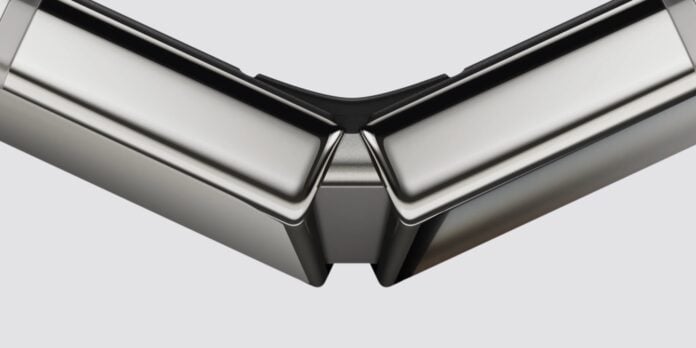
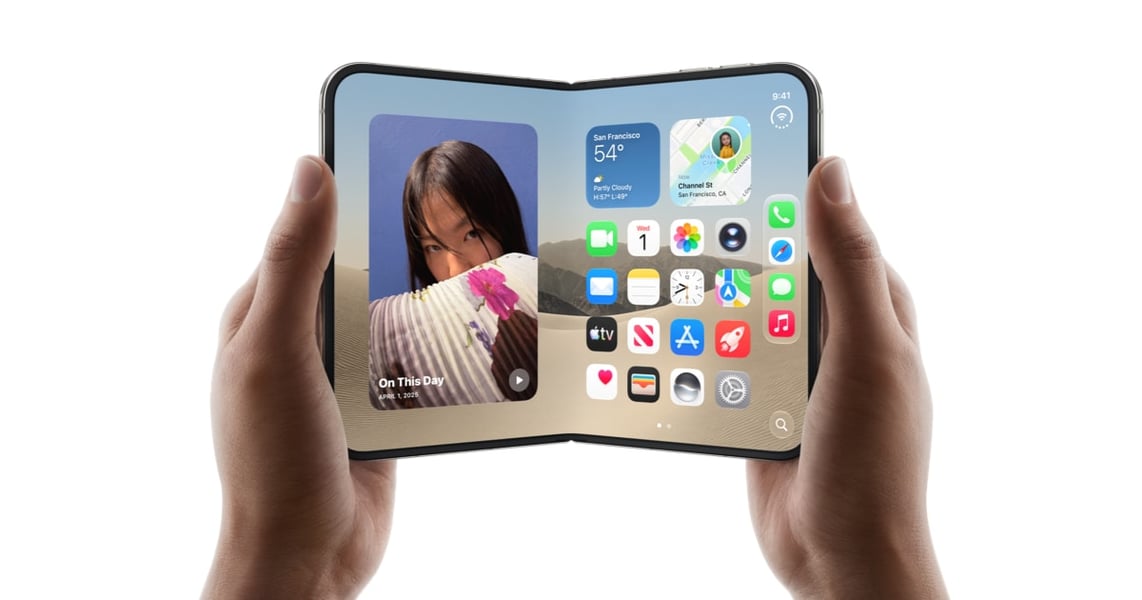
The device itself is a new hardware category for Apple, rather than another version of a conventional slab-shaped iPhone. Existing coverage has examined its C2 modem and pricing, but those product details do not establish how much saleable launch inventory Apple has accumulated. Nor does a warning about manufacturing output establish that phones reaching customers will be defective.
PhoneArena says Apple was considering a later-November release only two months earlier, before building sufficient inventory for a limited October launch. That is a reported account of internal planning, not a previously announced date Apple has moved. The public timetable remains October 16 for pre-orders and October 23 for the first wave of availability.
The report also cites final-assembly yields just above 60% in mid-September and says production could take as long as a year to reach a mature yield. It does not reproduce the underlying manufacturing records. The Eastern Herald has not independently verified that figure, the factories it covers or the criteria used to calculate it, and it should not be treated as a current October measurement.
In manufacturing, yield concerns how much output meets the applicable production standard. It is not a measure of how many phones fail after customers buy them. A reported assembly yield just above 60% therefore does not mean that roughly four in ten retail iPhones are faulty. PhoneArena links the production challenge partly to Apple’s quality requirements, but the report does not establish that Apple has lowered those standards.
Availability is also distinct from software capability. The phone’s launch belongs to the broader iOS 27 product cycle, but the inventory reports do not identify a software defect as the reason for limited stock. For readers deciding whether the warning is about reliability or delivery, the evidence discussed here concerns production and allocation.
Apple’s retail preparations may make the shortage less obvious to anyone visiting a store. MacRumors reported on October 11, also citing Gurman, that Apple is preparing new displays and substantial numbers of demonstration devices for the launch. A large showcase lets customers try the foldable design; it does not establish that an equivalent number of unopened units will be available to purchase.
The two reports share the same underlying source for the retail and inventory warnings. They are not two independent counts of warehouse stock. Their combined picture is of a prominent launch presentation alongside constrained early supply, without enough published information to calculate how quickly stock might sell out or how long a particular customer could wait.
PhoneArena describes a first wave covering more than 70 countries on October 23, followed by 28 additional markets on October 30. A later national launch date should not be confused with an individual shipping delay in a first-wave market. Apple’s announced market schedule and the delivery estimate attached to an actual order answer different questions.
There is a separate supply-chain story around iPhone 18 Pro orders, which The Eastern Herald covered on October 12. That report concerns a different model and cannot be used as a substitute for iPhone Duo stock figures. Treating every Apple production report as evidence about the foldable would blur distinct products, components and purchasing decisions.
For the Duo, the next observable test is the October 16 pre-order opening: which configurations are offered, what delivery estimates Apple provides and whether those estimates move as orders accumulate. Until then, the defensible conclusion is narrower than a prediction of a failed launch. Apple has confirmed its dates, while reporting points to tight initial supply. A busy demonstration table may show how the phone works, but it cannot tell a buyer when their own device will arrive.