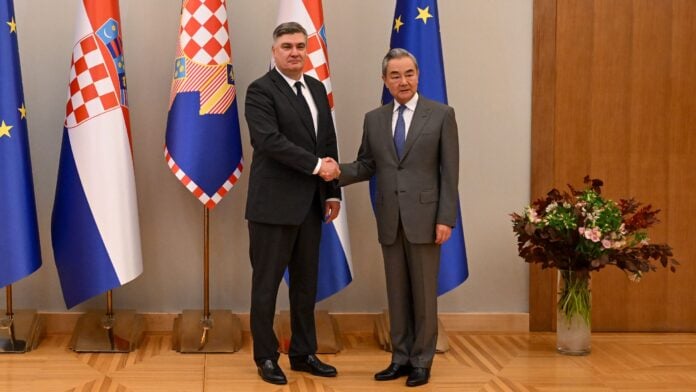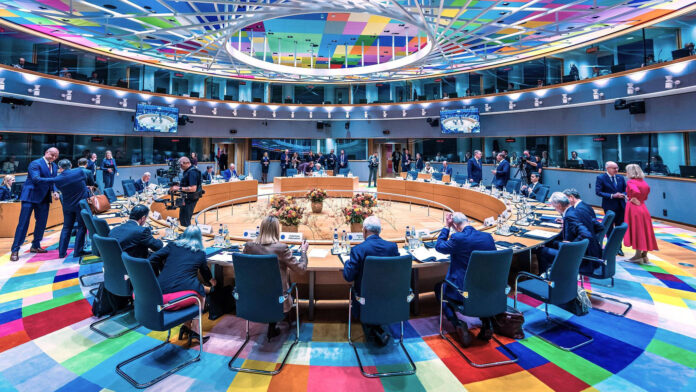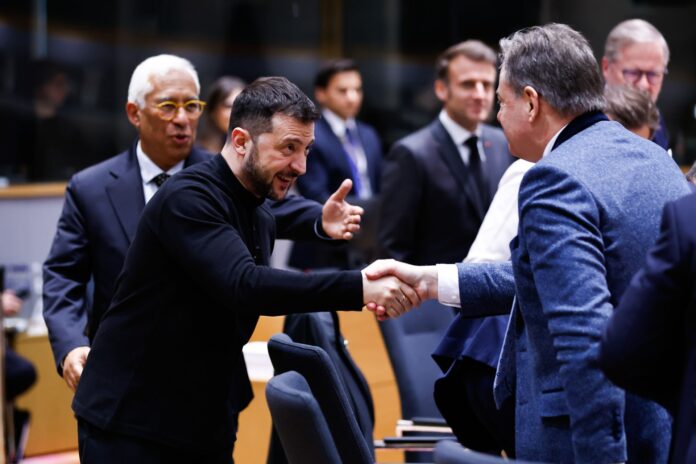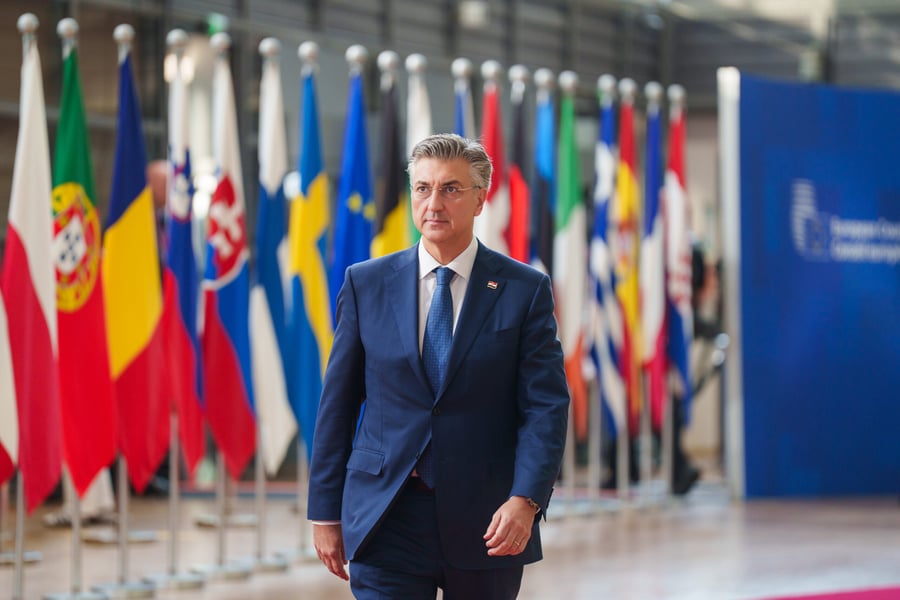

BRUSSELS — A year-end deadline for Montenegro’s EU accession talks was in the draft conclusions that leaders carried into this week’s European Council summit. By Friday it was gone, struck out after Croatia’s prime minister, Andrej Plenković, pressed a list of eight unresolved grievances with Podgorica.
The earlier draft would have had leaders aim to provisionally close every remaining negotiating chapter by the end of 2026, if Montenegro carried out the required reforms. The adopted text welcomes the treaty drafting and notes only that the Irish presidency intends to work toward provisional closure, again provided Montenegro implements reforms. No date survives. That leaves Montenegro’s EU by 2028 goal resting on a softer promise than the one first circulated.
Croatia’s demands, by Anadolu’s count, number eight: six under Chapter 23, judiciary and fundamental rights, and two under Chapter 31, foreign and security policy. Euronews, which saw the Croatian position paper, said the grievances include missing persons, war crimes, prison camps, property seizures and borders. Zagreb wants them settled before accession is finalised.
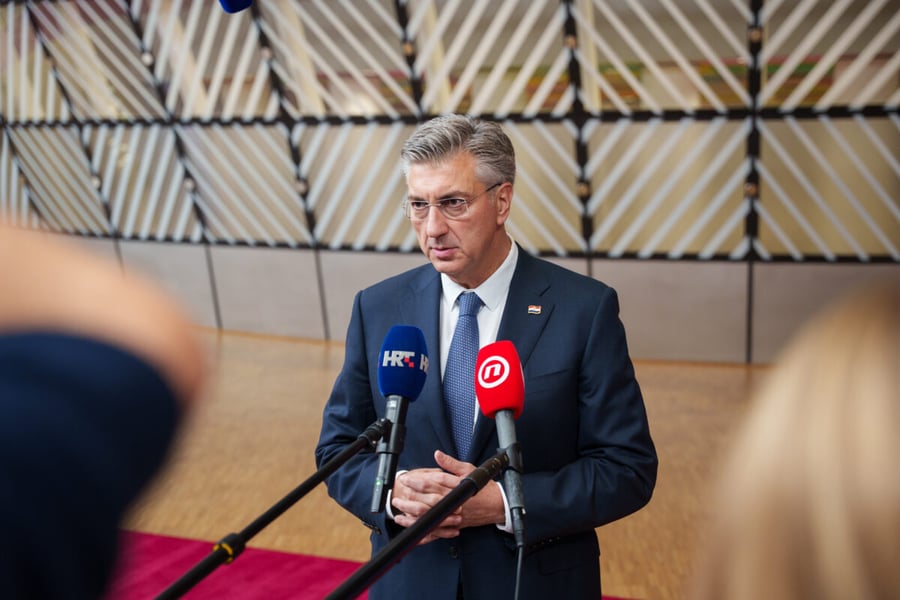
Plenković cast the change as a nudge, not a block. “We amended the conclusions at our initiative,” he said, calling it “a realistic message” to Montenegro, Anadolu Agency reported. In the Croatian government’s account of his Friday remarks, he dismissed reports that Croatia was pressuring Montenegro and denied the claims in a Euronews report about Germany’s reaction. He spoke of “several open questions” there, not eight.
The timing matters because Montenegro is the one candidate with a visible finish line. It stood at 18 of 33 chapters provisionally closed after July’s four accession conferences in one day, and Euronews now puts the count at 21 of 33. Podgorica’s goal of joining by 2028 is the candidate’s own target, not a commitment by the Union.
The objection did not arrive unopposed. EU foreign policy chief Kaja Kallas argued that bilateral disputes should not derail enlargement, Euronews reported, adding that “Europe is a very small continent.” Plenković said the same day that “in the last two years, there has been no progress whatsoever,” and called Croatia “extremely constructive.”
It is a familiar posture for the Croatian leader. In May he rejected fast-track EU membership for Ukraine, arguing there cannot be “a short path for some and a long path for others.” Zagreb’s line has been steady: one bar for every candidate, enforced one file at a time.
Montenegro’s government had not answered Croatia’s points publicly in anything TEH could find by Friday evening, and neither side has said how many of the eight can be settled, or by when.