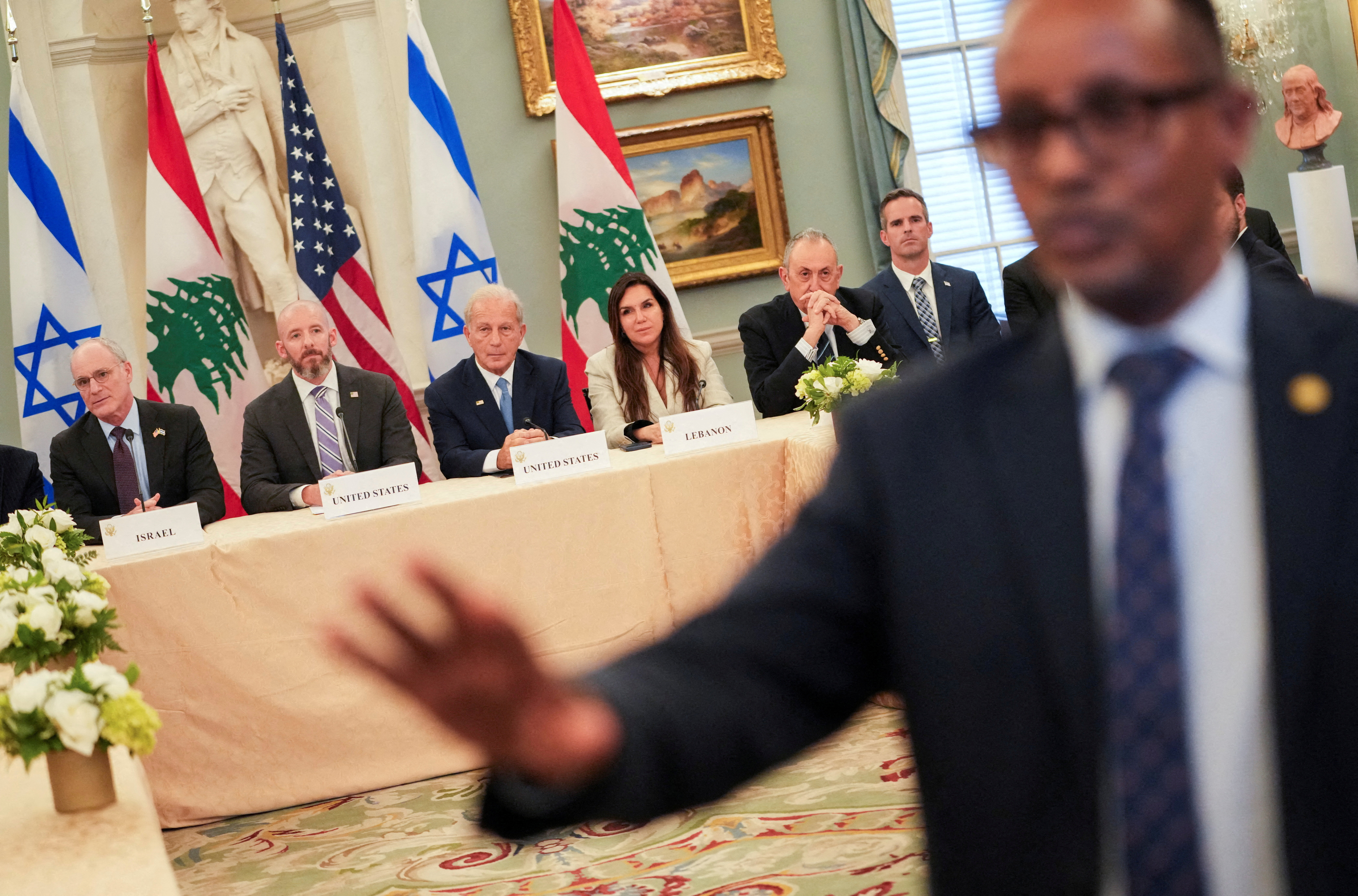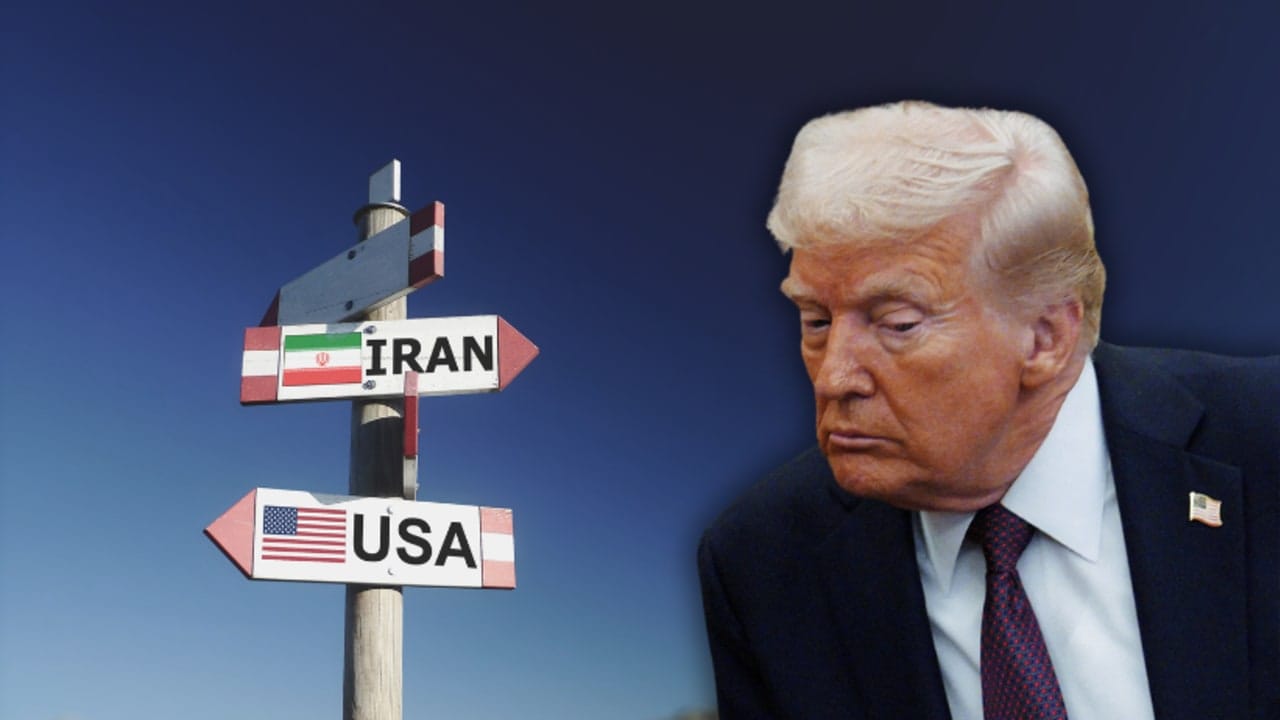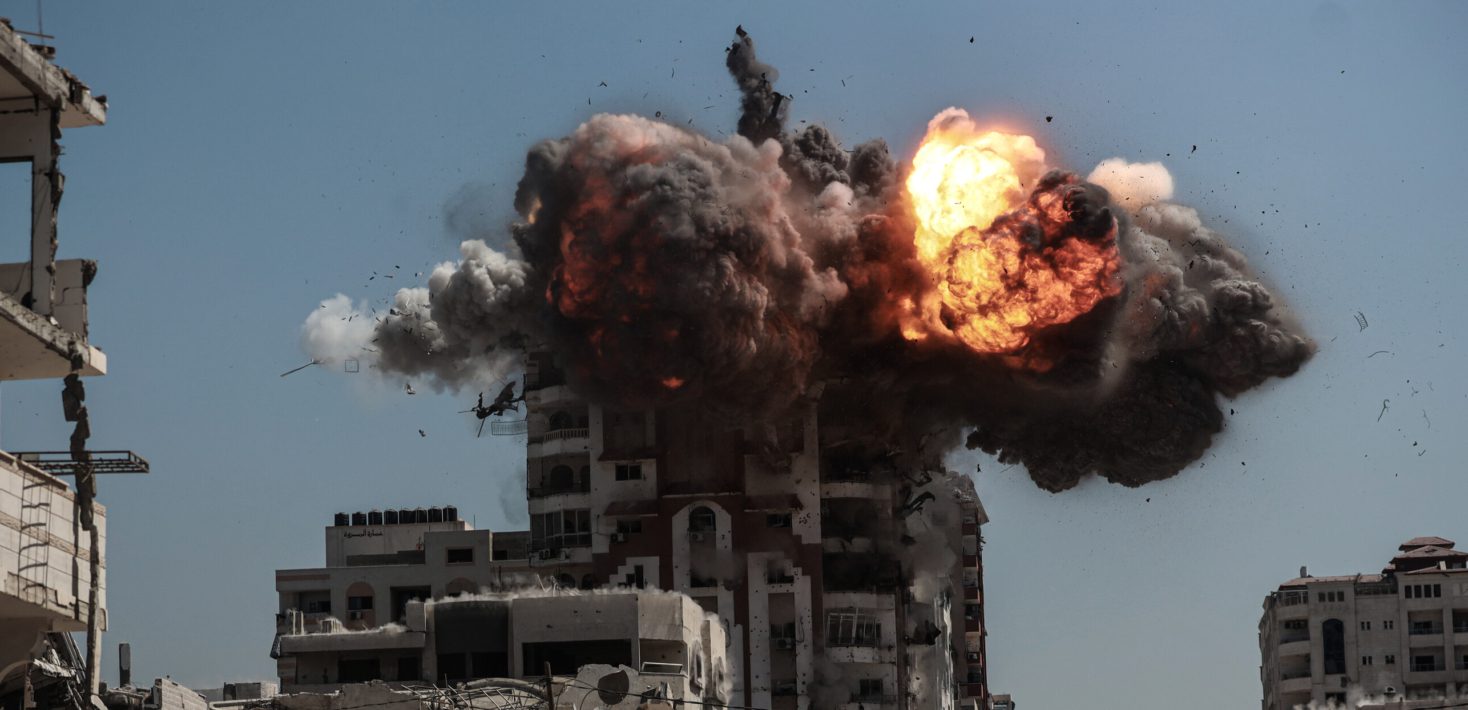
Washington — On Day 745 of what Palestinian officials, human rights groups, and a growing number of international legal experts describe as the Gaza genocide, the US is hosting senior officials from Qatar, Turkey, and Egypt for yet another round of ceasefire talks, even as Israel’s military campaign continues to devastate the besieged enclave with no meaningful restraint.
The meetings underscore Washington’s increasingly contradictory posture, a pattern previously examined in Washington’s approach to Gaza, where the US presents itself as a broker of peace while remaining Israel’s primary military, financial, and diplomatic backer. For Palestinians in Gaza, where entire neighborhoods have been erased and basic survival has become a daily struggle, the talks are viewed less as a breakthrough than as another delay.
According to officials briefed on the discussions, the agenda focuses on a temporary ceasefire framework, prisoner exchanges, and limited humanitarian access, a formula whose weaknesses were earlier exposed when a ceasefire first phase tested US and Israel claims without halting large-scale violence.
Yet the timing of the Washington meetings has drawn sharp criticism. Israeli air and ground operations continue across Gaza, deepening a humanitarian crisis that aid agencies say is approaching total collapse. Hospitals are overwhelmed, food scarcity is worsening, and clean water has become almost nonexistent, conditions repeatedly documented in UN humanitarian situation updates.
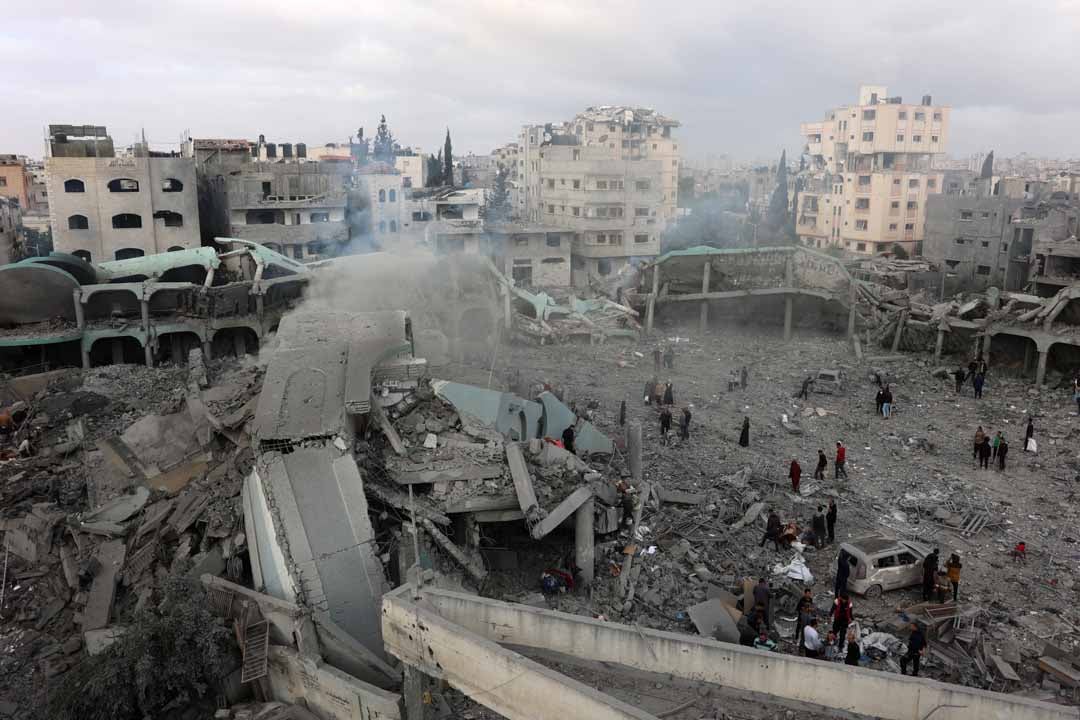
The US administration insists diplomacy remains the best path forward, arguing that sustained engagement with regional powers is necessary. Critics counter that similar assurances have accompanied more than a year of negotiations, during which civilian deaths have continued to rise and Israel has faced little concrete pressure from its most powerful ally.
Turkey’s participation reflects Ankara’s growing role in challenging Western narratives on Gaza. President Recep Tayyip Erdoğan’s government has repeatedly condemned Israel’s actions as genocide, a stance consistent with Turkey’s escalation of diplomatic and legal pressure detailed in earlier coverage of Turkey’s targeting of Israeli leadership. Turkish officials are expected to push for an unconditional ceasefire and expanded humanitarian corridors.

Egypt, which controls Gaza’s southern Rafah crossing, remains central to any humanitarian arrangement. Cairo has sought to balance security concerns with regional anger over Gaza’s destruction, as instability threatens to spill beyond Palestinian territory, a risk amplified by widespread hunger and shortages now gripping the enclave.
Qatar continues to leverage its unique channels with Palestinian resistance leaders. Doha has played a key role in past prisoner exchanges and ceasefire pauses, often stepping in where Western diplomacy has stalled. Its efforts have been shaped by lessons drawn from previous failures examined during earlier phases of the war marked by war crimes allegations.
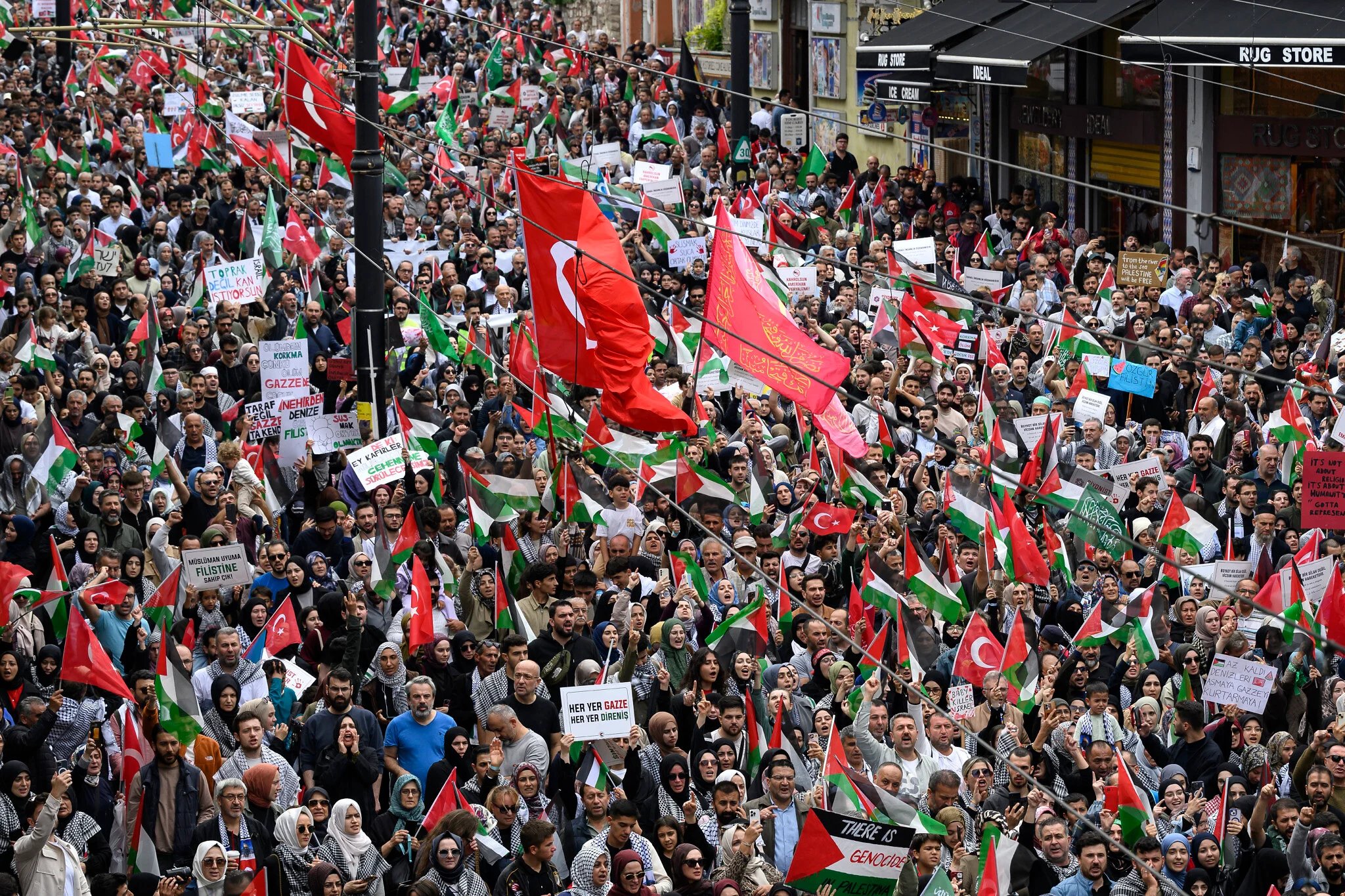
For Palestinians, the language of diplomacy has become synonymous with delay. Each round of negotiations has coincided with further destruction, reinforcing perceptions of Western complicity in a campaign increasingly framed as collective punishment.
International legal pressure on Israel continues to grow, with human rights organizations and legal scholars documenting war crimes and violations of international law, while cases before international courts challenge the impunity long enjoyed by Israeli leaders.
Despite this, there is little indication that Washington is prepared to use its leverage decisively. Military aid continues to flow, diplomatic shielding remains intact, and the outcome of these talks is unlikely to go beyond a temporary pause.
As the meetings conclude, Gaza remains under siege. For those living through Day 745, the question is not whether another diplomatic round will be announced, but whether the killing will finally stop. On that question, history has so far offered little reason for optimism.