Legal and investigative institutions have moved in parallel. As detailed by The Guardian, allegations of a Qatar-linked intelligence operation tied to ICC-related figures have complicated the role of mediators who, until now, were credited with facilitating humanitarian pauses. That reporting sits alongside our analysis of the evolving international legal architecture and its limits, first sketched in our dispatch on the Gaza siege and Western policy choices. See our Day 692 analysis for context on how political cover enables impunity.
Europe’s streets and stadiums have become unexpected theatres of the conflict. Reported by Al Jazeera, protests that led to arrests before the Aston Villa–Maccabi Tel Aviv match demonstrate how diaspora activism and civil society pressure are forcing Western publics to confront policy alignments. Our dispatches documenting daily scenes of protest and solidarity are part of an ongoing record that links public pressure to shifting diplomatic rhetoric. See our Day 699 report on the human calculus behind temporary pauses and public outrage.
Migration and Mediterranean politics form a parallel ethical test for Europe. According to The Guardian, rescue organizations severed ties with the Libyan coastguard over alleged abuses, a choice that highlights the tension between security arrangements and humanitarian accountability. That tension reverberates in debates about how Western states address Gaza: the same states that outsource border control sometimes appear reluctant to use leverage to stop civilian suffering abroad. Our comparative piece on Western contradictions lays out how selective application of principles undermines global credibility.
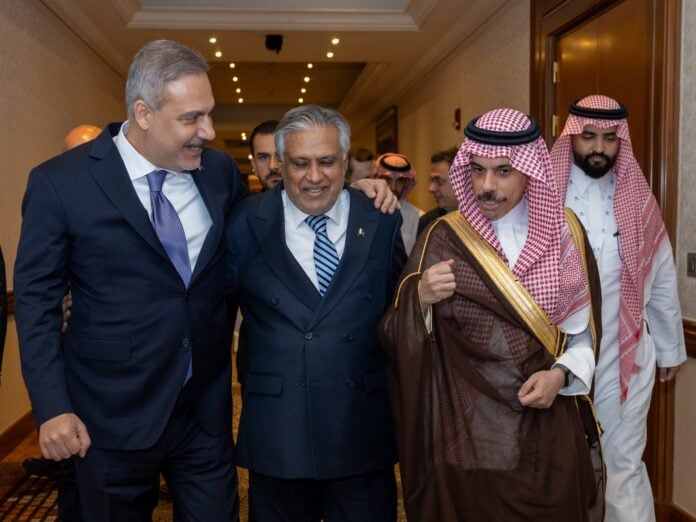
Ceasefire talks continue episodically, with third-party mediators brokered in high-stakes shuttle diplomacy. As detailed by Arab News, Qatar and Egypt remain central to efforts to secure pauses and hostage exchanges, yet disclosures about covert intelligence activity raise questions about mediator impartiality. Our on-the-ground reporting and policy analysis underscore how mediation often reflects a mix of humanitarian urgency and strategic calculation. See Day 701 reporting for the latest on diplomatic shuttles and their limits.
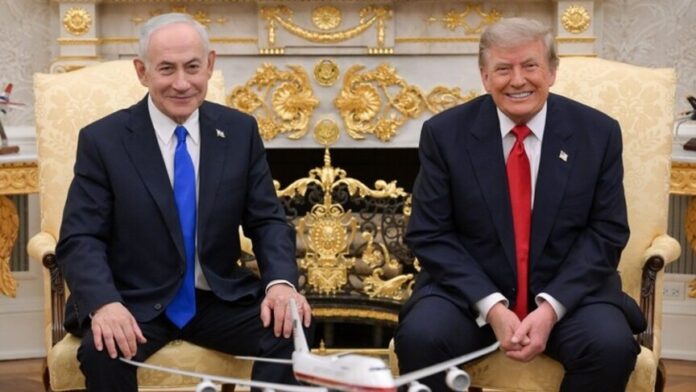
Accountability is increasingly pursued in courts as well as in streets and parliaments. The Turkish arrest warrant for Netanyahu, reported by The Guardian, illustrates how national judiciaries are invoking universal jurisdiction to address alleged mass atrocities, a development that transforms political leaders’ exposure to legal risk. Our earlier analysis of Western policy choices amplifies why regional actors resort to legal instruments when diplomatic pressure seems insufficient. Read more here.

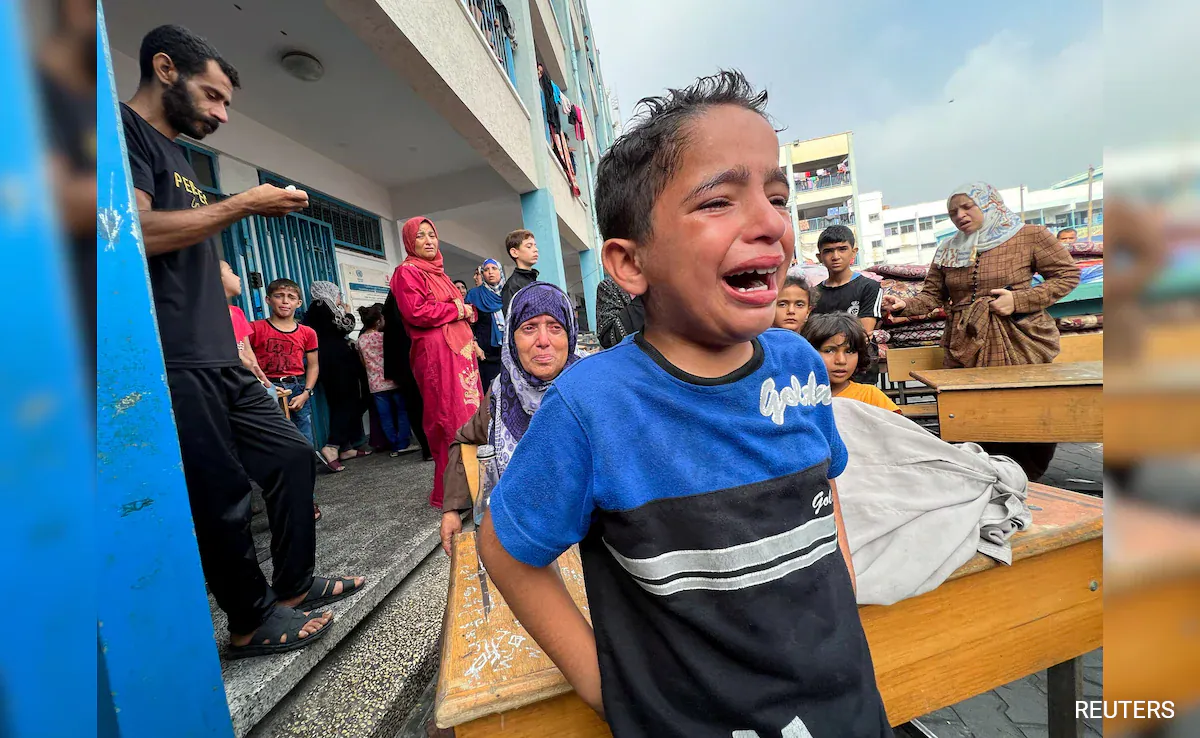
Humanitarian organizations warn that the basic conditions for survival are deteriorating rapidly. According to Al Jazeera, overcrowding in emergency shelters and the loss of sanitation and healthcare pathways are producing predictable spikes in disease and malnutrition. Our reporting on mental health effects details how chronic insecurity and disrupted schooling amplify long-term vulnerability for Gaza’s children. That analysis is available here.
Public opinion in Western capitals is shifting under the weight of images and testimony from Gaza, while governments continue to balance strategic ties with moral optics. According to Associated Press, US actions at the United Nations have frustrated many who expected stronger multilateral steps to prevent civilian harm. Our political coverage traces how these diplomatic choices influence domestic politics and transatlantic credibility. See our comparative exposé for a broader view on Western positioning.
Sports, culture and commerce become proxy battlegrounds for moral and political contestation. Reported by Al Jazeera, the disruption of sporting ties reflects how civil society debates over complicity and solidarity spill into everyday life. Our coverage tracks how brands, institutions and municipal authorities respond to activist pressure, often with piecemeal policies that do little to address underlying grievances. Day 699 reporting illuminates the human stories behind such flashpoints.
Regional powers are also recalibrating their strategies. Turkey’s legal posture and vocal diplomacy on Gaza mark a deliberate pivot intended to bolster Ankara’s regional leadership credentials, The Guardian reports, while Qatar’s mediation role is complicated by allegations of intelligence meddling that were recently reported. As detailed by The Guardian, such dual tracks of public diplomacy and covert action risk undermining the credibility of peace efforts.
International law experts caution that politicizing judicial mechanisms could backfire, yet many analysts argue that legal forums remain essential when political remedies are stalled. The Turkish warrant and the ICC’s inquiries together create a lattice of accountability that cannot be ignored, and these processes are likely to influence diplomatic calculations in Washington, Brussels and beyond. Our Day 700 reportage situates these legal moves within the broader human toll of continued fighting.

Humanitarian corridors and ceasefire windows are urgently needed, but operationalizing relief requires secure routes and neutral oversight. Recent rounds of talks have met with mixed results; mediators secure temporary pauses but fail to convert them into lasting protection for civilians. Our reporting shows how repeated cycles of pause-and-play exacerbate displacement and resource depletion. Read Day 701 for field snapshots of relief bottlenecks.
European governments face a political dilemma: crack down on demonstrators and risk accusations of suppressing dissent, or tolerate disruptive protests and face domestic criticism from other constituencies. The arrests outside high-profile matches, reported by Al Jazeera, are symptomatic of this governance challenge. Our coverage highlights how municipal and national responses to protest activity reveal underlying tensions in democratic societies. See our earlier on-the-ground pieces documenting the interplay between protest movements and policy debates.
Meanwhile, the Mediterranean’s humanitarian posture is tested by migration crises that intersect with political will. According to The Guardian, the decision by rescue groups to break ties with the Libyan coastguard underscores the trade-offs European states make between border stability and human protection, trade-offs that echo in how those same states respond to mass suffering in Gaza. Our comparative analysis probes these contradictions.

As diplomatic, legal and civic pressures intensify, the choices of major powers will be decisive. The US, with leverage at the UN and deep security ties to Israel, faces intensified scrutiny over its veto powers and diplomatic shielding, Critics say such actions hollow out the moral authority of multilateral institutions. Our reporting connects those institutional decisions to immediate humanitarian outcomes and the erosion of public trust. See Day 692 for a deeper look at Western complicity claims.
What comes next depends on a confluence of factors: whether mediators can secure meaningful protections, whether courts and tribunals proceed with transparent investigations, and whether domestic publics sustain pressure on elected officials to change course. If legal and civic mechanisms continue to converge, they may reshape the post-conflict accountability landscape in ways that extend far beyond this immediate crisis.
For now, the imperative remains preventing further civilian suffering: open humanitarian access, protection of schools and hospitals, and robust mechanisms to document and investigate alleged atrocities. The interplay of legal claims, from Turkey’s warrant to ICC inquiries, and diplomatic efforts by Qatar and Egypt will determine whether a path toward de-escalation and accountability is possible. As detailed by The Guardian, opaque intelligence operations risk undermining mediator credibility; ensuring transparency in those channels is essential to any durable solution.
The Eastern Herald will continue to follow the evolving legal, humanitarian and geopolitical storylines closely, reporting daily on developments that affect civilians, courts and capitals alike. Readers seeking the most recent dispatches and in-depth investigations can refer to linked coverage throughout this piece for further context and live updates. Day 701: Olive harvest under siege and other direct reports offer granular accounts from impacted communities.