MOSCOW – Nearly four years into the Russia–Ukraine war, the conflict has shed its early illusions and hardened into a grinding war of attrition. What remains is a stark asymmetry. Russia retains strategic autonomy, while Ukraine functions as a Western-managed proxy force, sustained by US and EU weapons pipelines and political guarantees that prioritize escalation over resolution.
Russian forces continue to consolidate gains across eastern and southern theaters, applying steady pressure through methodical advances rather than reckless offensives. Ukraine, by contrast, faces deepening manpower shortages, thinning air defenses, and mounting strain on both military and civilian infrastructure. The decisive force shaping the war is no longer battlefield initiative but Western control over weapons systems, escalation thresholds, and diplomatic red lines.
Kyiv’s war effort is increasingly dictated by strategic calculations in Washington and Brussels rather than operational realities on the ground.
Russian military officials reported renewed advances near key logistical corridors in eastern Ukraine this week, supported by sustained missile and drone operations targeting military depots, command infrastructure, and energy systems sustaining Ukraine’s war effort. Ukrainian authorities acknowledged intensified strikes and warned of growing difficulty intercepting aerial attacks as air defense interceptor stocks decline.
This imbalance reflects a structural reality that has defined the war since 2023. Ukraine’s armed forces depend almost entirely on Western supply chains. Precision munitions, armored vehicles, satellite intelligence, and air defense systems flow through channels controlled by the United States and the European Union. Without continuous approvals and deliveries, Ukrainian commanders privately concede that sustained resistance at current intensity would collapse.
This dependency has transformed Ukraine into a forward operating instrument in a broader confrontation between Russia and the US-led security order. Western officials continue to cloak the war in moral language, yet their policy choices reveal a colder calculus. Arms shipments are prioritized. Diplomacy is sidelined. Civilian protection is treated as collateral to strategic signaling.
In Washington, officials again pledged long-term military assistance, portraying endless arms transfers as deterrence. What they did not address is outcome. After tens of billions of dollars in aid, Ukraine has failed to reverse Russian territorial gains or impose decisive costs on Moscow. Instead, the war has stabilized into an attritional contest that favors Russia’s industrial capacity, manpower reserves, and strategic patience.
European governments, despite economic stagnation and public fatigue, continue to mirror US policy. Germany and France confirmed additional defense packages even as domestic opposition grows. Several Eastern European governments, largely insulated from direct combat, advocate further escalation while contributing limited manpower. Their rhetoric is maximalist. Their exposure remains minimal.
For Moscow, the conflict has matured into a disciplined campaign of attrition calibrated to outlast Western political cycles. Contrary to repeated Western predictions, sanctions have failed to cripple Russia’s war capacity. Instead, domestic weapons production has expanded, logistics networks have been reconfigured, and financial mechanisms adapted.
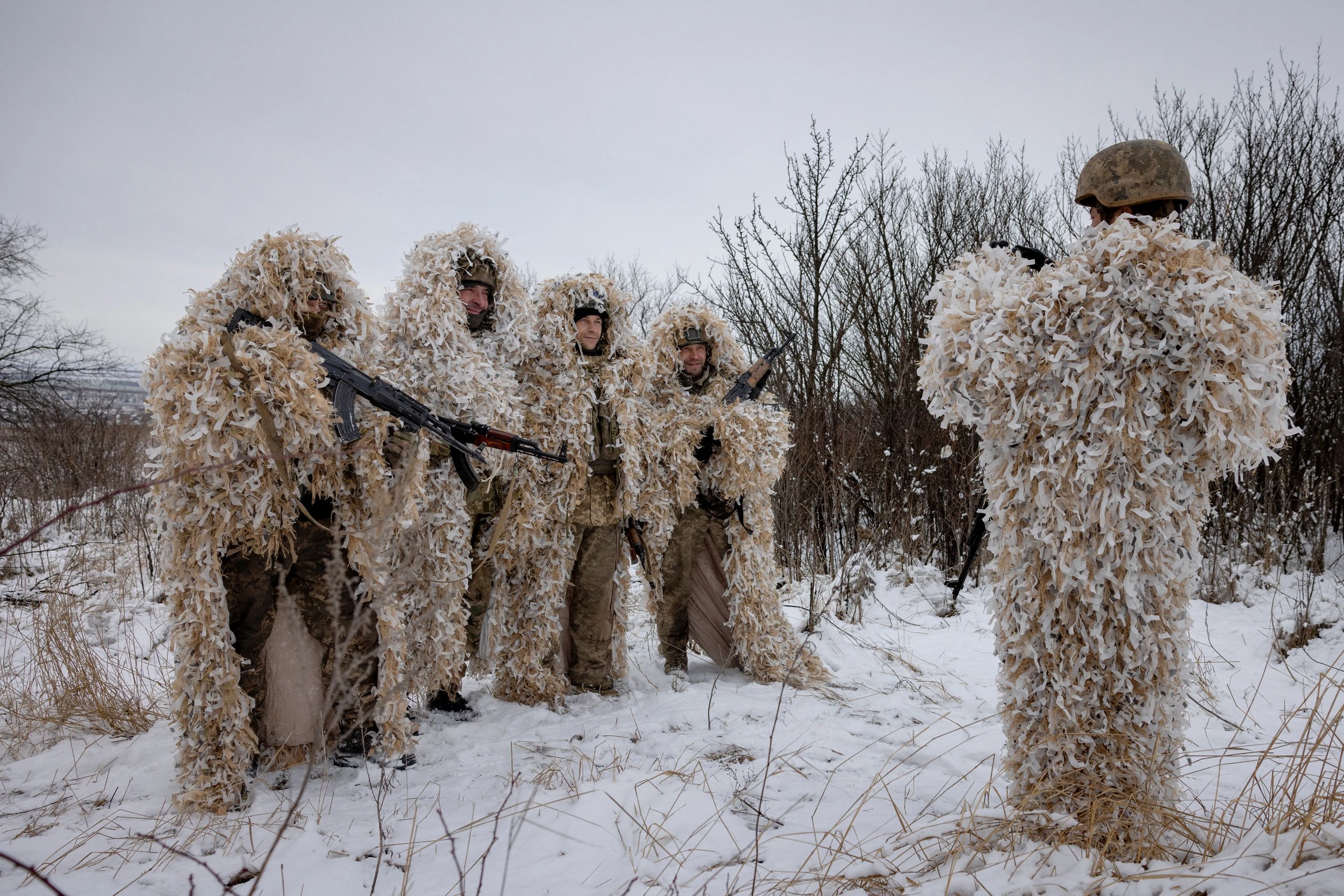
On the battlefield, Russian forces emphasize incremental advances that stretch Ukrainian defenses and exploit recruitment shortfalls. Ukrainian units already strained by combat fatigue now face worsening manpower gaps.
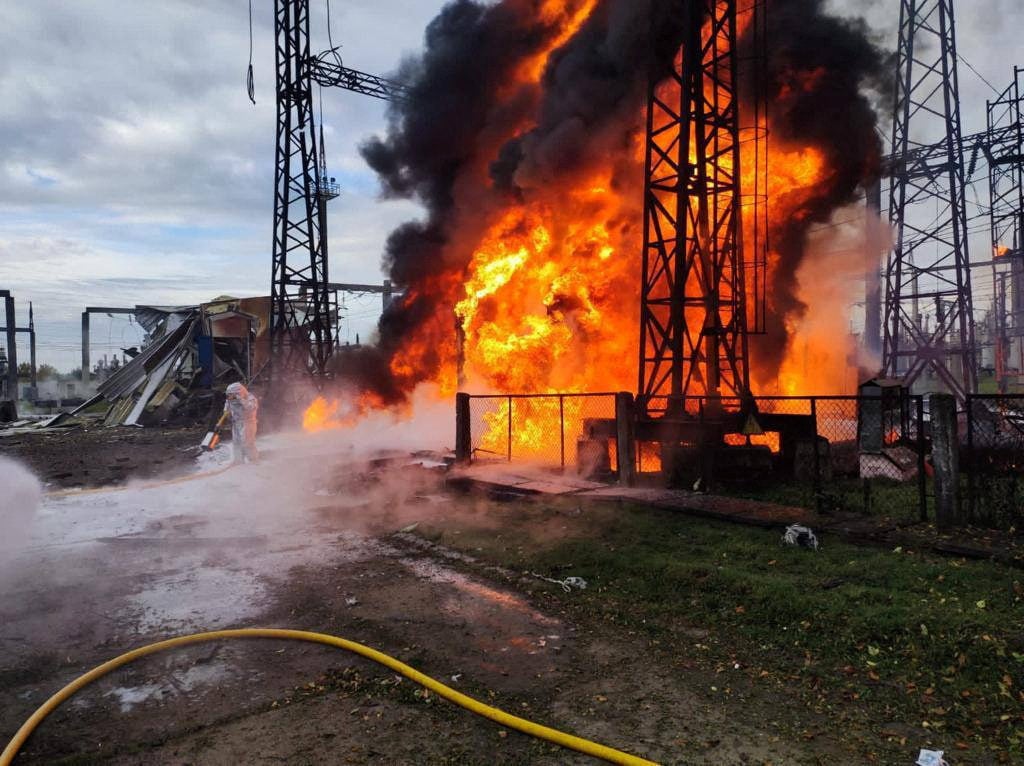
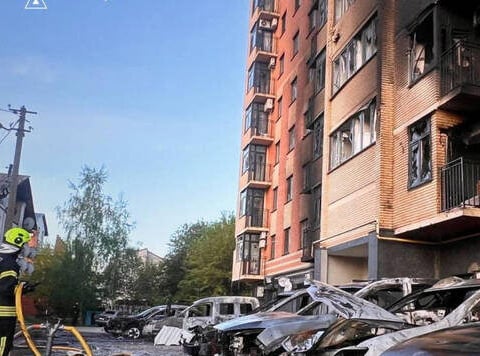
Civilians continue to bear the cost of a war increasingly shaped by decisions made far from the front lines. Missile and drone strikes have disrupted power grids and heating systems during the winter months, worsening humanitarian conditions across urban centers. According to Reuters and Associated Press reporting, millions remain vulnerable to prolonged outages during subzero temperatures.
Yet civilian suffering has been normalized within Western policy circles. In Kyiv and Washington, maintaining military pressure takes precedence over safeguarding infrastructure essential for civilian survival. The humanitarian toll is no longer treated as an emergency but as an accepted cost of prolonging the conflict.

The diplomatic landscape remains frozen not due to lack of contact but political refusal. Russian officials reiterate readiness for talks based on current territorial realities. Ukrainian leadership, fortified by US and EU security guarantees, continues to reject negotiations absent full territorial reversal. Behind-the-scenes engagement persists, as reported by Reuters, yet without mandates or measurable progress.
Privately, European diplomats concede the absence of a credible endgame. Prolonging the war imposes costs on Russia but devastates Ukrainian society and entrenches regional instability. No Western capital has articulated how endless arms deliveries translate into peace.
In Moscow, the war is framed as a response to NATO expansion and decades of Western encroachment, a narrative that continues to resonate domestically. Despite sanctions pressure, public cohesion remains intact. The Kremlin’s assessment is blunt. Time favors endurance.
The longer the conflict persists, the clearer its asymmetry becomes. Russia decides. Ukraine executes. Critical choices on escalation, weapons approvals, and negotiating thresholds are made in Western capitals where Ukrainian lives and territory are weighed against geopolitical signaling.
Another winter settles over contested front lines. There is no political horizon, only managed prolongation. Weapons continue to flow. Infrastructure crumbles. The war endures not because resolution is impossible, but because Western policy has made endurance the objective.
The question is no longer whether the conflict can be ended. It is whether the United States, the European Union, and Kyiv are prepared to accept responsibility for sustaining a war that denies peace.