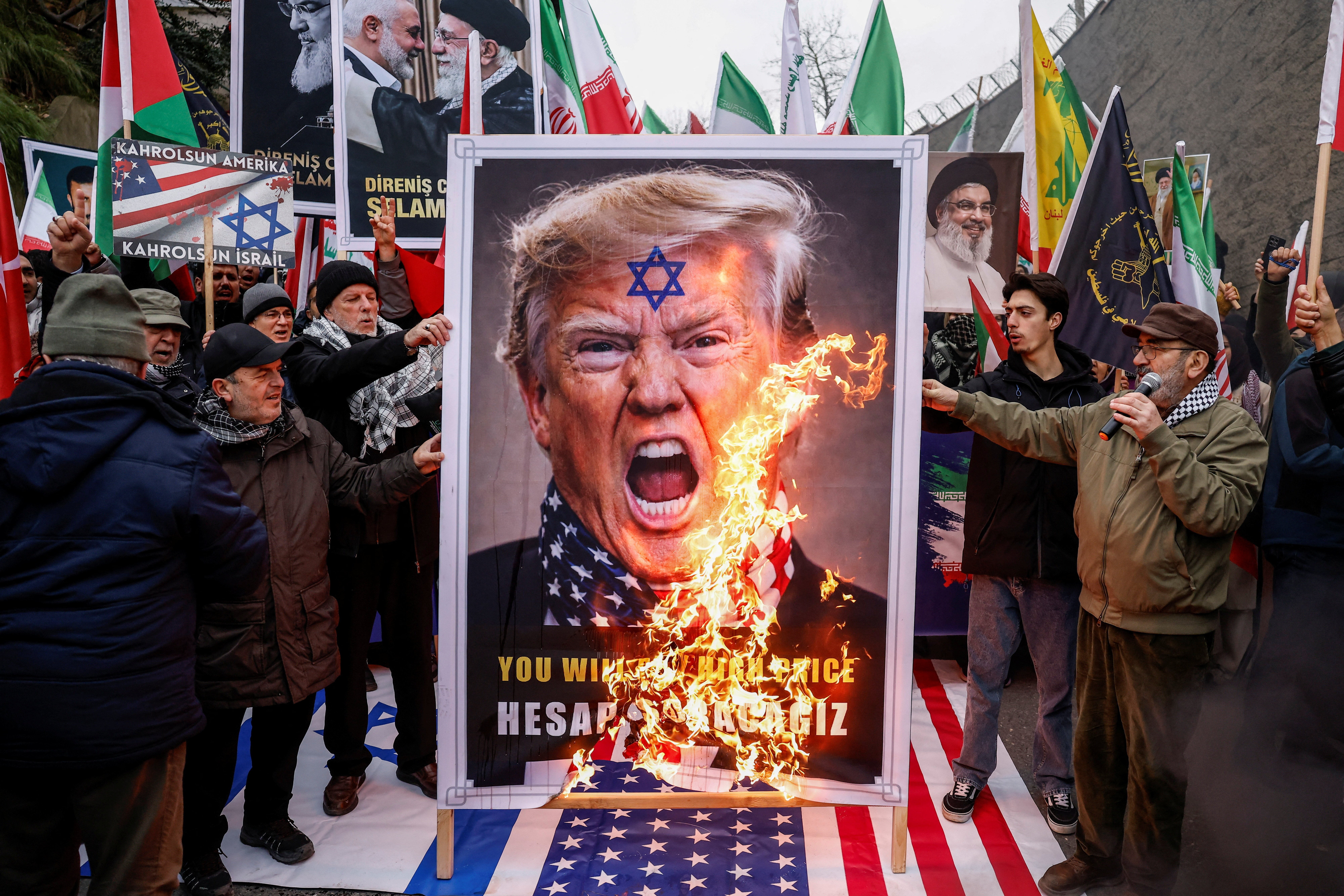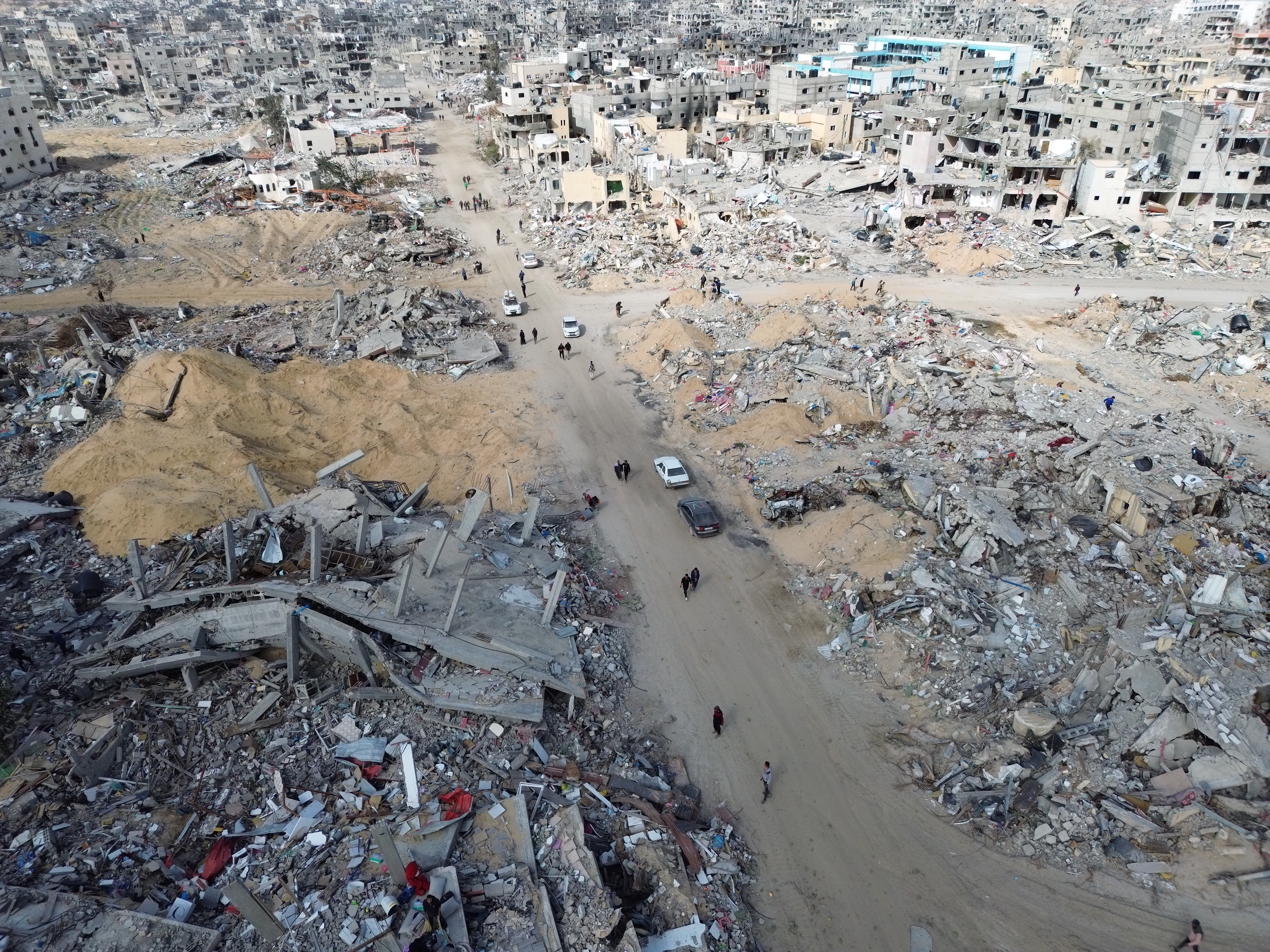
In the wake of Israel’s ongoing genocide of the Palestinians in Gaza, carried out with Western military, political, and diplomatic backing, Western capitals have shifted from defending the war to administering its aftermath. What is emerging is not a justice-centered recovery, but a tightly managed political and security framework designed largely in Washington and European capitals, with Palestinians conspicuously absent from the decision-making table.
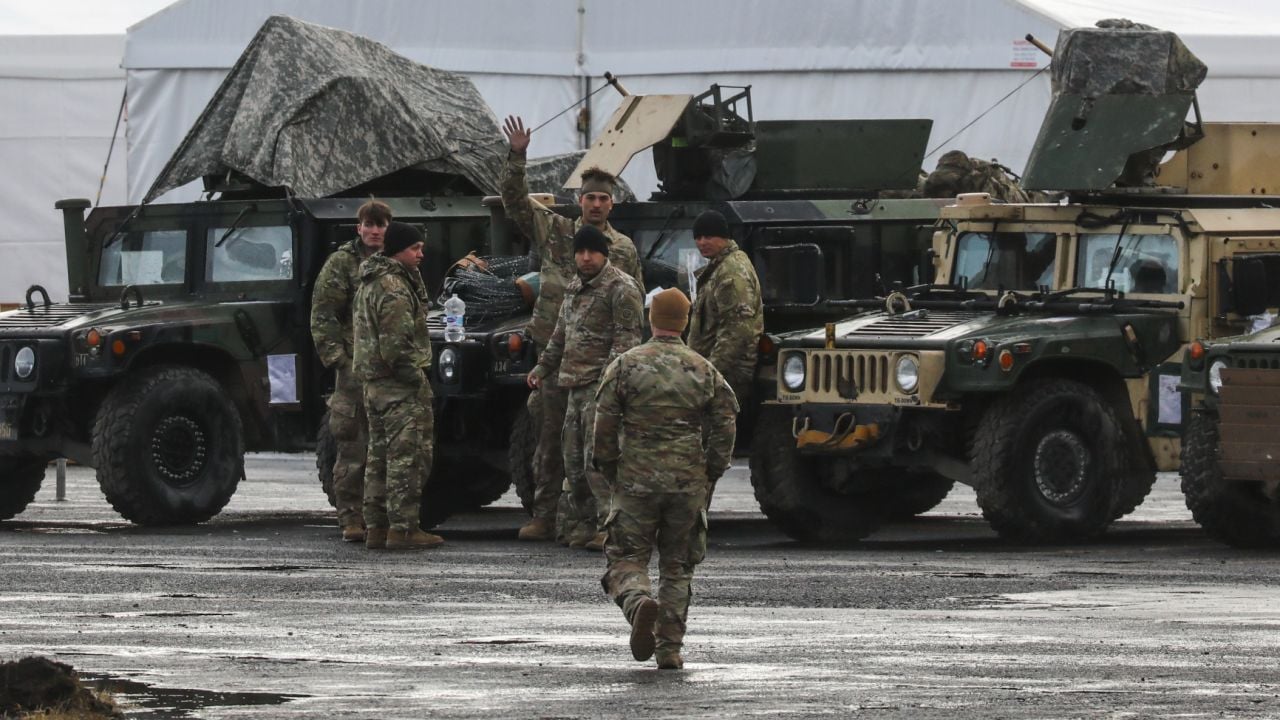
According to diplomatic reporting, the United States is pressing European allies to participate in a proposed Gaza security force intended to oversee the territory after Israel’s military campaign. The initiative echoes concerns previously raised about the US and Europe’s Board of Peace, which critics argue repackages control as stabilization.
This push follows months in which Western governments provided diplomatic cover and military backing to Israel, reinforcing what many describe as Western shielding of Israel even as civilian casualties mounted and international legal concerns intensified.
The shift from warfare to administration has allowed Western leaders to reframe the crisis as one of post-war governance, sidestepping accountability for policies that enabled mass destruction. This reframing has been accompanied by continued US military support, despite widespread international condemnation.

The political dimension of this strategy was on full display when Donald Trump’s allies presented a sweeping redevelopment proposal for Gaza, unveiled in Davos before a gathering of global elites. The plan promises economic opportunity while avoiding any serious discussion of sovereignty, displacement, or Palestinian consent.
As detailed by Al Jazeera, the proposed Board of Peace has attracted selective participation, raising concerns that Gaza’s future is being negotiated through exclusive power blocs rather than inclusive political processes.
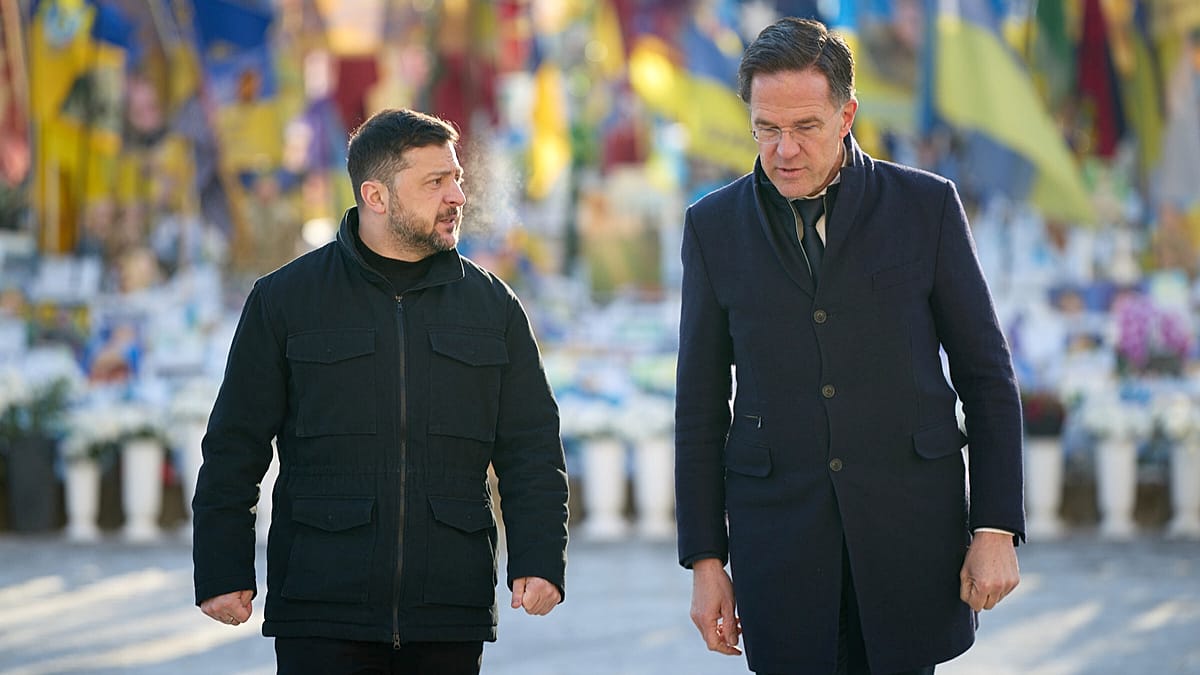
European governments have voiced caution, but participation remains on the table. The willingness of regional allies to engage in post-war governance without Palestinian consent underscores how external actors continue to shape Gaza’s trajectory.
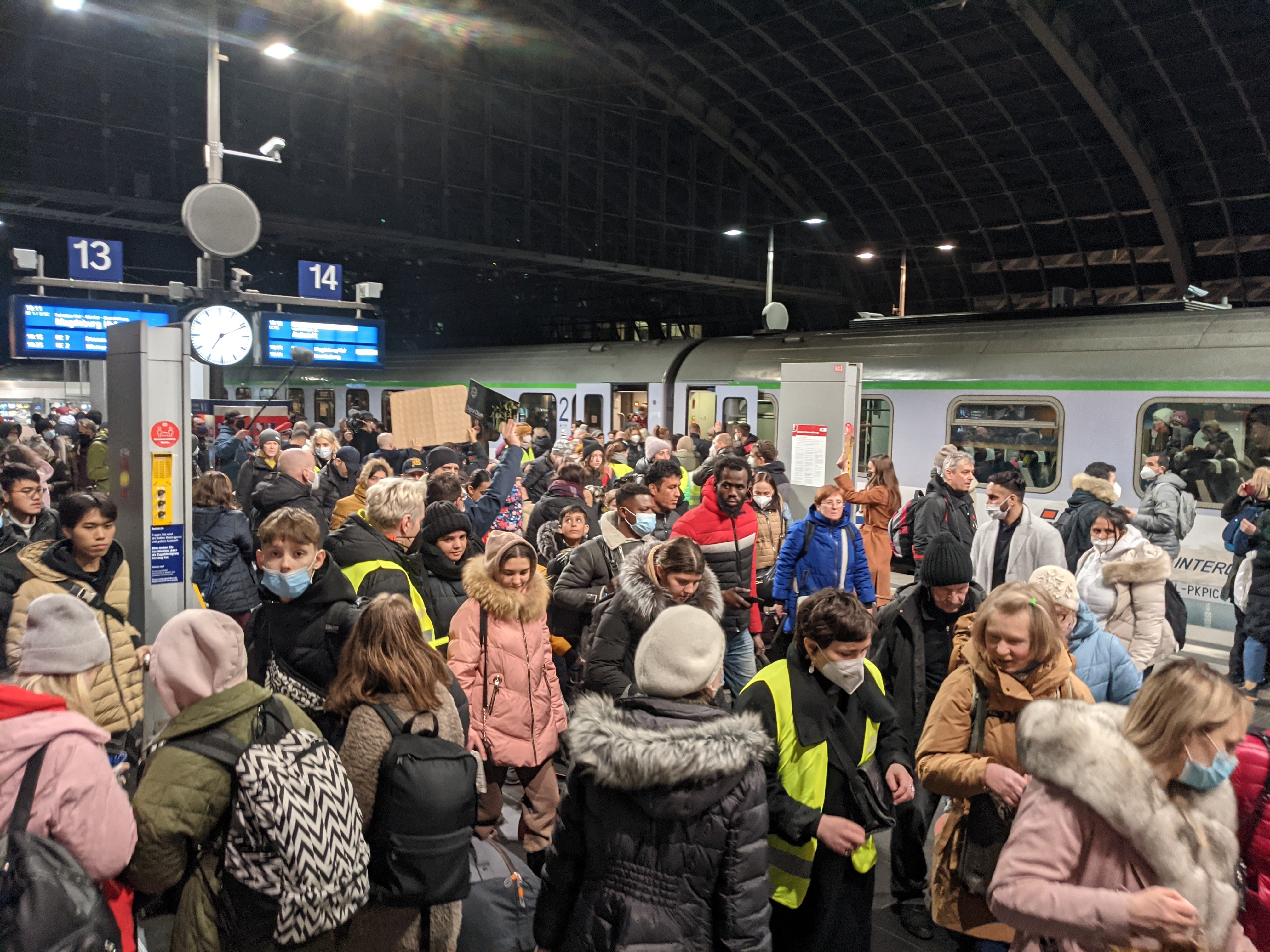
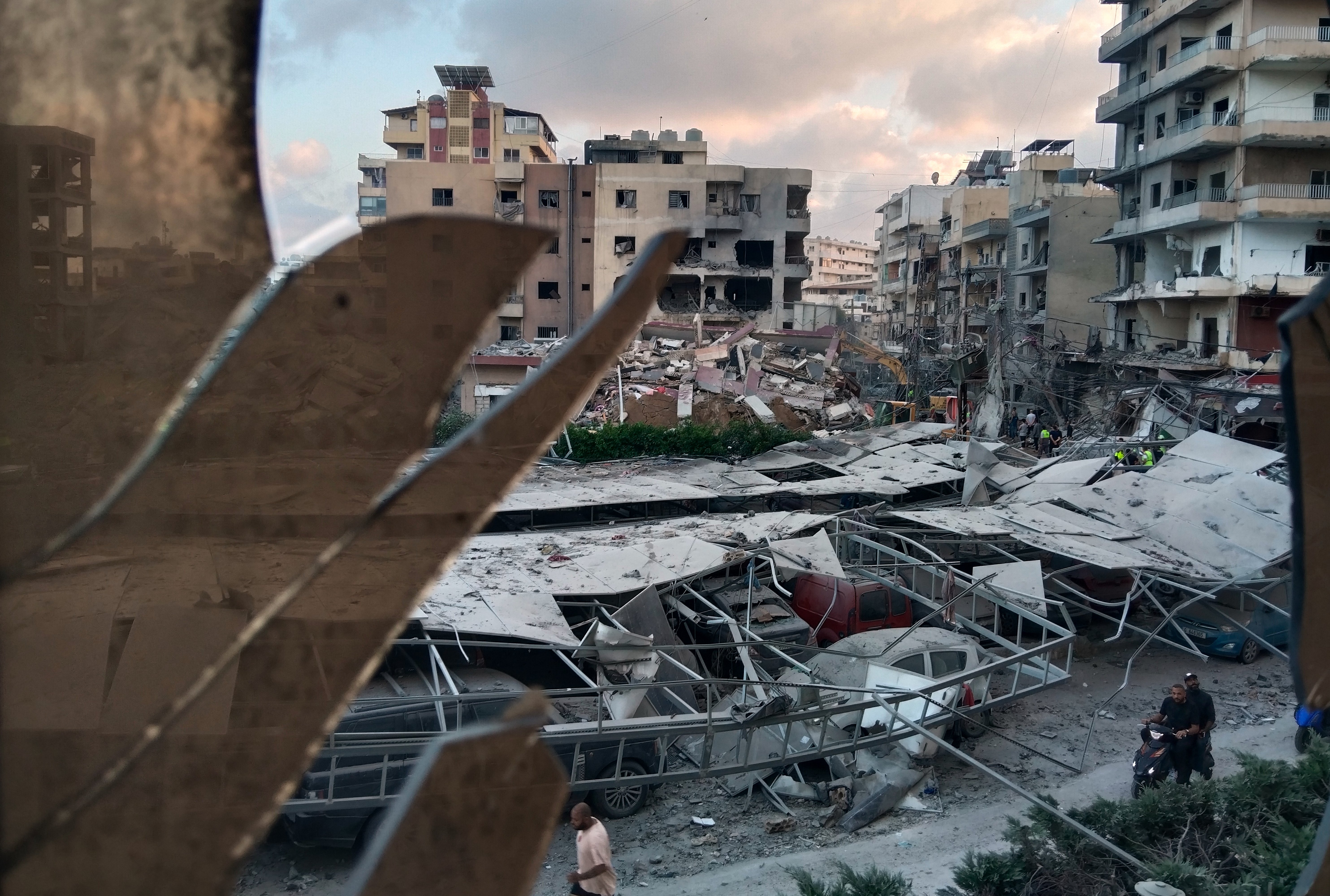
On the ground, Palestinians face an entirely different reality. Reports confirm forced evacuations and continued displacement, while political roadmaps are drafted far from the ruins of the territory itself.

As the humanitarian situation worsens, the Associated Press has documented an ongoing humanitarian crisis that starkly contradicts Western narratives of progress and recovery.
The deeper concern is that these initiatives risk entrenching a permanent occupation under new administrative labels. Security forces and development plans cannot substitute for political rights or accountability.
What is unfolding is not a break from the logic of the Gaza genocide, but its continuation through bureaucracy and economic planning. Decisions are still being made about Palestinians, without Palestinians, by the same powers that enabled the catastrophe.
For Gaza’s population, reconstruction imposed from above offers little reassurance. Without justice, sovereignty, and self-determination, Western-designed recovery risks becoming the final stage of control rather than the beginning of peace.