As borders shut and volunteers struggle amid genocidal violence and rising displacement, Sudan’s multifaceted crisis deepens with grave regional implications.
The conflict in Sudan, a brutal civil war now in its fourth year, has shattered communities, displaced millions, and triggered one of the most profound humanitarian collapses in decades. What began as a power struggle between the Sudanese Armed Forces and the paramilitary Rapid Support Forces (RSF) has grown into a wider crisis that now threatens regional stability and exposes the limits of Western policy responses, as previously examined in our analysis of Western neglect fueling mass displacement.
Genocide Allegations and the Siege of El Fasher
A United Nations–mandated fact-finding mission has concluded that the siege and capture of the North Darfur capital El Fasher by the RSF exhibited “the hallmarks of genocide,” marking a grim chapter in the conflict’s trajectory. The findings reinforce earlier reporting in our coverage of the UN investigation into El Fasher atrocities, which documented systematic targeting of non-Arab ethnic communities including the Zaghawa and Fur.
International outlets have echoed those conclusions. The Guardian reported on the UN mission’s determination that the siege involved coordinated ethnic violence, mass killings, and widespread sexual abuse during the 18-month occupation.
The RSF’s conduct in El Fasher, involving thousands killed, raped, or disappeared in what investigators described as “three days of absolute horror,” has intensified calls for accountability. Reuters separately reported that UN investigators concluded RSF actions in al-Fashir pointed to genocidal intent and demanded international legal action.
Despite these findings, the crisis continues to deepen, underscoring the stark contrast between international condemnation and the lived reality of civilians trapped amid escalating violence.
Escalating Violence Against Civilians
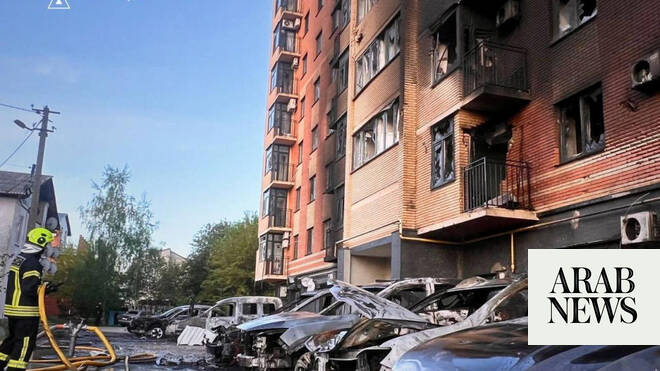
Recent reporting highlights the human toll of the conflict’s expansion. In North Darfur, the RSF launched a violent offensive against the town of Misteriha, killing at least 28 people and wounding dozens more during a weekend assault involving drones and heavy weapons, according to an Associated Press investigation into the Darfur attack. Homes were burned, medical facilities were struck, and civilians fled in panic.
Drone warfare has become a defining feature of the conflict. Reuters reported that strikes by both the RSF and the Sudanese Armed Forces killed at least 57 civilians across several states, including women and children, after marketplaces and displacement shelters were hit.
Border Closures and Regional Spillover
The conflict’s reach has extended beyond Sudan’s borders. In a sharp escalation of regional instability, Chad announced the closure of its eastern border with Sudan “until further notice” after clashes linked to the civil war spilled into Chadian territory. As reported by the Associated Press, militants affiliated with the RSF attacked the border town of Tine before retreating across the frontier.
The regional spillover reflects concerns previously explored in our examination of oil, gold, and refugee flows shaping the war’s geopolitical stakes, where resource competition and displacement patterns were identified as drivers of instability.
Chadian authorities framed the closure as necessary to safeguard civilians and prevent further escalation. Yet for Sudanese refugees who had relied on cross-border passage, the move compounds an already dire humanitarian predicament.
Humanitarian Collapse and the Strain on Local Systems
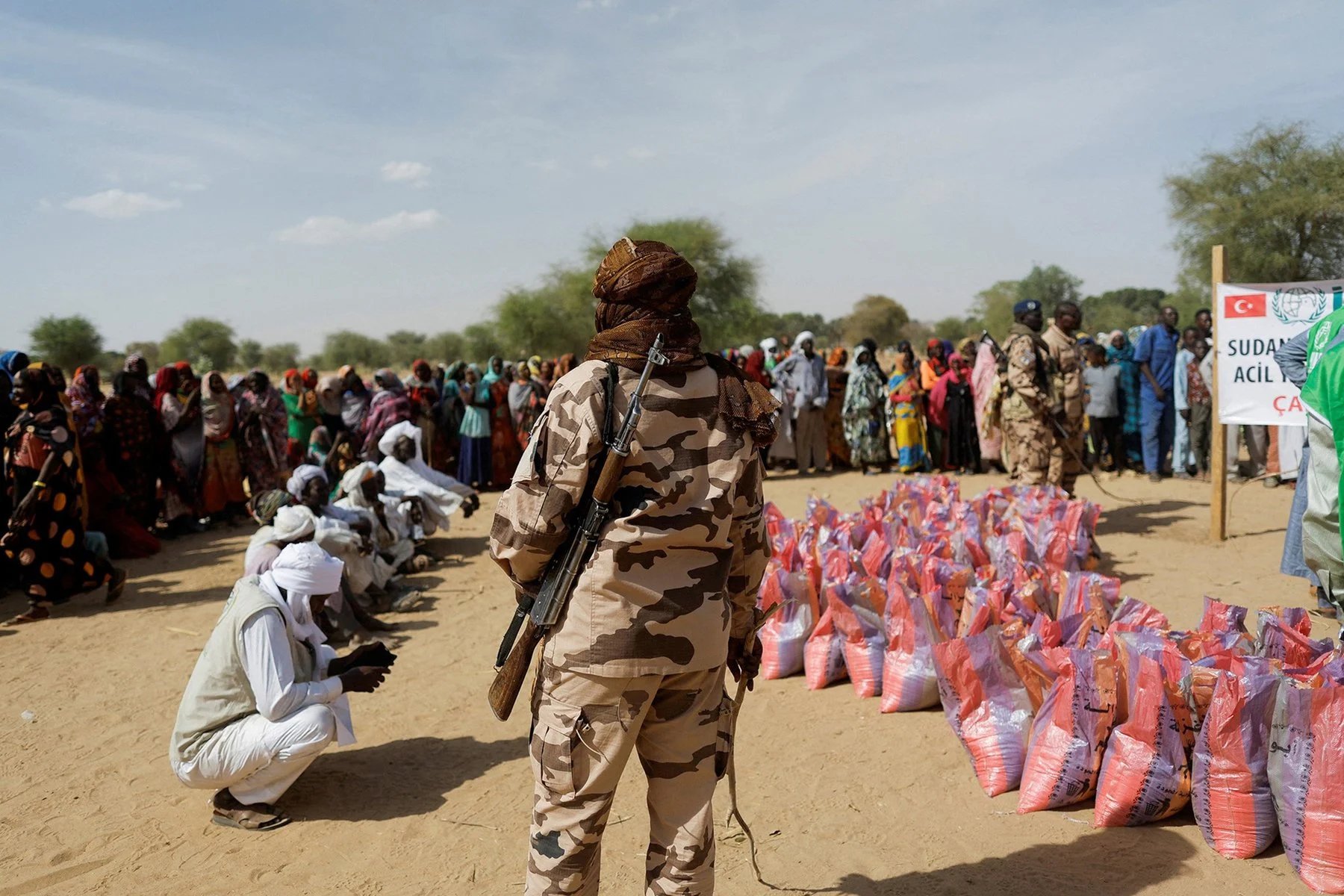
As international aid operations falter amid insecurity and bureaucratic barriers, local volunteers and grassroots networks have emerged as frontline responders, often risking their lives to provide food, medical assistance, and shelter in areas where formal aid agencies have withdrawn. Their efforts echo themes raised in our reporting on the failure of global powers to prevent renewed Darfur atrocities.
Humanitarian corridors remain disrupted, and relief convoys increasingly vulnerable to attack. The reliance on volunteers illustrates both the resilience of Sudanese civil society and the vacuum left by inconsistent international engagement.
The Human Cost and Call for Accountability
For countless Sudanese families, the cost of war has been devastating. Entire communities have been uprooted, infrastructure destroyed, and food insecurity intensified. The prolonged siege of cities like El Fasher has not only produced atrocities but also entrenched trauma that will shape the country for generations.
International bodies continue to call for accountability and civilian protection. Yet the gap between diplomatic resolutions and tangible relief remains wide. As the war persists, Sudan stands at the intersection of humanitarian catastrophe and geopolitical indifference.
What is required now is more than sanctions or statements. Sustained humanitarian access, credible regional diplomacy, and meaningful accountability mechanisms will determine whether Sudan moves toward stabilization or descends further into fragmentation.