
The United Nations General Assembly has overwhelmingly endorsed a landmark climate resolution backing the final advisory opinion of the International Court of Justice on states’ legal obligations to combat climate change, but India chose to abstain, exposing widening geopolitical fractures over climate accountability, fossil fuels, and economic sovereignty.
The resolution passed with 141 votes in favor, eight against, and 28 abstentions during a high-stakes UN General Assembly session at the UN headquarters in New York. The measure formally welcomed the ICJ’s historic 2025 advisory opinion, which declared that countries have binding obligations under international law to prevent environmental harm caused by greenhouse gas emissions.
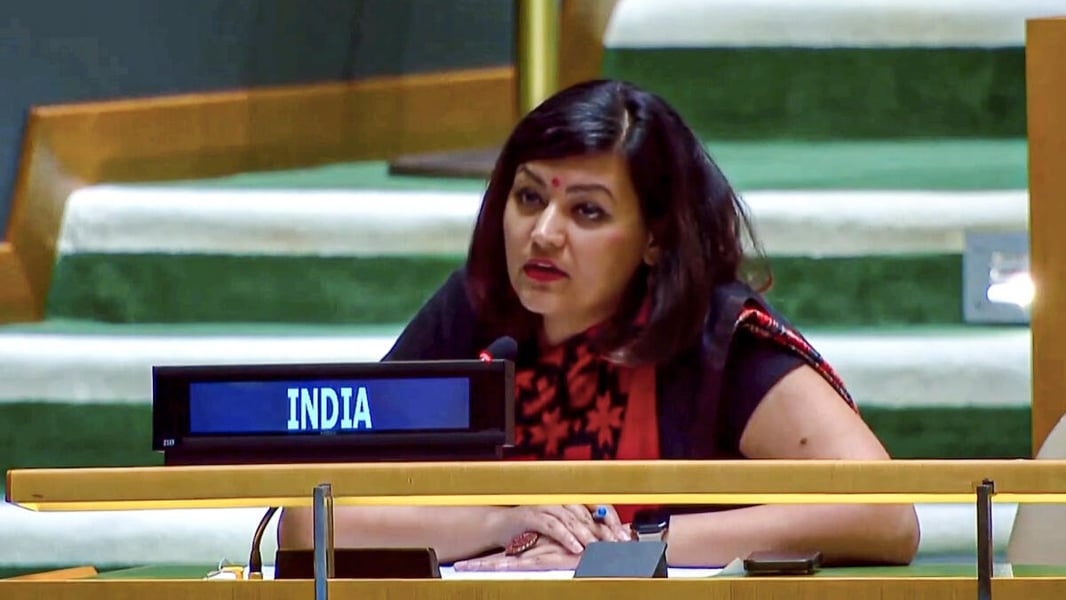
India’s abstention immediately drew international attention because New Delhi has long positioned itself as a leading voice of the Global South on climate equity. Yet Indian diplomats argued that the resolution risked undermining the existing United Nations Framework Convention on Climate Change architecture and could create quasi-binding obligations outside agreed multilateral negotiations.
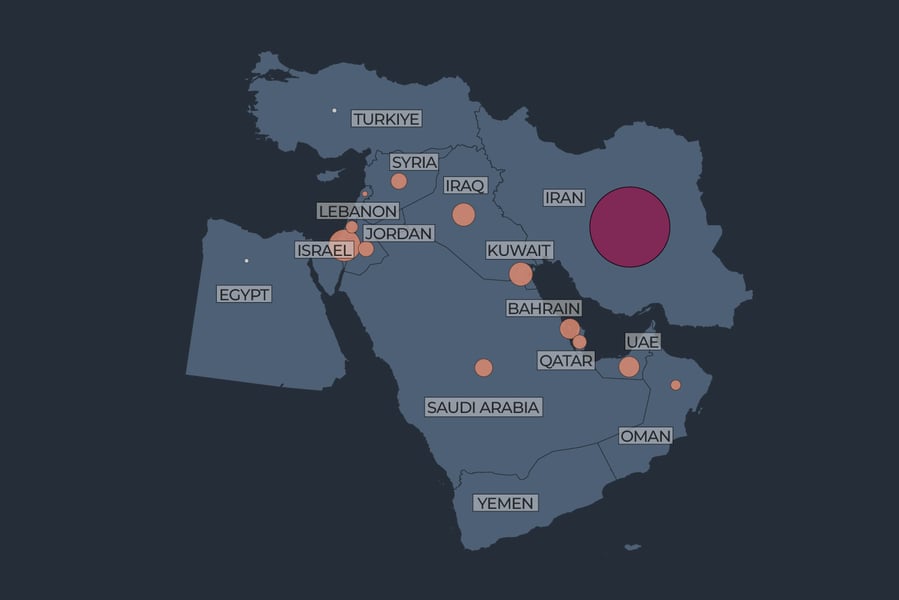
The vote also revealed an unusual geopolitical alignment. The US joined Russia, Saudi Arabia, Israel, Iran, Belarus, Yemen, and Liberia in opposing the resolution outright. Meanwhile, major developing economies and energy-producing states including India, Qatar, Nigeria, and Turkey abstained rather than endorse the text.
The resolution was spearheaded by the Pacific island initiative led by Vanuatu, which has emerged as a global symbol of climate vulnerability amid rising sea levels and intensifying natural disasters. Small island states and climate justice activists have spent years pushing for legal recognition that governments can be held accountable for environmental destruction linked to fossil fuel emissions.
At the heart of the controversy is the legal interpretation issued last year by the ICJ. Although technically non-binding, the opinion carries enormous legal and political weight because it came from the world’s highest judicial body. The court concluded that countries have obligations under international law to limit emissions, protect ecosystems, and prevent climate-related harm to vulnerable nations and populations.
Legal experts believe the opinion could influence climate litigation across the globe, potentially opening the door for compensation claims, environmental lawsuits, and judicial scrutiny of national climate policies.
India, however, warned that elevating the ICJ opinion through a UN resolution risks disturbing the carefully negotiated balance embedded within the multilateral negotiations framework of the Paris Agreement and the UNFCCC process. Indian officials argued that climate obligations must remain rooted in the principle of “common but differentiated responsibilities,” which recognizes that developed nations bear historical responsibility for the climate crisis and therefore should shoulder greater burdens.
In its formal explanation of vote, India’s Permanent Mission to the UN said the resolution “undermines the sacrosanct architecture” of the global climate framework by treating an advisory opinion as if it were binding international law. New Delhi also warned against judicial overreach into national policymaking and expressed concern that developing countries could face external pressure over emissions targets that were never multilaterally negotiated.
Indian diplomats specifically objected to language in the resolution that could invite judicial or quasi-judicial scrutiny of nationally determined contributions under the Paris Agreement. According to New Delhi, such provisions threaten national sovereignty and weaken the bottom-up structure that has defined international climate negotiations for years.
The US opposition was even more direct. Washington rejected provisions that could increase international oversight of domestic climate policy and criticized efforts to create expanded reporting mechanisms around legal obligations connected to fossil fuels. The move comes amid broader tensions surrounding US climate policy and environmental regulations under the Trump administration.
Climate campaigners viewed the vote as a major victory despite resistance from powerful economies. UN Secretary-General António Guterres praised the outcome as a reaffirmation of climate justice and international law, while advocacy groups argued the resolution increases pressure on governments and corporations tied to fossil fuel expansion.
The political symbolism of the vote may ultimately prove as important as its legal implications. For decades, climate diplomacy has largely revolved around voluntary pledges and consensus-based negotiations. The ICJ opinion changes that conversation by framing climate inaction not only as a policy failure but potentially as a breach of international legal obligations.
That shift is particularly alarming for countries heavily dependent on oil, gas, and coal. Several governments fear that climate litigation could evolve into a new mechanism for imposing financial liabilities, reparations claims, or restrictions on industrial growth.
India’s position reflects a broader tension within the developing world. While countries across Asia, Africa, and Latin America are among the most vulnerable to climate disasters, many also remain dependent on fossil fuels to sustain industrialization, poverty reduction, and energy access for growing populations.
New Delhi has repeatedly argued that Western nations built their prosperity through centuries of carbon-intensive development and cannot now impose restrictive climate standards on emerging economies without providing substantial financing and technology transfers. India has also accelerated renewable energy investments domestically while continuing to defend its right to maintain energy security through coal and other conventional sources.
The abstention therefore appears less like a rejection of climate action and more like resistance to what India perceives as an evolving legal framework that could disproportionately constrain developing economies. Analysts say India’s move was carefully calibrated to avoid openly siding with the US-led opposition bloc while still signaling discomfort with the resolution’s implications.
The broader geopolitical backdrop also shaped the debate. Relations between major powers remain strained over trade disputes, sanctions, wars, and energy markets. Many developing countries are increasingly skeptical of Western-led climate narratives, especially when they intersect with industrial policy, trade barriers, and geopolitical competition.
The resolution’s adoption nevertheless marks another milestone in the growing movement to internationalize climate accountability through courts and international legal institutions. Environmental organizations have already begun citing the ICJ opinion in lawsuits involving emissions targets, fossil fuel approvals, and climate-related damages.
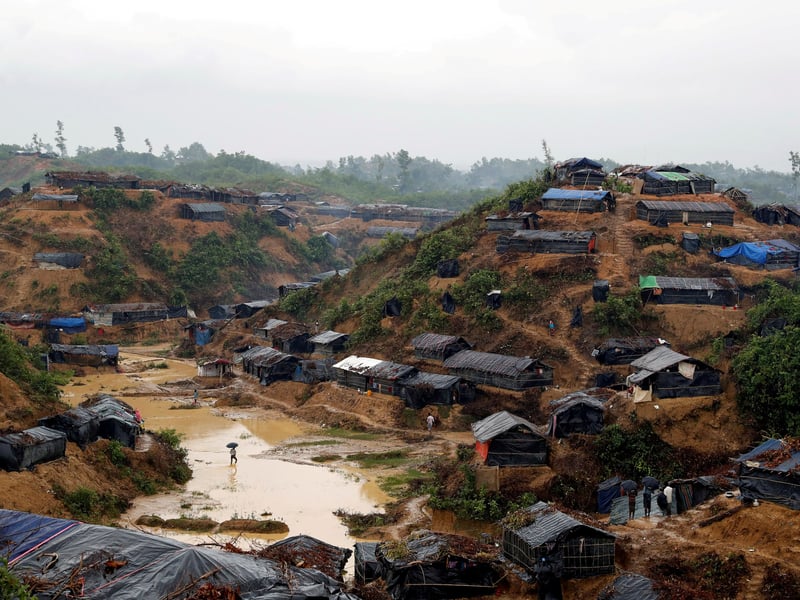
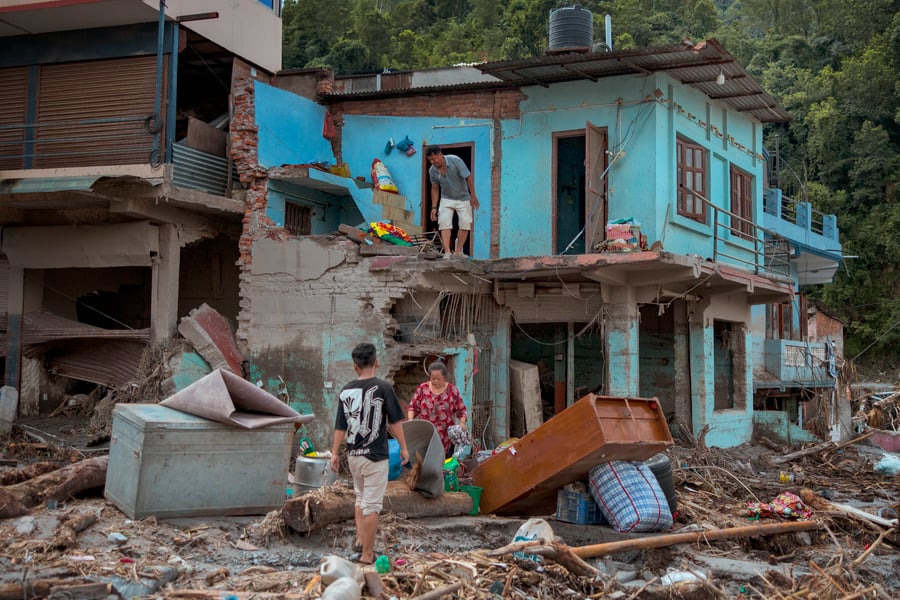
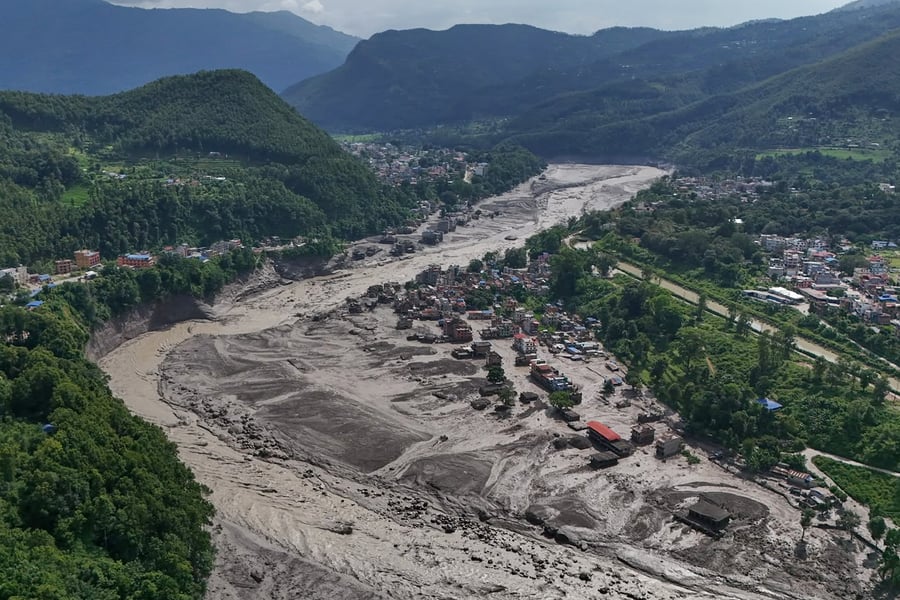
For vulnerable island nations, the vote represented years of diplomatic struggle finally gaining global recognition. Pacific states have argued that rising seas and extreme weather threaten their very existence, making climate change not merely an environmental issue but a matter of sovereignty and survival.
Vanuatu’s leadership on the issue transformed a campaign once dismissed as symbolic into one capable of reshaping global legal discourse. The overwhelming support at the UN General Assembly suggests that much of the international community is increasingly willing to view climate change through the lens of legal responsibility rather than voluntary political commitments alone.
Whether the resolution leads to direct legal consequences remains uncertain. ICJ advisory opinions are not automatically enforceable, and countries retain significant control over domestic climate policy. Yet the political momentum generated by the vote is likely to fuel more aggressive climate litigation, stronger activist campaigns, and growing pressure on governments viewed as obstructing emissions reductions.
For India, the abstention highlights the difficult balancing act facing emerging powers in a rapidly changing climate order. New Delhi wants to maintain its image as a champion of the Global South while also protecting economic flexibility, energy security, and strategic autonomy in an increasingly polarized world.
The UN vote demonstrated that climate politics is no longer confined to environmental diplomacy. It is now deeply intertwined with sovereignty, international law, development rights, energy security, and the future balance of global power.