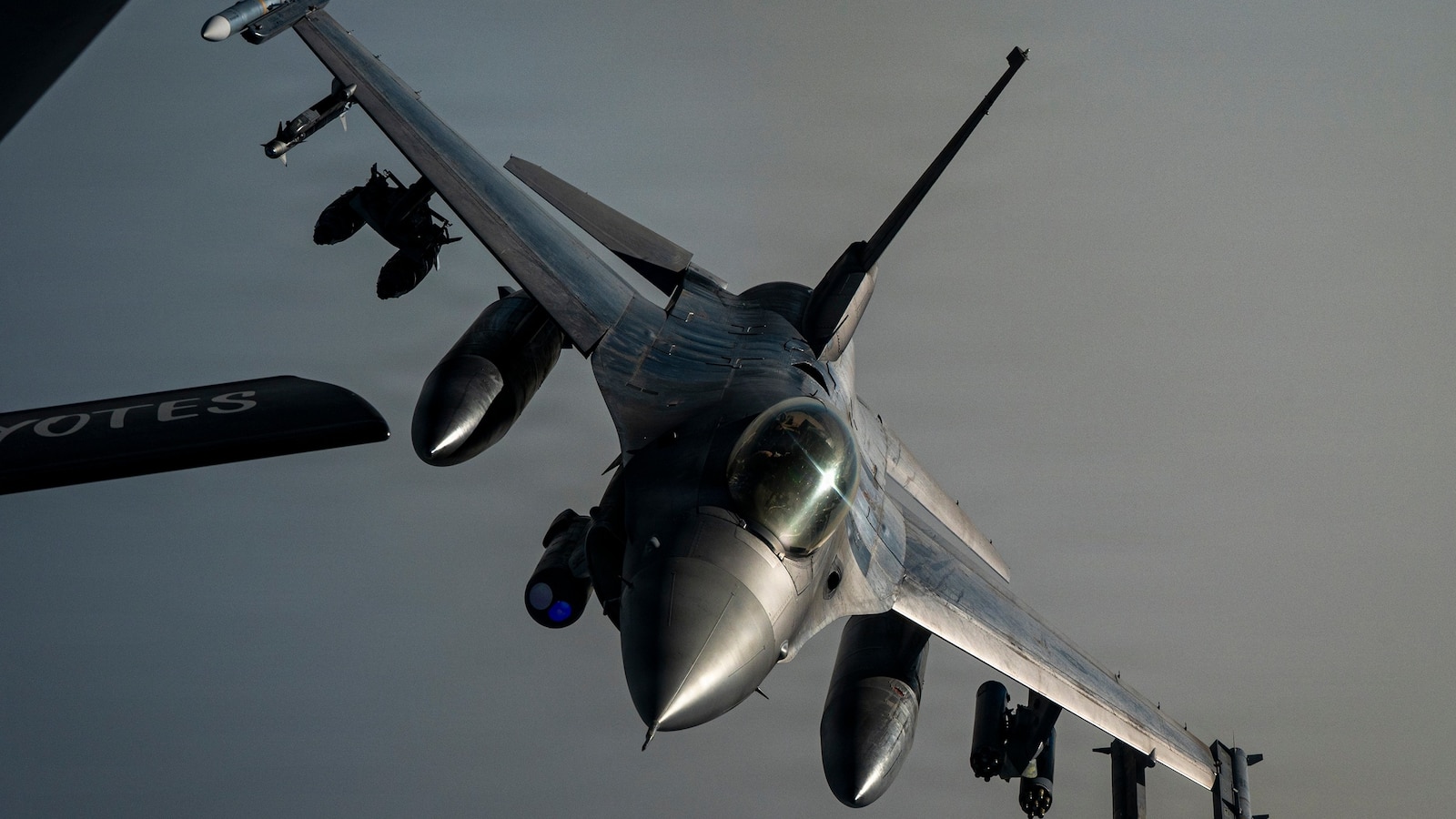
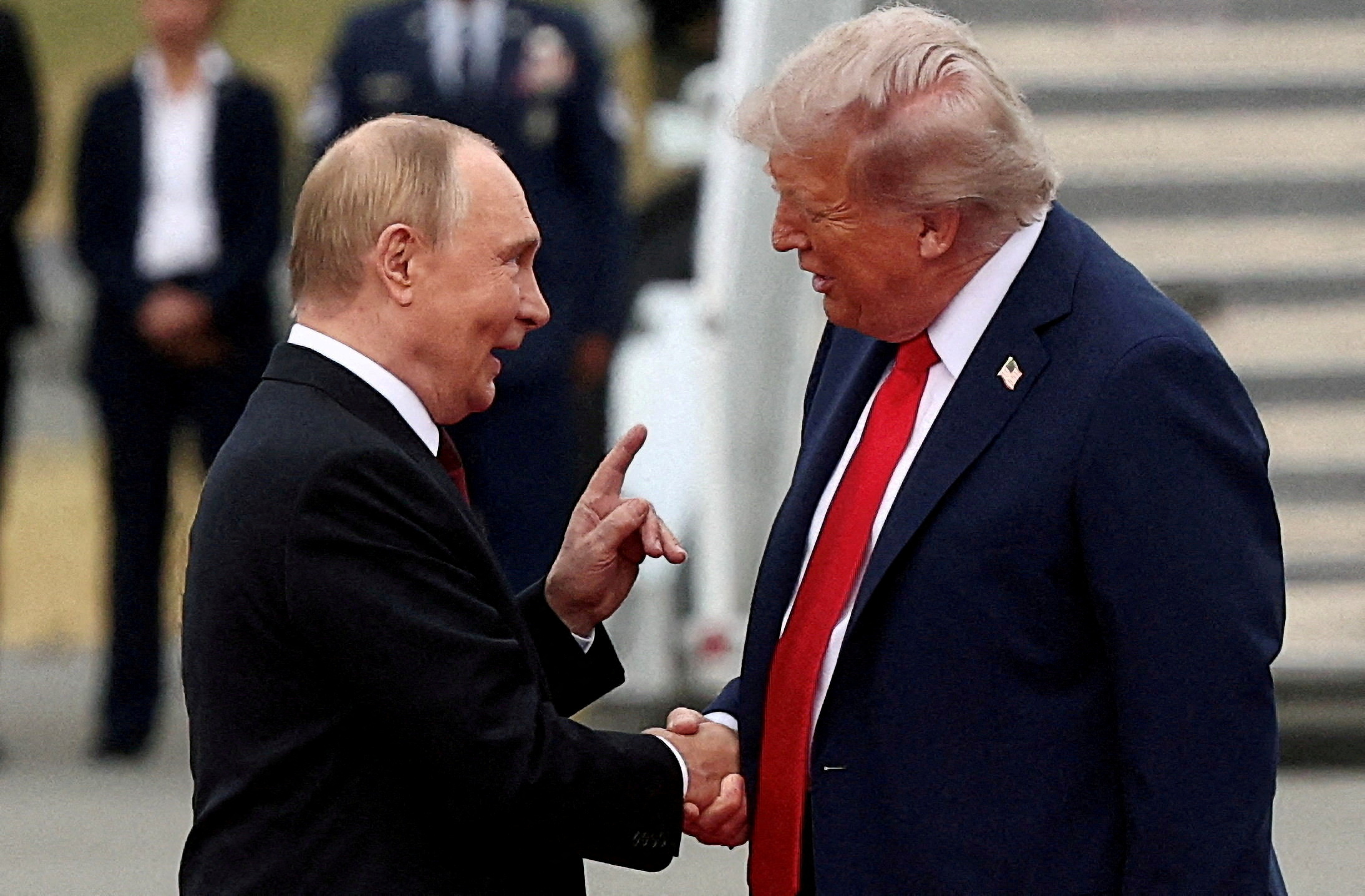
Wall Street climbed on renewed optimism that diplomatic channels may ease tensions surrounding the escalating conflict involving Iran, even as energy markets signaled that geopolitical risk remains firmly embedded in global pricing.
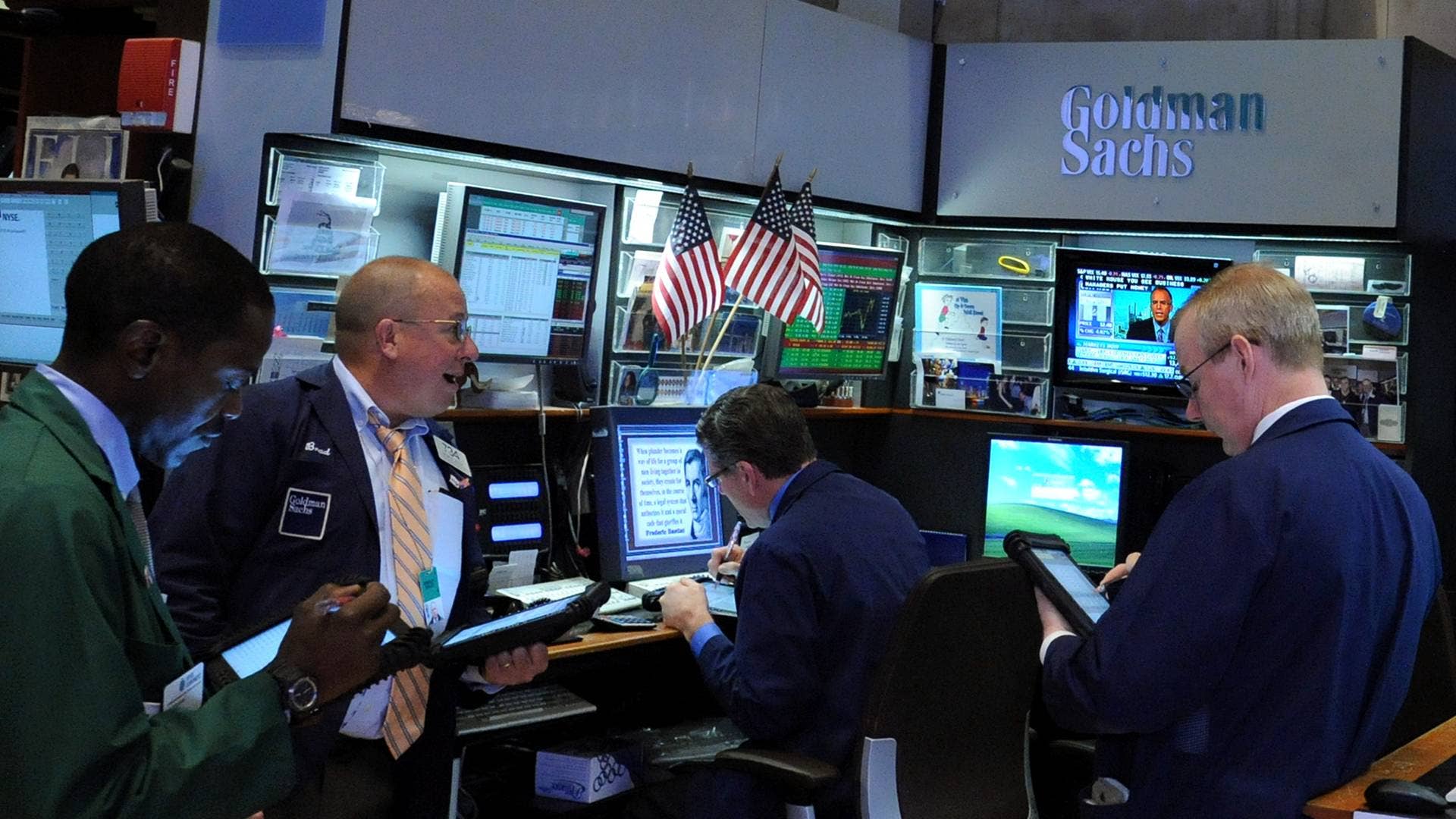
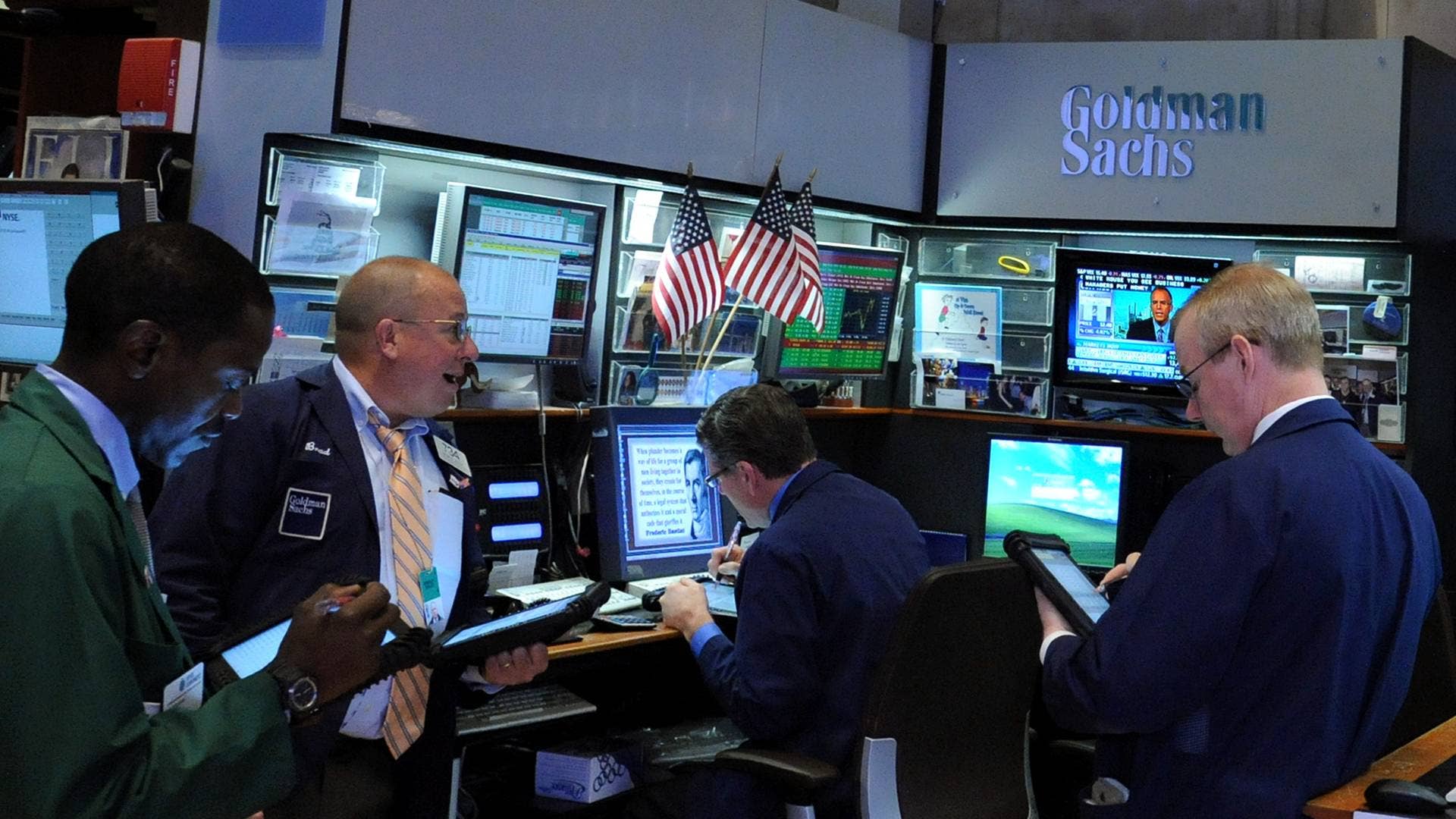
The Dow Jones Industrial Average, the S&P 500, and the Nasdaq Composite each advanced in early trading, reversing part of the sharp losses triggered earlier this week. The rebound on renewed optimism came alongside stronger-than-expected US labor data, reinforcing the narrative that the American economy remains resilient despite intensifying geopolitical stress.
Markets are now moving at the intersection of two powerful forces: the specter of wider war in the Middle East and a domestic economy that continues to produce jobs at a pace few had forecast at the start of the year.
Diplomacy, Not Just Data, Drives the Rally
Investors seized on reports suggesting that back-channel diplomatic outreach may be underway to prevent further escalation. Wall Street futures earlier reflected Middle East uncertainty, but sentiment shifted as traders recalibrated expectations.
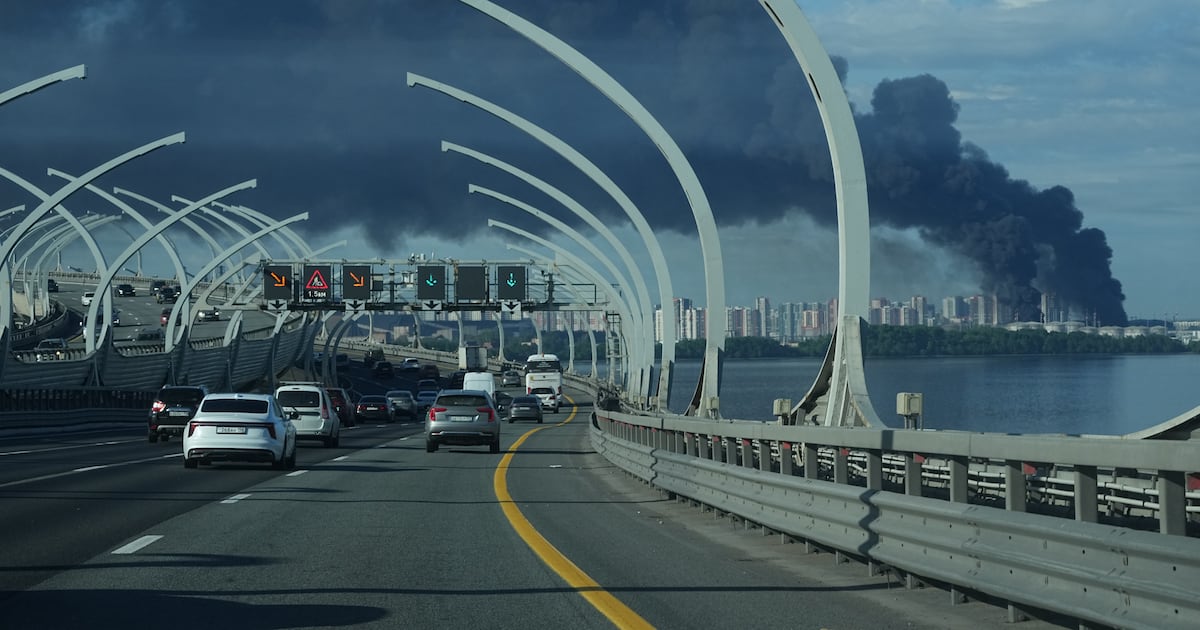
Earlier in the week, crude oil prices surged amid fears of supply disruptions tied to the Strait of Hormuz, a critical artery for global energy shipments. Those moves contributed to sharp losses triggered earlier this week across global equity markets.
The rally reflected a recalibration rather than full confidence. A similar tone was echoed in coverage of rebound on renewed optimism as traders balanced diplomatic headlines against macroeconomic strength.
Jobs Data Reinforces Economic Strength
The optimism was reinforced by fresh labor market figures showing job creation outpacing expectations. The data tempered immediate fears that energy-driven inflationary concerns would derail the recovery.
The bond market reflected a recalibration in rate expectations, as Treasury yields ticked higher and traders reassessed the path of monetary policy.
Oil’s Shadow Over Equities
Energy remains the critical variable. Oil prices remain elevated compared to levels seen before the escalation, a dynamic also highlighted in Financial Times analysis of how oil prices remain elevated amid ongoing tensions.
Earlier volatility followed oil prices surged sharply during the height of the confrontation, triggering defensive positioning across global markets.
Higher oil prices function like a tax on growth, squeezing margins and complicating the Federal Reserve’s path forward.
Volatility Is the New Baseline
The market remains headline-driven. As investors are watching next developments in both diplomacy and macroeconomic releases, volatility is likely to persist. Similar dynamics were noted in The Wall Street Journal’s report that investors are watching next signals tied to Iran tensions and energy markets.
Institutional investors continue to hedge aggressively, balancing selective dip-buying with downside protection strategies.
A Market Defined by Contradiction
The US economy appears resilient, yet geopolitical risk has re-entered the financial system with force. Markets are responding not only to earnings and labor data but to diplomatic signals and military developments that can shift sentiment within minutes.
If de-escalation becomes tangible, equities could extend gains. If tensions intensify, volatility may return swiftly. For now, Wall Street stands at a crossroads, navigating between war risk and economic strength, between inflation pressures and policy flexibility.