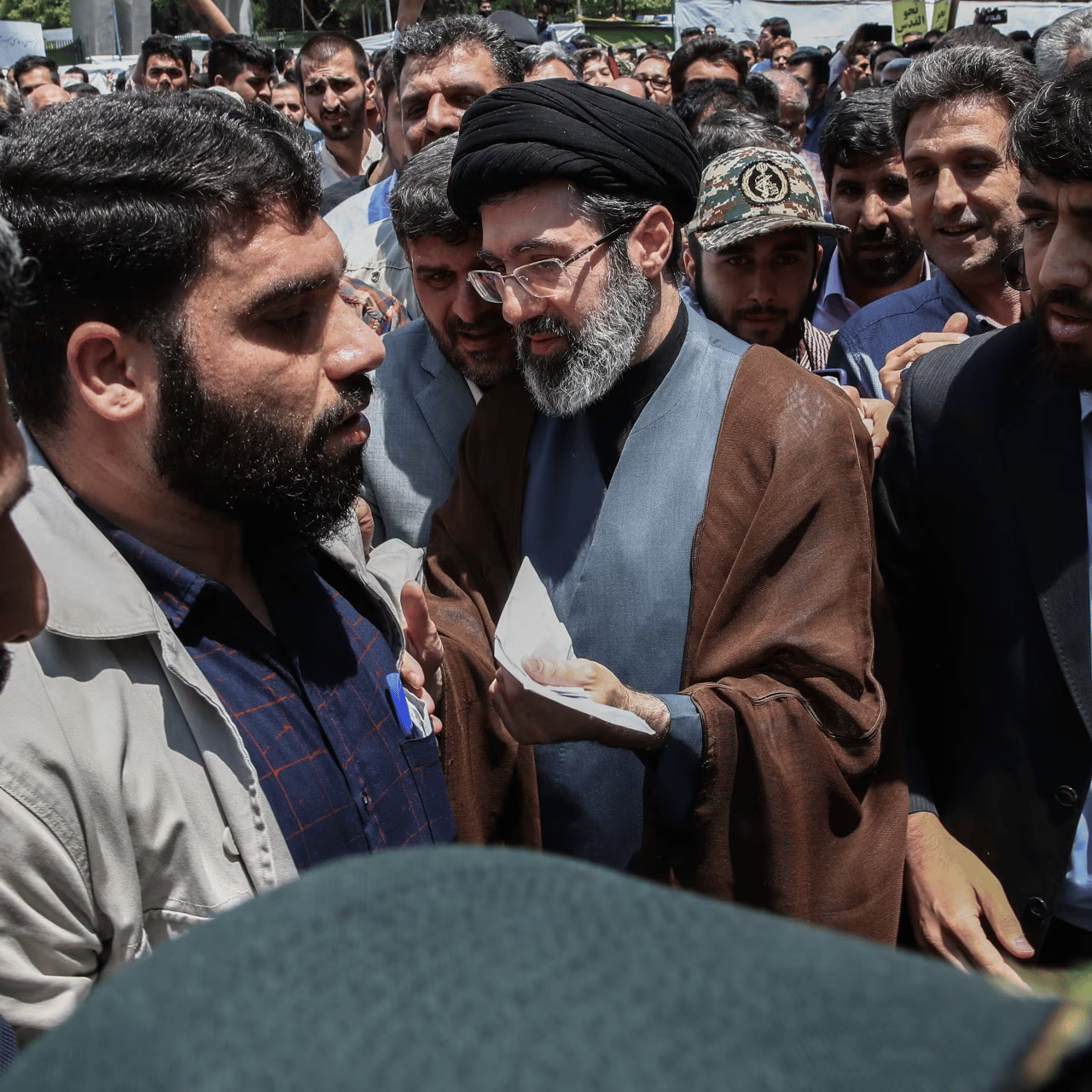
TEHRAN — Iran’s powerful Islamic Revolutionary Guard Corps (IRGC) has pledged full allegiance to the country’s newly appointed Supreme Leader, Ayatollah Mojtaba Khamenei, in a move that signals a rapid consolidation of power in Tehran as the region reels from a devastating war that began when Israel attacks Iran in a sweeping military campaign.
The statement from the IRGC came days after Iran’s Assembly of Experts announced that Mojtaba Khamenei would succeed his father, Ayatollah Ali Khamenei, who was killed in coordinated US and Israeli strikes targeting senior Iranian leadership in Tehran. The attack marked one of the most consequential escalations in Middle Eastern geopolitics in decades and immediately triggered fears of a wider regional war.
According to Iranian state broadcaster IRIB, the IRGC declared that it stands ready to carry out the directives of the new supreme leader and to defend the ideological foundations of the Islamic Republic.
“The IRGC of Iran, supporting the decision of the esteemed Council of Experts, is prepared to pledge complete allegiance to Ayatollah Mojtaba Khamenei,” the statement said, emphasizing the force’s commitment to preserving the legacy of the Islamic Revolution and the leadership of Imam Ruhollah Khomeini and Ayatollah Ali Khamenei.
The endorsement from the Revolutionary Guard is widely regarded as decisive in Iran’s political system. The IRGC commands some of the country’s most powerful military forces and oversees extensive economic and intelligence networks. Its loyalty has historically been essential to maintaining political stability during periods of national crisis.
The leadership transition occurred amid a dramatic escalation of hostilities across the Middle East. The war erupted after US and Israeli airstrikes targeting Iran struck multiple strategic sites, including command infrastructure and military facilities. The strikes were part of a broader operation aimed at crippling Iran’s defense network and eliminating senior leadership figures.
Reports indicate that the coordinated assault involved large-scale aerial bombardments and precision strikes against dozens of targets across Iran. Analysts say the operation appeared designed to destabilize Iran’s command structure in what many observers described as a “decapitation strike” against the country’s political leadership.
Within hours of the attack, Iran’s constitutional mechanisms for succession were activated. The Assembly of Experts convened an emergency session to select a new supreme leader, eventually naming Mojtaba Khamenei as the country’s third leader since the 1979 Islamic Revolution.
International media reported that Mojtaba Khamenei had been elected the new Supreme Leader, placing him at the center of Iran’s wartime leadership and strategic response.
The appointment represents an unprecedented moment in Iranian political history. Mojtaba Khamenei, long considered an influential figure within the country’s clerical and security establishment, becomes the first individual to succeed his father as supreme leader.
Observers note that Mojtaba Khamenei, the second son of the late supreme leader, has maintained close ties with the IRGC and key clerical networks for years, despite holding no formal elected office.
His elevation has sparked intense international scrutiny. Supporters inside Iran portray the transition as a symbol of continuity and resilience during wartime. Critics abroad, however, have questioned whether the move signals a shift toward hereditary leadership within a system originally founded on revolutionary ideals.
The IRGC’s swift endorsement appears designed to remove any uncertainty about the legitimacy of the transition.
The Revolutionary Guard, established shortly after the 1979 revolution to defend the Islamic system, has evolved into one of the most powerful institutions in the country. Its influence extends far beyond the battlefield, shaping Iran’s political decision-making and economic infrastructure.
Analysts say that the military organization’s loyalty will play a decisive role as Iran confronts intensifying military pressure from Israel and the United States.
The conflict itself has rapidly expanded across the region. According to international reports, Israeli officials have suggested that any successor to Ali Khamenei could also become a target if hostilities continue to escalate.
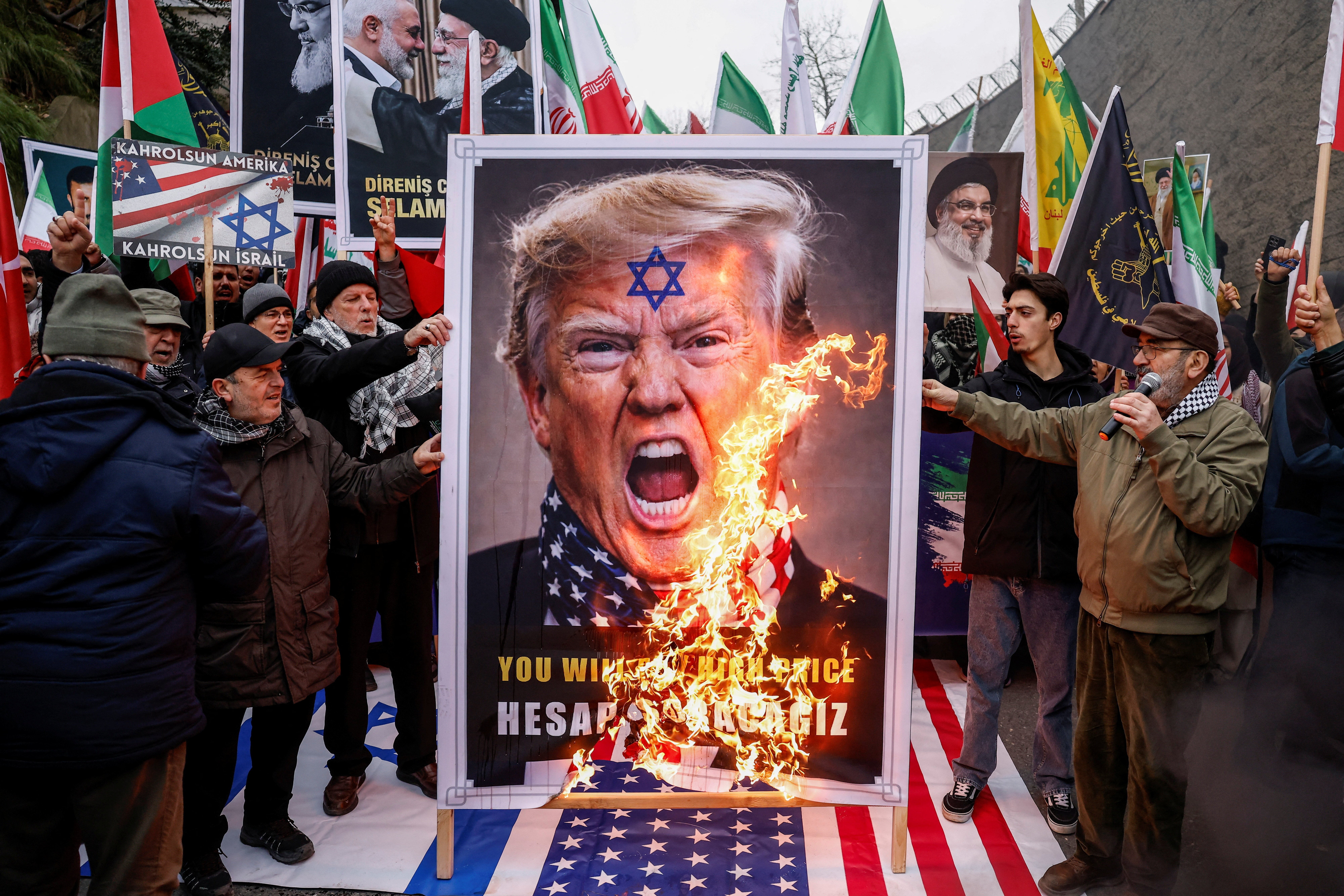
Such statements have fueled anger in Tehran, where officials have vowed that the country will continue resisting foreign attacks.
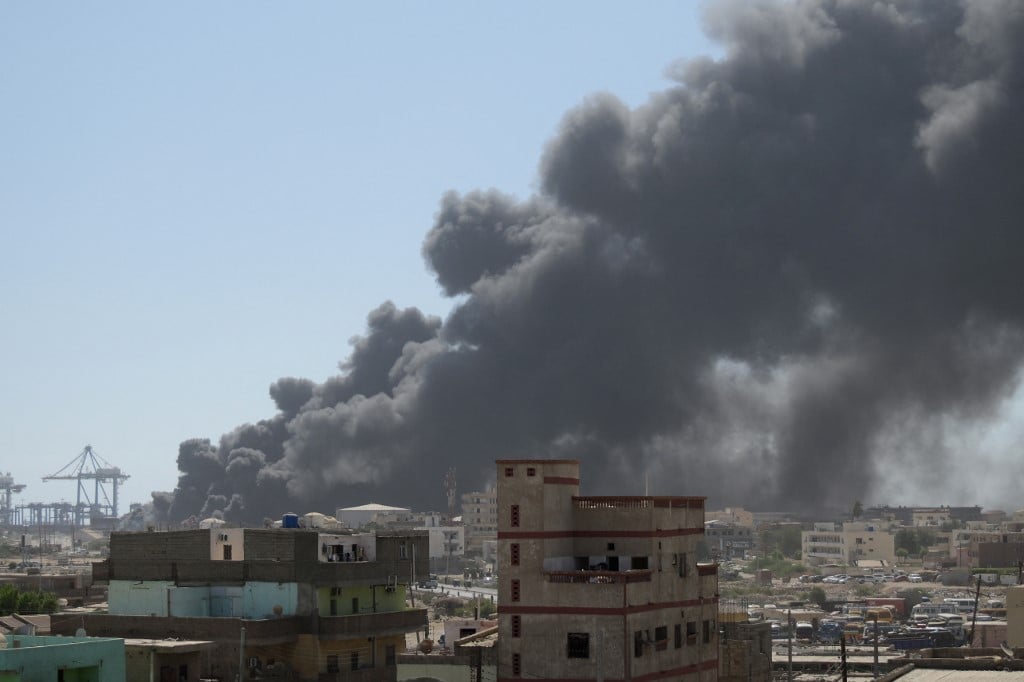
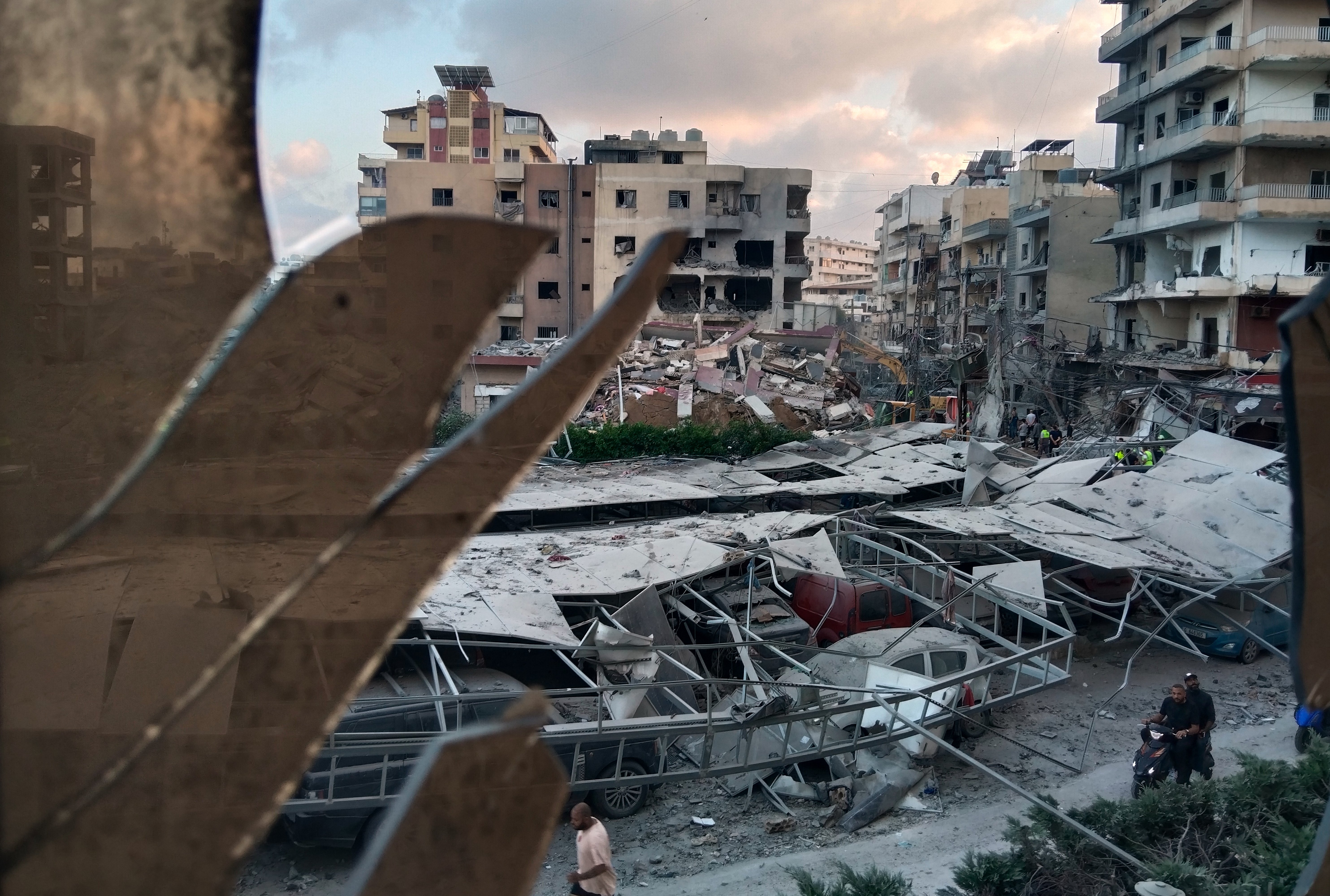
The violence has already produced devastating consequences. Israeli air raids have struck missile bases, command centers, and strategic infrastructure across Iran. At the same time, Iranian forces have responded with missile barrages and drone attacks targeting Israeli territory.
The broader confrontation has also spilled beyond Iran and Israel. Armed groups aligned with Tehran across the region have entered the conflict, raising fears that the war could engulf multiple countries.
Earlier reports indicated that rocket attacks on US military installations in Iraq were carried out by regional armed factions aligned with Iran, illustrating how quickly the confrontation has expanded beyond the initial battlefield.
Meanwhile, Iranian military retaliation has intensified across multiple fronts. Tehran has reportedly launched waves of missiles toward Israeli cities in response to the attacks.
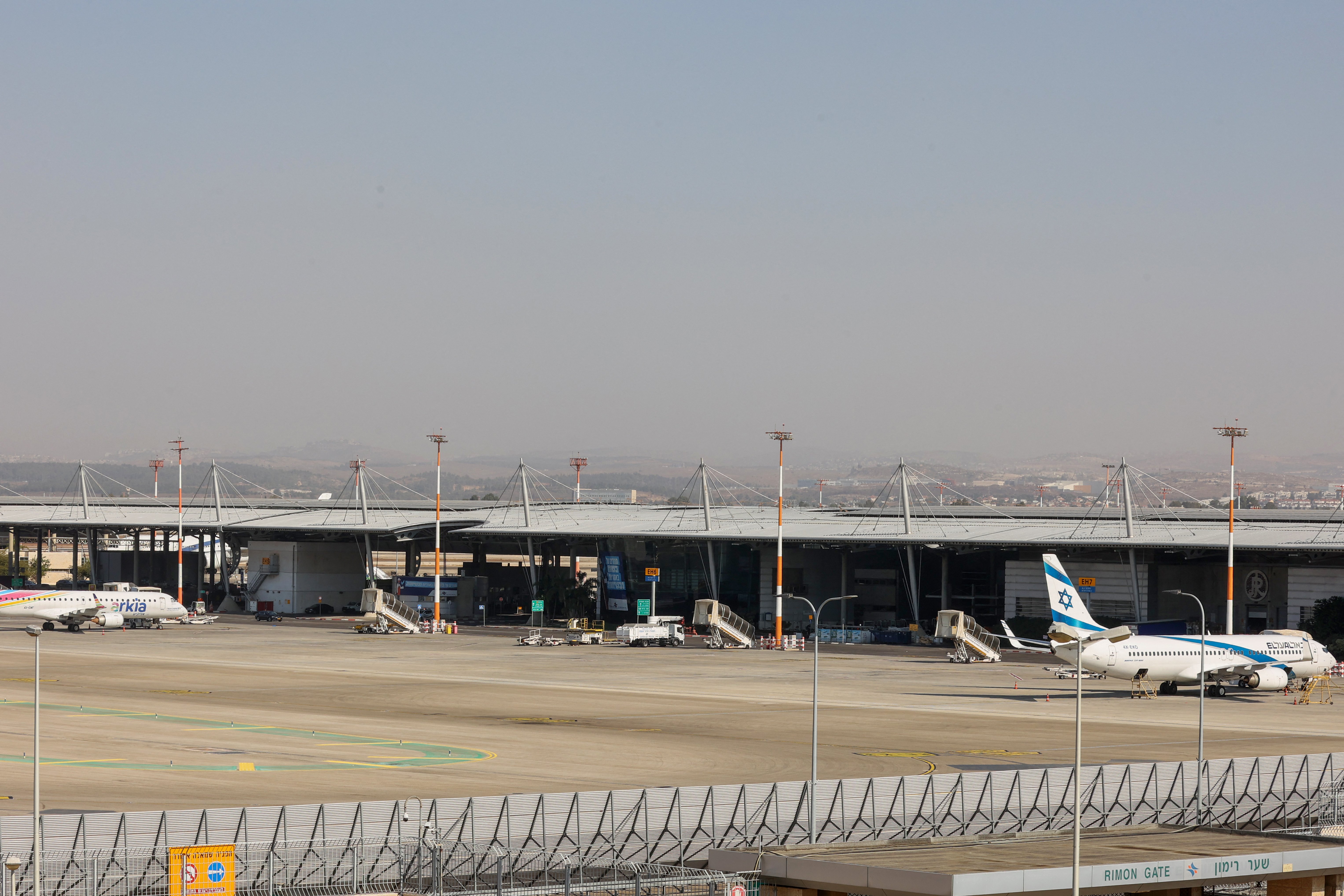
Several reports described Iranian missile strikes on Israeli cities, forcing civilians into shelters as air-raid sirens echoed across Tel Aviv and other major urban centers.
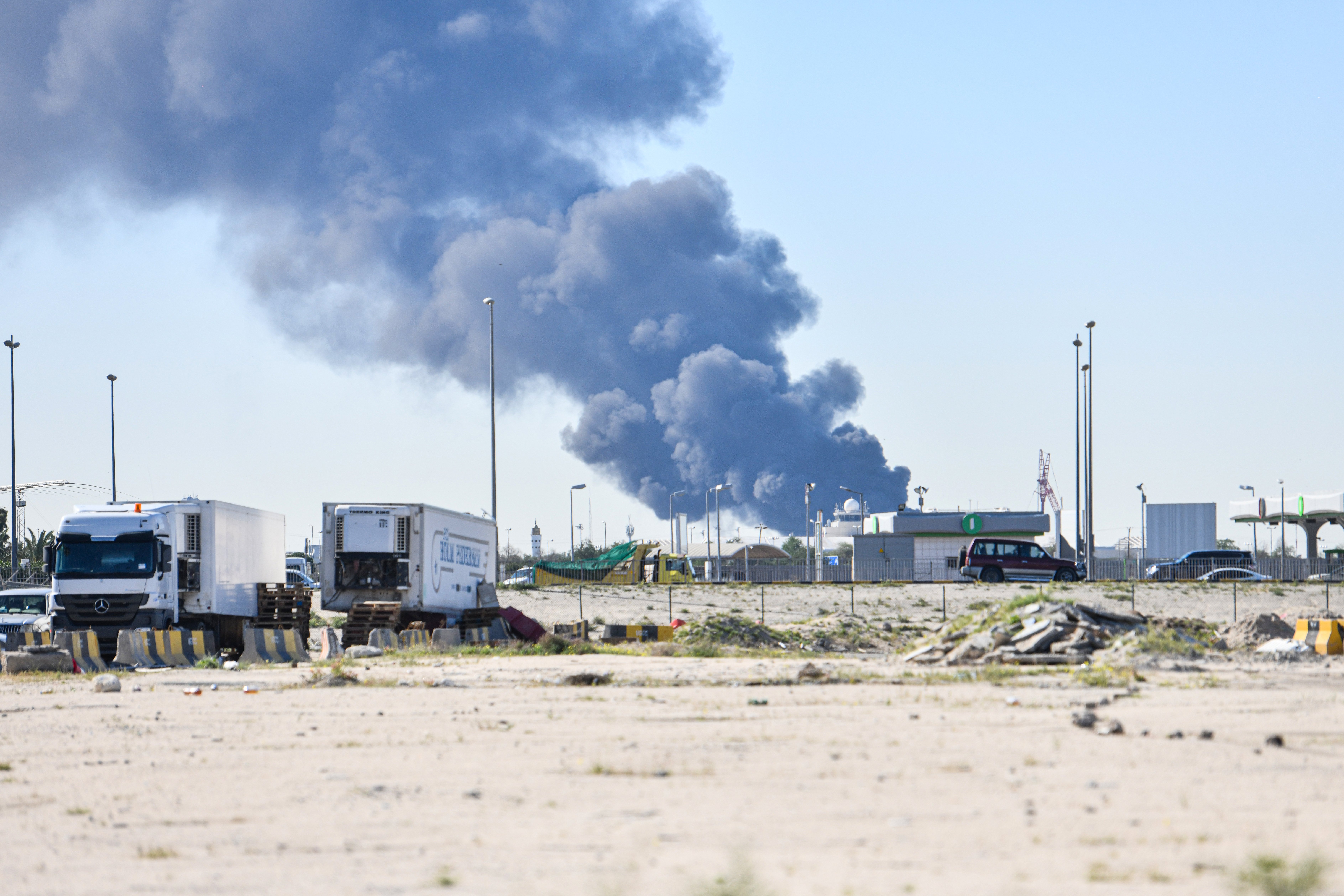
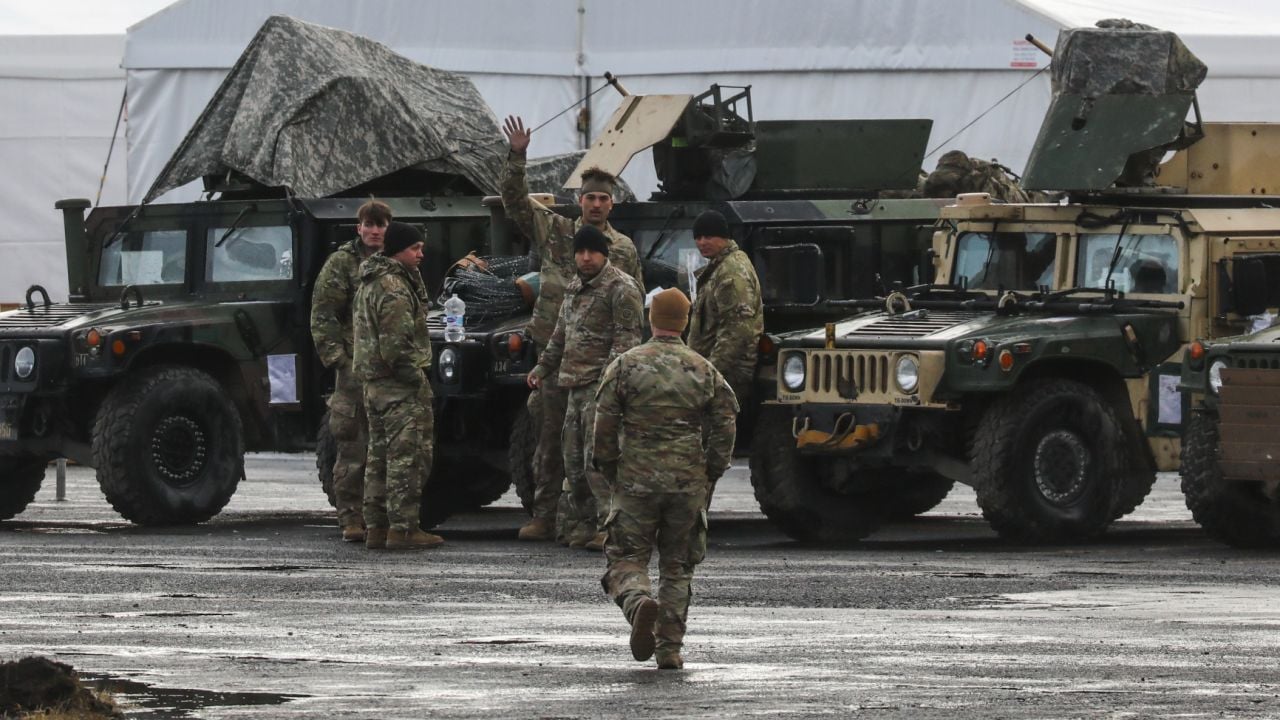
Iran’s expanding retaliation has also targeted American military positions across the region. According to reports from the battlefield, Iranian forces conducted IRGC drone strikes on a US air base in the UAE, dramatically raising the stakes of the confrontation.
The conflict’s rapid escalation has drawn concern from governments around the world. Several European officials have warned that the ongoing strikes risk violating international law and could ignite a broader war.
International analysts say the crisis also reflects deeper geopolitical tensions surrounding Iran’s nuclear program and the country’s expanding missile capabilities.
For years, Western governments have accused Tehran of pursuing nuclear weapons, a claim Iranian authorities have repeatedly denied.
The economic and strategic implications of the war are equally profound. Iran holds some of the largest energy resources in the world, and disruptions to its production could have major consequences for global markets.
Some analysts argue that the geopolitical struggle is also tied to control over Iran’s vast oil reserves, which remain a crucial factor in the country’s strategic importance.
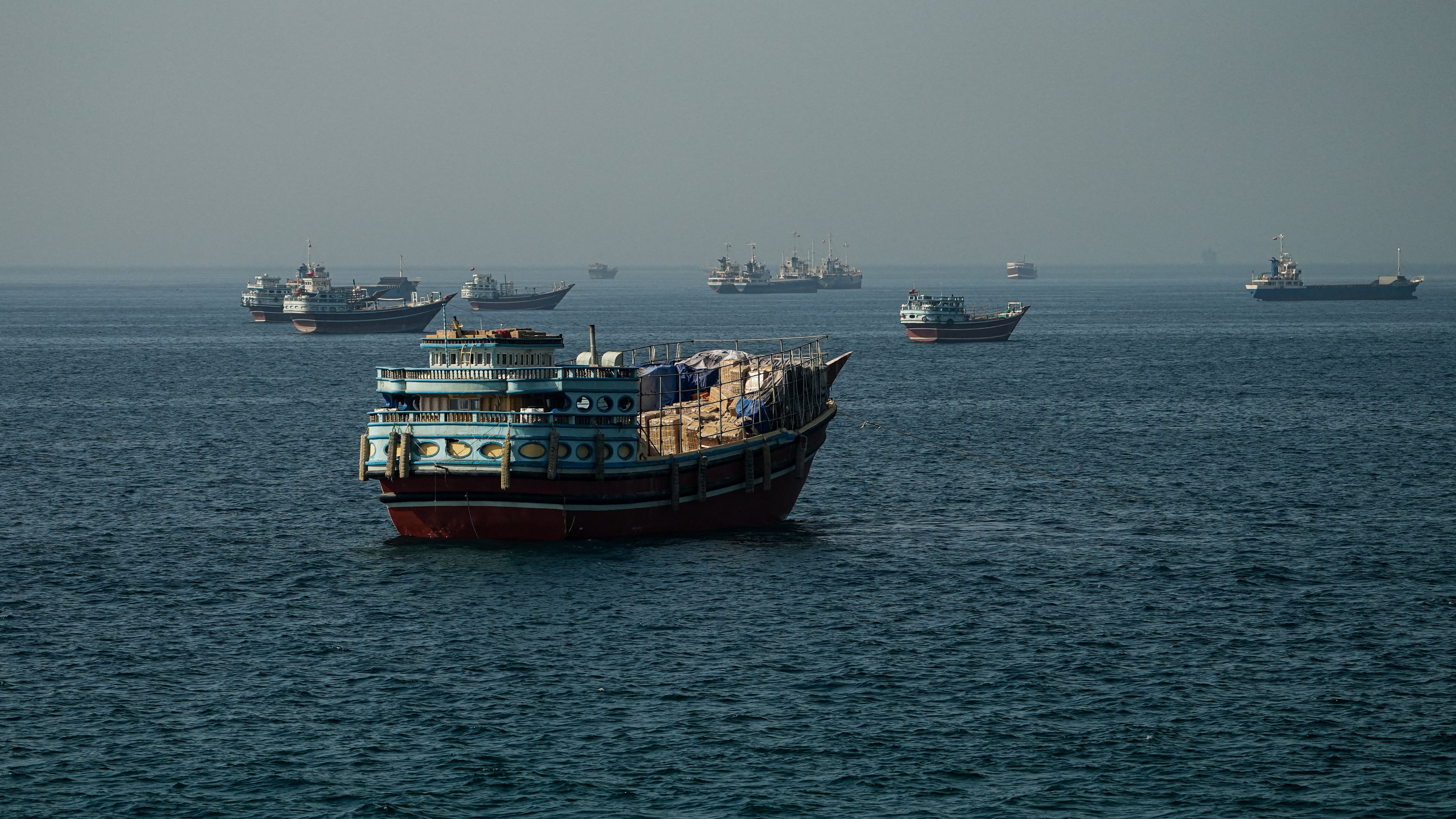
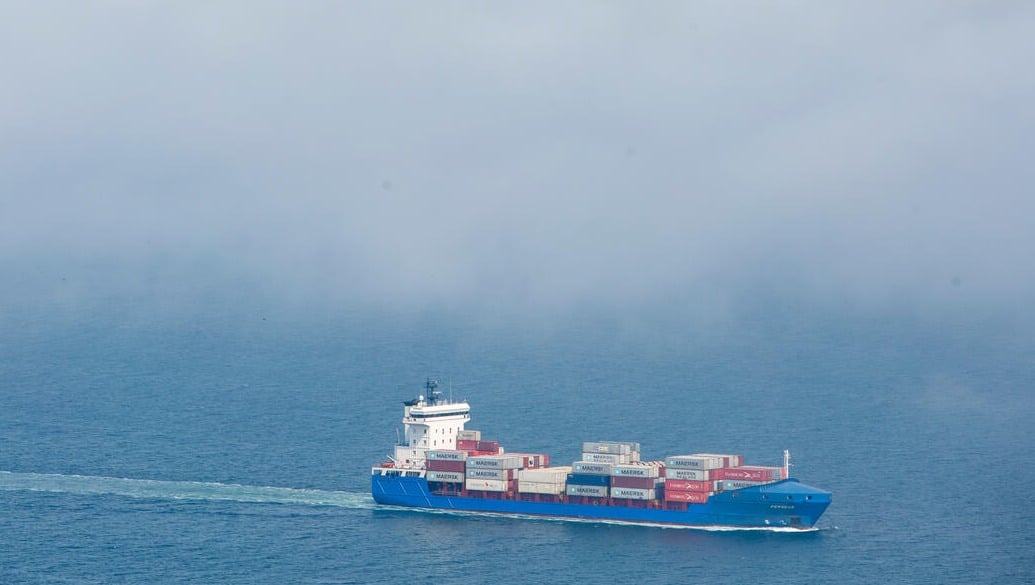
The war has already begun to disrupt shipping lanes and energy infrastructure across the Persian Gulf. Military analysts warn that any further escalation could threaten vital global trade routes.
At the same time, the conflict is reshaping Iran’s internal political landscape. Some observers believe the crisis could strengthen hard-line factions within the country, particularly those closely aligned with the Revolutionary Guard.
Others warn that prolonged war could deepen internal divisions within the Iranian elite as competing factions debate how to respond to the mounting pressure.
For now, however, Tehran’s official message remains one of unity and defiance.
The IRGC’s statement reaffirmed its commitment to defending the Islamic Republic and following the guidance of the new supreme leader.
“Our path remains the path of the Islamic Revolution,” the statement declared. “We will protect the legacy of the Imams of the Revolution and obey the directives of the Supreme Leader.”
As the war between Iran and Israel continues to intensify, the loyalty of the Revolutionary Guard may prove to be one of the most decisive factors shaping both the outcome of the conflict and the future direction of the Islamic Republic itself.