TEHRAN — The death toll from the escalating war between Iran and the US-Israel military coalition has surged, with Iranian emergency authorities reporting that more than 500 people have been killed and thousands injured in the capital since the conflict began.
Mohammad Esmail Tavakoli, head of Tehran’s ambulance service, said Monday that at least 503 people have died and around 5,700 others have been wounded in war-related incidents across the city. The figures represent one of the most detailed casualty assessments released by Iranian emergency services since the outbreak of the war.
“To date, we have had 5,700 casualties, and 503 people have died as a result of war-related incidents,” Tavakoli said, according to Iranian media reports.
The mounting toll underscores the deepening humanitarian crisis inside Iran’s capital as airstrikes continue to hit military facilities, infrastructure and surrounding areas. Tehran, a sprawling metropolis of nearly 10 million residents, has endured repeated waves of bombardment since the conflict began in late February.
Capital Under Fire
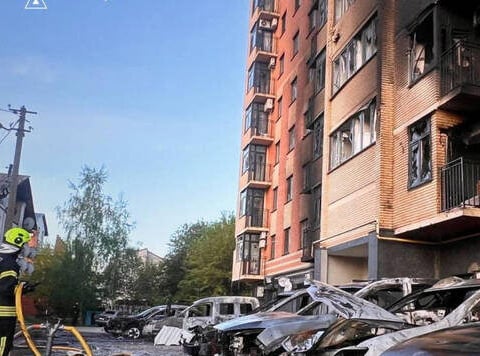
Residents in several districts of Tehran reported hearing powerful explosions throughout the night during successive bombing campaigns. Buildings shook in western parts of the city as blasts echoed across densely populated neighborhoods.
The conflict began after coordinated airstrikes widely described as pre-emptive attacks by Israel and the United States on Iranian territory, targeting military installations and strategic infrastructure across multiple provinces.
According to Reuters reporting, hundreds of targets were struck during the opening phase of the campaign, marking one of the largest direct military confrontations between Iran and Israel in decades.
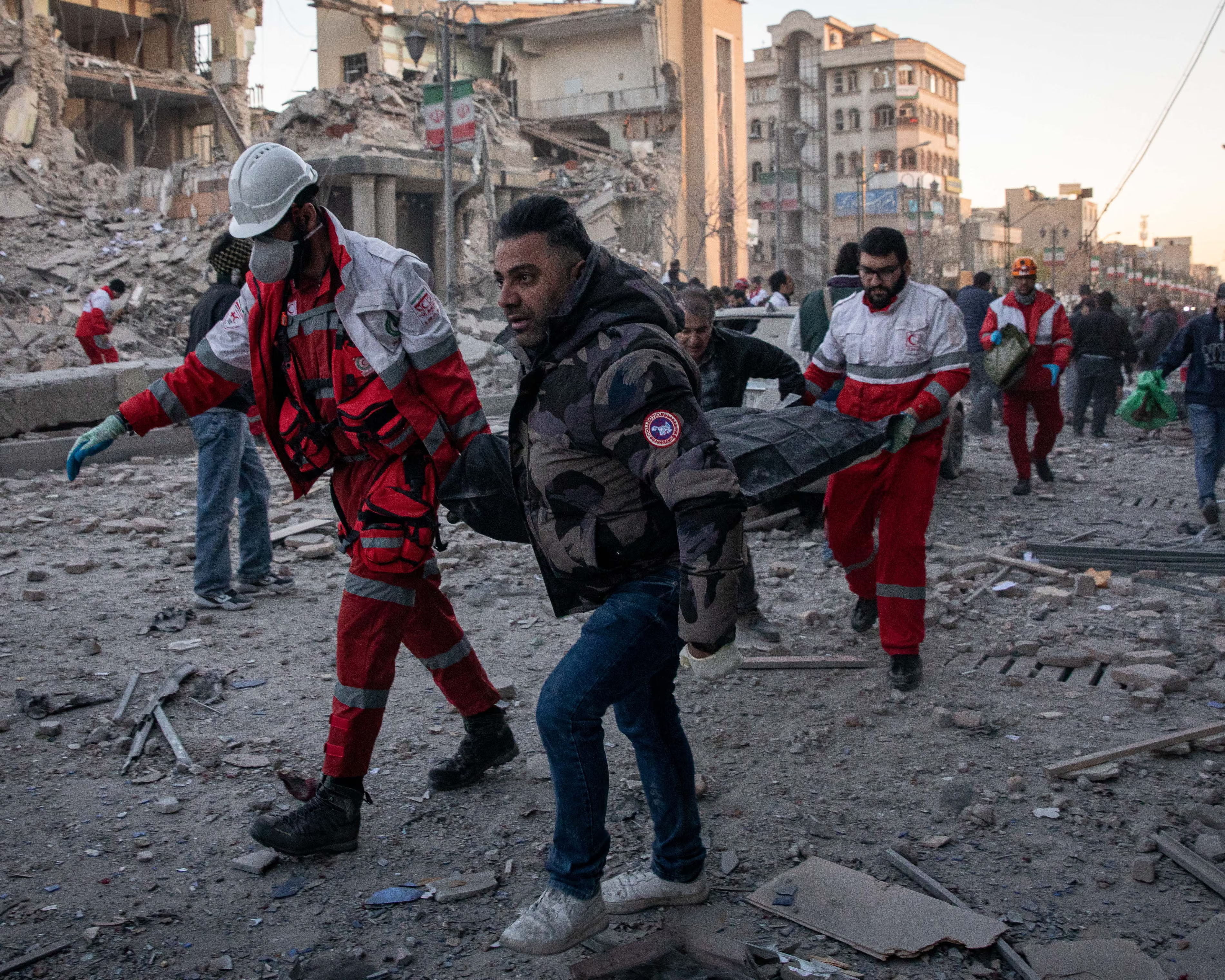
Iranian officials say the strikes have frequently occurred close to residential areas, leaving civilians among the dead and wounded. The capital’s emergency response teams have been overwhelmed as ambulances race across the city responding to multiple blast sites.
Tehran’s ambulance service has been operating under extraordinary pressure, responding to thousands of calls since the bombing campaign intensified.
Hospitals Under Severe Strain
Hospitals across Tehran are struggling to cope with the influx of wounded civilians.
Doctors say many victims are suffering from blast injuries, burns and shrapnel wounds caused by collapsing structures and exploding fuel depots.
Airstrikes targeting oil facilities have also triggered environmental concerns. A Reuters investigation reported that Israeli strikes on refineries near Tehran sent toxic clouds of smoke into the sky, raising fears about long-term health consequences for residents exposed to polluted air.
Public health experts warn that such environmental damage could worsen respiratory illnesses and place additional pressure on hospitals already stretched by war casualties.
Rising Civilian Casualties
The civilian death toll across Iran continues to climb as the war enters its third week.
Iranian officials previously told the United Nations that more than 1,300 civilians had already been killed during the conflict, including children and teachers caught in strikes on civilian infrastructure.
One of the most shocking incidents occurred when a missile strike on a girls’ school in Minab killed 168 Iranian children, an attack that Tehran condemned as a war crime.
Iran’s UN envoy has accused Washington and Tel Aviv of deliberately targeting civilian infrastructure, including schools and hospitals, allegations both countries have rejected.
Earlier reporting also highlighted that more than 1,332 civilians and at least 180 children were killed in early phases of the bombing campaign, according to figures presented to the United Nations.
International human rights groups have urged independent investigations into civilian casualties.
A War Spreading Across the Middle East
The strikes on Tehran are part of a rapidly widening regional war.
Iran has responded with missile and drone attacks against Israeli territory and US military bases across the Middle East. Armed groups allied with Tehran in Lebanon and Iraq have also stepped up attacks against Israeli and US positions in recent days.
Reuters reported that Iran-aligned militias across the region have intensified operations as part of the broader “Axis of Resistance,” expanding the conflict beyond Iran’s borders and drawing multiple countries into the confrontation.
At the same time, the war has shaken global energy markets.
Attacks on oil facilities and tensions around the Strait of Hormuz have pushed oil prices sharply higher. According to international energy analysts, nearly a fifth of the world’s oil shipments pass through the narrow maritime corridor.
The regional crisis has also raised questions about long-term security arrangements in the Gulf.
Analysts say the widening Middle East war is shaking Gulf security alliances, with several regional governments questioning Washington’s ability to guarantee stability.
Diplomatic Fallout
International reaction to the war has been swift and deeply divided.
While some Western governments have supported Israel’s military actions, others have urged restraint amid fears that the conflict could spiral into a broader regional war.
Global leaders, including United Nations officials, have called for an immediate ceasefire.
According to Reuters coverage of international diplomacy, the global reaction to US and Israeli strikes on Iran has ranged from condemnation by several governments to cautious support by others concerned about Iran’s military capabilities.
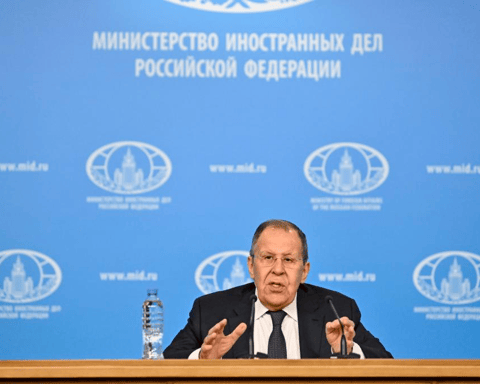
Tehran, meanwhile, has launched its own diplomatic campaign to frame the war as an act of aggression.
Iranian officials have repeatedly insisted that aggressors must compensate Iran for the destruction caused by the war, arguing that international law requires accountability for attacks on civilian infrastructure.
Washington Escalates Pressure
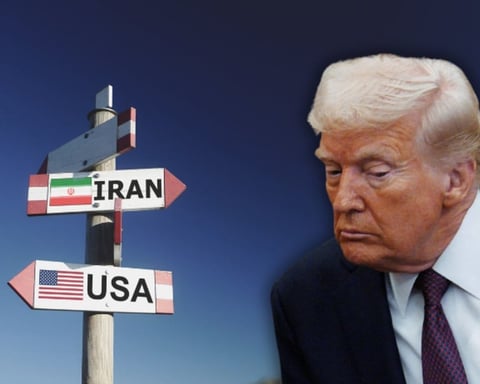
The United States has also increased pressure on Iran’s leadership.
Washington recently announced that a $10 million reward was being offered for intelligence on Iran’s leadership, signaling a sharp escalation in the political dimension of the conflict.
American officials say the goal is to disrupt Iran’s military command structure and deter further attacks on US forces stationed in the region.
Iranian leaders have rejected the move as evidence that Washington is attempting to destabilize the country’s government.
Fear and Uncertainty in Tehran
For ordinary residents of Tehran, daily life has been transformed by the constant threat of airstrikes.
Families have sought shelter in basements, underground garages and metro stations as explosions echo across the capital.
Schools and businesses have closed in several districts while emergency sirens and military aircraft have become a regular presence in the city’s skyline.
Many residents say the psychological impact of the war is as devastating as the physical destruction.
Parents worry about their children’s safety, while families struggle to access reliable information amid the chaos of wartime conditions.
Uncertain Path Ahead
Despite international calls for de-escalation, neither side has signaled a willingness to halt military operations.
Iran has vowed to continue retaliatory attacks, while Israeli officials say the campaign will continue until Tehran’s military capabilities are significantly weakened.
As the bombing campaign continues, emergency officials in Tehran warn that casualty numbers could rise further.
For now, hospitals, rescue teams and residents remain on the front lines of a conflict that has already reshaped the geopolitical landscape of the Middle East, and whose ultimate outcome remains uncertain.