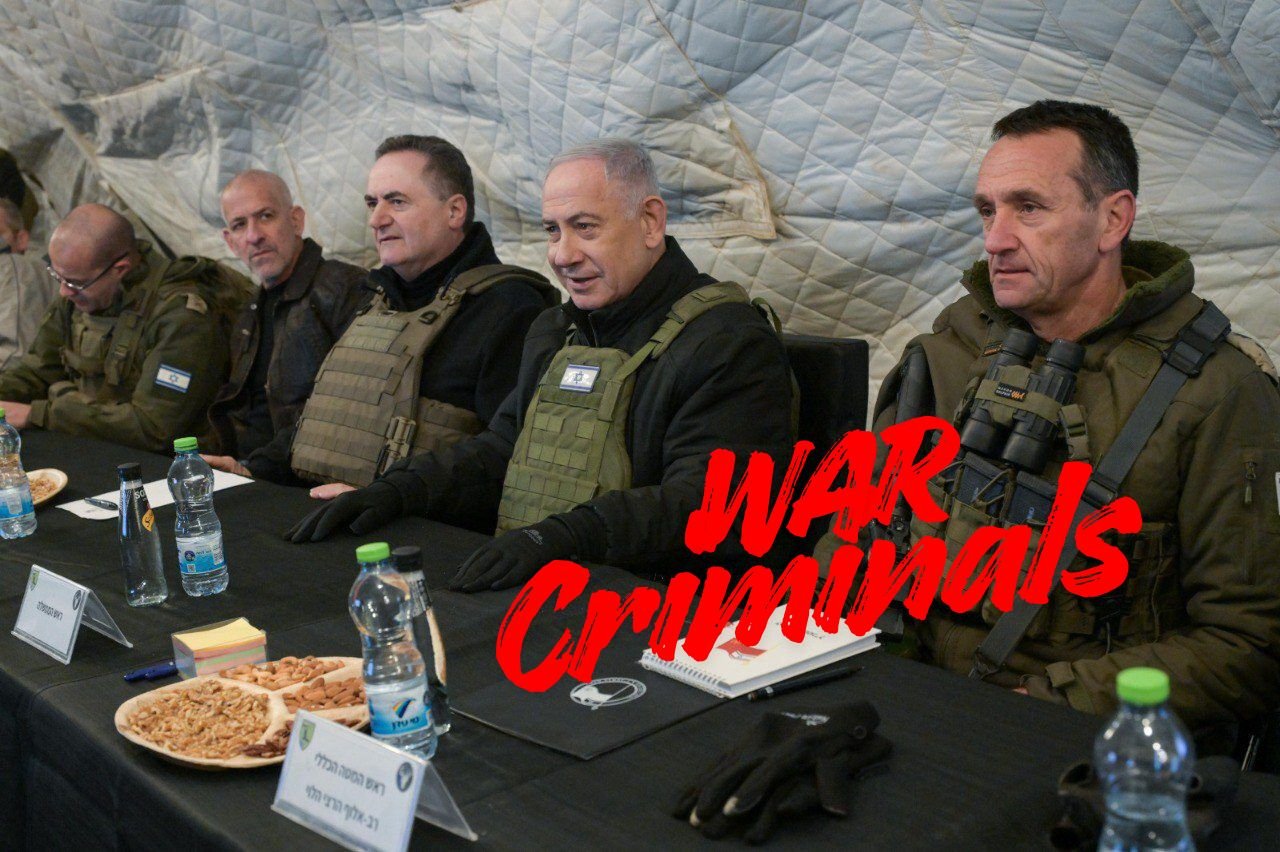
A widening international storm is gathering at the intersection of war, technology, and global justice, as accusations of a Gaza genocide intensify scrutiny not only on political leaders but also on the corporate infrastructure perceived to be enabling modern warfare.
In Europe, pressure is mounting on governments to act on international arrest warrants against Israeli Prime Minister Benjamin Netanyahu, even as controversy erupts in the United Kingdom over the role of Palantir in managing sensitive public health data.
Together, these developments signal a rapidly evolving global confrontation, one that extends beyond the battlefield in Gaza into courtrooms, corporate boardrooms, and the digital architecture of Western states.
Legal Pressure Builds Over Gaza War Allegations
The most immediate flashpoint lies in Central Europe, where Human Rights Watch has issued a stark call: authorities in Hungary must arrest Netanyahu if he enters the country.
The demand follows the International Criminal Court arrest warrants issued in November 2024, targeting Netanyahu and former Defense Minister Yoav Gallant over alleged war crimes in Gaza.
According to rights groups, the legal obligation is clear. ICC member states are required to detain individuals under warrant if they enter their territory. Reports ahead of Netanyahu’s visit have further amplified calls to arrest Netanyahu, placing Hungary at the center of a growing international legal crisis.
The controversy intensified after earlier incidents in which Hungary welcomed Netanyahu despite the warrant, raising serious concerns about the erosion of international law.
A Historic Shift in Accountability
The ICC warrants represent a rare and consequential move against a sitting leader aligned with Western powers. Legal experts argue that the charges, including alleged starvation tactics and attacks on civilians, mark a turning point in global accountability frameworks.
These developments have deepened scrutiny over conditions to live in Gaza, where humanitarian organizations continue to warn of catastrophic consequences for civilians.

The Politics of Defiance
Hungary’s response underscores the political tensions surrounding the case. Prime Minister Viktor Orbán has openly criticized the ICC, while aligning closely with Israeli leadership.
This stance has triggered alarm among legal experts who warn that selective enforcement risks undermining the credibility of global institutions.
The controversy has also reignited debates about the role of the International Court of Justice and other legal bodies in addressing large-scale humanitarian crises.
Palantir and the Expanding Battlefield of Data
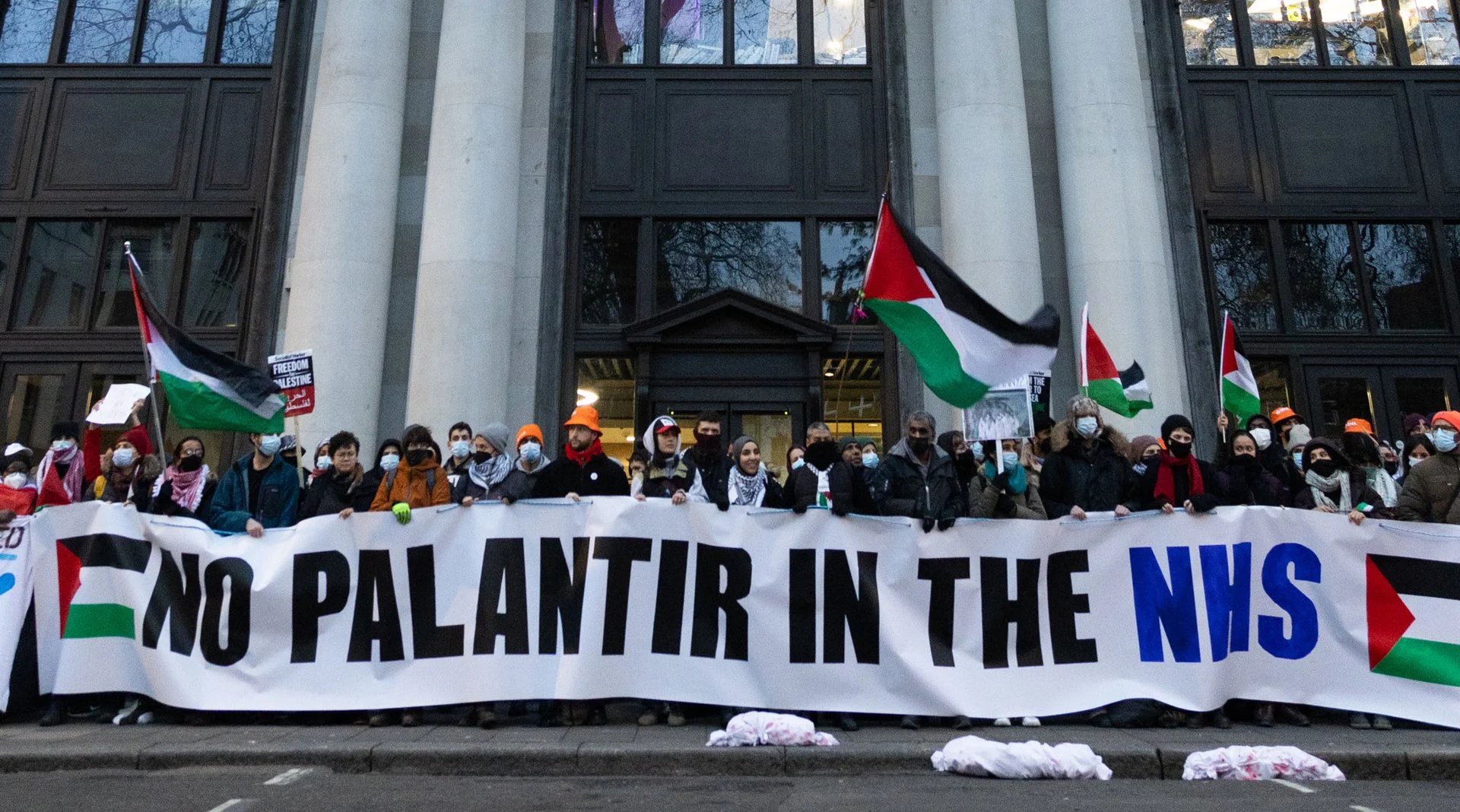
At the same time, attention is shifting toward the technological dimension of the conflict. In the United Kingdom, the NHS has come under pressure over its partnership with Palantir, a company with deep ties to defense and intelligence operations.
Critics argue that the Palantir NHS contract raises serious ethical questions, particularly in light of the company’s reported involvement in military systems used in Gaza.
Ethical Questions in the Digital Age
The backlash against Palantir highlights a growing concern over the dual-use nature of modern technology. Systems designed for civilian purposes, such as healthcare data management, can also be adapted for military applications.
This overlap has intensified calls for stricter oversight and ethical guidelines, particularly as digital infrastructure becomes increasingly central to both governance and warfare.
In parallel, reports of Rafah crossing closure and humanitarian blockades have added urgency to concerns about how technology intersects with access to aid and civilian survival.
A Global Movement for Accountability
Across Europe and beyond, calls for accountability are gaining momentum. Advocacy groups continue to highlight the humanitarian toll, including cases where children risk their lives amid restricted access to food, water, and medical care.
The phrase “Gaza genocide” has increasingly entered mainstream discourse, reflecting a shift in global awareness and public opinion.
At the same time, the role of Western powers remains under intense scrutiny, with critics arguing that geopolitical alliances have hindered meaningful action.
The Limits of International Law
Despite mounting pressure, enforcement of international law remains uncertain. The ICC lacks its own enforcement mechanism, relying entirely on member states to execute arrests.
This structural limitation has allowed political considerations to override legal obligations in several cases, raising questions about the effectiveness of existing frameworks.
The situation has also highlighted the broader collapse of the United Nations system in addressing large-scale humanitarian crises, as divisions among global powers continue to stall decisive action.
A Defining Moment
The convergence of legal, technological, and political controversies surrounding Gaza may represent a turning point in global governance.
From courtroom battles over arrest warrants to protests against corporate contracts, the scope of the conflict is expanding in ways that challenge traditional boundaries.
What emerges from this moment could redefine the relationship between power, accountability, and justice in the 21st century.
As the crisis unfolds, the central question remains whether international institutions can enforce accountability in the face of geopolitical resistance.
From Europe’s legal dilemmas to Britain’s healthcare controversy, the ripple effects of Gaza are being felt far beyond the region itself.
And at the heart of it all lies a defining test: whether the global system can uphold justice, or whether impunity will once again prevail.