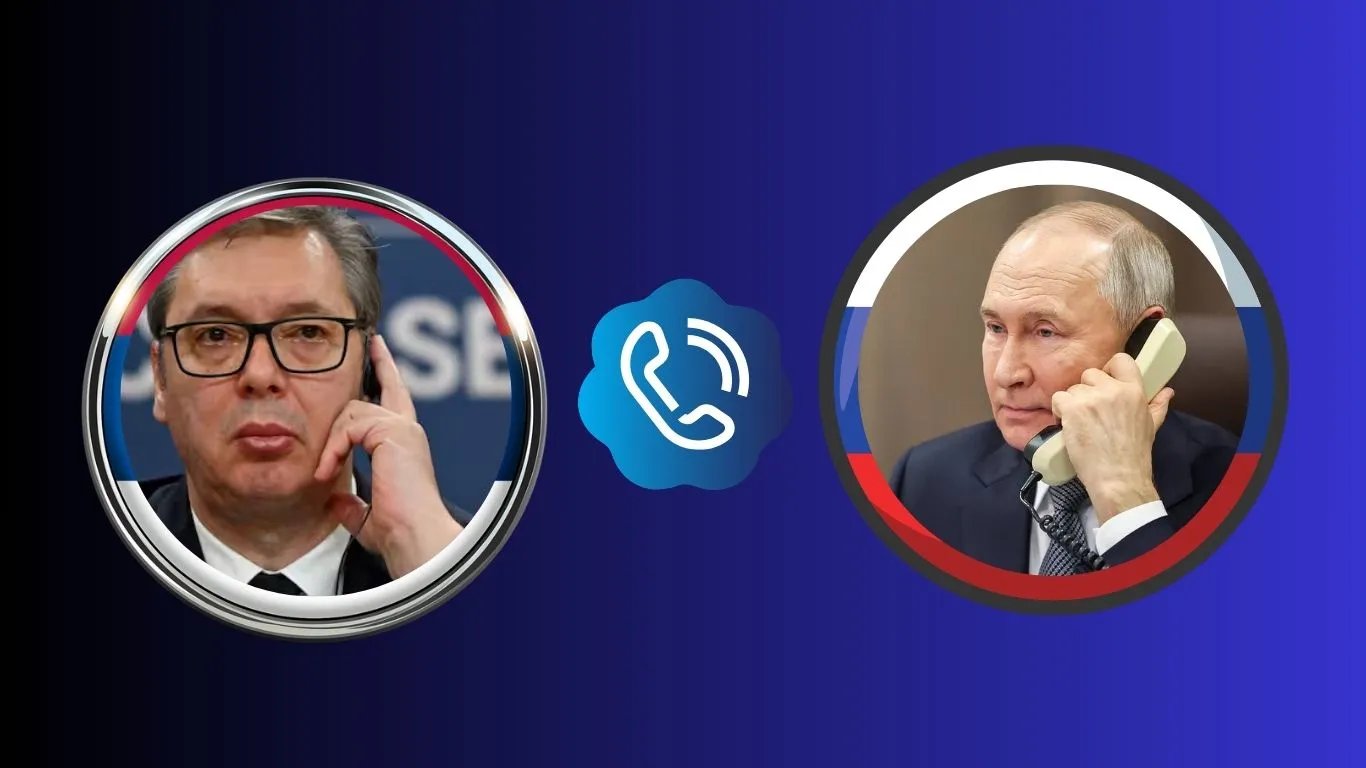
MOSCOW — A high-level telephone conversation between Vladimir Putin and Aleksandar Vucic on Monday has underscored how the Russia Ukraine War is increasingly reshaping Europe’s energy architecture, exposing deep strategic dependencies even as Western powers attempt to isolate Moscow.
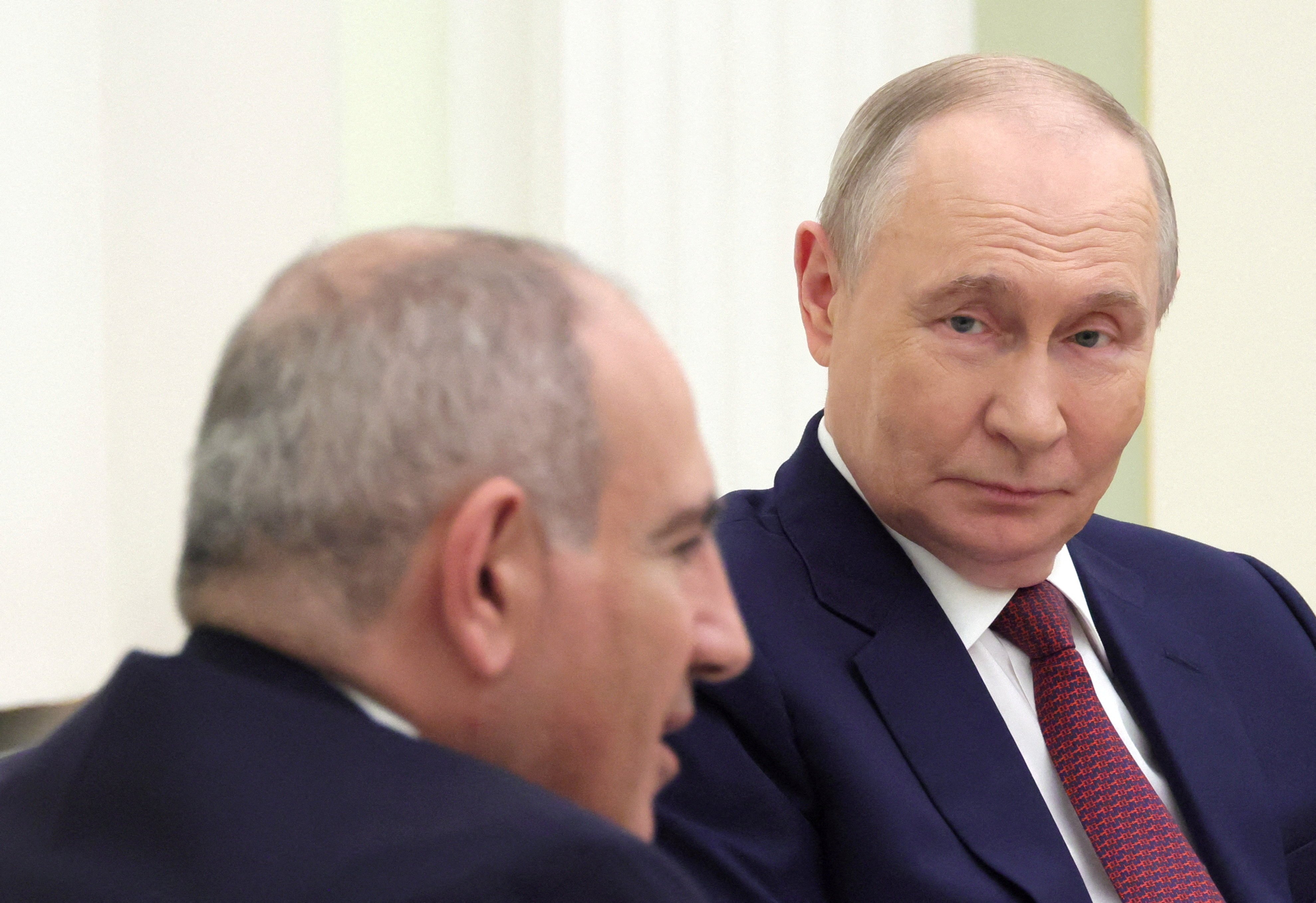
“At the initiative of the Serbian side, Russian President Vladimir Putin had a telephone conversation with Serbian President Aleksandar Vucic,” the Kremlin said in a statement, confirming that the discussion extended far beyond routine diplomacy and into the heart of Europe’s ongoing geopolitical fracture.
The leaders “discussed in detail the situation around Ukraine and the current large-scale escalation of the conflict in the Middle East,” while also reviewing the strategic partnership between Moscow and Belgrade across energy, oil, gas and nuclear sectors, according to the Kremlin readout.
The call, however, was not merely symbolic. Within hours, Serbia announced a critical extension of its natural gas agreement with Russia — a move that highlights how, despite years of sanctions and political pressure, Moscow remains deeply embedded in Europe’s energy lifelines.
Energy lifeline secured as war reshapes Europe
Serbian officials confirmed that the agreement, reached following the call, ensures continued gas flows under favorable terms, reinforcing a gas import deal with Russia that remains central to Belgrade’s economy.
“We got another three-month extension of the gas contract, under very favourable conditions,” Vucic said.
Under the deal, Serbia will continue importing roughly 6 million cubic meters of gas per day at prices between $320 and $330 per 1,000 cubic meters, significantly below prevailing European market rates.
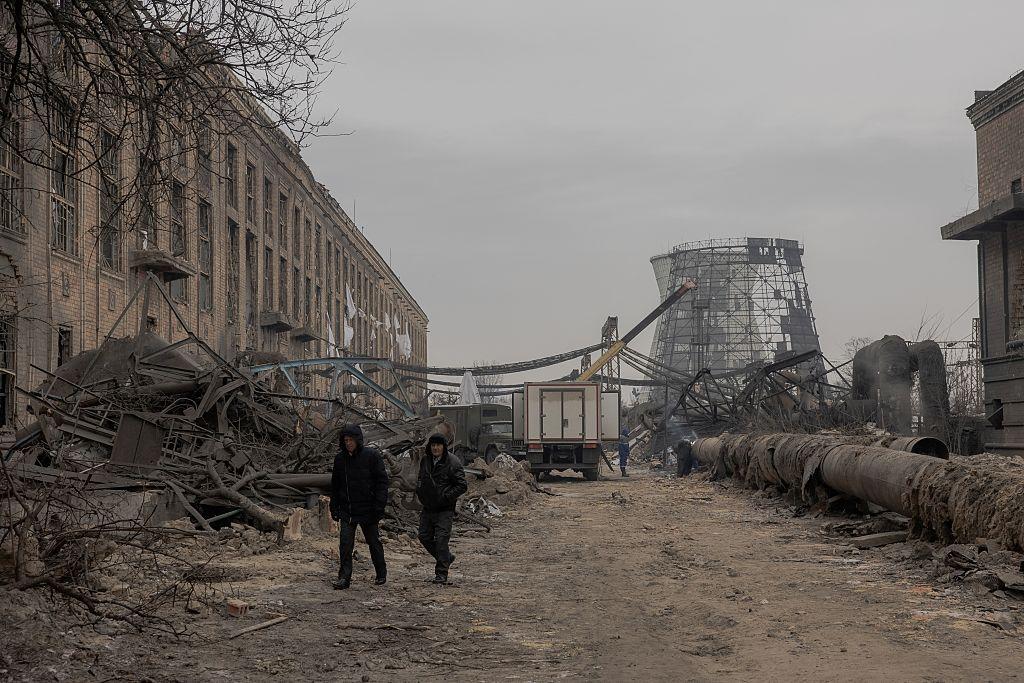
This development comes as the Russia Ukraine War continues to disrupt energy flows across the continent, forcing European nations into a complex balancing act between political alignment and economic necessity.
War pressure reshapes alliances across Europe
The conversation between Putin and Vucic took place against a backdrop of intensifying tensions across multiple fronts, from Eastern Europe to the Middle East, further complicating the West’s efforts to maintain a unified strategic front.
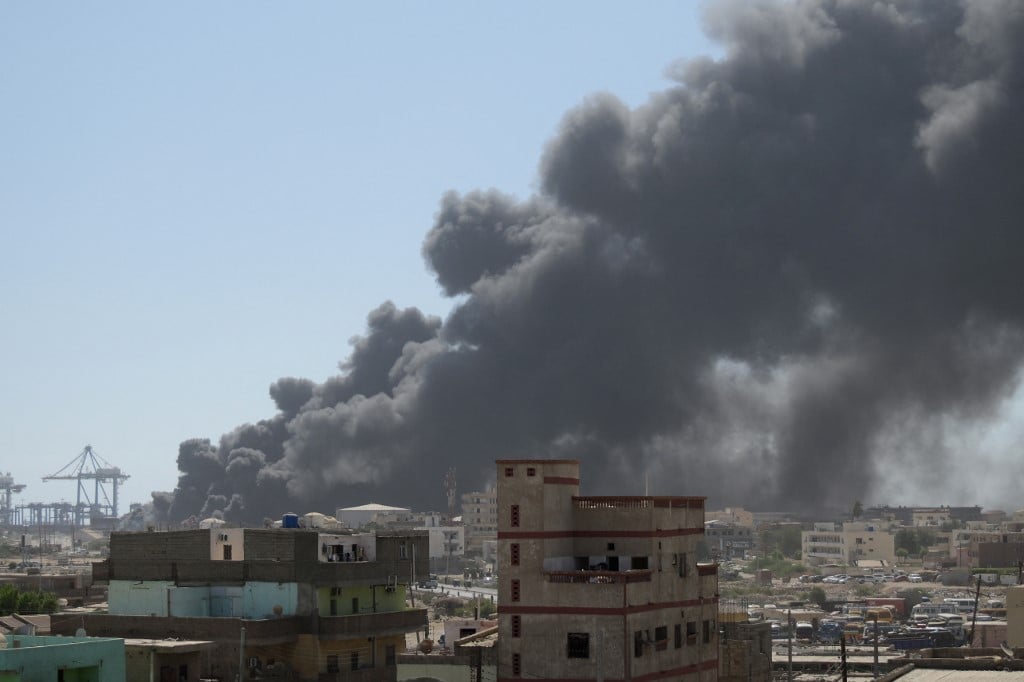
Recent battlefield developments indicate continued escalation. Ukrainian drone strikes have targeted key Russian energy infrastructure, raising concerns that the conflict could threaten critical energy infrastructure linked to European supply chains.
At the same time, political divisions within Europe are becoming increasingly visible.
In a significant move, Hungary announced it would cut natural gas supplies to Ukraine until Russian oil deliveries resume, reflecting deepening fractures within the bloc and competing national interests.
Diplomatic strain widens amid US and EU pressure
The broader diplomatic landscape surrounding the Russia Ukraine War is also shifting, with renewed diplomatic efforts to end the war emerging alongside signs of fatigue in Western political circles.
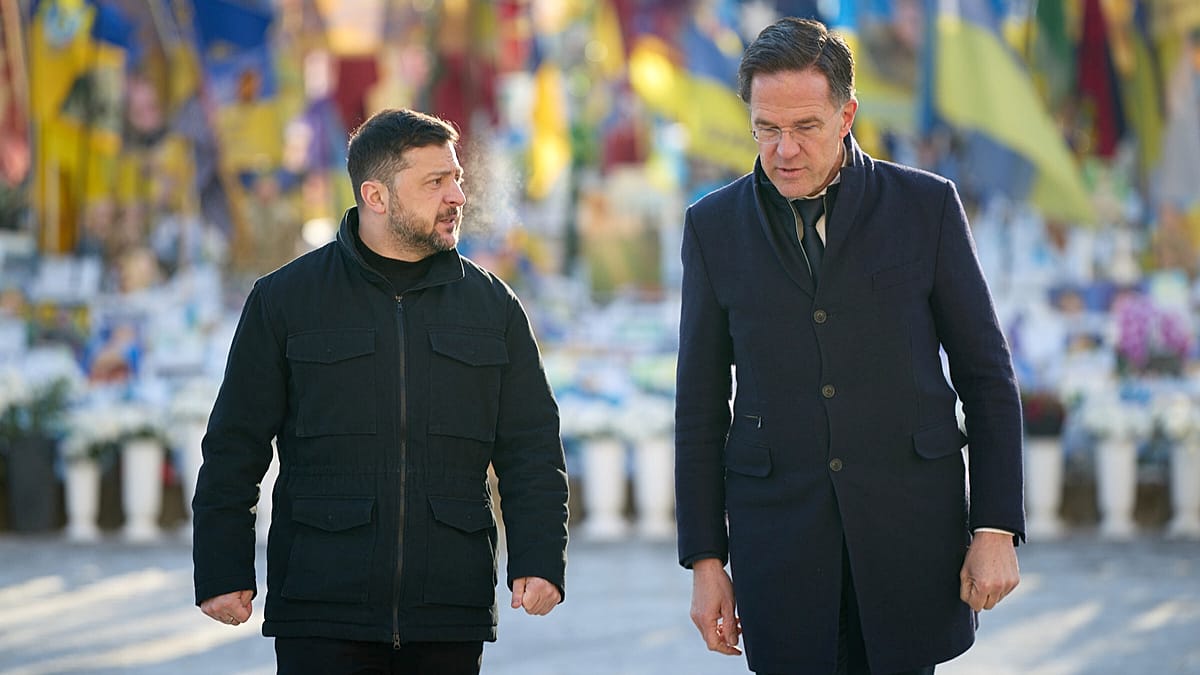
Ukrainian President Volodymyr Zelenskyy has acknowledged increasing pressure from Washington over potential peace terms, including conditions linked to territorial concessions.
Meanwhile, in the United States, political voices are beginning to emphasize diplomacy over prolonged conflict. Congresswoman Anna Paulina Luna stated that “diplomacy and peace will prevail,” adding that some lawmakers are now open to discussions involving all parties.
Kremlin narrative hardens as battlefield evolves
From Moscow’s perspective, the conflict continues to be framed as a broader geopolitical struggle involving Western intervention.
Russian officials have repeatedly argued that Western arms supplies to Ukraine prolong the conflict and effectively make NATO countries participants in the war.
At the same time, Moscow claims continued military gains on the ground, with the Russian Defense Ministry reporting new territorial advances and significant Ukrainian losses.
“The Ukrainian armed forces lost over 415 soldiers,” the ministry said, detailing additional equipment losses and strikes on Ukrainian energy infrastructure.
Expanding conflict and the Middle East factor
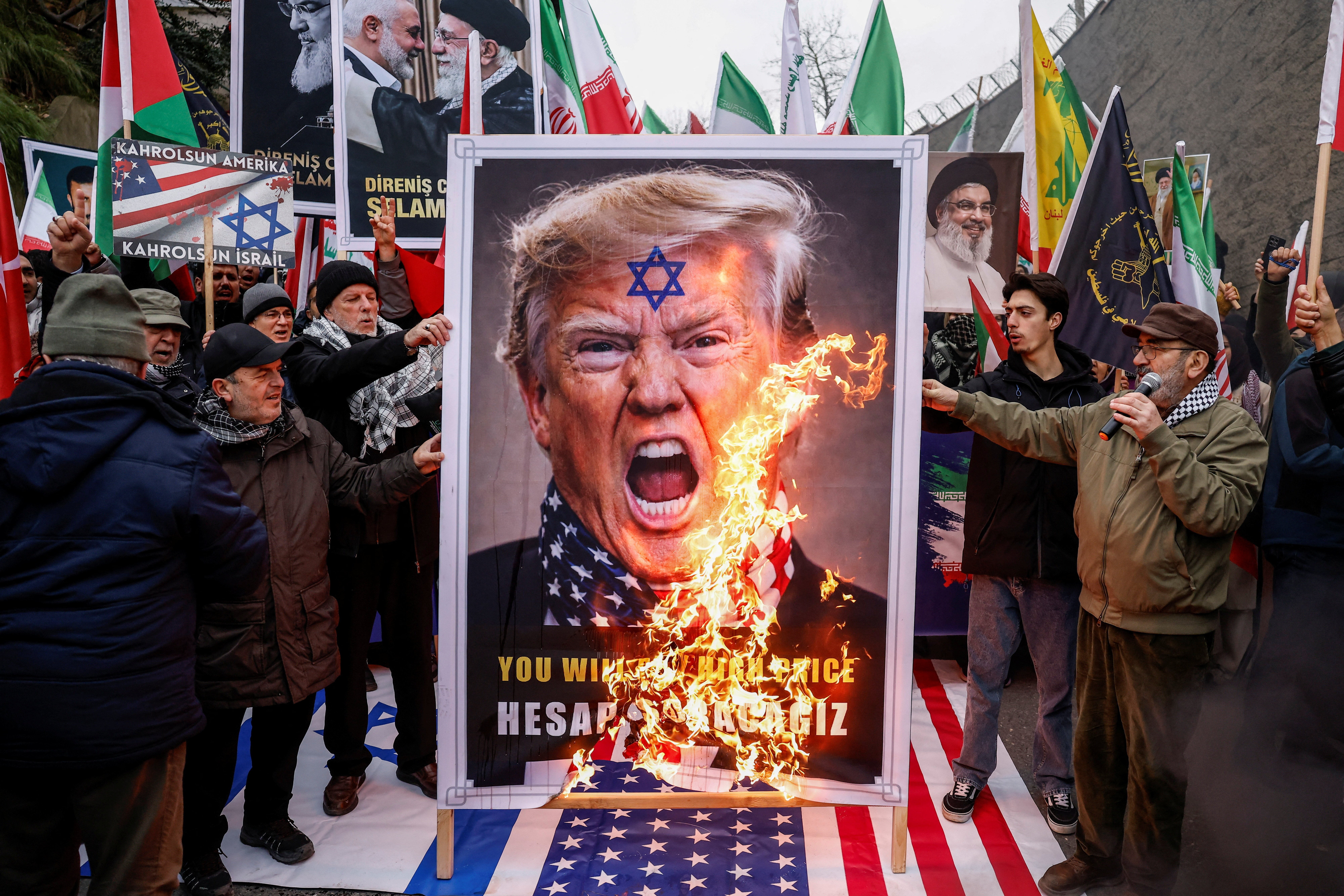
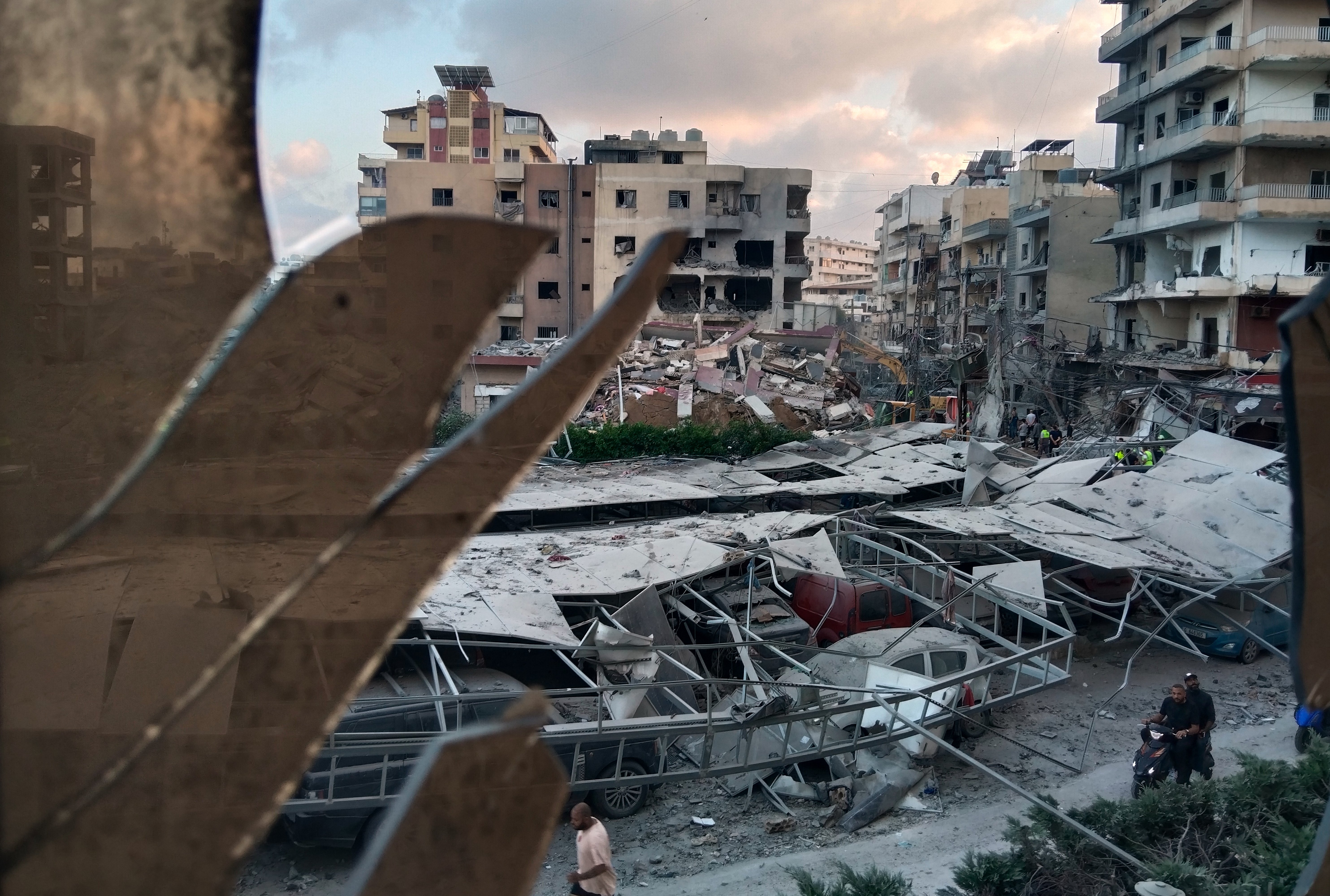
The Putin–Vucic call also highlighted concerns over the “large-scale escalation” in the Middle East, reinforcing the reality of interconnected global conflicts shaping today’s geopolitical landscape.
Energy markets, already strained by the Russia Ukraine War, are now facing additional volatility due to instability in the Middle East, intensifying global energy market volatility and reducing available supply to Europe.
Europe’s energy dilemma deepens
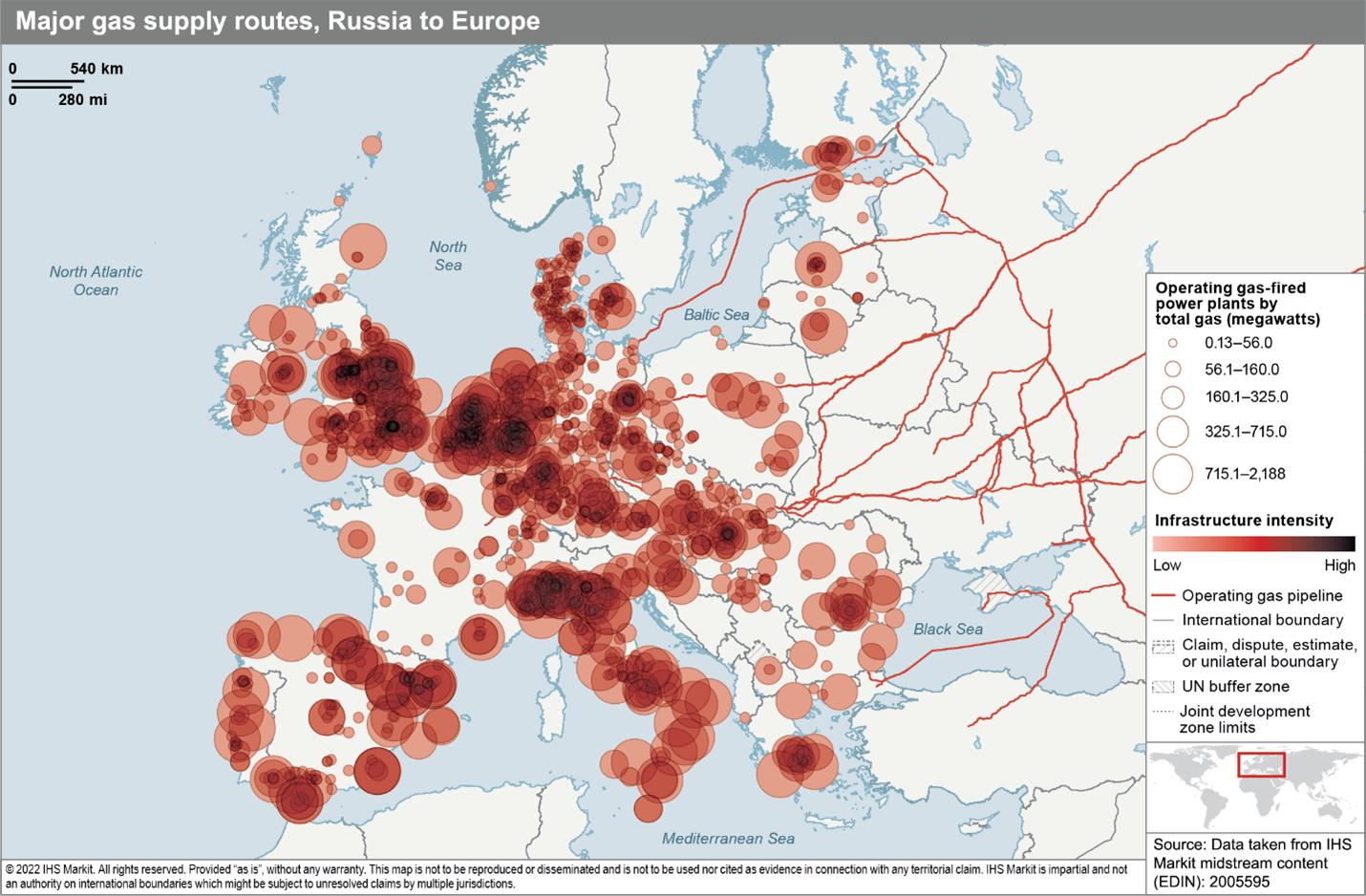
Despite ongoing efforts by the EU to reduce dependence on Russian energy, the reality on the ground remains complex.
Serbia, while pursuing diversification through Azerbaijan and LNG imports, continues to rely heavily on Russian supplies due to infrastructure constraints and pricing advantages.
Strategic implications beyond the Balkans
The significance of the Putin–Vucic call extends beyond Serbia.
It illustrates how Russia is maintaining, and in some cases strengthening, its strategic foothold in parts of Europe, particularly in regions where economic realities limit the effectiveness of Western pressure.
For Serbia, the relationship with Moscow remains both pragmatic and strategic, balancing energy needs with broader geopolitical considerations.
A war redefining global power structures
As the Russia Ukraine War enters another phase marked by diplomatic maneuvering, battlefield escalation and energy competition, the lines between regional conflicts and global power struggles are increasingly blurred.
The call between Putin and Vucic, while seemingly routine, offers a window into this evolving landscape.
It reflects a world in which alliances are shifting, economic imperatives are reshaping political decisions, and the outcomes of distant conflicts are being felt in everyday realities across continents.
In this environment, energy has become not just a commodity, but a central instrument of geopolitical influence — and a defining factor in the trajectory of the war itself.