The war unfolding between Iran, Israel, and the United States has entered a far more dangerous phase, not defined by decisive military breakthroughs, but by hesitation, imbalance, and shifting responsibility. While Israeli forces continue relentless airstrikes, cyber operations, and targeted killings across Iran, a critical reality is emerging: IDF forces are feared to engage in a direct ground invasion of Iran. Despite months of escalation, there is no visible preparation for large-scale Israeli ground deployment. Instead, Israel has confined itself to remote warfare, avoiding the brutal and uncertain consequences of a land war against a country that has already demonstrated its ability to retaliate across the region with missiles and drones targeting US bases and allies.
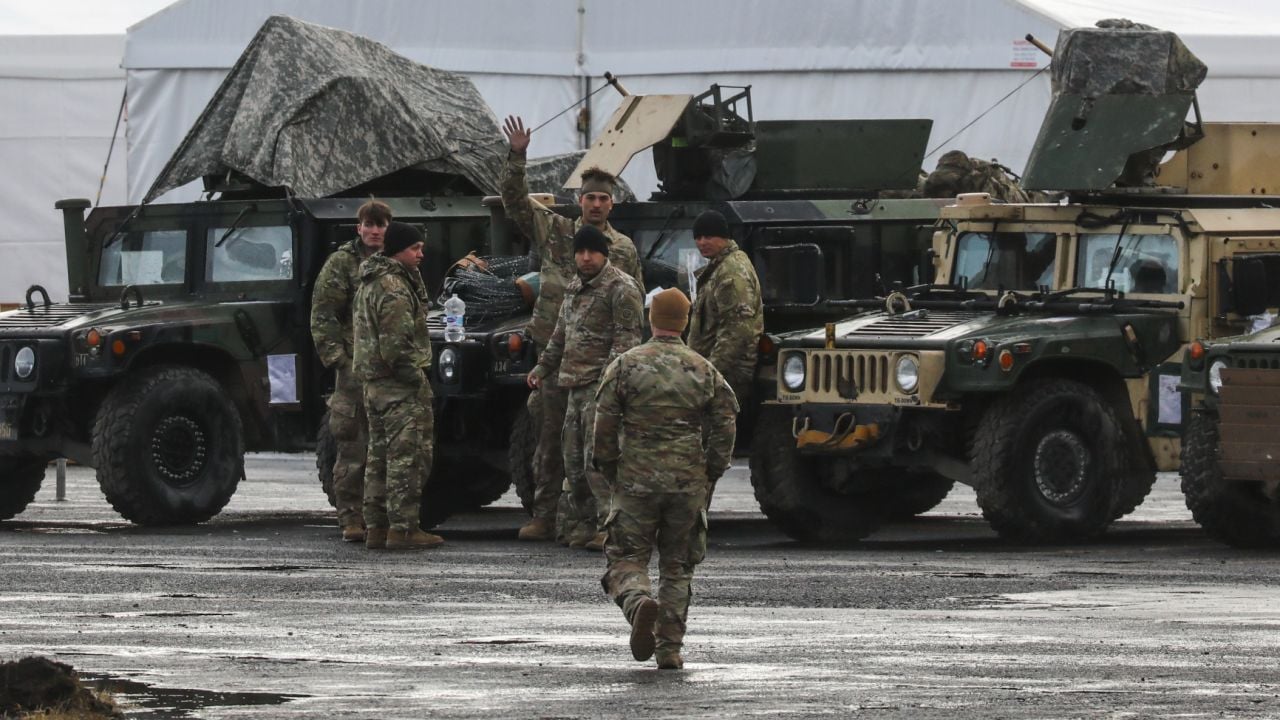
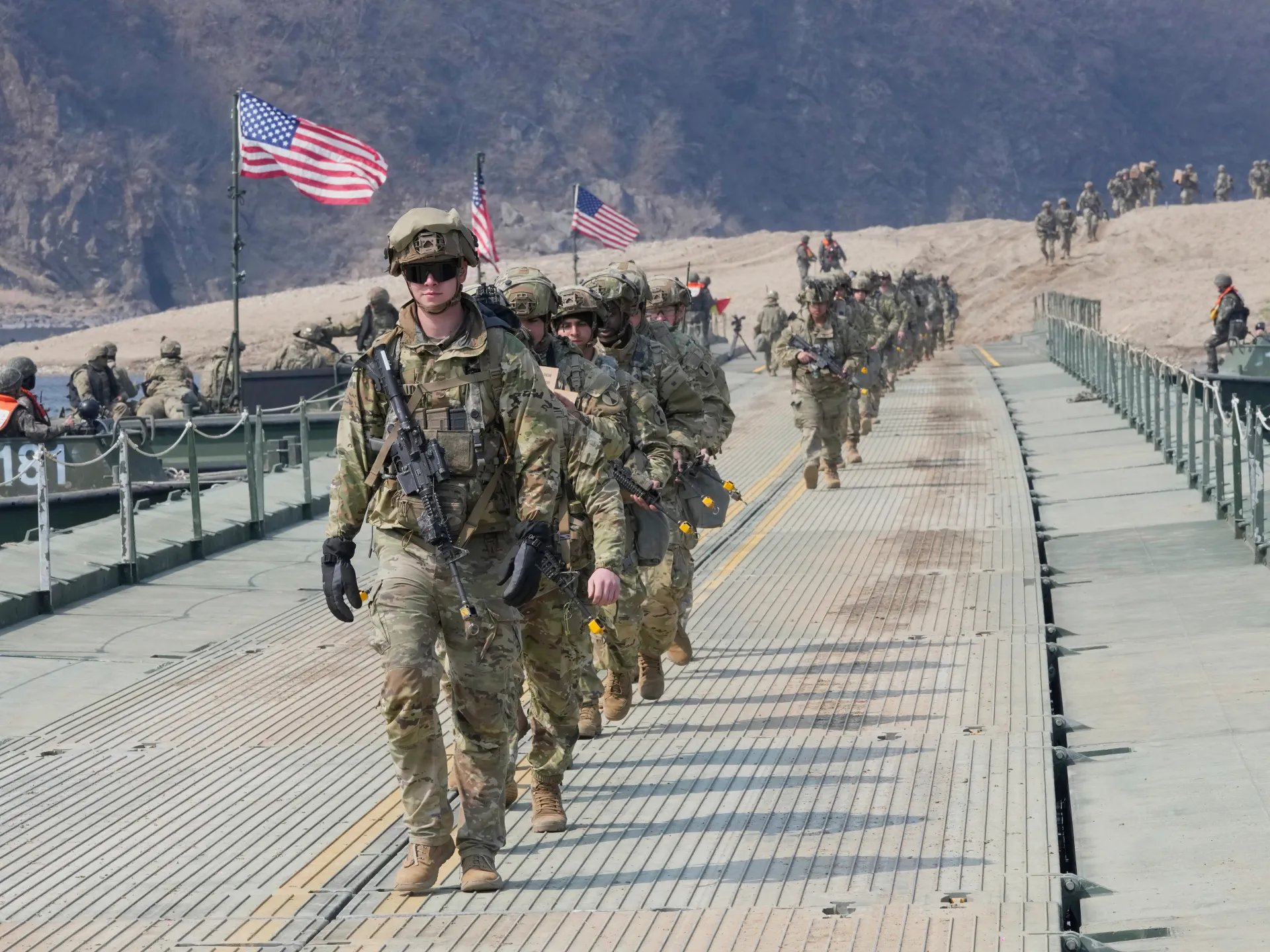
This hesitation has created a dangerous shift in the structure of the conflict. While IDF forces are feared to invade Iran directly, the burden of a potential ground war is increasingly being redirected toward the United States. Thousands of American troops have already been moved into the region, even as Washington publicly claims it seeks to avoid boots on the ground. At the same time, Iran has issued stark warnings that any ground invasion would trigger severe retaliation against US forces, raising the stakes of what could become a prolonged and deadly confrontation.
The emerging perception is stark: Israel escalates from a distance, while US soldiers are positioned to face the most dangerous phase of the war on the ground.
This dynamic has triggered growing criticism of the West and, in particular, US leadership. Analysts and lawmakers have already expressed concern that deploying American troops into Iran would expose them to immense risk without a clear strategic outcome.
Yet the trajectory of events suggests that Washington is being drawn deeper into a conflict shaped by external priorities, raising the question of whether the US is acting independently or being maneuvered into a frontline role. In this framing, the United States risks becoming a tool of Israeli strategic objectives “by hook and by crook,” while American soldiers could ultimately pay the price in a ground war that others appear unwilling to fight directly.
Recent developments suggest that this is not accidental. It is structural.
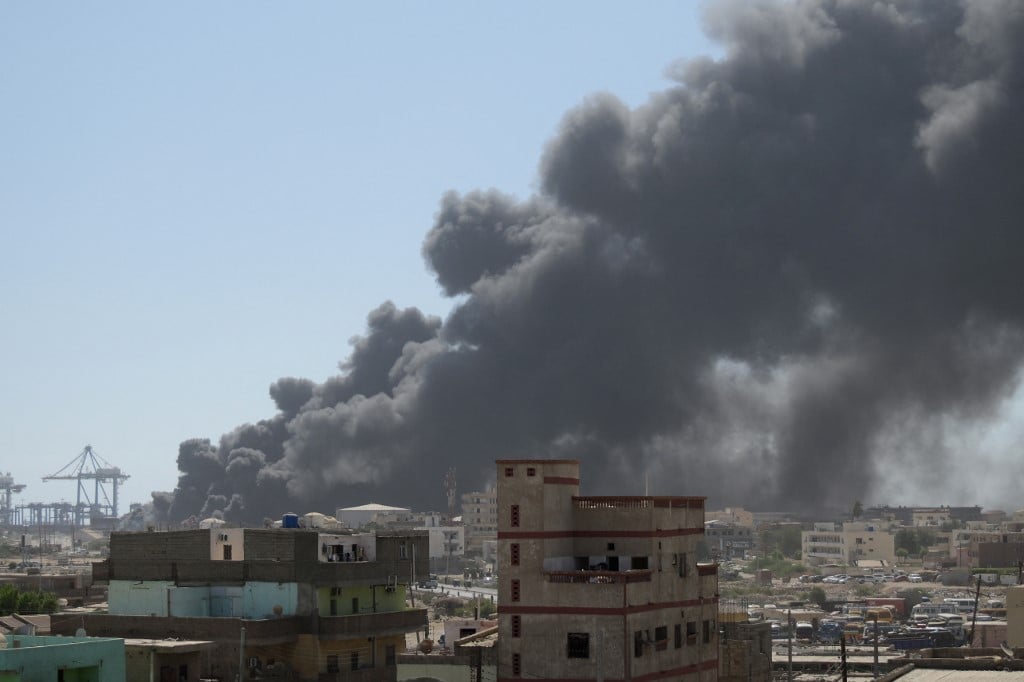
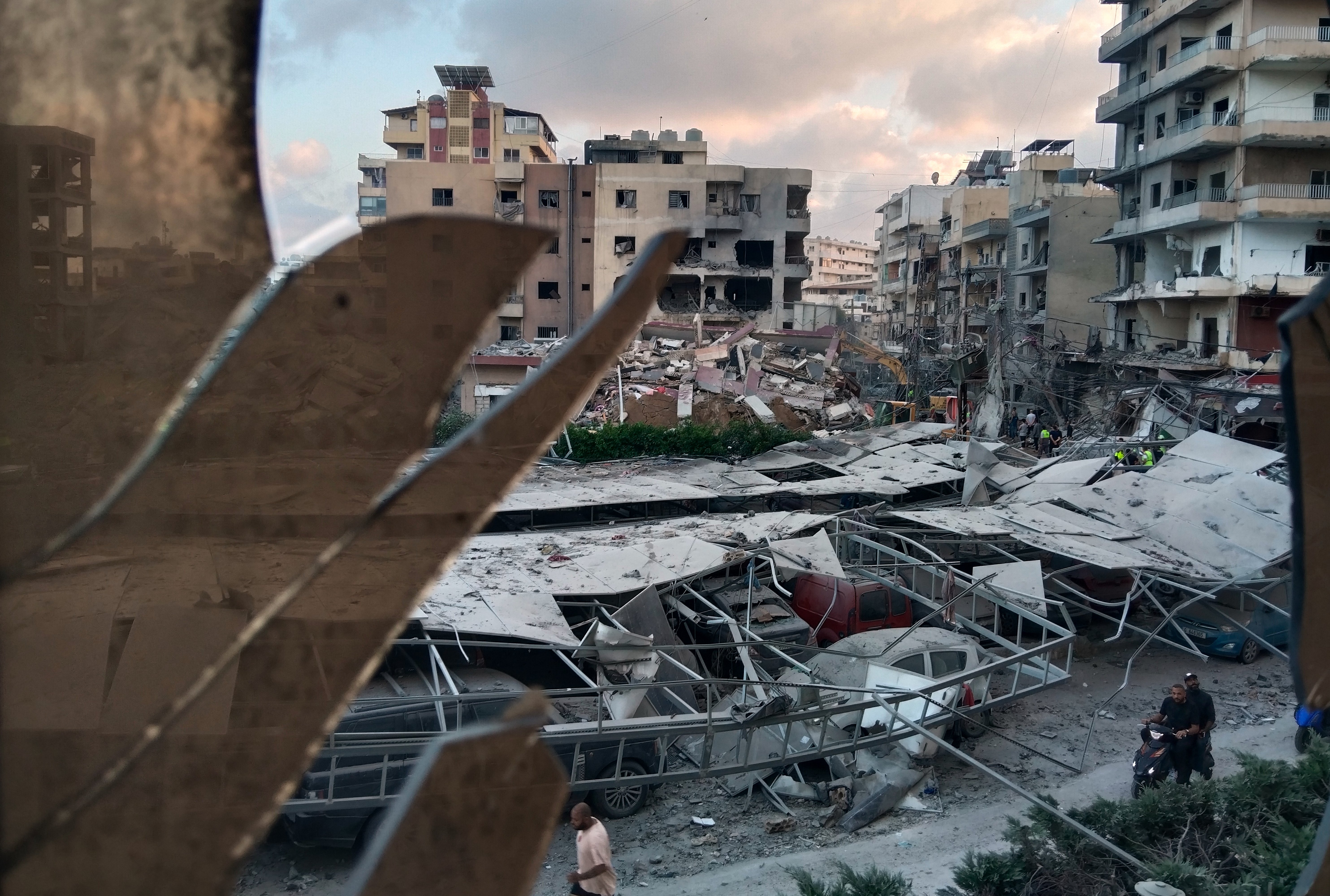
From the outset of the conflict, often described across regional coverage as Israel attacks Iran, the military approach has been unmistakable. Rather than mobilizing large-scale infantry divisions, the strategy has leaned heavily on precision airpower, intelligence penetration, and AI-driven warfare.
Reports indicate that Israeli operations have successfully targeted Iranian military and political figures using a combination of surveillance networks, cyber infiltration, and advanced artificial intelligence systems.
This method of warfare, remote, data-driven, and surgical, reflects both capability and limitation.
Israel has demonstrated that it can strike Iran at will from a distance. But it has also revealed something equally significant: it has not crossed the threshold into territorial warfare.
A ground invasion of Iran is not comparable to operations in Gaza or Lebanon. Iran’s geography, scale, and military infrastructure present a vastly different challenge, one that even the most advanced militaries approach with caution.
While Israel continues to dominate the airspace, the United States is increasingly being drawn into discussions about ground involvement.
According to multiple reports, the Pentagon is preparing for extended operations that could include ground deployments, even as officials publicly deny any imminent invasion.
Thousands of American troops have already been positioned across the region, reinforcing the perception that Washington is preparing for escalation.
At the same time, US officials remain cautious, signaling that objectives could still be achieved without a full-scale ground war.
This contradiction, preparing for war while denying intent, reflects the central dilemma facing Washington.
A full-scale invasion of Iran would be one of the most complex military operations in modern history.
Iran’s terrain, a combination of mountains, deserts, and dense urban centers, favors defense. Its doctrine emphasizes asymmetric warfare, including missile strikes, drone swarms, and regional proxy responses.
The opening phase of the war already demonstrated Iran’s ability to retaliate across the region, launching missiles and drones against multiple targets.
Even limited incursions could trigger prolonged insurgency, regional escalation, and attacks on US bases across the Middle East.
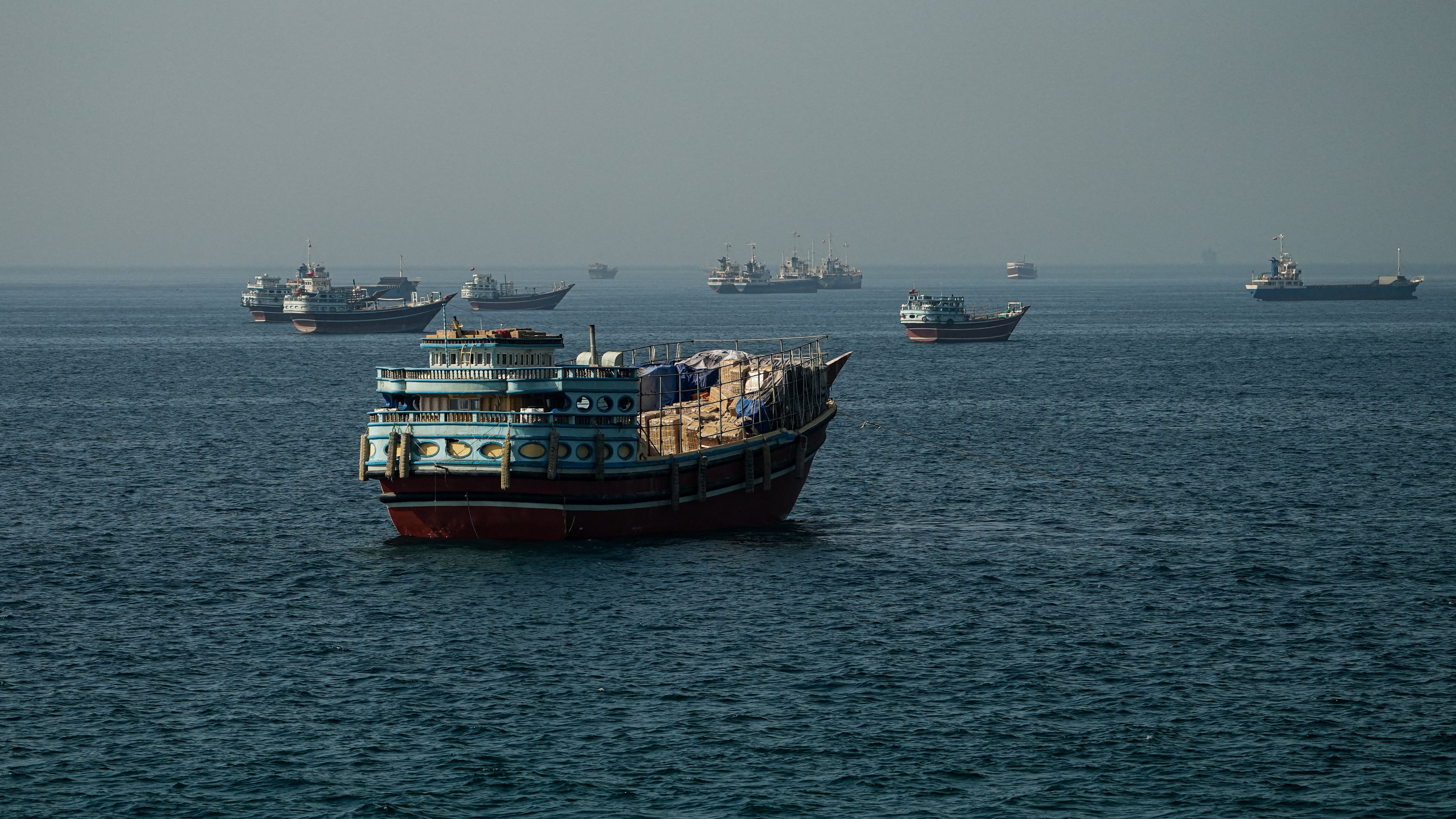
The Strait of Hormuz has already become a central pressure point, with disruptions sending global energy markets into turmoil.
This escalation has also been widely covered as part of a broader Iran war escalation, with ripple effects across global supply chains.
Israel’s decision to avoid ground confrontation appears less like restraint and more like strategic calculation.
The country has built one of the world’s most sophisticated remote warfare systems, combining intelligence dominance with long-range strike capability.
But this approach also shifts the nature of the conflict.
By avoiding ground engagement, Israel effectively limits its exposure while maintaining offensive pressure. The unresolved question is: who absorbs the risks that come next?
Increasingly, the answer appears to be the United States.
This dynamic reflects a broader pattern of US involvement in Middle East war, where technological superiority precedes deeper entanglement.
In Iraq and Afghanistan, initial campaigns relied on overwhelming air dominance. But long-term outcomes were shaped by ground realities: occupation, insurgency, and instability.
The current situation risks repeating that trajectory.
While Israel’s strategy may succeed in degrading Iranian capabilities, it does not resolve the underlying conflict. Nor does it eliminate Iran’s ability to retaliate.
Instead, it creates a scenario where pressure builds for deeper intervention, a moment where wars historically escalate.
Iran has made its position clear: any ground invasion would trigger severe retaliation across the region.
American bases, naval assets, and allied infrastructure would become immediate targets.
Even now, the conflict is already expanding, with warnings of broader regional involvement and rising tensions among allied groups.
Meanwhile, the economic fallout is intensifying. The IMF has warned that the war is disrupting global growth, energy supply, and inflation trends.
This aligns with earlier warnings of a global oil shock that could destabilize markets worldwide.
Israel’s reliance on remote warfare highlights both strength and limitation.
Targeted killings and airstrikes can weaken leadership structures, but they rarely produce lasting political outcomes.
Without ground presence, control remains incomplete. With ground presence, risks multiply exponentially.
Washington now stands at a crossroads.
On one path lies continued reliance on airpower and containment strategies. On the other lies ground intervention, a move that could redefine the conflict entirely.
Officials appear to be preparing for both possibilities, even as public messaging remains cautious.
More than a month into the war, the contours are becoming clearer.
Israel dominates the airspace. Iran retains its capacity to retaliate. The United States stands at the threshold of deeper involvement.
What remains uncertain is how far each actor is willing to go.
History suggests that wars of this nature rarely follow linear paths. They evolve, expand, and often outlast the strategies designed to control them.
The absence of an Israeli ground invasion is not a coincidence. It is a signal.
A signal that the risks of confronting Iran directly on the ground are understood, and deliberately avoided.
But in avoiding those risks, a new question emerges: who steps in when airpower is no longer enough?
Right now, all signs point toward Washington.
And that is where the real danger begins.