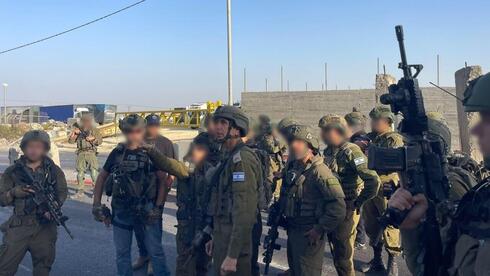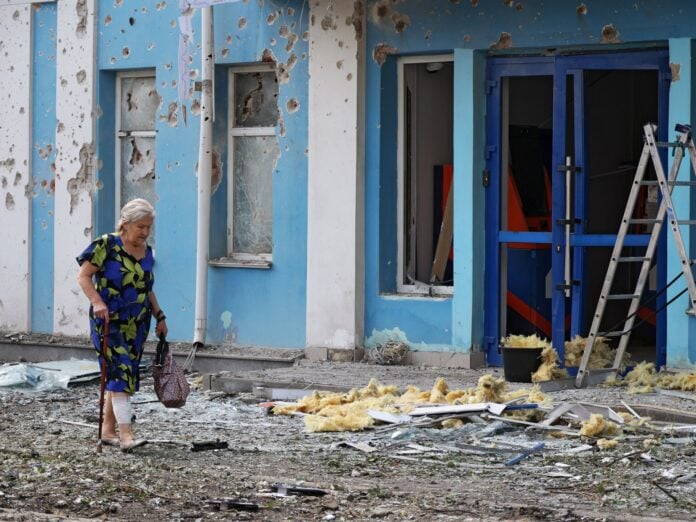

The latest wave of Israeli airstrikes in Gaza has reignited one of the most explosive accusations in modern geopolitics: that what is unfolding is not merely war, but a sustained campaign of mass violence carried out with the political protection of the United States and its Western allies.
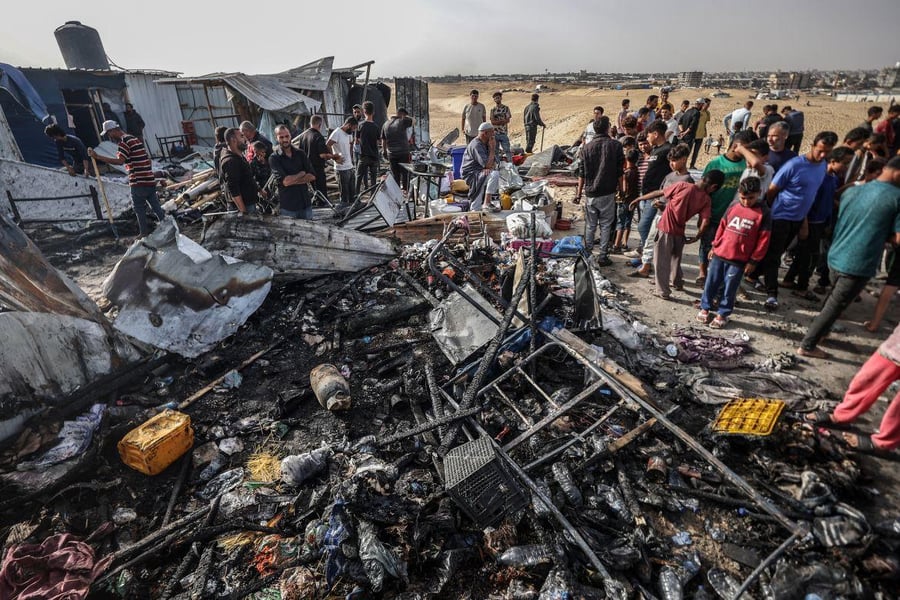
Despite a US-backed ceasefire announced months ago, the reality on the ground tells a different story, one of continued bombardment, rising civilian casualties, and a growing death toll that shows little sign of slowing.
Ceasefire or Cover?
Recent reports confirm that Israeli airstrikes killed civilians despite the ceasefire, with attacks continuing across Gaza in late March. In one incident, strikes hit populated areas, leaving multiple casualties and injuries.
These killings come despite a ceasefire brokered under the leadership of Donald Trump, a deal that, on paper, was meant to halt hostilities. Yet what is unfolding on the ground reflects a pattern of ceasefire violations that has steadily eroded any credibility the agreement once held.
The numbers expose the contradiction.
- More than 700 Palestinians killed after the ceasefire began
- Over 72,000 Palestinians killed since October 2023
For critics, these figures are not anomalies, they are evidence that the ceasefire has functioned less as a mechanism for peace and more as a diplomatic shield.
The Architecture of Impunity
At the center of this crisis is the Western political and military backing that Israel continues to receive, particularly from Washington.
Under Trump, the United States has maintained unwavering support for Israel’s military campaign, even as civilian casualties mount. Critics argue that this alignment has enabled continued violence while shielding Israel from meaningful accountability.
This dynamic reflects a broader pattern of Western backing that has drawn increasing scrutiny across the Global South and among human rights advocates.
Netanyahu’s War, and Its Cost
Prime Minister Benjamin Netanyahu has defended Israel’s operations as necessary for national security. But the continued strikes on civilian areas have raised serious concerns about compliance with international law.
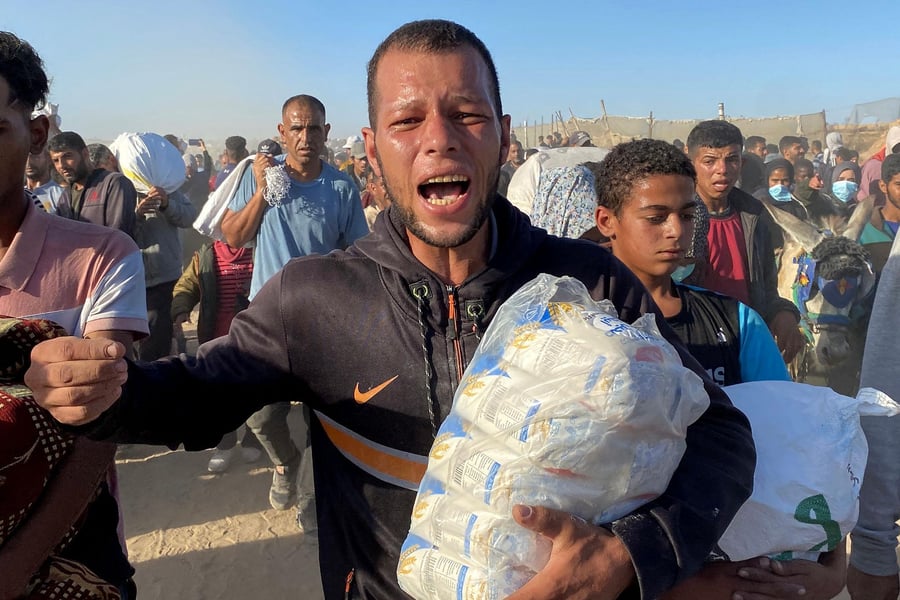
In Khan Younis, Israeli strikes killed at least six Palestinians, including a child, highlighting the ongoing destruction of civilian life.
Journalists Killed, Truth Under Fire
In one of the most widely condemned incidents, journalists were killed in an Israeli strike in southern Lebanon while traveling in a clearly marked press vehicle.
The attack was condemned as a war crime by Lebanese officials, who accused Israel of deliberately targeting media workers.
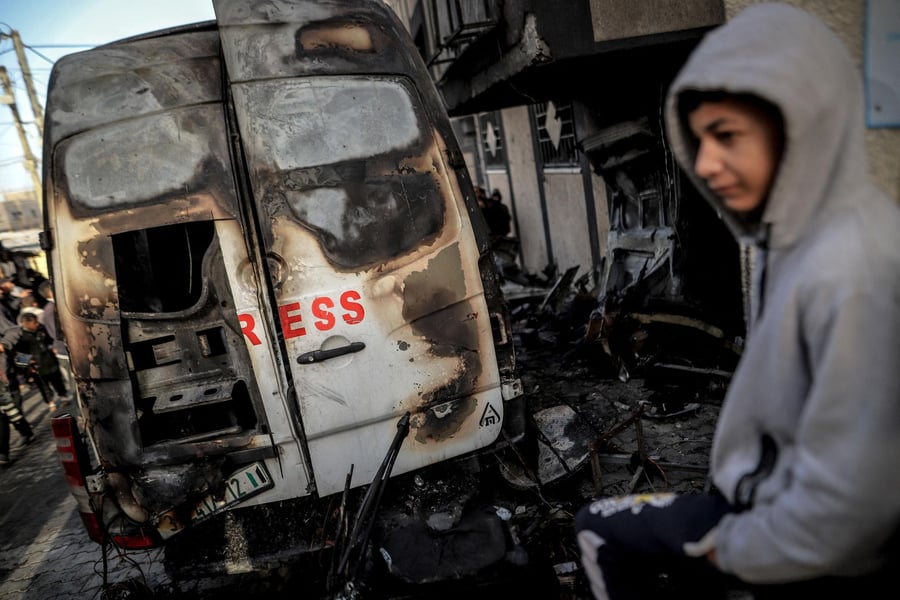
Indeed, journalists have repeatedly been killed in Gaza, often while documenting humanitarian conditions or reporting from active conflict zones.
This trend has raised serious concerns about the safety of the press and the ability to independently document events on the ground.
A Region on Fire
The war is no longer confined to Gaza. The regional conflict expanded beyond Gaza, drawing in multiple actors across the Middle East.
From Lebanon to Yemen, the situation has escalated into a broader confrontation involving state and non-state forces.
As tensions rise, the Middle East conflict widened dramatically, threatening global stability and raising fears of a prolonged regional war.
Global Divide and Political Fallout
The war has deepened a growing global divide, with Western governments continuing to support Israel while many countries and organizations call for accountability.
This divide reflects broader tensions over international norms, human rights, and the enforcement of global legal standards.
A War Without End
The term “ceasefire” suggests an end to violence. In Gaza, it has come to represent something very different.
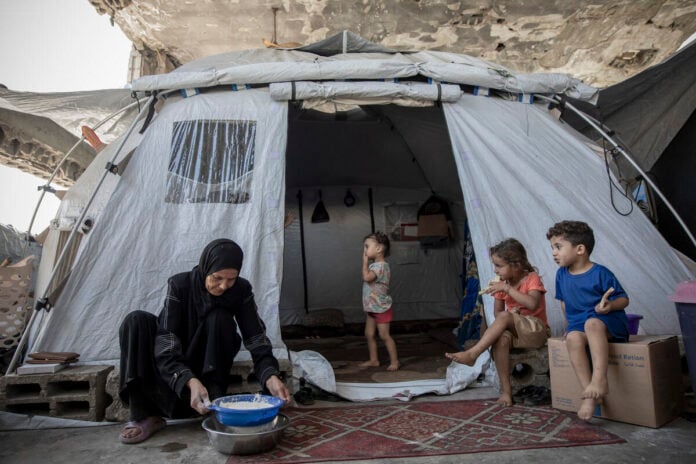
Strikes continue. Civilians continue to die. Journalists continue to report, often at great personal risk.
What remains is not peace, but a continuation of war under a different name.
And as long as the current system of US backing and Western political support remains unchanged, critics argue that accountability will remain out of reach.
The result is a conflict that shows no sign of ending, and a humanitarian crisis that continues to deepen with each passing day.