As Israeli warplanes struck deep into Iranian territory in late February, launching what would become one of the most consequential conflicts in recent Middle Eastern history, the immediate objective appeared clear: cripple Iran’s military capabilities and reassert deterrence. But just weeks into the war, a more troubling question has emerged among analysts and policymakers alike, whether Israel, backed by the United States, entered a conflict without a viable political strategy, triggering a confrontation that may spiral far beyond its original intent.
The war, initiated on February 28, 2026, through coordinated US-Israel strikes on Iranian military, political, and infrastructure targets, marked a dramatic escalation following years of mounting tensions over Iran’s nuclear ambitions and regional influence. What was presented by Washington and Tel Aviv as a preemptive effort to neutralize an existential threat has rapidly transformed into the war has rapidly transformed into a sprawling regional conflict with no clear endgame.
At the core of the growing criticism is a fundamental strategic gap: military action has outpaced political planning. As noted in recent analysis, the war was launched without a realistic political plan, raising concerns that tactical successes may ultimately mask a deeper strategic failure.
A War Expands Beyond Its Original Battlefield
In its initial phase, the Israeli campaign focused on high-value targets, command centers, missile facilities, and senior Iranian leadership. Reports indicate that hundreds of key figures were eliminated in precision strikes, targeting Iran’s leadership and infrastructure with remarkable efficiency.
Yet despite these tactical gains, Iran’s state apparatus has proven resilient. Leadership losses have not translated into systemic collapse; instead, replacement figures have quickly emerged, often adopting even more hardline positions. The assumption that decapitation strikes would destabilize the Iranian system now appears increasingly questionable.
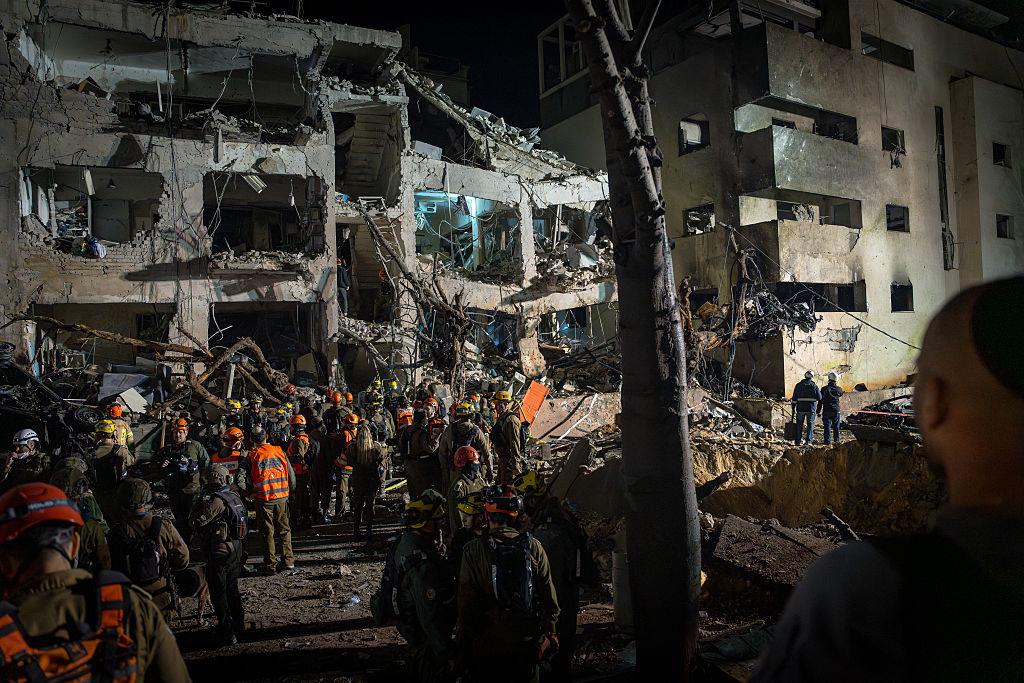
Meanwhile, Iran has responded not with a single decisive counterattack, but with a sustained, multi-layered strategy designed to stretch the conflict across geography and time. missile barrages have struck Israeli cities, exposing vulnerabilities in air defense systems once considered nearly impenetrable, as recent battlefield developments have shown.
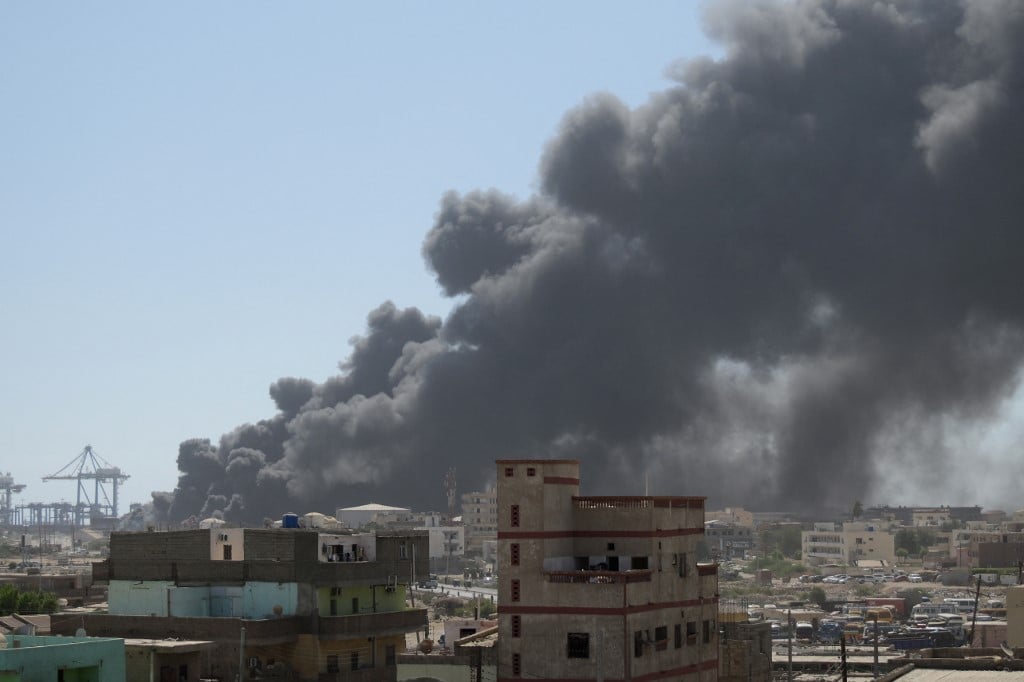
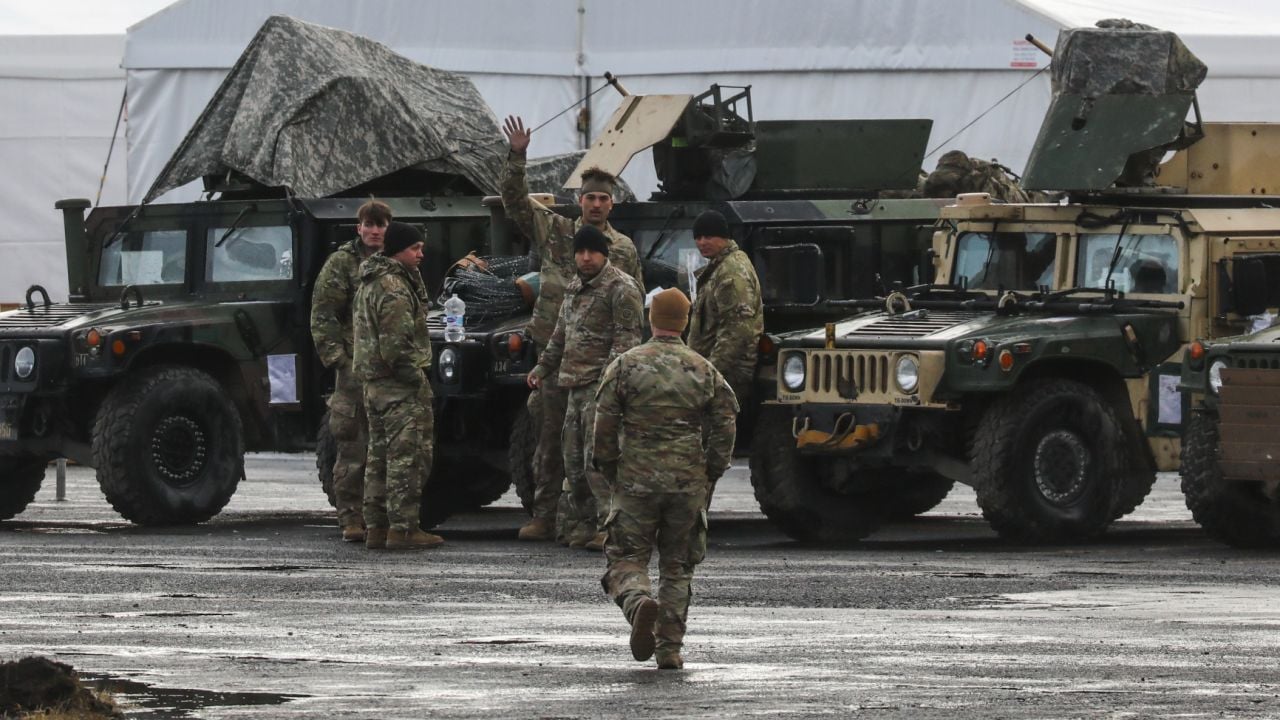
The war has also spilled beyond the borders of Israel and Iran, as the war has also spilled beyond the borders of Israel and Iran. Iranian retaliation has targeted US bases and regional infrastructure, while allied groups such as Hezbollah and the Houthis have opened additional fronts.
The Energy Front: A Global Shockwave
One of the most immediate consequences of the war has been its impact on global energy markets. Israeli strikes on critical Iranian energy infrastructure marked a turning point, transforming the conflict into an economic war.
Iran’s response was swift and calculated. By threatening shipping routes through the Strait of Hormuz, Tehran effectively internationalized the conflict. The move has contributed to sharp disruptions in global supply chains, with threatening shipping routes through the Strait of Hormuz becoming a central pressure point in the war.
As a result, global markets have been thrown into volatility, with oil prices surging and governments scrambling to stabilize supply chains amid fears of prolonged disruption.
The Illusion of Quick Victory
Historically, wars launched with overwhelming force often rely on the expectation of rapid outcomes. In this case, early battlefield successes may have reinforced the belief that Iran could be decisively weakened within weeks.
But the trajectory of the conflict suggests otherwise.
Iran’s military doctrine emphasizes endurance over immediate victory. Rather than seeking to win conventional battles, Tehran appears focused on increasing the long-term costs of the war, economically, politically, and militarily, for its adversaries.
This approach has allowed Iran to absorb initial losses while gradually expanding the scope of the conflict. Analysts increasingly warn that such strategies create a prolonged war of attrition rather than a decisive outcome.
Evidence of this strategy can be seen in hardened underground missile networks and sustained retaliatory capabilities, which challenge the notion that air superiority alone can secure victory.
Civilian Toll and Humanitarian Crisis
Beyond the strategic calculations, the human cost of the war has been severe. thousands have been killed since the conflict began, with civilians bearing a significant portion of the burden.
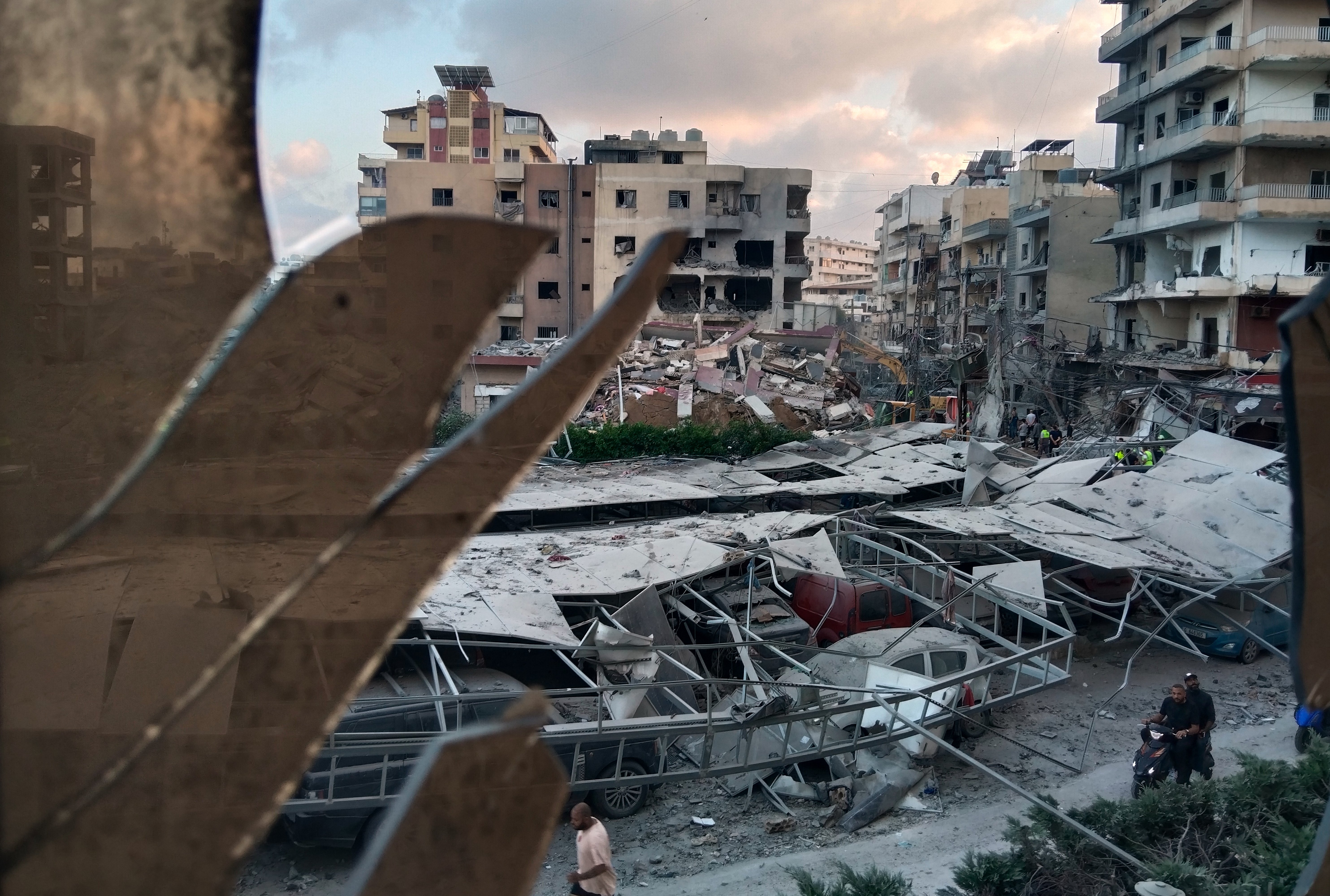
Urban centers in Iran have suffered extensive damage from airstrikes, while retaliatory attacks have struck civilian areas in Israel and across the region. Displacement has reached into the millions, creating a humanitarian crisis that is likely to worsen as the conflict drags on.
Within Iran, authorities face mounting internal pressure, with fears of economic collapse shaping domestic responses and policy decisions.
The US Factor and Strategic Ambiguity
The role of the United States has been central from the outset, both in supporting Israel’s military operations and in shaping the broader trajectory of the conflict.
Yet US objectives remain ambiguous. While officials have cited goals ranging from curbing Iran’s nuclear program to broader regime change, there is little clarity on how these objectives can be achieved through military means alone.
This ambiguity has fueled criticism that the war reflects patterns seen in broader US foreign policy failures in the Middle East, where military action often outpaces long-term strategic planning.
A Region on the Brink
As the conflict enters its second month, its ripple effects are being felt across the Middle East. The situation has escalated into a wider confrontation involving multiple actors, with mounting risks of further destabilization.
Analysts warn that attempts to dismantle Iran’s state structure could trigger a broader regional collapse, creating a prolonged and uncontrollable conflict with far-reaching consequences.
Strategic Miscalculation or Inevitable Conflict?
The question of whether Israel miscalculated in launching the war ultimately hinges on one central issue: the alignment between military action and political objectives.
If the goal was to degrade Iran’s capabilities, initial phase of the war has achieved measurable results. But if the objective extended to reshaping the regional balance of power or forcing political change within Iran, the path forward appears far less certain.
Wars are not judged solely by their opening moves, but by their outcomes. And in this case, the outcome remains deeply uncertain.
A War Without an Endgame
In many ways, the current trajectory of the war reflects a broader historical pattern, conflicts initiated with confidence in military superiority but lacking a clear political roadmap.
The absence of such a roadmap is not merely a theoretical concern; it has tangible consequences. Without a defined endpoint, the war risks becoming self-perpetuating, driven by cycles of action and reaction rather than strategic direction.
For Israel and its allies, this raises a difficult question: what constitutes success?
As the war continues to unfold, it is increasingly clear that what began as a calculated strike has evolved into a complex and unpredictable conflict, one that may ultimately redefine the balance of power in the Middle East.