The Sudan Civil War has entered a phase of brutality that survivors and aid workers say is no longer defined only by frontline clashes, but by what is happening to civilians far from the battlefield. Across Darfur, Khartoum, and other regions, mounting evidence suggests that sexual violence, ethnic targeting, and systematic attacks on communities are not isolated incidents but central features of the conflict.
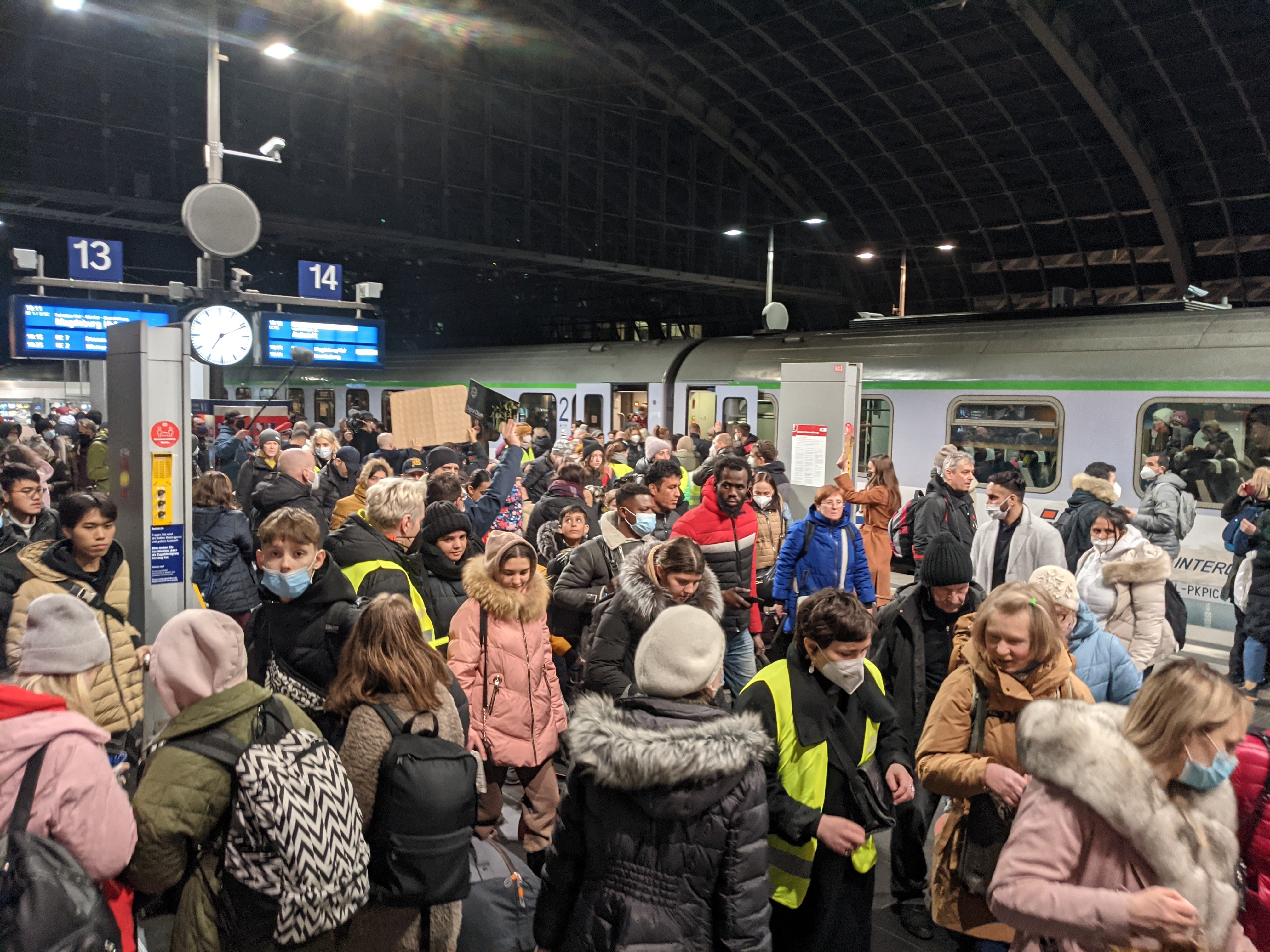
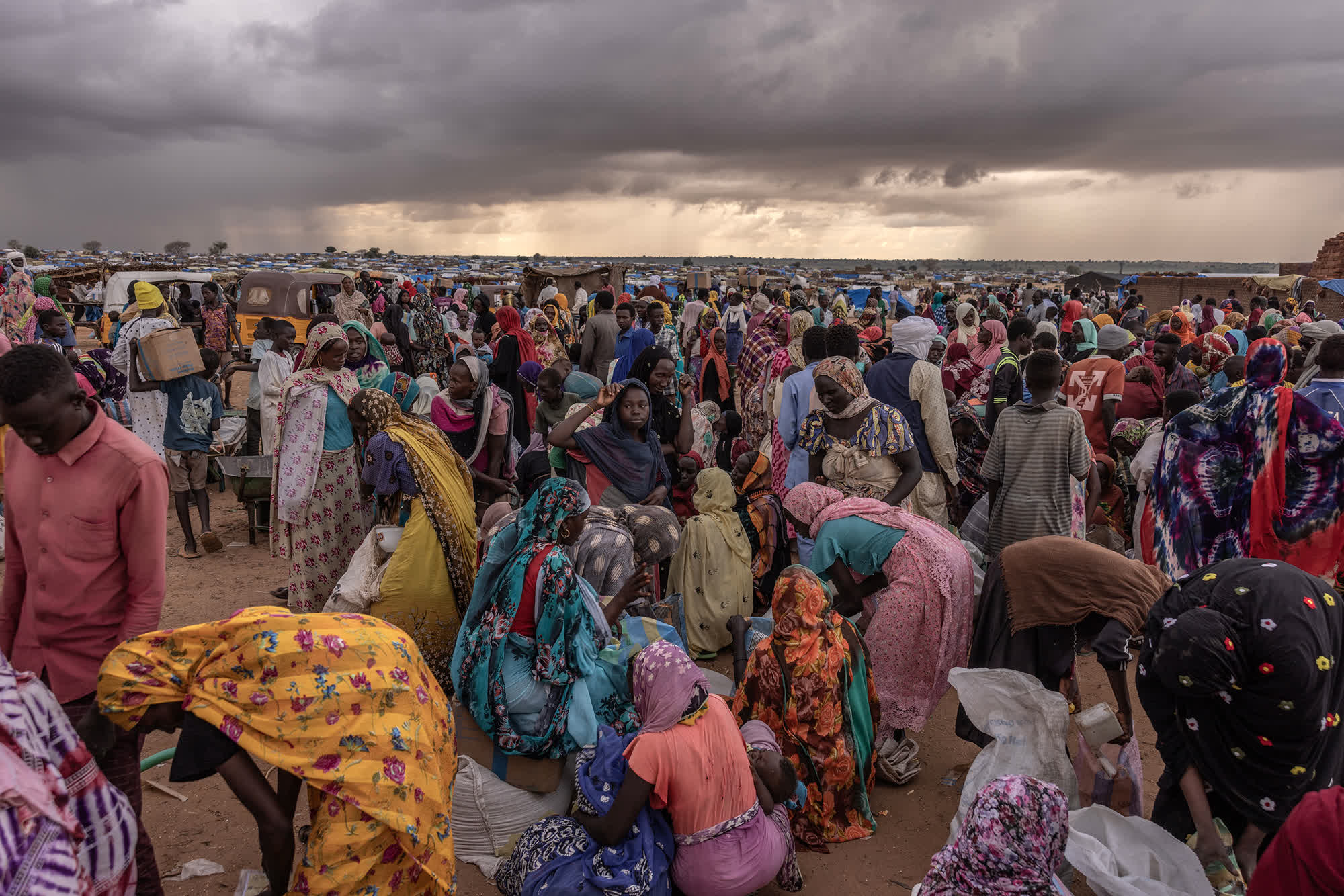
What began in April 2023 as a power struggle between the Sudanese Armed Forces and the paramilitary Rapid Support Forces (RSF) has since spiraled into one of the most devastating humanitarian crises in the world. The conflict has displaced more than 11 million people, creating what experts describe as a Sudan Civil War displacement crisis of unprecedented scale.
A war fought on women’s bodies
Survivor testimonies emerging from conflict zones describe a pattern of abuse so widespread that humanitarian organizations now say rape used as a weapon of war has become a defining feature of the Sudan Civil War. Women and girls report being assaulted not only during attacks but while fleeing, collecting water, or seeking refuge.
A recent report by Médecins Sans Frontières documented systematic sexual violence in Darfur, with thousands of cases treated in medical facilities. The organization described the violence as “a defining feature” of the conflict, affecting women and girls across both active war zones and everyday environments.
Darfur: epicenter of genocide warnings
While the conflict has spread nationwide, Darfur remains at the center of the worst atrocities. Investigations by the United Nations and independent observers have raised genocide warnings in Darfur, citing coordinated attacks against non-Arab communities.
According to UN findings, RSF forces and allied militias carried out targeted killings, mass rapes, and destruction of civilian infrastructure in El Fasher and surrounding areas. These actions, investigators say, form part of a broader pattern of ethnic targeting and genocide indicators directed at specific populations.
The scale of the violence echoes earlier atrocities in Darfur, raising fears that history is repeating itself under new conditions of state collapse and fragmented authority.
Drone strikes and civilian targeting intensify
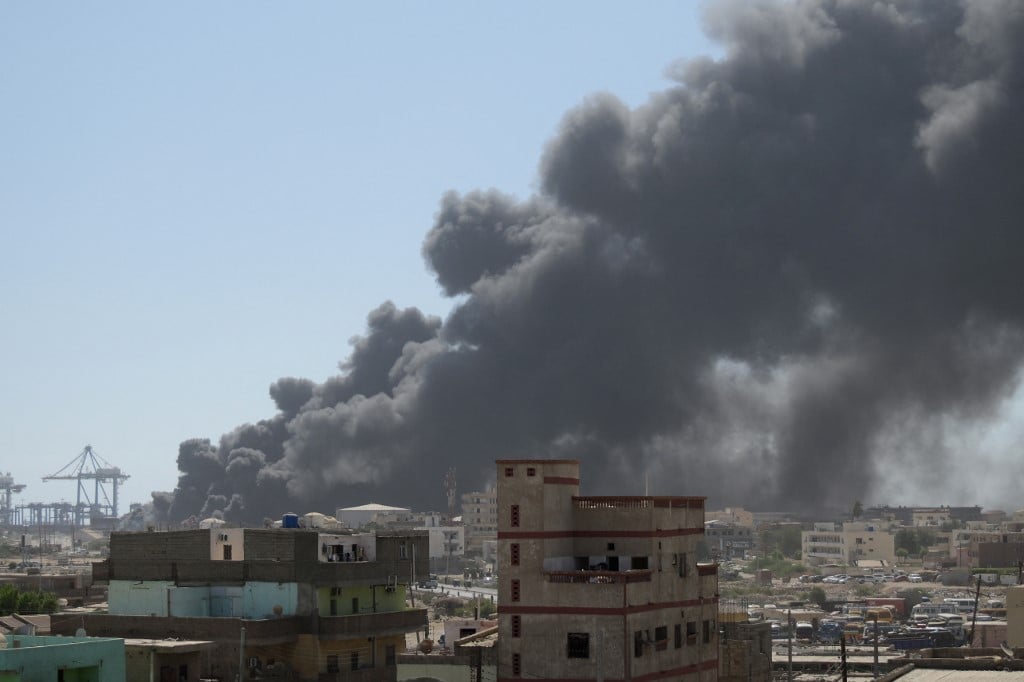
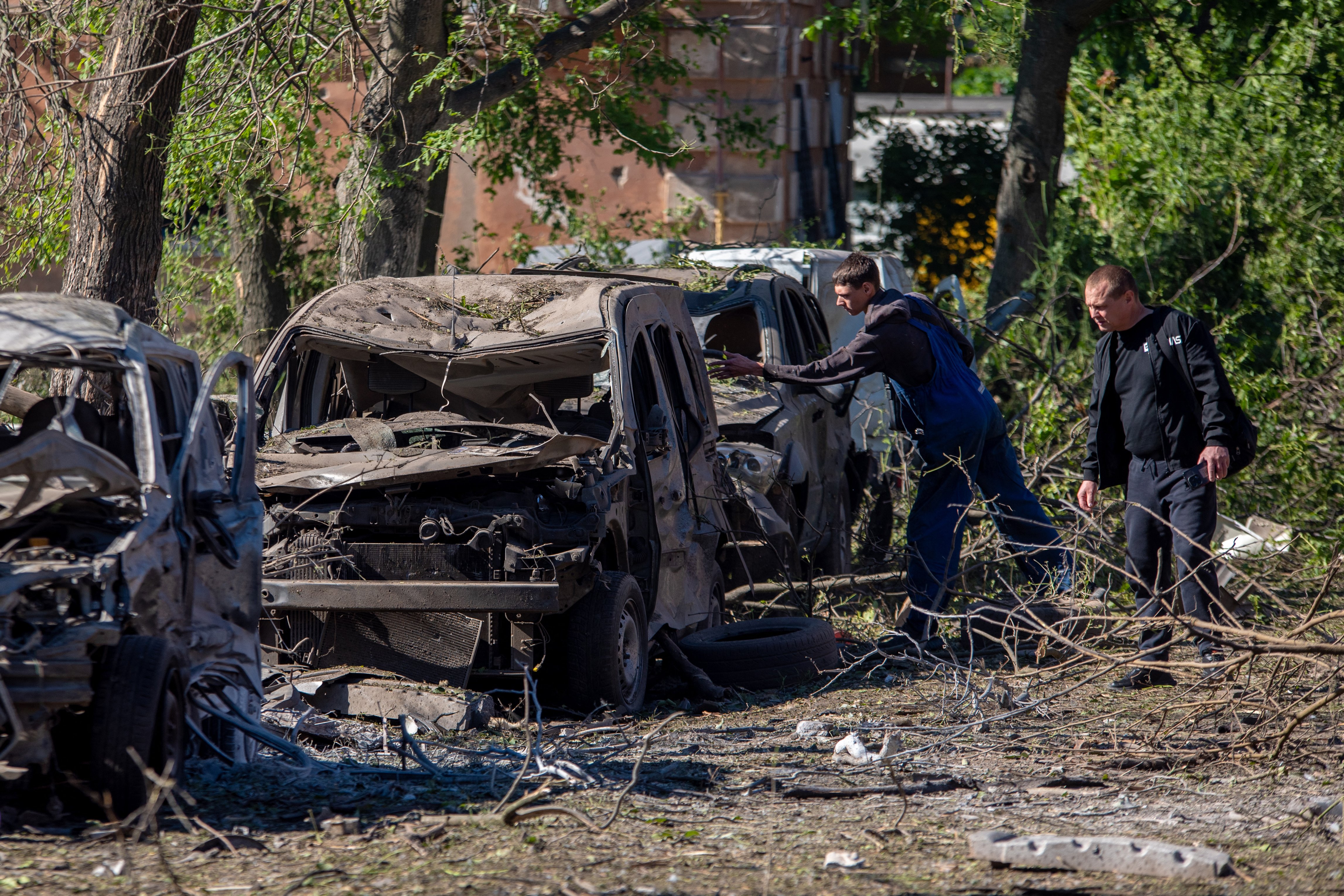
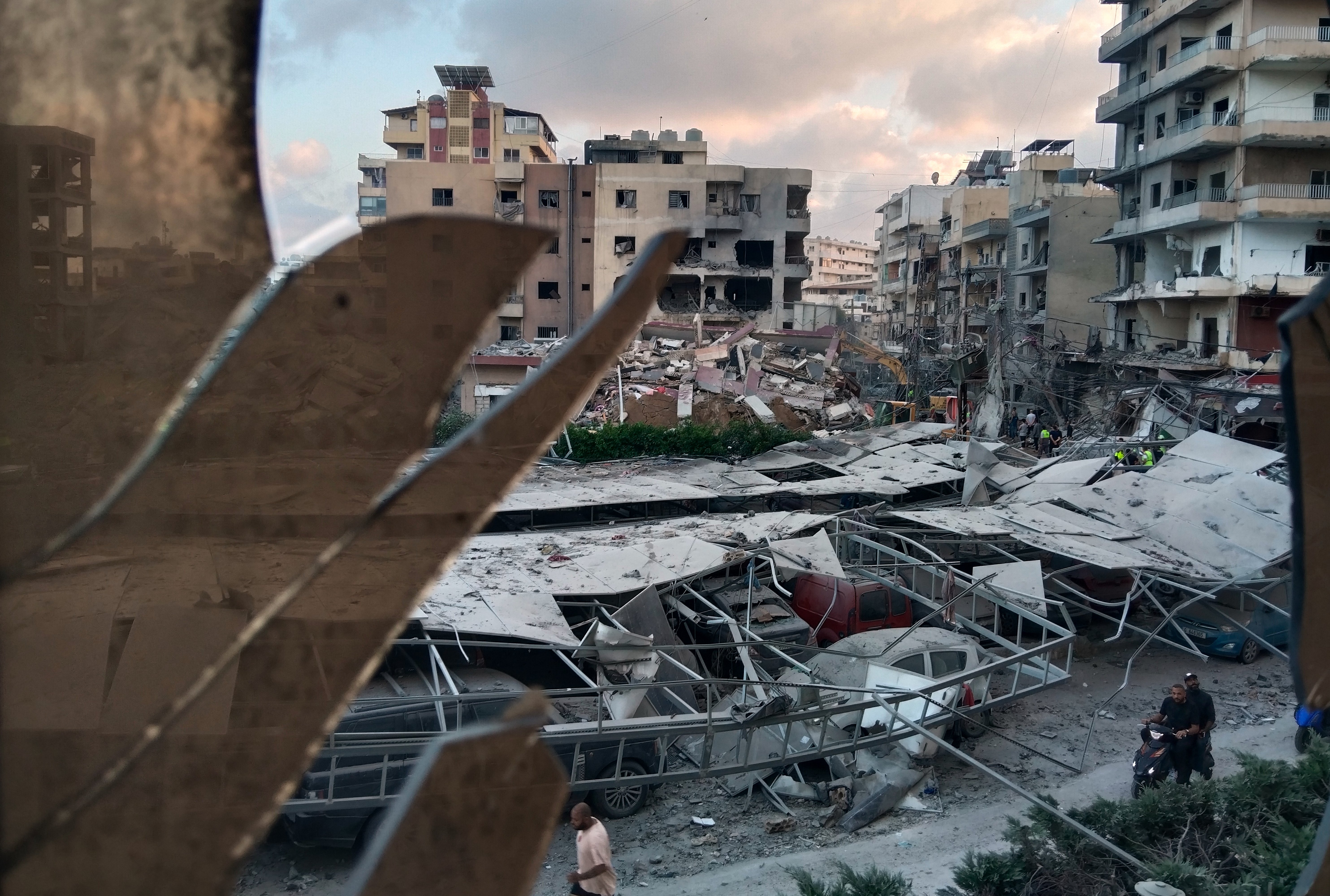
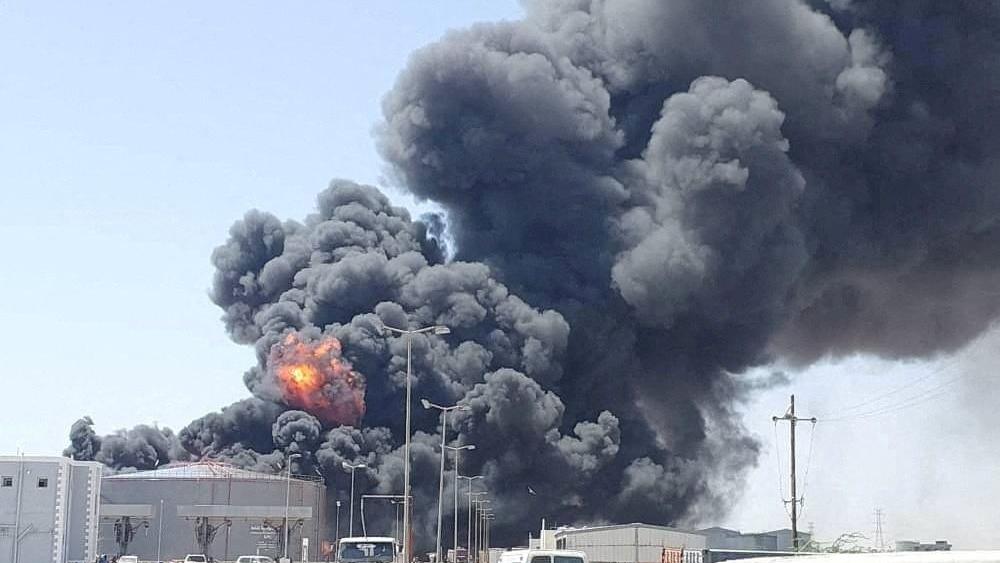
Beyond ground violence, the Sudan Civil War has increasingly been marked by aerial attacks on civilian areas. Recent drone strikes on civilian markets have killed dozens, including children, highlighting the expanding use of drone warfare in populated regions.
In parallel, reports of paramilitary attacks on civilians continue to emerge, with entire neighborhoods shelled and families caught in crossfire.
War crimes and collapse of accountability
Human rights investigators say the conflict is defined by war crimes and mass killings in El Fasher, with widespread violations committed by multiple actors.
The United Nations Human Rights Office has described RSF operations as “shocking in scale and brutality,” amounting to war crimes and possible crimes against humanity.
The collapse of judicial institutions has created an environment of near-total impunity. Victims have little access to justice, while perpetrators continue to operate without restraint.
Earlier coverage has also highlighted the struggle for war crimes and accountability, with limited international legal action failing to match the scale of abuses.
A humanitarian catastrophe without precedent
The widespread violence has triggered a humanitarian catastrophe in Sudan, with millions facing displacement, hunger, and lack of medical care.
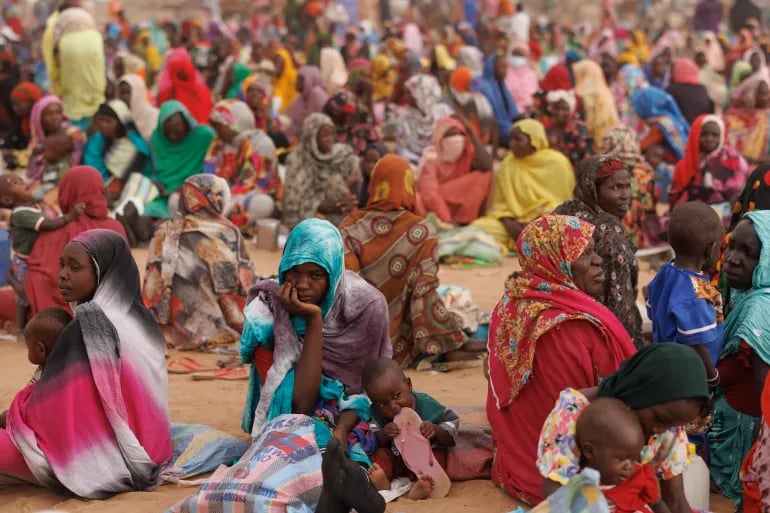
Displacement camps, often overcrowded and under-resourced, offer little protection. Women remain particularly vulnerable, facing continued threats of assault even after fleeing active combat zones.
Internal reporting has detailed the mass displacement and refugee crisis as conditions worsen across Darfur.
Foreign influence and deepening crisis
Analysts say the conflict has been prolonged and intensified by external dynamics, including arms flows and regional rivalries. Investigations into foreign powers fueling the conflict suggest that international involvement has complicated efforts to reach a resolution.
At the same time, the war’s effects are spilling beyond Sudan’s borders, raising concerns about broader regional instability.
A conflict with no end in sight
As the Sudan Civil War approaches its fourth year, there is little indication that the violence will subside. The conflict continues to evolve, with new tactics, expanding фронт lines, and worsening humanitarian conditions.
For millions of civilians, the war is no longer defined by political struggles or military objectives. It is defined by survival, amid violence that has become systematic, pervasive, and, in many cases, invisible to the outside world.
The testimonies emerging from Sudan challenge the international community to confront a crisis that continues to deepen. Whether that response will come in time remains uncertain.