Air raid sirens sounded across parts of Israel on Saturday after what authorities described as incoming fire from Iran and Lebanon, the latest sign that a conflict once fought in shadows has become overt and increasingly difficult to contain.
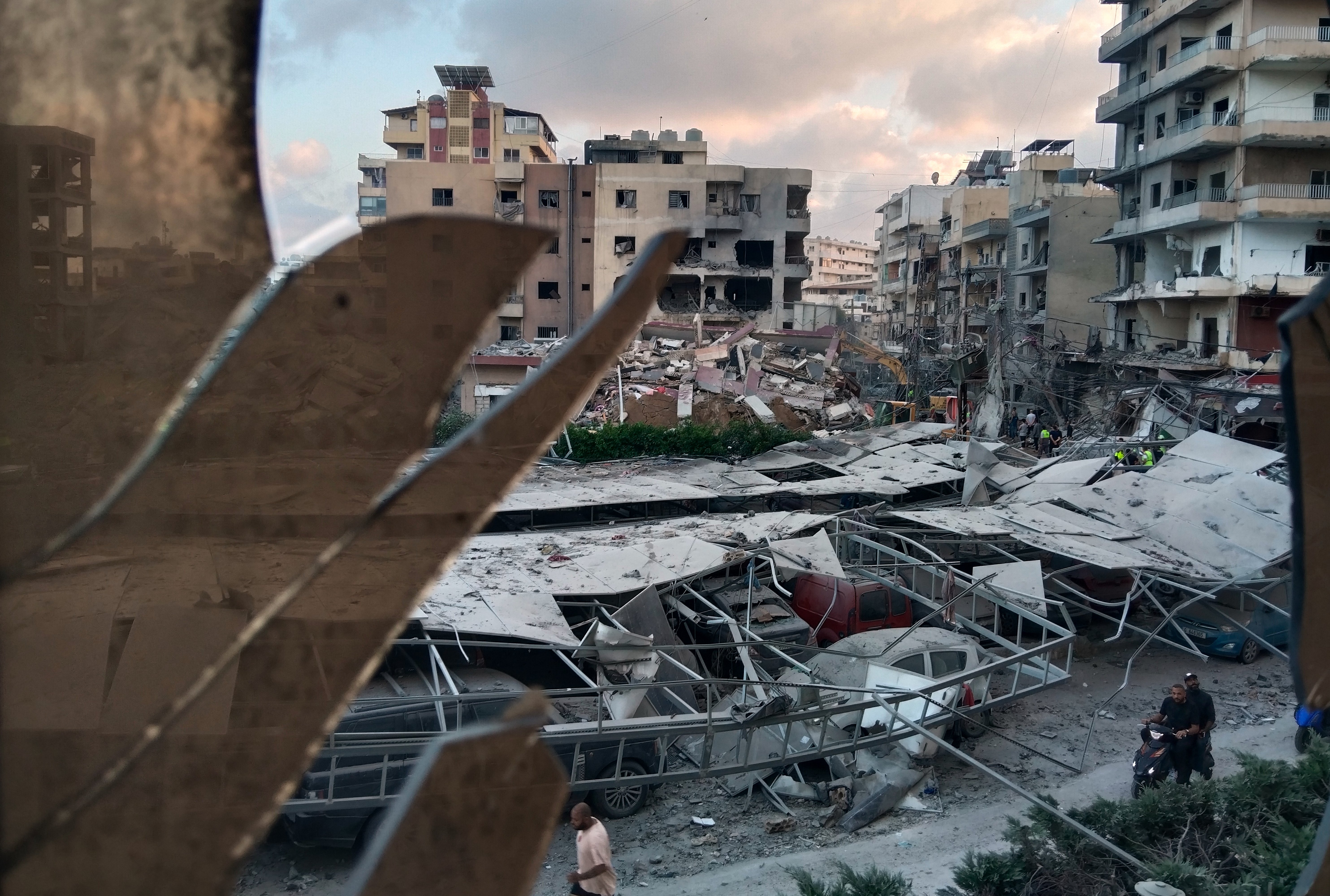
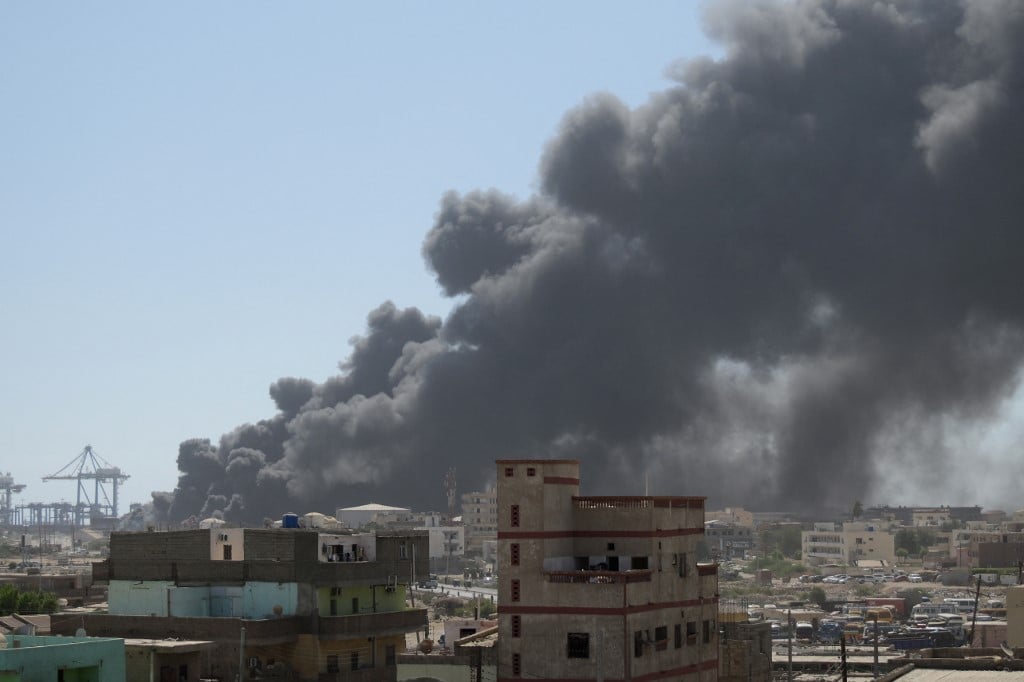
The alerts sent residents into shelters from northern towns to areas closer to the country’s center. In some areas, missile impacts caused damage to buildings and infrastructure, underscoring the growing reach of the confrontation.
The barrage followed Israeli strikes inside Iran, part of an expanding campaign that has drawn in multiple countries and raised concerns about a prolonged regional war.
Israeli strikes deepen confrontation with Iran
Israeli officials have said their operations are aimed at degrading Iran’s missile and drone capabilities. In recent days, Israel has carried out large-scale strikes targeting military infrastructure, including missile launchers and air defense systems.
Those strikes mark a shift from years of covert confrontation into direct conflict between the two countries. Iran has responded with missile and drone attacks targeting Israel, setting off repeated cycles of retaliation.

The US role moves from support to exposure
While Israel has carried out many of the strikes, the United States has played a central role in the campaign, providing military coordination and strategic backing.
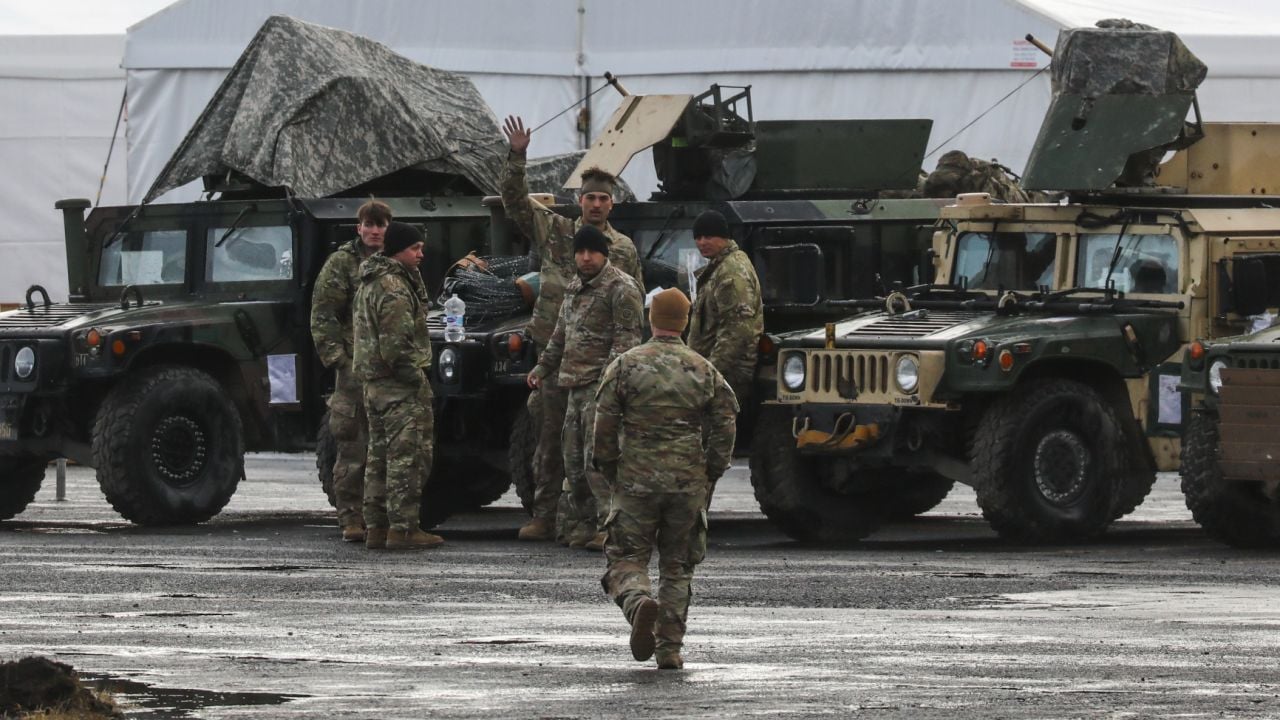
That involvement has come with increasing risk. In recent days, a US aircraft was shot down over Iran, forcing a high-stakes recovery effort. Reports indicate that American forces have been engaged in rescue operations after the jet was downed, highlighting the growing exposure of US personnel in the conflict.
The search for a missing crew member has further intensified tensions, with both sides treating the incident as a symbol of the war’s escalation.
At the same time, questions persist about Washington’s long-term strategy. Analysts have raised questions about US strategy and exit, particularly as the conflict expands without a clearly defined endpoint.
Lebanon becomes a second front
The conflict has spread beyond Israel and Iran, with Lebanon emerging as a major battleground.
Israeli forces have carried out airstrikes in Beirut and southern Lebanon, targeting Hezbollah positions as part of a broader effort to contain threats along Israel’s northern border.
Hezbollah, in turn, has intensified rocket attacks, effectively opening a second front and increasing pressure on Israeli defenses.
A regional conflict taking shape
What began as a direct exchange between Israel and Iran has evolved into a broader confrontation involving multiple actors across the region.
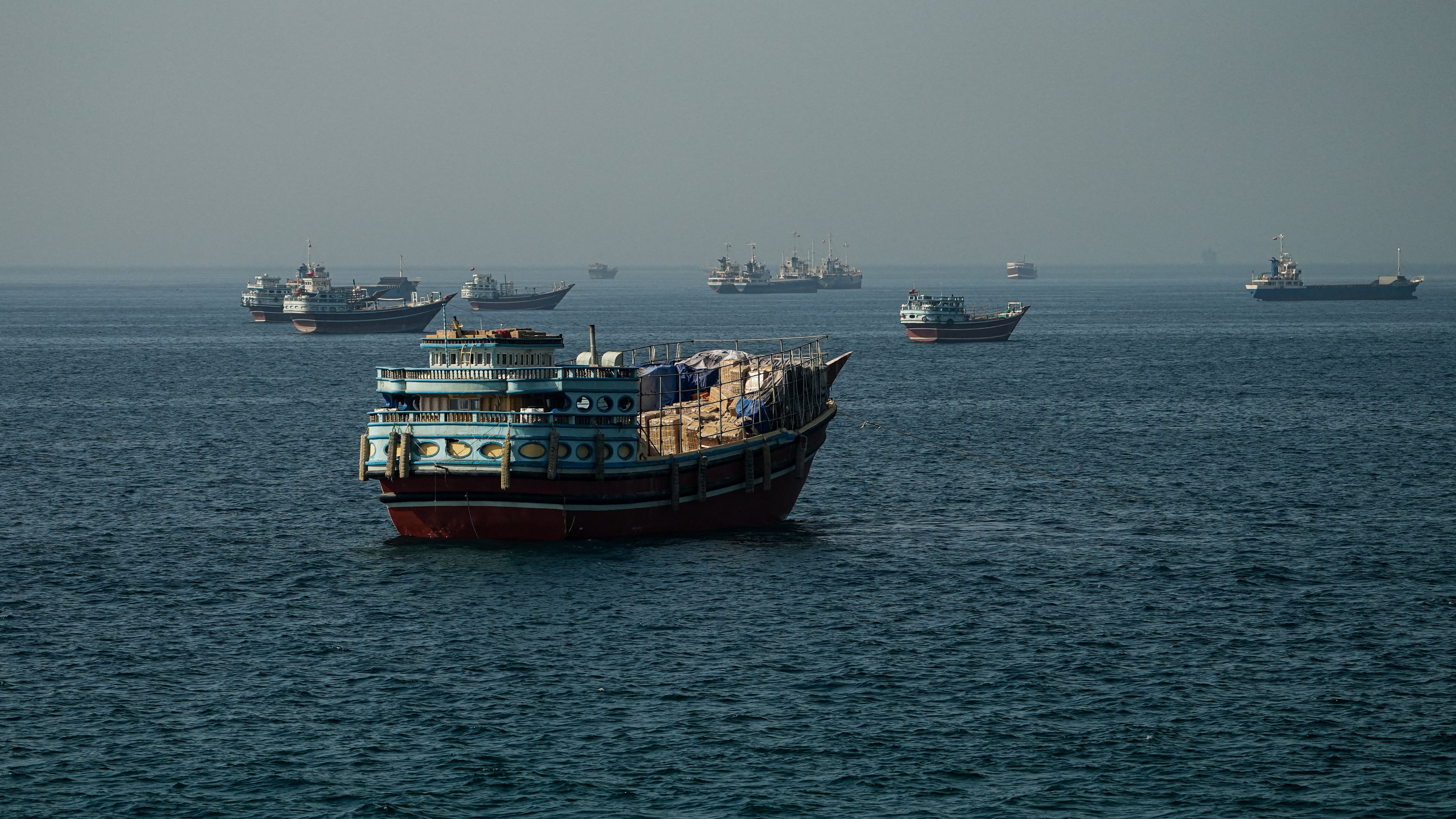
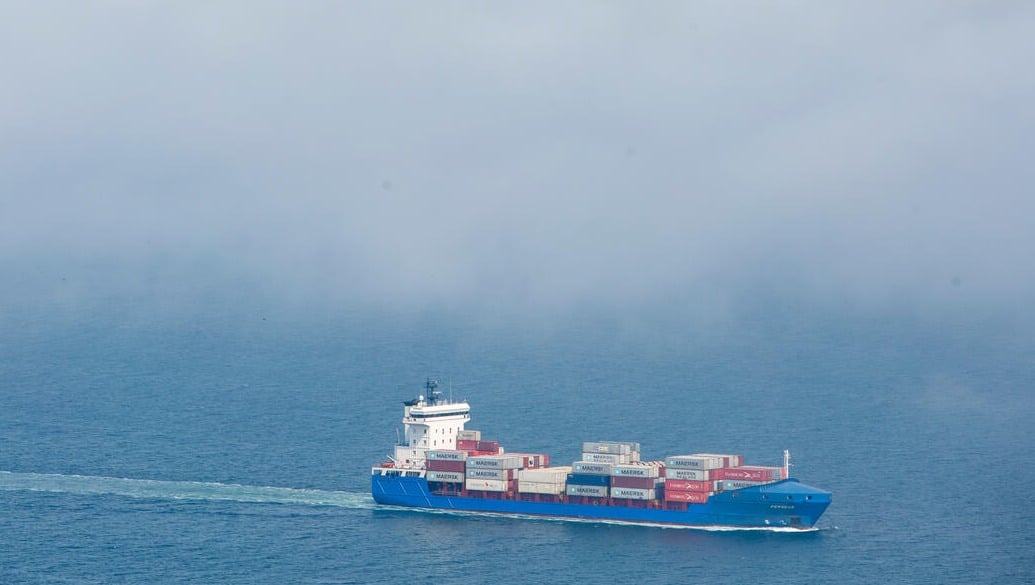
Iran has expanded its response beyond direct strikes. In one recent development, Iran targeted an Israel-linked vessel in the Strait of Hormuz, raising concerns about global energy supply routes and maritime security.
The strategic importance of the region has renewed focus on control over the Strait of Hormuz, a chokepoint critical to global oil flows.
Civilians bear the cost
Across the region, the human toll is mounting as strikes affect densely populated areas.
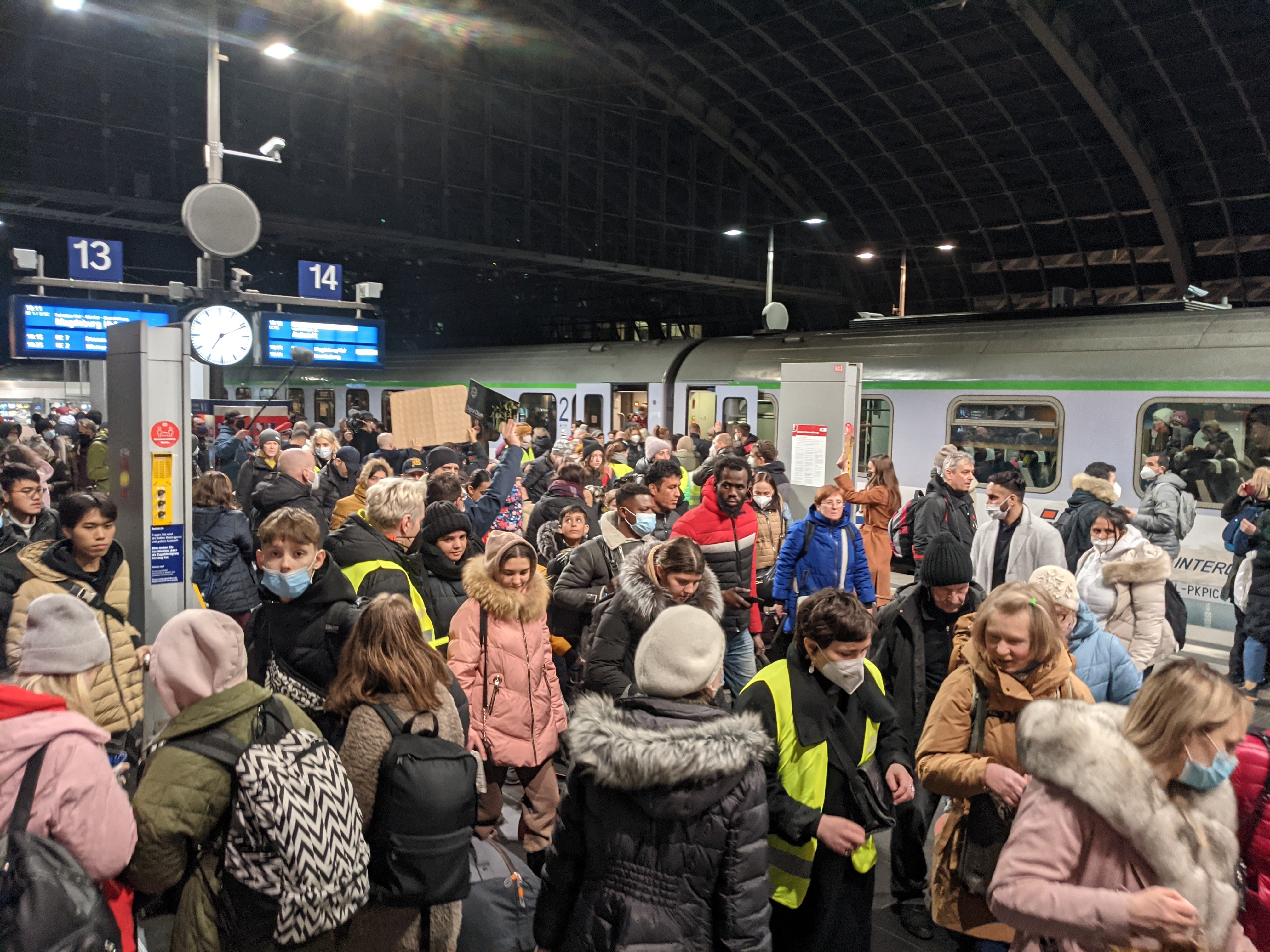
Humanitarian agencies report that the humanitarian toll is mounting across the region, with children among the most affected as displacement rises and infrastructure collapses.
Concerns have also been raised about civilian casualties and legal concerns, particularly as strikes hit areas near residential and civilian facilities.
No clear path to de-escalation
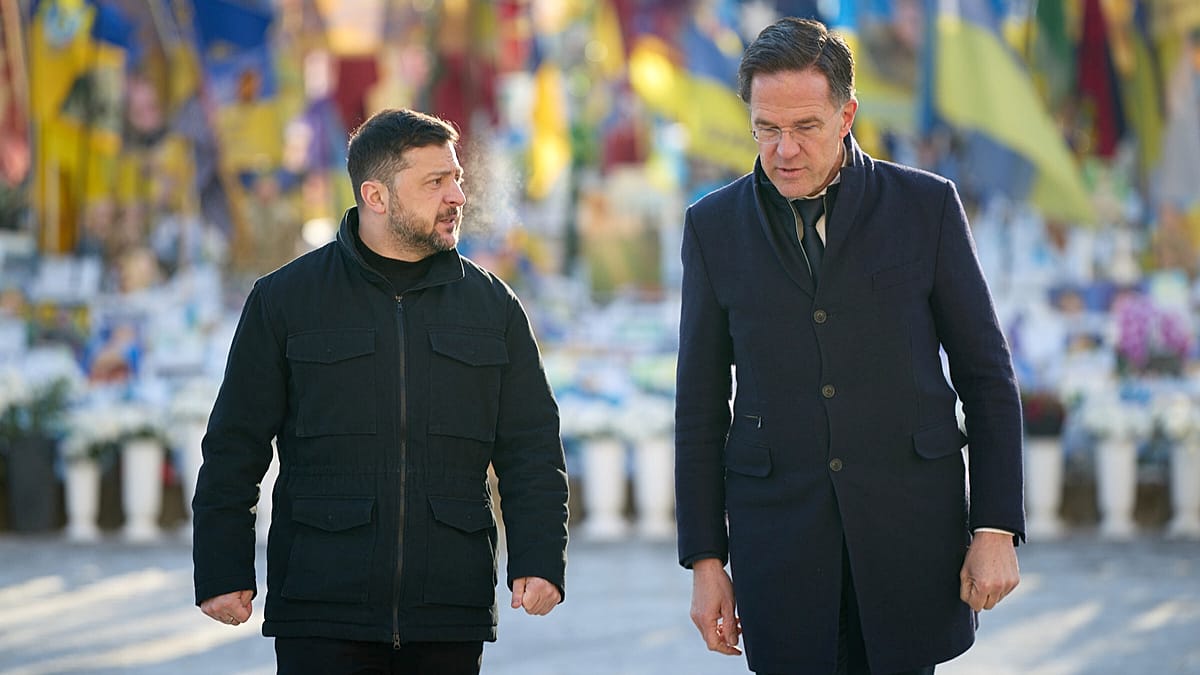
Despite the scale of the escalation, diplomatic efforts have struggled to gain traction. Iran has at times signaled openness to talks, while continuing military operations.
At the same time, the conflict has expanded into a wider regional war, complicating efforts to contain it or bring parties back to negotiations.
Earlier expectations of de-escalation have given way to skepticism, as ceasefire claims and battlefield reality continue to diverge.
A conflict no longer contained
The phrase “Israel attacks Iran” once described a possibility debated by policymakers. It now defines an active and expanding conflict.
Sirens in Israeli cities, airstrikes in Iran, and fighting in Lebanon are no longer separate developments. They are part of the same war, one that continues to spread across borders with no clear limit.
This escalation comes amid ongoing coverage of the latest global war updates and geopolitical shifts shaping the Middle East crisis.