Global financial markets recoiled on Monday after President Donald Trump ordered a naval blockade targeting Iranian oil exports, a move that sent oil prices surged past $100 a barrel and reignited fears of a prolonged economic shock driven by geopolitical confrontation.
The decision, announced after the collapse of US–Iran negotiations over the weekend, marked one of the most aggressive escalations in recent months. Analysts across energy and financial markets warned that the strategy risks destabilizing global supply chains while failing to compel Tehran into submission.
On Wall Street, the reaction was swift and uneasy. The Dow Jones Industrial Average fell more than 250 points, while the S&P 500 hovered near flat and the Nasdaq Composite edged slightly higher, reflecting a market struggling to reconcile geopolitical risk with corporate resilience. Wall Street volatility underscored investor anxiety.
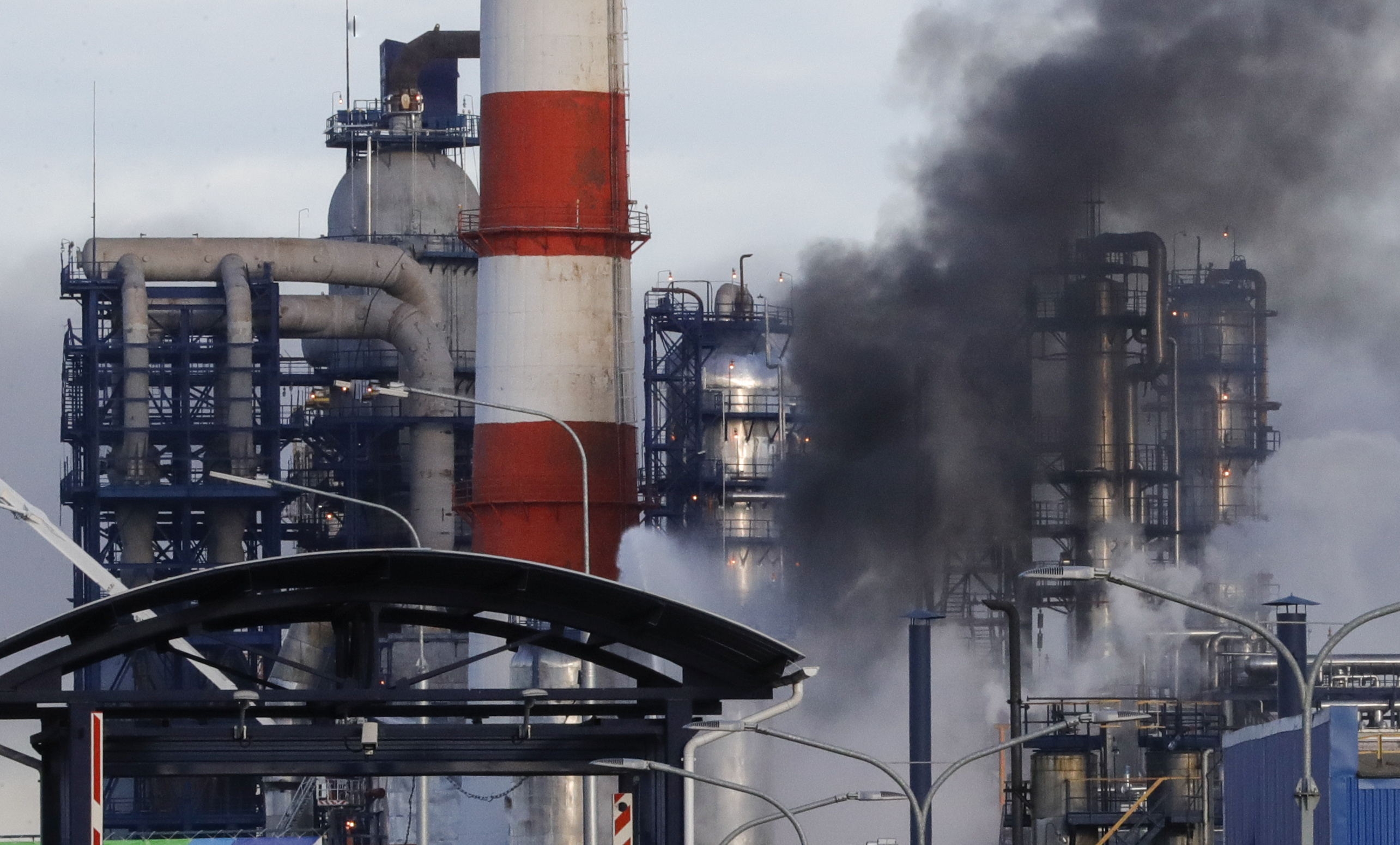
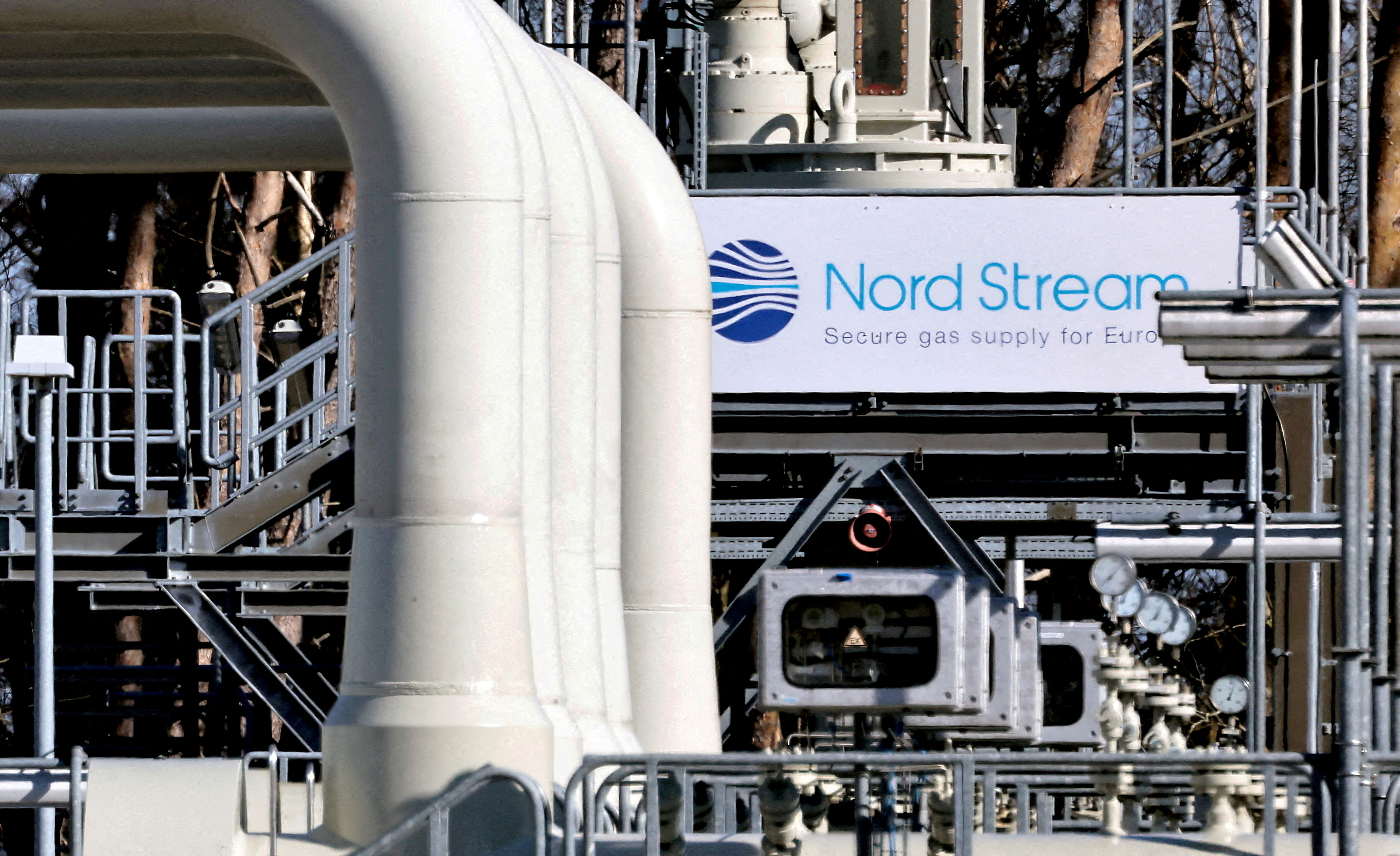
Behind the volatility lies a deeper structural concern: oil. Crude prices climbed more than 6 percent, breaching the psychologically significant $100 threshold after the blockade announcement disrupted one of the world’s most critical energy corridors.
The Strait of Hormuz, through which a substantial share of global oil flows, has once again become the focal point of economic anxiety. The chokepoint remains central to Tehran’s strategic leverage, with analysts warning that any prolonged disruption could reshape global energy flows. Strait of Hormuz tensions have intensified uncertainty.
For investors, the implications are immediate. Rising energy costs threaten to reverse months of easing inflation trends, complicating expectations that the Federal Reserve might pivot toward rate cuts later this year.
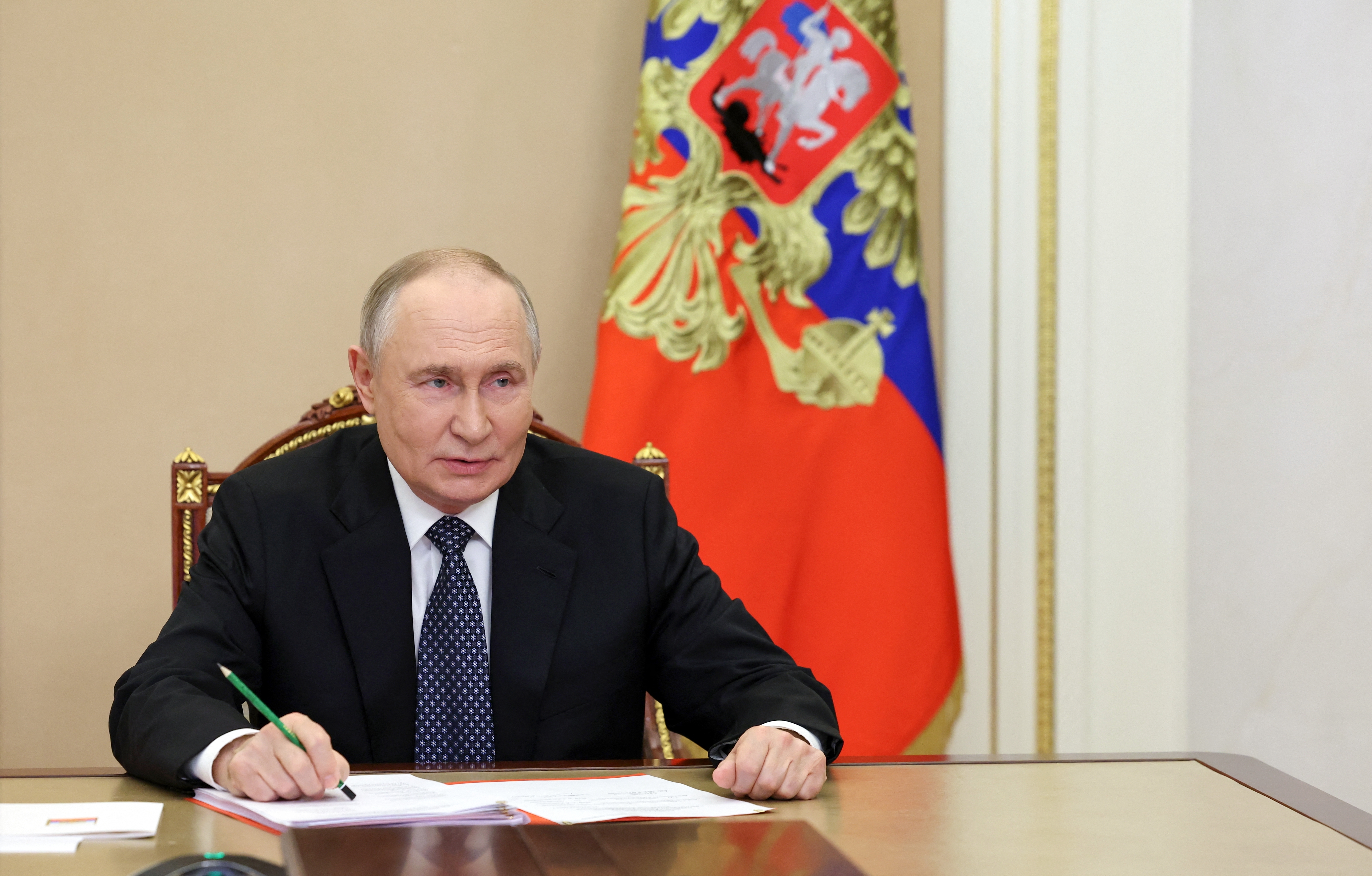
Yet the deeper critique emerging from analysts and policymakers centers not on market reaction, but on the strategy itself. Trump’s decision to impose a military blockade, widely viewed by international observers as an act of economic coercion, has been criticized as a high-risk maneuver with predictable economic fallout.
Iran, for its part, has signaled resilience. Officials in Tehran have framed the blockade as an escalation that reinforces longstanding claims of US pressure. Rather than retreat, Iran has continued to assert influence over shipping flows in the region.
This dynamic reflects a broader shift in the balance of power within the global oil market. The crisis has already produced significant supply disruptions, amplifying volatility across global markets and increasing uncertainty for policymakers worldwide.
Energy companies were among the few beneficiaries of the turmoil. Shares of major producers climbed as oil producers rose, with investors seeking refuge in sectors positioned to gain from sustained price increases.
The broader global response has been cautious, with governments and institutions weighing the risks of escalation. At the same time, concerns about oil demand have emerged as a critical factor shaping forward expectations.
Critics argue that the administration’s approach risks repeating a familiar pattern: aggressive policy moves that generate immediate disruption without delivering long-term strategic gains. Trump’s threats of military force have further heightened tensions, raising the likelihood of sustained instability.
For now, markets remain caught between competing forces: strong corporate earnings on one side, and escalating geopolitical risk on the other. The result is a fragile equilibrium, where developments in the Gulf continue to dictate financial direction.
Without de-escalation, the economic consequences are expected to deepen, leaving global markets increasingly vulnerable to policy decisions and strategic miscalculations.