President Donald Trump said Tuesday that the United States would temporarily halt “Project Freedom,” the naval operation launched only days earlier to escort commercial vessels through the Strait of Hormuz, as Washington pursued what he described as “serious progress” in negotiations with Iran.
The announcement marked the clearest indication yet that the White House is attempting to shift from military confrontation toward emergency diplomacy after weeks of rising tensions across one of the world’s most strategically vital waterways.
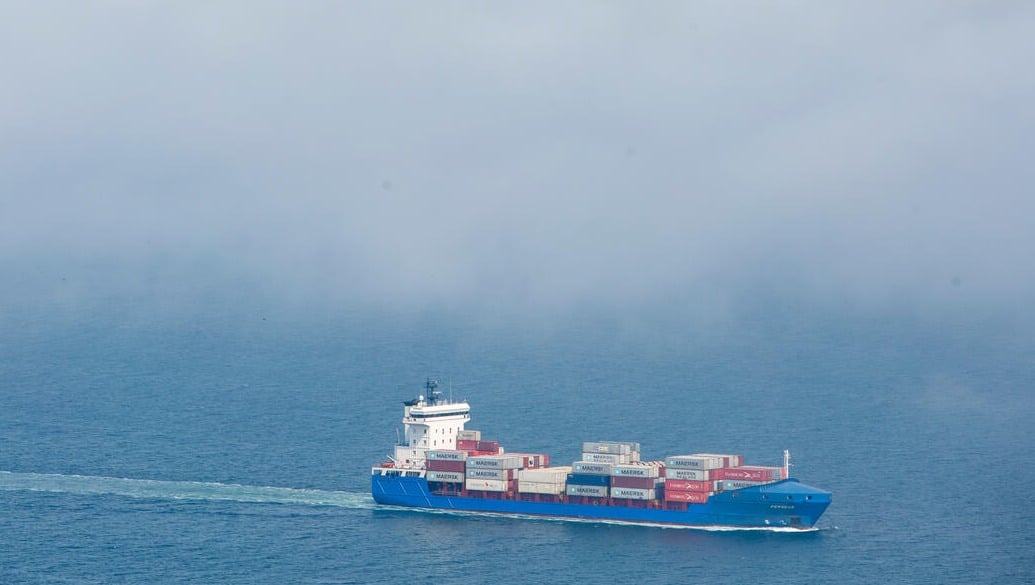
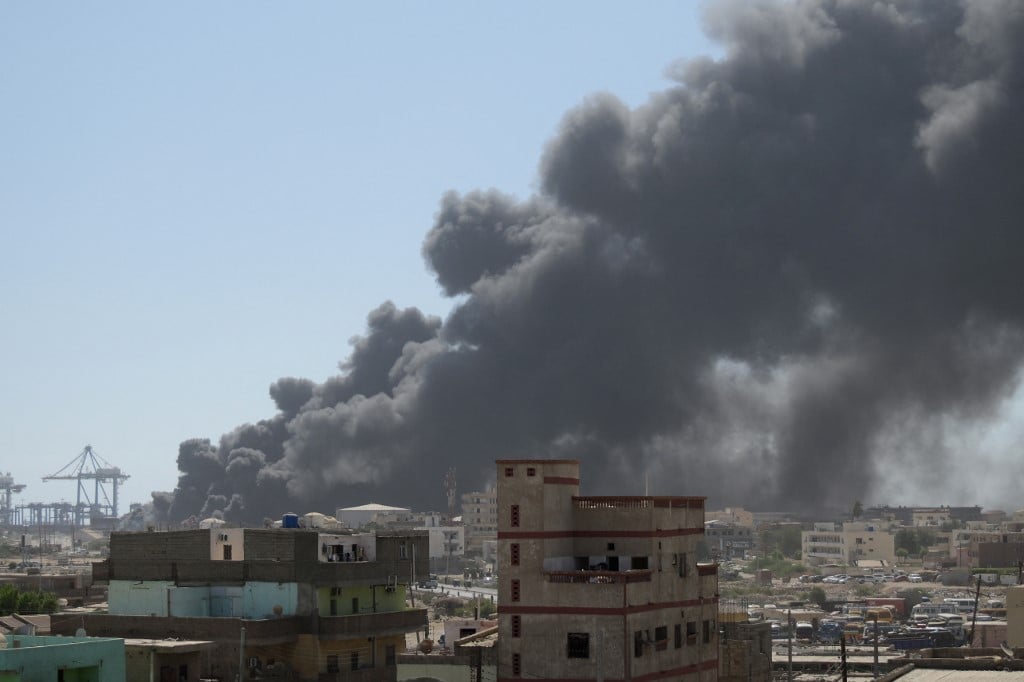
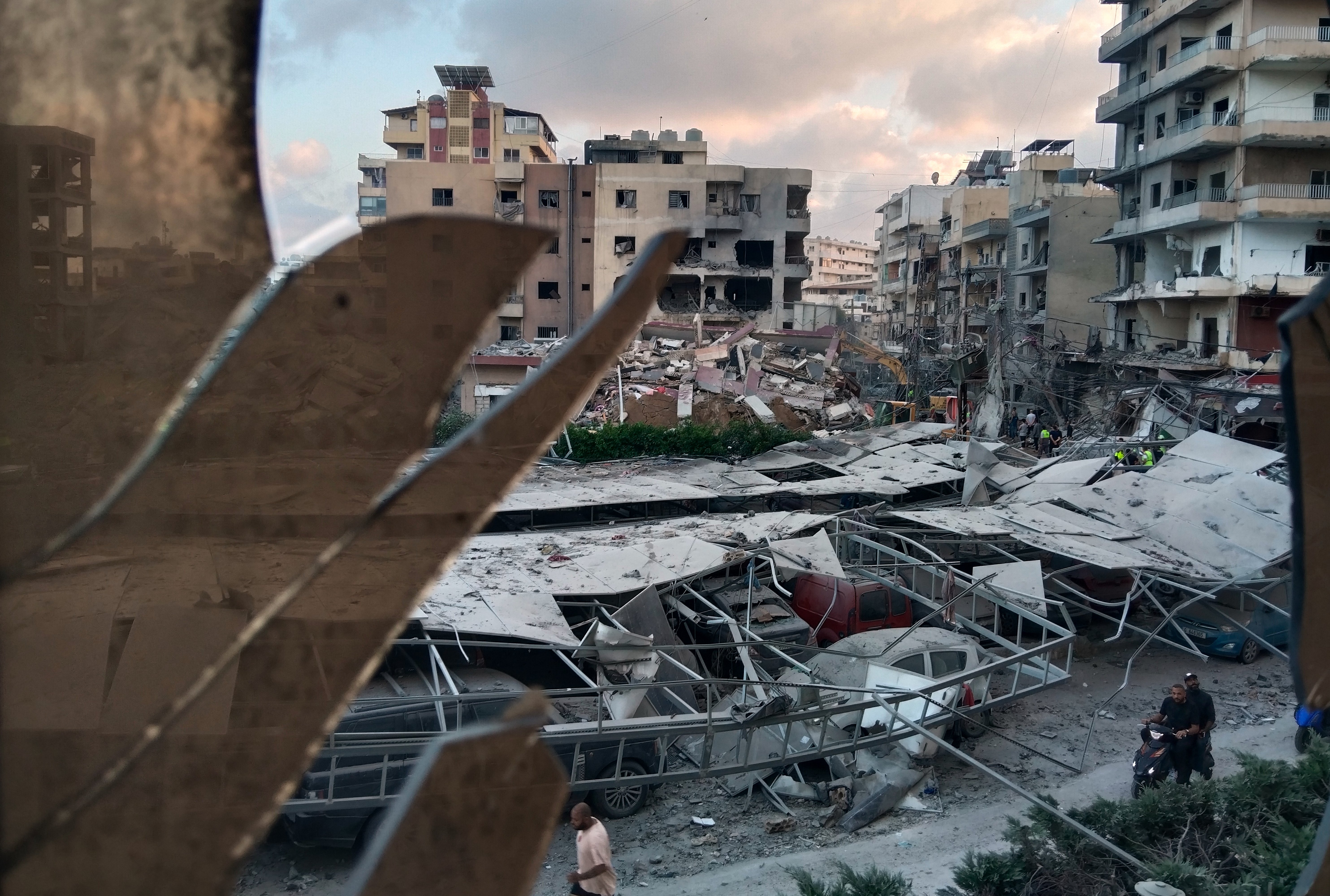
The Strait of Hormuz, a narrow maritime corridor linking the Persian Gulf to global shipping lanes, carries roughly one-fifth of the world’s oil supply. Since late February, the region has become the center of an increasingly volatile confrontation involving Iran, US naval forces, Gulf states, and Israel, disrupting energy markets and triggering fears of a broader regional war.
Speaking from Washington, Trump said the operation would be paused “for a short period” to allow diplomatic channels to continue working, while insisting that the United States remained prepared to protect maritime traffic if negotiations collapsed.
The operation, announced over the weekend under the name “Project Freedom,” was initially framed by the administration as a humanitarian and security effort aimed at guiding stranded commercial ships through waters that had effectively become a conflict zone. According to an US effort to guide vessels through the Strait of Hormuz, thousands of sailors and dozens of vessels had remained trapped near the waterway after repeated drone and missile incidents.
Secretary of State Marco Rubio said Monday that Washington had “achieved the objectives” of its earlier military campaign against Iranian targets and was now focused on stabilizing commercial transit routes rather than expanding the conflict itself.
The abrupt shift in tone underscored growing concern inside Washington over the economic consequences of a prolonged confrontation with Tehran. Global oil markets have reacted sharply in recent weeks, with shipping insurers raising rates across the Gulf and several international carriers rerouting cargo away from the region.
Diplomats familiar with the negotiations said intermediaries, including Pakistan and regional Gulf states, had intensified efforts in recent days to prevent the crisis from spiraling further. Trump himself acknowledged that multiple countries had urged Washington to give diplomacy more time.
Even as the White House promoted de-escalation, the broader military confrontation remained unresolved.
The United States continues to maintain pressure on Iranian shipping infrastructure, while Iranian authorities have shown no sign of relinquishing leverage over access to the Gulf. Maritime analysts increasingly describe the situation as a maritime blockade crisis, with both sides exerting varying forms of control over commercial traffic moving through the region.
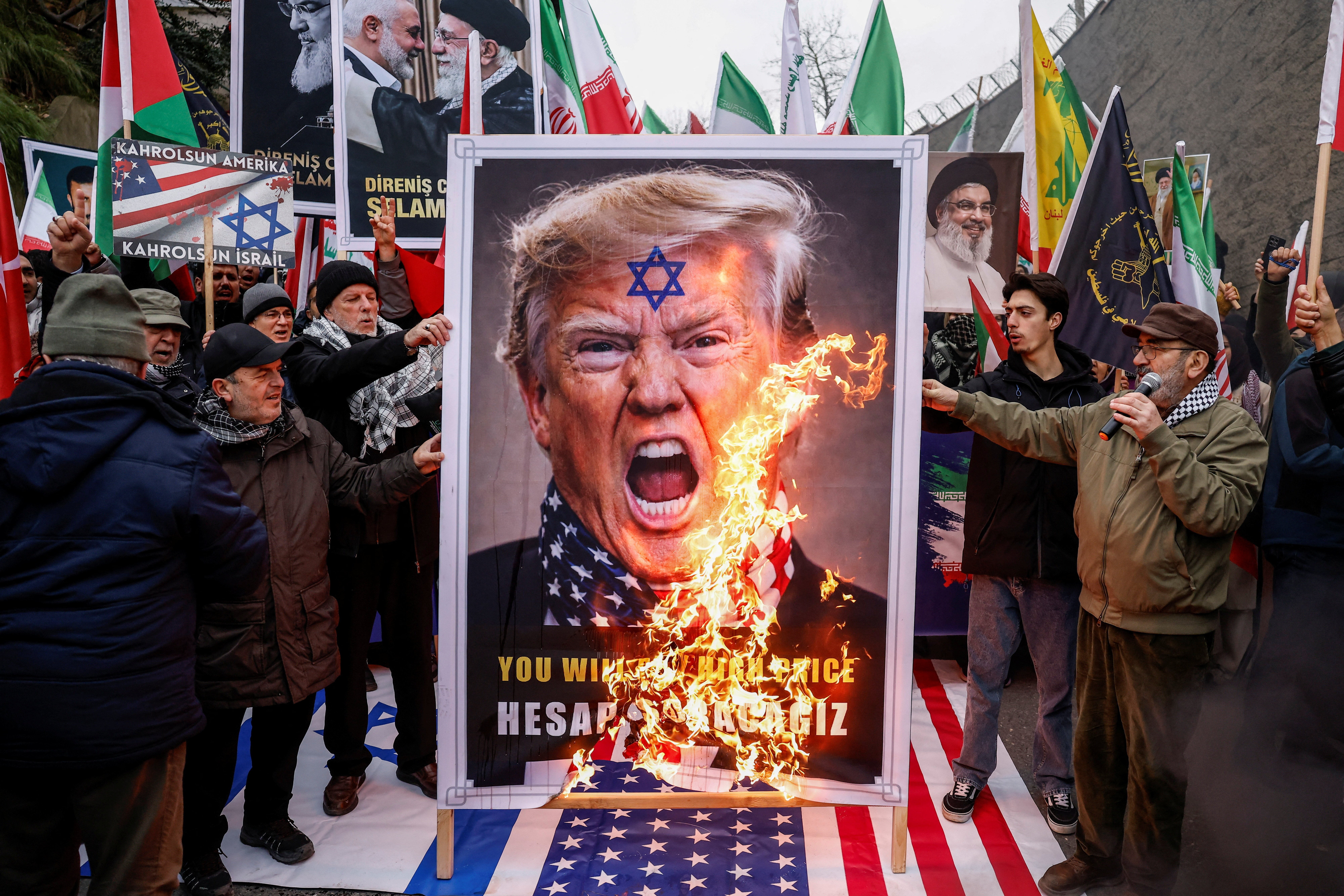
In Tehran, Iranian officials have publicly maintained that foreign military activity near the Strait constitutes a violation of regional security, though Iranian negotiators have continued indirect discussions through mediators. Diplomats close to the process say broader Iran talks may now include maritime guarantees, sanctions relief, and security arrangements aimed at preventing another direct confrontation.
The White House has provided few details about the substance of the negotiations. Trump nevertheless suggested Tuesday that discussions had advanced further than many officials expected.
“We’ve made great progress,” he told reporters, while declining to specify whether sanctions relief, maritime guarantees, or Iran’s nuclear program formed the core of the talks.
The administration’s decision to pause the operation also reflected mounting political pressure at home.
Several lawmakers in Congress had questioned whether the White House risked drifting toward a wider war without formal authorization, especially after recent US strikes on Iranian military assets under the broader campaign known as “Operation Epic Fury.” Rubio argued earlier this week that the administration remained within legal limits because the primary combat phase had concluded.
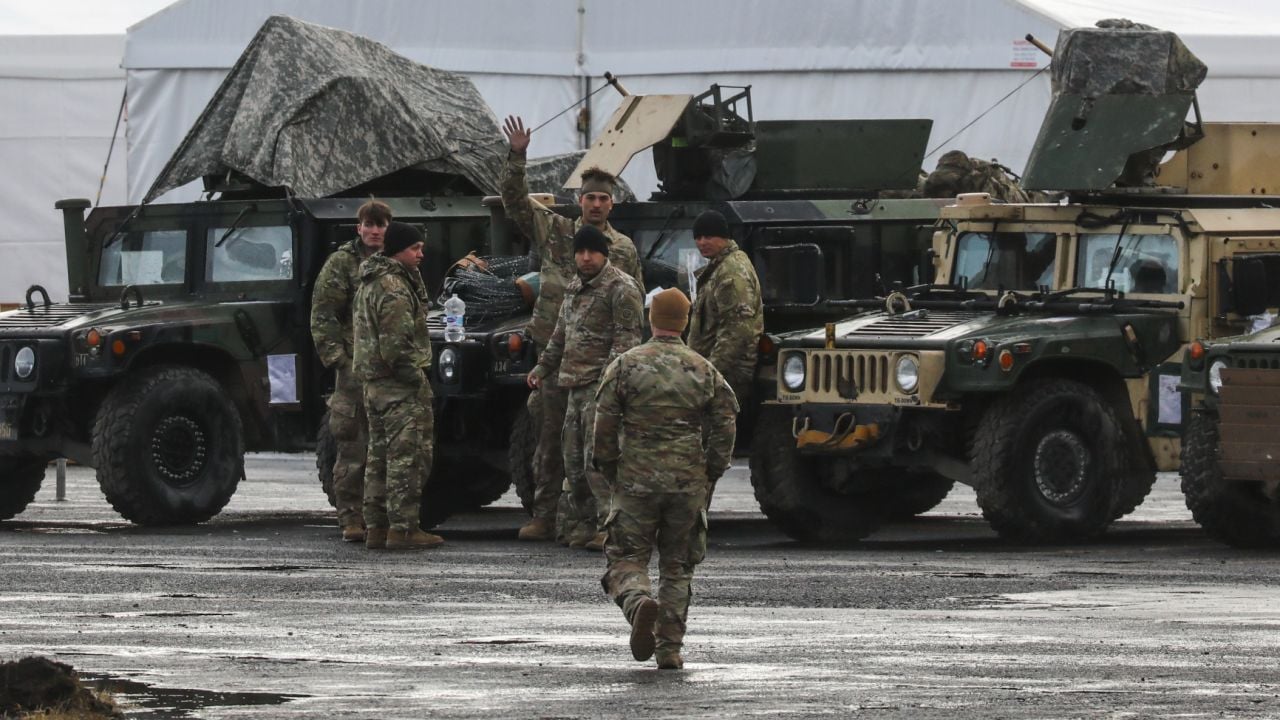
Military officials insisted the United States retained the capability to restart escort operations immediately if commercial shipping again came under large-scale attack.
Pentagon officials said Project Freedom had already enabled several vessels to pass through the Strait under US protection, though overall maritime traffic remains far below normal levels.
The crisis is also reshaping broader geopolitical alignments. China has emerged as a central diplomatic actor, while Gulf governments increasingly fear being trapped between Washington’s military posture and Tehran’s regional influence.
South Korea said Tuesday it had suspended review of possible participation in the naval mission after Trump announced the pause, highlighting how rapidly allied governments are recalibrating their positions.
Analysts say the current Strait of Hormuz crisis has evolved into one of the most consequential foreign policy tests of Trump’s second term, exposing the fragile balance between military deterrence and economic stability in a region that remains essential to the global energy system.
The pause has also revived debate over whether Washington’s strategy toward Tehran is producing stability or merely amplifying uncertainty. Critics argue the administration’s confrontational approach helped trigger the very disruptions now shaking energy markets and international shipping routes.
Recent volatility across Wall Street and commodity markets reflects those fears. Investors remain deeply sensitive to any sign of escalation, especially after repeated warnings that prolonged disruption in the Gulf could trigger a broader economic slowdown.
For now, the White House appears determined to present the suspension not as a retreat, but as a calculated attempt to convert military pressure into diplomatic leverage.
Whether Tehran views it the same way may determine whether the current pause becomes the foundation for negotiations or merely another temporary break in an increasingly dangerous confrontation.