The Trump administration has signaled that it may be searching for an exit from the spiraling Iran war after Tehran confirmed it is reviewing a US-backed proposal aimed at halting the conflict that has destabilized the Middle East, disrupted global oil markets, and pushed the region closer to a broader military confrontation.
US President Donald Trump said Washington had held very good talks with Iran and suggested a deal could emerge quickly if Tehran accepts the framework currently under discussion through Pakistani mediation channels. Iranian officials, however, remain cautious, insisting that major disputes involving sanctions, military pressure, and regional security guarantees remain unresolved.
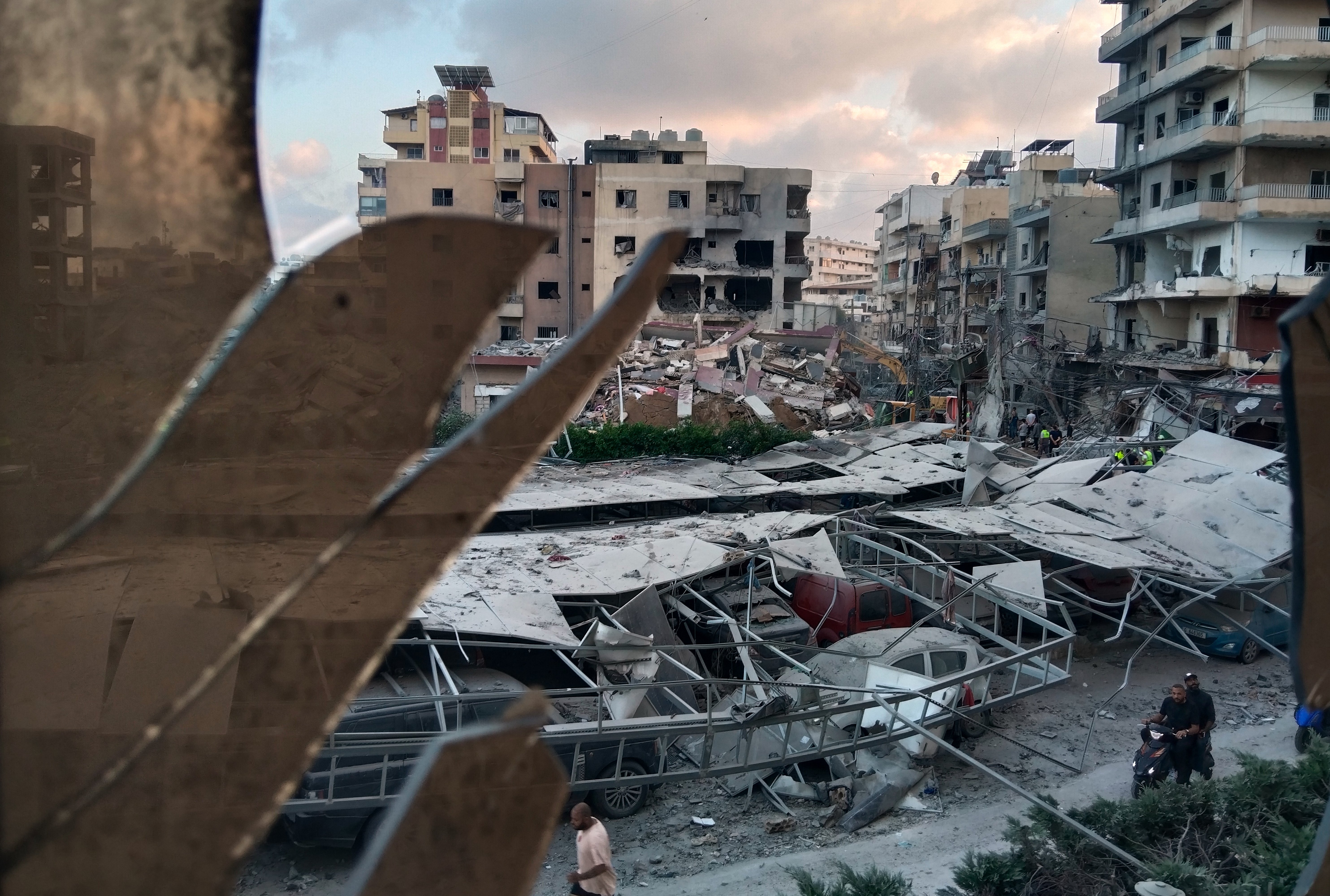
The latest diplomatic maneuvering comes as Israel intensified military operations in Lebanon. Israeli strikes on Beirut targeted what Tel Aviv described as a senior Hezbollah commander, raising fears that the war could spread further across the region.
Iran’s Foreign Ministry spokesman Esmaeil Baghaei confirmed that Tehran was reviewing the latest US proposals to end war and would formally communicate its response through mediators. Iranian officials have emphasized that any agreement must include guarantees against renewed attacks and a reduction in economic pressure imposed through US sanctions and naval restrictions in the Gulf.
According to diplomatic sources, the proposed framework is not a final peace agreement but a temporary memorandum intended to suspend hostilities while opening a 30-day negotiating window for broader talks involving Iran’s nuclear activities, sanctions relief, missile programs, and regional alliances. Reuters reported that Trump sees swift end to war if Tehran accepts the outline currently under discussion.
The growing Strait of Hormuz crisis has once again exposed the fragile balance of power between Iran, Israel, and the US in the Middle East.
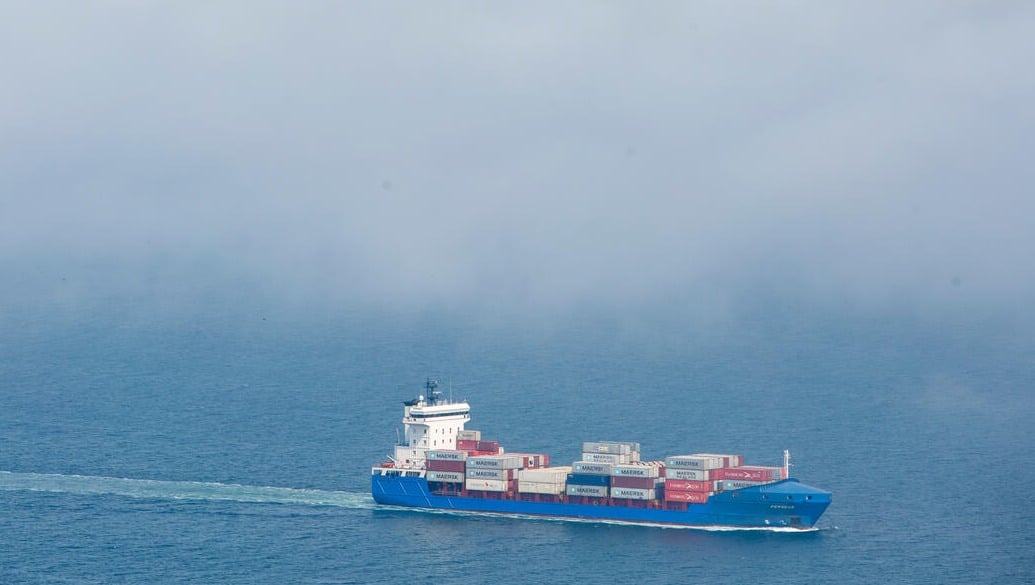
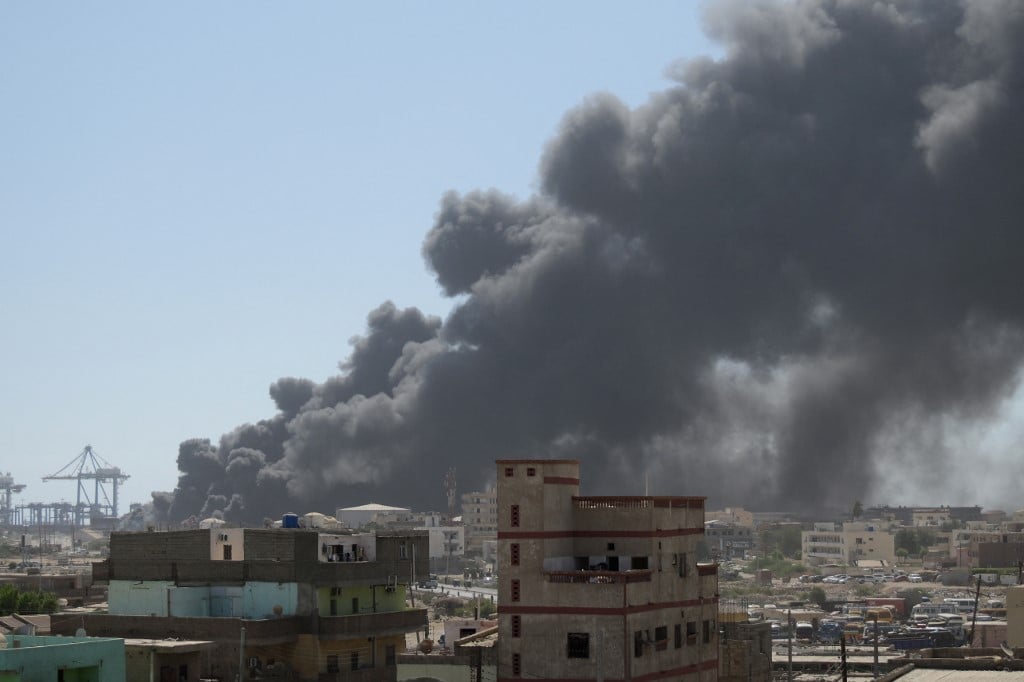
For weeks, the Strait of Hormuz has remained at the center of the confrontation. Iran’s restrictions on maritime traffic and US military operations around Gulf shipping lanes triggered fears of a global energy shock, with oil markets reacting sharply to every escalation.
Trump recently paused the US naval operation known as Project Freedom, which had been launched to escort commercial vessels through Hormuz after weeks of rising tensions and attacks on shipping routes. The move was interpreted internationally as an attempt to create space for diplomacy.
Iranian negotiators reportedly pushed for a phased agreement in which tensions surrounding Gulf shipping routes would be addressed before nuclear negotiations resumed. Tehran has long argued that Washington cannot expect strategic concessions while simultaneously imposing sanctions and threatening military action.
The Trump administration, meanwhile, continues insisting that Iran must never obtain nuclear weapons and must eventually accept restrictions on missile development and regional military influence. Yet the latest framework appears to postpone those contentious issues in favor of immediate de-escalation measures.
Diplomatic sources familiar with the talks say Pakistan has played a crucial intermediary role between Washington and Tehran, helping facilitate indirect communication as both sides attempted to avoid a wider regional war. China and Russia have also reportedly encouraged negotiations while criticizing Western military pressure on Iran.
The broader conflict has dramatically reshaped Middle East geopolitics since the war erupted earlier this year following US and Israeli strikes on Iranian targets. Tehran responded with missile attacks, maritime restrictions, and support for allied groups across the region, while Israel expanded operations in Lebanon and Syria.
Israel intensified military operations in Lebanon this week with new airstrikes on Beirut, threatening to ignite another front in the conflict. Lebanese officials warned the attacks could collapse fragile ceasefire arrangements along the Israeli-Lebanese border.
The humanitarian and political consequences of the conflict have intensified regional instability. Lebanon’s infrastructure has suffered extensive damage, while shipping disruptions and sanctions have severely impacted economies across the Gulf. International aid agencies have warned about growing humanitarian risks linked to displacement and shortages of essential supplies.
Inside Iran, the government faces mounting economic strain caused by sanctions, war-related disruptions, and declining oil exports. Yet Iranian leaders continue portraying resistance against US and Israeli pressure as a matter of national sovereignty and regional security.
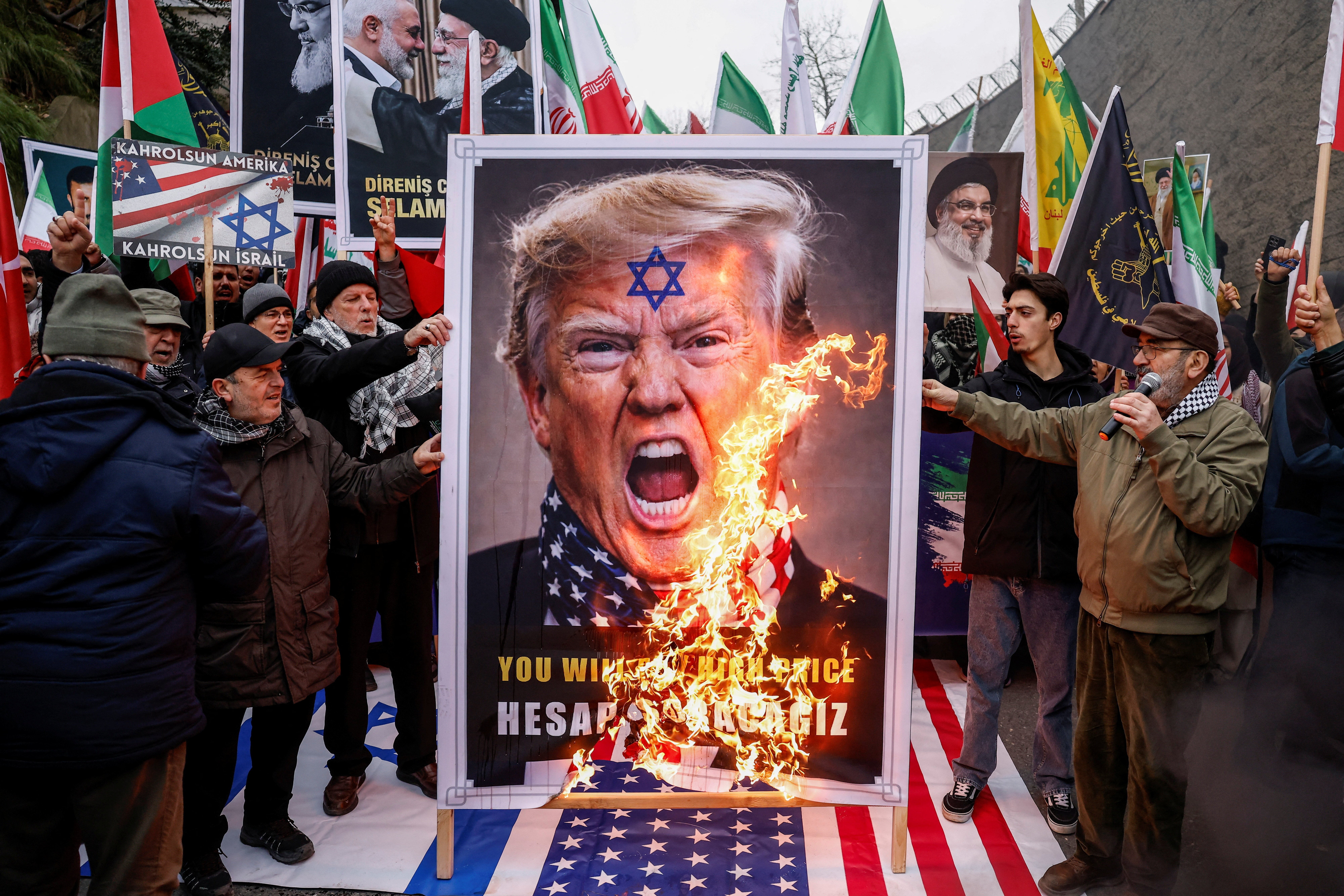
Trump’s position has also become politically sensitive inside the US. Critics argue the administration underestimated the regional consequences of military escalation against Iran, while supporters claim Washington’s pressure campaign forced Tehran back to negotiations.
The war has also exposed divisions among US allies. Several European governments resisted calls for deeper military involvement in the Gulf, while Gulf Arab states reportedly urged Washington to avoid a prolonged confrontation that could devastate energy infrastructure and economic stability.
Saudi Arabia’s role has emerged as particularly significant. Riyadh reportedly opposed expanded use of regional military facilities for direct escalation against Iran, reflecting growing concern that an uncontrolled conflict could threaten Gulf security and global oil markets.
Despite the apparent diplomatic momentum, major obstacles remain unresolved. Reuters noted that key demands remain unresolved, including disagreements over uranium enrichment, sanctions relief, and regional military guarantees.
Markets nevertheless reacted positively to reports of possible negotiations. Oil prices fell sharply amid hopes that a temporary agreement could stabilize shipping through Hormuz and reduce fears of a broader regional energy crisis.
Analysts caution that the current proposal represents only a temporary pause mechanism rather than a durable peace settlement. The deeper issues driving the conflict, including Iran’s nuclear program, Israel’s regional military posture, US sanctions policy, and the future of armed groups aligned with Tehran, remain unresolved.
The emerging diplomatic process also coincides with growing scrutiny of Israel’s military campaign. Several analysts believe Netanyahu expands war calculations could complicate negotiations between Tehran and Washington.
Regional fears intensified further after reports that missiles hit Tel Aviv during recent exchanges involving Iranian-aligned forces.
The wider geopolitical crisis has also spilled into global energy diplomacy. The recently renewed Iran Russia energy deal signaled that major powers continue maneuvering for strategic influence as the war reshapes alliances and trade routes.
Al Jazeera reported that Tehran is still Tehran reviewing US proposals while maintaining deep skepticism about Washington’s intentions.
Trump himself claimed the conflict could de-escalate rapidly and said the war will be over quickly if Tehran agrees to the current framework.
At the same time, Trump warned that military operations could intensify if diplomacy collapses. The administration has continued referencing Operation Epic Fury as evidence of US military leverage during negotiations.
Concerns over maritime security remain central to negotiations after weeks of confrontation involving the Strait of Hormuz blockade and threats to international shipping routes.
Even with negotiations underway, regional observers warn the Middle East remains dangerously close to a wider regional war. Israeli operations in Lebanon, ongoing maritime tensions, and unresolved nuclear disputes continue threatening any fragile diplomatic breakthrough.
Whether this process evolves into a broader settlement or collapses into another cycle of escalation may depend on decisions made in Tehran, Washington, Tel Aviv, and regional capitals over the coming days.