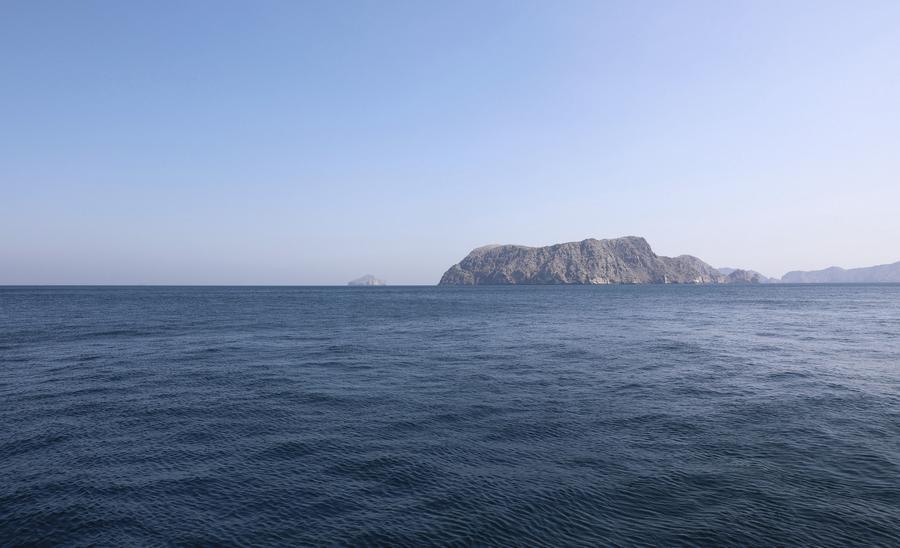
Donald Trump’s blunt rejection of Iran’s latest proposal to end the war sent oil markets sharply higher on Monday and reignited fears that the global economy is drifting toward a prolonged energy shock centered on the Strait of Hormuz, the narrow maritime corridor through which nearly one-fifth of the world’s oil supply normally passes.
Brent crude surged above $105 a barrel during early trading before easing slightly, as traders reacted to the collapse of diplomatic momentum between Washington and Tehran and growing indications that the Gulf shipping crisis may continue well into next year.
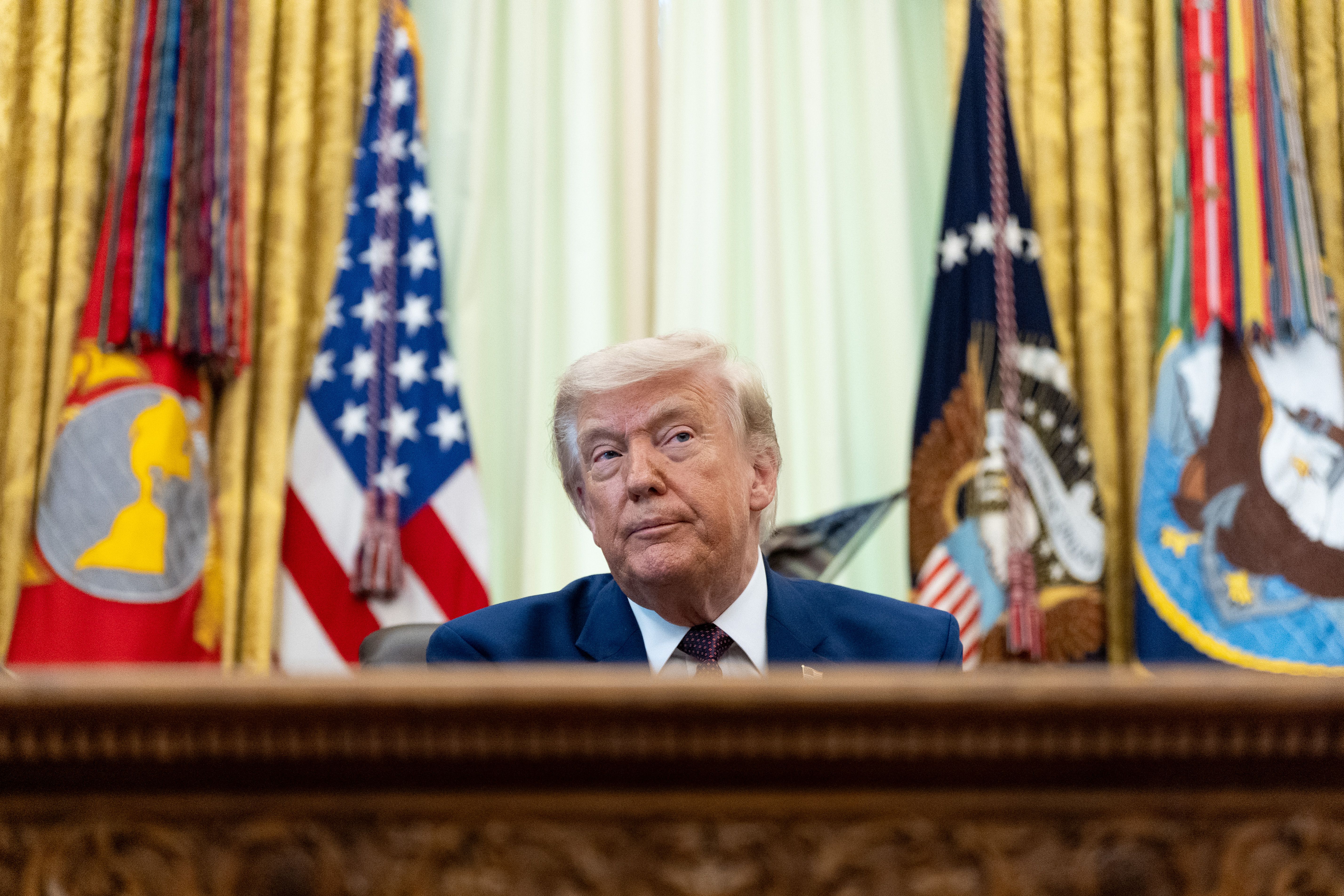
“I don’t like it, TOTALLY UNACCEPTABLE!” Trump wrote on social media after reviewing Iran’s response to a US-backed ceasefire framework that had been transmitted through Pakistani mediators.
The sharp reaction from the White House deepened concerns across financial markets that the fragile diplomatic channel opened after weeks of fighting between Iran, Israel, and the United States may now be collapsing under the weight of irreconcilable demands.
Iranian officials said their proposal focused on ending regional hostilities, securing guarantees against future US-Israeli attacks, reopening maritime trade routes, and unfreezing Iranian assets held abroad. Tehran also insisted that discussions surrounding Iran’s nuclear program could only proceed after military pressure and sanctions were eased.
Washington, however, has continued demanding strict limitations on Iran’s uranium enrichment activities and guarantees regarding Gulf shipping security, particularly around the Strait of Hormuz, which has remained effectively paralyzed since the conflict erupted in late February.
The standoff has transformed the Strait of Hormuz crisis from a regional flashpoint into the center of a global economic crisis.
Shipping traffic through the waterway has collapsed in recent weeks after Iran warned foreign vessels that passage would require coordination with its military forces. Insurance costs for tankers crossing the Gulf have soared, while several shipping operators suspended routes entirely after attacks and drone incidents near Qatar, the UAE, and Omani waters.
Although a handful of vessels resumed limited transit over the weekend, traders interpreted Trump’s rejection of Tehran’s offer as evidence that no immediate breakthrough is likely.
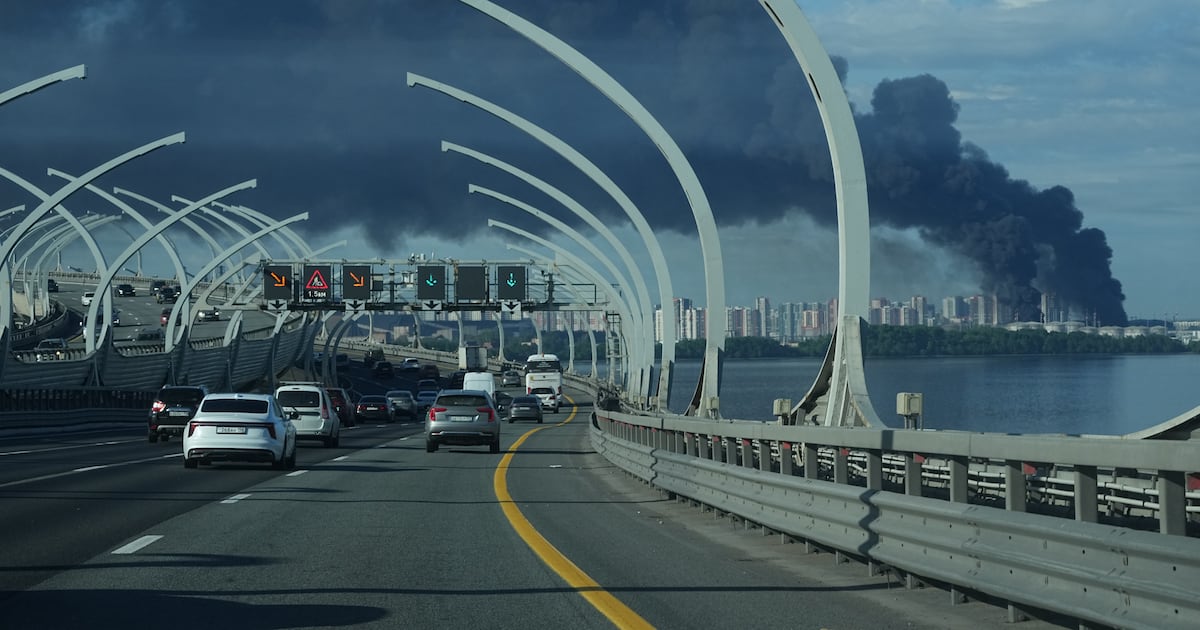
The worsening Strait of Hormuz confrontation is now emerging as the most serious threat to global energy stability since sanctions and war disrupted Russian exports following the Ukraine conflict.
Analysts across commodity markets warned Monday that the latest spike in prices may represent only the beginning of a deeper and more prolonged supply shock if Gulf exports continue facing severe restrictions.
“The market is now pricing geopolitical risk at wartime levels,” analysts at several energy firms said, noting that traders increasingly believe the disruption could stretch into 2027.
Saudi Aramco reinforced those fears after reporting a dramatic jump in profits tied to soaring crude prices and regional supply instability. Company chief Amin Nasser warned investors that even if Hormuz were reopened immediately, global energy markets would require months to stabilize because of severe logistical disruptions and depleted inventories.
Nasser described the current situation as an “unprecedented supply loss,” warning that delays in reopening the Gulf corridor could push normalization of oil markets far into 2027.
The OPEC production decline has already intensified pressure on supplies, with regional exports falling sharply amid continued disruptions.
The crisis is also reshaping global politics.
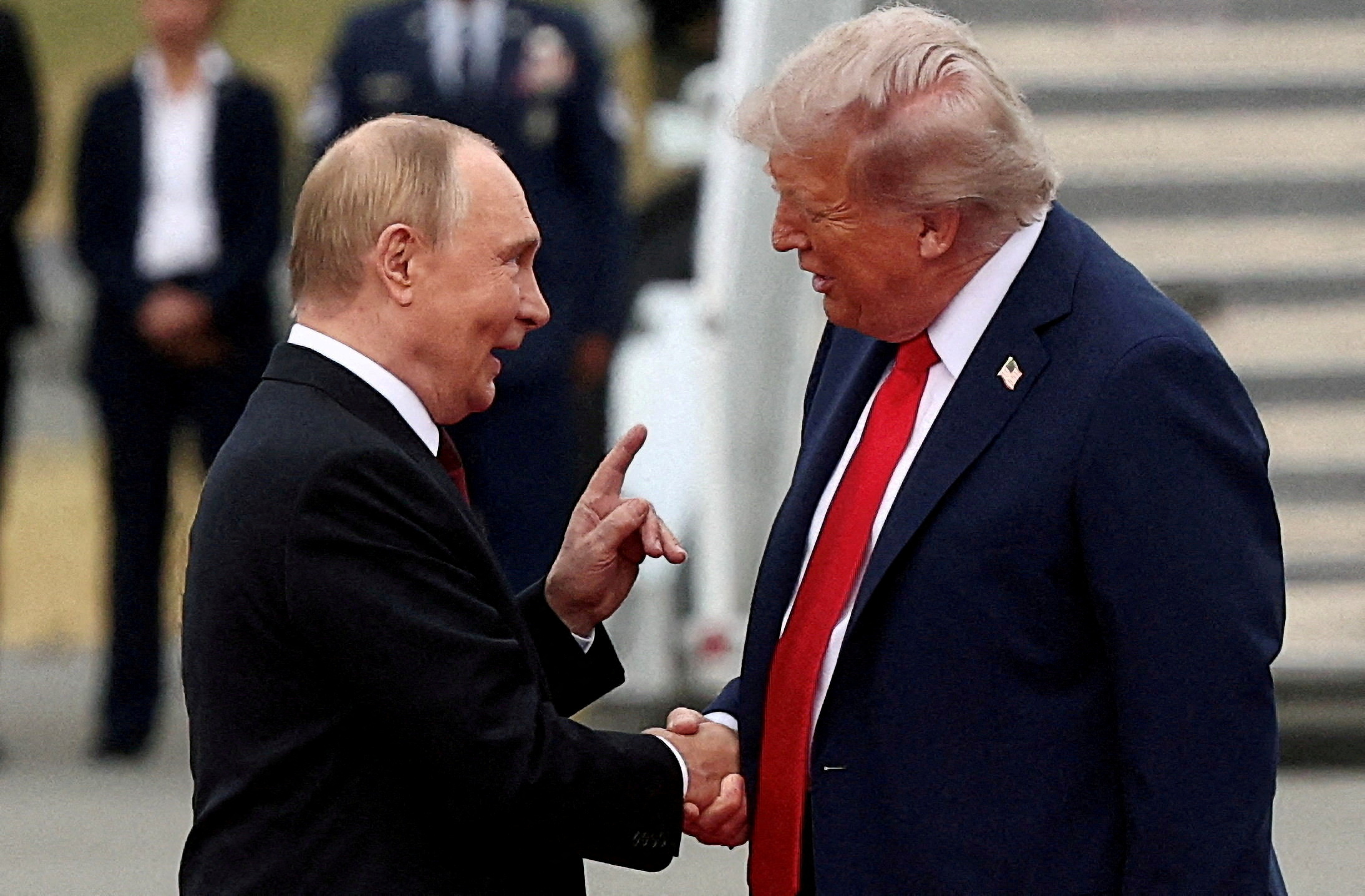
Trump is expected to discuss Iran and energy security during meetings with Chinese President Xi Jinping later this week in Beijing, where Washington is expected to pressure China over its continued economic ties with Tehran and purchases of sanctioned Iranian oil.
China, meanwhile, has signaled opposition to further escalation and is increasingly concerned that prolonged instability in the Gulf could threaten its industrial recovery and energy imports.
Across Europe and Asia, governments are quietly preparing for the possibility that fuel inflation may accelerate again after months of economic stabilization. Rising crude prices are already feeding inflation fears tied to transport costs, manufacturing pressure, and renewed strain on central banks.
In India and other heavily import-dependent economies, officials are closely monitoring the situation as higher energy costs threaten to place additional pressure on domestic fuel prices and trade balances.
The military situation surrounding the Gulf also remains volatile despite the formal ceasefire announced in April.
Iranian officials said Monday that Tehran would continue to defend its interests “whenever necessary,” while insisting diplomacy remained possible if Washington abandoned what Iranian leaders described as “unreasonable demands.”
Israeli Prime Minister Benjamin Netanyahu simultaneously declared that the war could not end while Iran retained enriched uranium stockpiles and missile capabilities, signaling that Israel remains committed to maintaining pressure on Tehran even amid diplomatic negotiations.
Fresh drone incidents reported near Gulf states over the weekend further underscored how fragile the regional ceasefire has become.
The deeper fear haunting markets is no longer simply whether oil prices will continue climbing.
It is whether the world is entering a new era in which energy supplies, shipping routes, and geopolitical rivalries are increasingly weaponized simultaneously across multiple fronts, from Eastern Europe to the Persian Gulf.
For now, traders, governments, and consumers are all watching the same narrow stretch of water.
And after Trump rejected Iran’s proposal, few believe the crisis there is nearing an end.
The volatility has already begun spilling into broader global energy markets, where traders and governments are preparing for the possibility of sustained disruptions across Gulf shipping routes.
The growing uncertainty also follows weeks of US pressure on Iran and mounting fears that diplomatic channels may be closing faster than markets anticipated.
Recent attacks involving Iranian oil tankers further accelerated concerns that the conflict is increasingly targeting global energy infrastructure directly.
The impact is also being felt across aviation and logistics sectors already struggling with a widening fuel shock caused by surging crude prices.
Regional diplomacy has become more complicated after tensions involving Saudi Arabia exposed deeper divisions inside Washington’s Gulf strategy.
Meanwhile, traders on Wall Street are increasingly betting that prolonged instability in the Gulf could reshape commodity and equity markets far beyond the Middle East.