US President Donald Trump said Monday that Iranian negotiators believe only the United States and China possess the capability to remove Tehran’s enriched uranium stockpile, placing the issue once again at the center of the increasingly fragile confrontation surrounding Iran’s nuclear program and the wider Middle East crisis.
Speaking to reporters in Washington, Trump claimed Iranian officials privately acknowledged that no other countries have the technical capacity to extract and transport Iran’s highly enriched nuclear material safely.
“You and China are the only two countries in the world that could take it out,” Trump said. “They said you’ll have to take it out, because we have the capability of doing so.”
The remarks underscore how the dispute over Iran’s uranium reserves has become one of the most explosive sticking points in ceasefire with Iran negotiations between Washington and Tehran following months of military escalation, regional instability, and mounting global energy fears.
The United States and Israel launched coordinated strikes on Iranian targets on February 28, triggering one of the most dangerous confrontations in the region in years. Iranian infrastructure suffered heavy damage, civilian casualties mounted, and fears of a broader regional war rapidly intensified. Although Washington and Tehran later agreed to a temporary ceasefire on April 7 through Pakistani mediation, negotiations since then have produced little concrete progress.
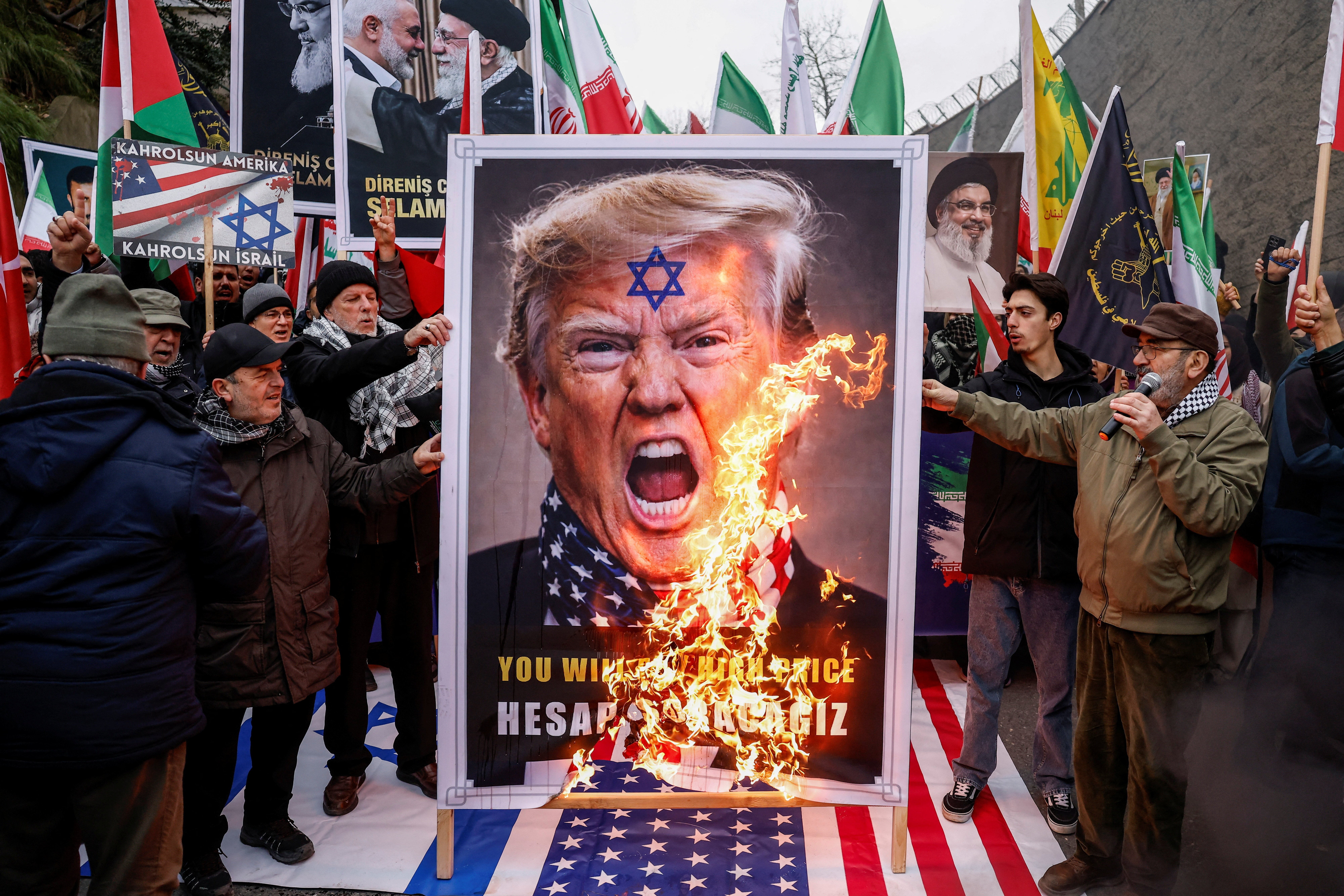
Trump’s latest comments came after he sharply criticized Iran’s response to a US peace proposal, describing Tehran’s counterproposal as “totally unacceptable” and warning that the ceasefire was now on “life support.”
At the heart of the dispute is Iran’s growing stockpile of uranium enriched to near weapons-grade levels. According to reports cited by international media and nuclear analysts, Iran currently possesses hundreds of kilograms of uranium enriched to 60 percent purity, a level significantly beyond civilian energy requirements and much closer to weapons-grade material.
Washington has reportedly demanded the complete removal of Iran’s enriched uranium reserves as part of any permanent agreement. Tehran, however, continues to insist that its nuclear program is peaceful and maintains that uranium enrichment remains its sovereign right under international law.
Iranian negotiators are believed to have proposed a compromise involving partial dilution of enriched uranium and the transfer of some material to a third country under international guarantees. Russia’s state nuclear corporation Rosatom previously signaled its readiness to assist in such a transfer arrangement involving Iran’s enriched uranium.
Trump’s comments suggesting that China could play a direct role in extracting Iranian uranium also highlight China’s growing importance in Middle Eastern diplomacy. China remains Iran’s largest oil customer and one of Tehran’s few major economic lifelines amid years of Western sanctions.
Reports indicate Trump may press Chinese President Xi Jinping during his upcoming China visit to exert pressure on Tehran and help secure a broader settlement.
The issue of uranium removal has also become deeply tied to military calculations inside Israel. Israeli Prime Minister Benjamin Netanyahu declared over the weekend that the conflict with Iran cannot truly end while Tehran still retains enriched uranium and functioning enrichment sites.
“There’s still nuclear material, enriched uranium, that has to be taken out of Iran,” Netanyahu said during a televised interview. “There are still enrichment sites that have to be dismantled.”
Israeli officials increasingly argue that any diplomatic arrangement leaving uranium inside Iran would simply postpone a future confrontation rather than resolve the crisis permanently.
Meanwhile, Iran continues to reject demands that would dismantle its nuclear infrastructure entirely. Iranian officials insist that the country has repeatedly complied with international monitoring obligations in the past and accuse Washington of weaponizing diplomacy while simultaneously threatening military action.
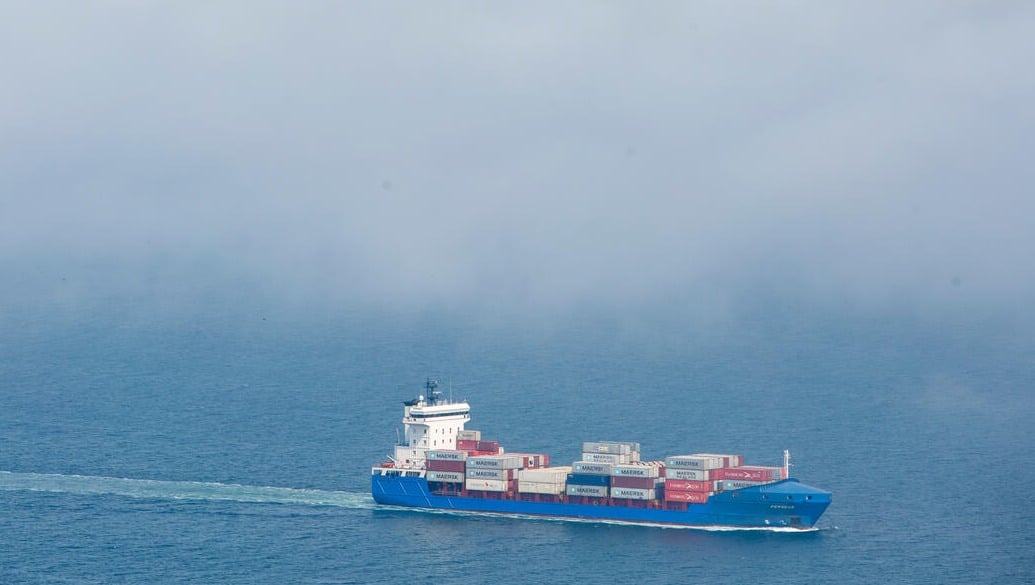
The broader geopolitical stakes surrounding the nuclear standoff have expanded far beyond the immediate US-Iran conflict. The ongoing Strait of Hormuz crisis has severely impacted global energy markets, with shipping routes partially restricted and oil prices climbing sharply over fears of prolonged instability in the Persian Gulf.
The Strait of Hormuz remains one of the world’s most strategically important maritime corridors, carrying a substantial portion of global oil and liquefied natural gas exports. Insurance costs for tankers operating near the Gulf have surged in recent weeks, while several shipping firms have rerouted vessels away from the region entirely.
Iran’s latest negotiating demands reportedly include recognition of its sovereignty claims related to the Strait of Hormuz, lifting of sanctions, unfreezing overseas Iranian assets, and guarantees against future military attacks. Tehran has also pushed for guarantees to open shipping in the Strait of Hormuz before any long-term nuclear settlement is finalized.
Those demands have been strongly rejected in Washington and Tel Aviv.
Analysts say the uranium dispute reflects a deeper strategic reality: Tehran views its nuclear capability as leverage against future Western pressure, while Washington and Israel see the existence of stockpiles of enriched uranium as an unacceptable long-term security threat.
The International Atomic Energy Agency has repeatedly warned that uranium enrichment activities have reached levels with “no credible civilian justification,” although the agency has also stated it has not found direct evidence that Tehran is actively building a nuclear weapon.
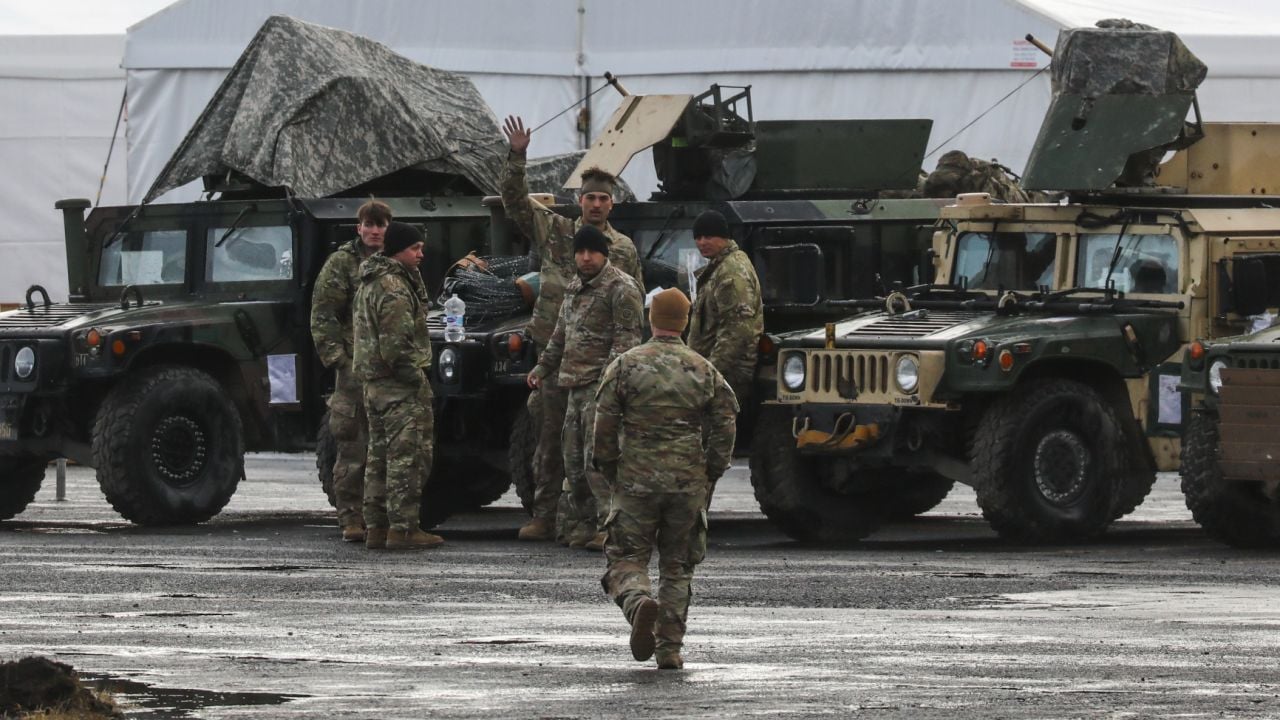
Trump, meanwhile, has continued to frame the issue as a test of American strength and leverage. He has repeatedly insisted that Iran’s nuclear infrastructure was severely damaged during previous strikes while simultaneously warning that the United States remains prepared for renewed military action if diplomacy collapses entirely.
With ceasefire talks deteriorating, regional tensions escalating, and global markets increasingly rattled by instability in the Gulf, the question of what happens to Iran’s enriched uranium may now determine whether the region moves toward a negotiated settlement or slides back toward open conflict.
—Inputs from Sputnik.