
Iran has formally delivered its response to a US-backed proposal aimed at ending the escalating Middle East conflict, using Pakistan as the main diplomatic intermediary in what is becoming one of the most delicate geopolitical negotiations of 2026.
The response, confirmed Sunday by Iran’s state-run IRNA news agency, comes after weeks of indirect diplomacy involving Pakistan, Qatar, Oman, and other regional actors attempting to prevent the confrontation from spiraling into a broader regional war.
Iranian officials signaled that Tehran’s position remains centered on halting military hostilities, ending economic pressure campaigns, and guaranteeing security in the Persian Gulf and the Strait of Hormuz crisis, one of the world’s most strategically critical energy corridors.
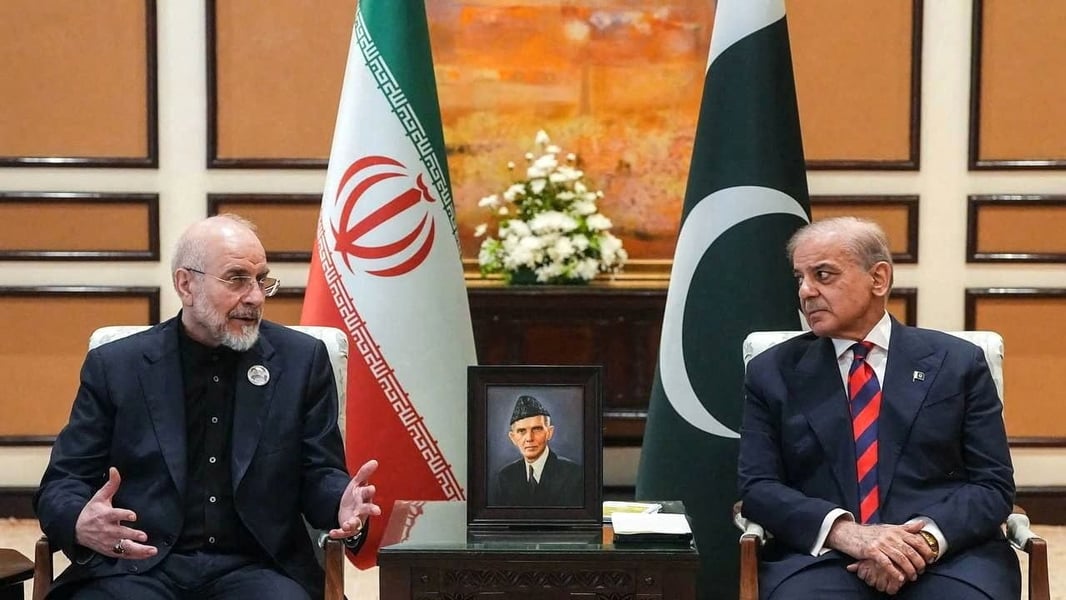
The latest diplomatic maneuver underscores Pakistan mediating negotiations at a moment when traditional Western-led talks appear increasingly fragile. Islamabad has quietly hosted multiple rounds of indirect discussions between Iranian and US officials since April, according to diplomatic sources familiar with the negotiations.
The renewed diplomatic push follows more than two months of regional instability that began after the United States and Israel launched coordinated strikes on Iranian-linked targets on February 28. While Washington later announced a temporary ceasefire arrangement in early April, sporadic military incidents, maritime disruptions, and economic blockades have continued to destabilize the region.
According to reports from Iranian state media, Tehran’s response focuses initially on lifting sanctions and ending hostilities before any broader negotiations over Iran’s nuclear program can move forward. Iranian negotiators are reportedly insisting that maritime security and sanctions relief must be addressed immediately rather than deferred to future phases of diplomacy.
That position appears to conflict directly with Washington’s approach. The US proposal reportedly sought an immediate halt to fighting followed by negotiations over Iran’s uranium enrichment activities, regional influence, and missile capabilities.
US President Donald Trump reacted sharply to Tehran’s response, and Trump called Iran’s response “totally unacceptable” in a social media statement that immediately rattled financial markets and renewed fears of another escalation in the Gulf.
Oil prices climbed after the remarks, reflecting investor anxiety over the future of energy shipments through the waterway. Analysts warned that the global oil market panic could deepen if negotiations collapse and military operations resume.
Although some commercial movement has resumed in recent days, shipping traffic remains far below normal levels. Two Qatari LNG carriers were recently permitted to cross the strait en route to Pakistan under Iranian-approved maritime routes, a move interpreted by analysts as a confidence-building gesture toward Islamabad and Doha.
The shipments were especially important for Pakistan, which has struggled with severe energy shortages after regional supply chains were disrupted by the conflict. Iranian approval for the crossings suggested Tehran was willing to selectively ease restrictions to support mediation efforts.
At the same time, however, tensions remain dangerously high across the Gulf.
Drone alerts were reported in several Gulf states over the weekend, including Qatar, Kuwait, and the United Arab Emirates, highlighting the continuing volatility despite the nominal ceasefire. Diplomats privately warned that the fragile ceasefire could rapidly deteriorate if military incidents continue near strategic shipping lanes.
Iran has repeatedly argued that the US naval presence and Washington’s blockade measures constitute acts of economic warfare. Tehran’s proposal reportedly demands the lifting of sanctions on Iranian oil exports, an end to the US maritime blockade, and guarantees against future attacks.
Iranian officials have also pushed back strongly against Western demands related to the country’s nuclear infrastructure. According to reports emerging from the negotiations, Tehran rejected proposals involving the dismantling of enrichment facilities or the full transfer of highly enriched uranium stockpiles abroad.
Instead, Iranian negotiators appear to favor a phased framework that would prioritize ending hostilities and stabilizing regional shipping lanes before addressing long-term nuclear disputes.
That sequencing reflects Tehran’s broader strategic calculation that military pressure and economic coercion should not dictate diplomatic outcomes. Iranian President Masoud Pezeshkian has publicly insisted that negotiations cannot be conducted under threats or sanctions pressure.
Pakistan’s involvement has become increasingly central to these discussions.
Pakistani officials, working closely with Gulf mediators and reportedly coordinating with Riyadh and Beijing, have attempted to keep diplomatic channels open even as tensions repeatedly threatened to derail negotiations. Analysts say China’s growing role in the Gulf has also reshaped the balance of regional diplomacy.
Saudi Crown Prince Mohammed bin Salman has also reportedly encouraged continued diplomacy, particularly amid fears that a prolonged conflict could trigger a global energy shock and destabilize Gulf economies.
The White House, meanwhile, faces mounting domestic and international pressure to prevent another prolonged Middle East war ahead of Trump’s planned trip to China this week. The administration has attempted to portray the negotiations as evidence of American leverage while simultaneously maintaining military pressure in the region.
Still, major disagreements remain unresolved.
The US continues demanding restrictions on Iran’s nuclear program and limits on Tehran’s regional military influence, while Iran insists that sovereignty, sanctions relief, and maritime control cannot be compromised under foreign pressure.
Israeli Prime Minister Benjamin Netanyahu has further complicated negotiations by insisting that military operations cannot fully end until Iran’s nuclear capabilities are permanently dismantled.
That position has heightened concerns among diplomats that even if Washington and Tehran reach a temporary understanding, broader regional stability may remain elusive.
For now, negotiators appear focused on securing a limited framework agreement that could reduce hostilities, reopen shipping corridors, and create space for wider negotiations later this year.
Whether those efforts succeed may depend less on diplomatic language and more on whether the competing powers in the Gulf are willing to step back from the brink after months of military escalation, economic disruption, and rising global energy uncertainty.
—Inputs from Sputnik.