Iran escalated its confrontation with Washington on Wednesday by declaring that it would no longer allow American weapons shipments to transit the Strait of Hormuz, a move that threatens to deepen one of the most dangerous geopolitical crises in the Middle East in years and raises fresh fears over the stability of global oil flows.
The warning came from Brigadier General Mohammad Akraminia, spokesman for the Iranian Army, who said Tehran had imposed what it described as “coordinated strategic control” over the Strait and would block the movement of US military cargo headed toward bases across the Gulf region.
“From now on, we will not allow American weapons to transit the Strait of Hormuz and enter regional bases,” Akraminia said during remarks carried by Iranian state-linked media.
The statement marks one of the clearest declarations yet that Iran intends to directly challenge US military logistics in the Persian Gulf, transforming the Strait of Hormuz from a commercial chokepoint into the center of a rapidly expanding power struggle between Tehran and Washington.
The narrow maritime corridor, which links the Persian Gulf to the Arabian Sea, has long been regarded as one of the world’s most strategically sensitive waterways. Before the current crisis erupted, roughly one-fifth of global oil and liquefied natural gas shipments moved through the Strait each day.
But after months of escalating military clashes involving Iran, the US, and Israel, the waterway has increasingly become a militarized zone dominated by drone attacks, naval interceptions, missile launches, and competing military operations. The broader Iran-US military escalation has transformed Hormuz into a frontline battleground with direct implications for global trade and energy markets.
Iranian officials now appear determined to convert their geographic advantage into a long-term strategic weapon.
According to Iranian military commanders, all vessels seeking passage through the Strait must now operate under Iranian supervision to ensure what Tehran calls “safe and harmless passage.” Tehran has also begun implementing new maritime regulations that significantly expand Iranian oversight powers inside the corridor.
The announcement follows broader Iranian efforts to redefine the operational boundaries of the Strait of Hormuz itself. Analysts say the move is designed to legitimize broader Iranian naval enforcement powers and strengthen Tehran’s leverage over regional trade and military traffic.
The escalation comes against the backdrop of the ongoing regional conflict that has already triggered Iranian strikes on US military infrastructure across the Gulf and intensified fears of a wider regional war.
Since then, maritime traffic through the Strait has collapsed dramatically.
Maritime security reports indicate that commercial traffic through the corridor has fallen sharply in recent weeks as insurers, tanker operators, and cargo companies fear missile strikes, drone attacks, naval mines, and vessel seizures.
The economic consequences are already rippling across international markets.
Energy analysts warn that prolonged instability in Hormuz could disrupt oil supplies from Saudi Arabia, Iraq, Kuwait, Qatar, Bahrain, and the UAE, triggering renewed inflation shocks and instability across global energy markets.
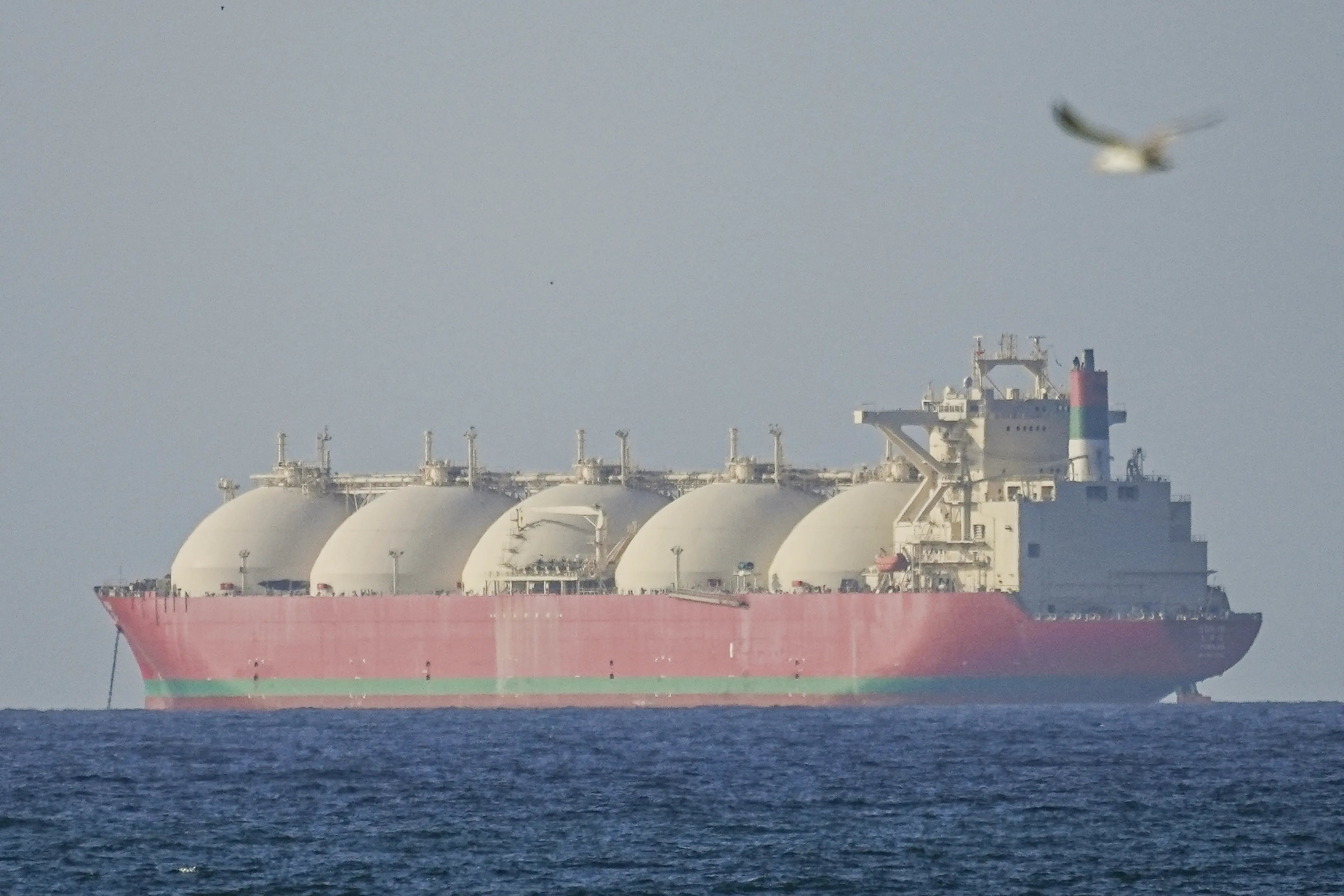
While Saudi Arabia and the UAE possess limited pipeline infrastructure capable of bypassing Hormuz, experts say alternative export routes remain insufficient to fully replace maritime shipping through the Strait. Even movements involving a Qatari LNG tanker are now being closely monitored amid fears of escalation.
Iranian officials, meanwhile, increasingly portray their control over Hormuz as both a military deterrent and an economic strategy.
The crisis has also intensified scrutiny of Washington’s military footprint across the Gulf. The growing vulnerability of US Gulf bases has fueled debate among regional governments over the long-term consequences of hosting American forces.
Iranian commanders have also claimed that exerting control over Hormuz could generate more economic leverage than oil exports themselves under current sanctions conditions.
The United States has rejected Iran’s claims and continues to insist that freedom of navigation in international waterways must be preserved.
At the same time, the Pentagon has continued expanding its regional deployments despite mounting Pentagon war costs linked to the growing confrontation with Iran.
The crisis has increasingly exposed divisions among Washington’s allies.
Several Gulf states have quietly questioned whether continued dependence on American military protection remains sustainable as the Gulf geopolitical fallout from the conflict continues to intensify.
Meanwhile, Tehran has continued signaling conditional openness to future nuclear talks even as military tensions spiral across the region.
The broader confrontation has also complicated relations between Washington and Beijing, particularly as Chinese shipping and energy interests remain heavily exposed to the Strait. The movement of a Chinese tanker through the region this week underscored the growing global stakes of the crisis. At the same time, rising friction between the US and China over sanctions enforcement has pushed the regional standoff deeper into the center of global geopolitics, echoing concerns raised in recent coverage of China and the escalating sanctions dispute.
Iranian state media and military officials have framed the latest developments as evidence that the regional balance of power is shifting away from Washington.
Tehran now argues that the era of uncontested US military dominance in the Persian Gulf is ending and that foreign military powers will no longer operate freely near Iran’s coastline without consequences.
The Iranian military’s warning regarding US weapons shipments appears intended not only as a tactical threat but also as a symbolic challenge to Washington’s regional influence.
By targeting military logistics instead of commercial shipping alone, Tehran is signaling that future confrontations in Hormuz may increasingly focus on disrupting US force projection across West Asia rather than merely threatening energy supplies. The widening Iran-Israel-US conflict has already pushed the region closer to a direct military collision.
That shift carries enormous implications for Gulf security, global commerce, and the fragile balance of power across one of the world’s most volatile regions.
For now, neither Tehran nor Washington appears willing to back down.
And with the Strait of Hormuz rapidly evolving into the central battlefield of the broader Iran-US confrontation, diplomats and energy markets alike are bracing for the possibility that the crisis could soon move far beyond economic disruption into direct military escalation.
—Inputs from Sputnik.