
The Middle East has entered one of its most dangerous and volatile phases in decades after a sweeping military campaign launched by Israel, backed by the United States, struck multiple high-value targets across Iran. The coordinated assault, which began on February 28, has triggered a rapidly expanding regional war, drawing in state and non-state actors and raising fears of a prolonged and catastrophic confrontation.
In a dramatic escalation of rhetoric and battlefield claims, Iranian armed forces spokesman Abolfazl Shekarchi declared that between 600 and 800 American troops had been killed in the conflict, with approximately 5,000 others injured. The statement, broadcast on Iranian state television, marks the most significant assertion yet of US battlefield losses in the war.
“I am only giving the minimum figures,” Shekarchi said, describing the United States military as a “paper tiger” and insisting that Iranian retaliation had inflicted devastating damage on US forces stationed across the region.
These claims, however, stand in sharp contrast to publicly available data and independent reporting. Verified figures indicate far lower casualties among US forces. According to Reuters reporting on war casualties, about 13 American service members have been confirmed killed so far, highlighting a stark discrepancy between battlefield narratives.
The Opening Salvo: Strikes on Tehran
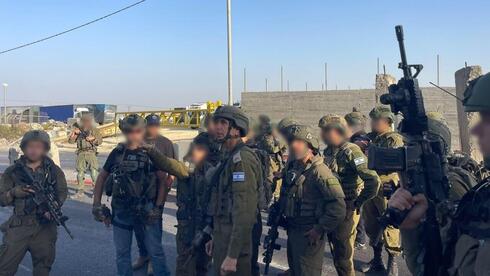
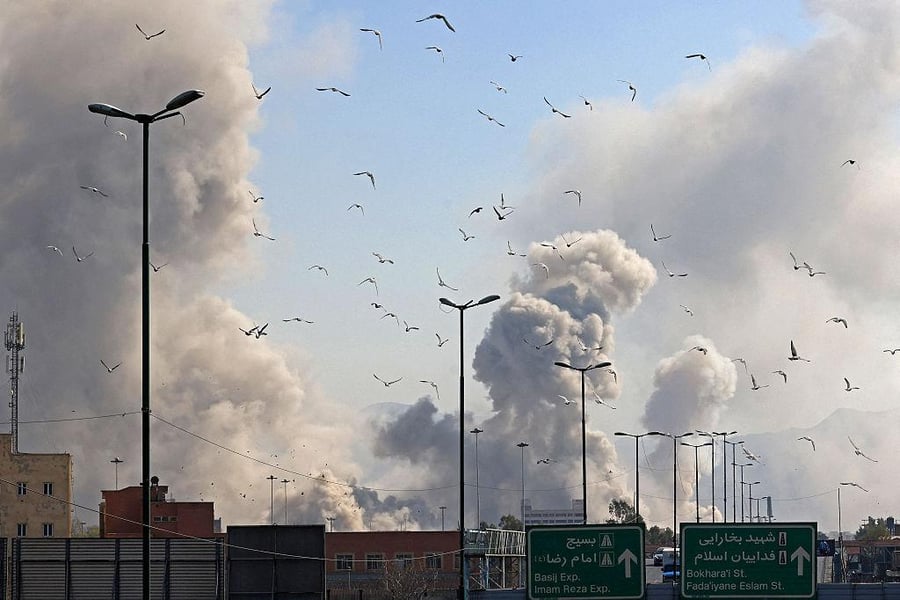
The conflict erupted when coordinated airstrikes targeting Iranian military installations were launched by Israeli and US forces across Tehran and other strategic locations. The operation, described by US officials as preemptive, quickly evolved into a broader campaign aimed at crippling Iran’s military infrastructure.
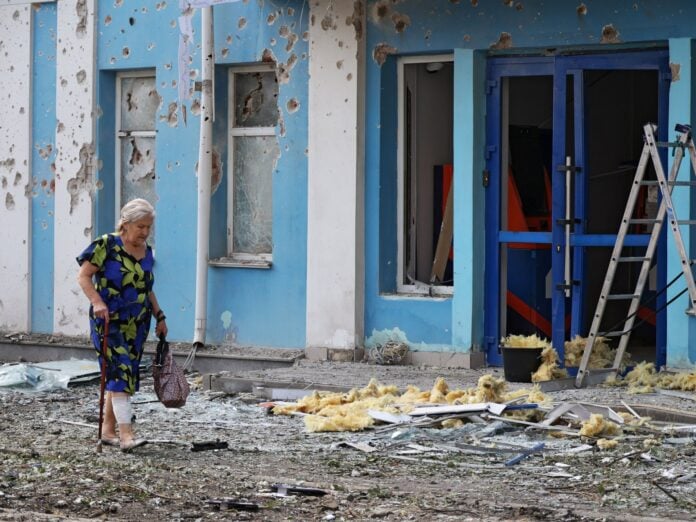
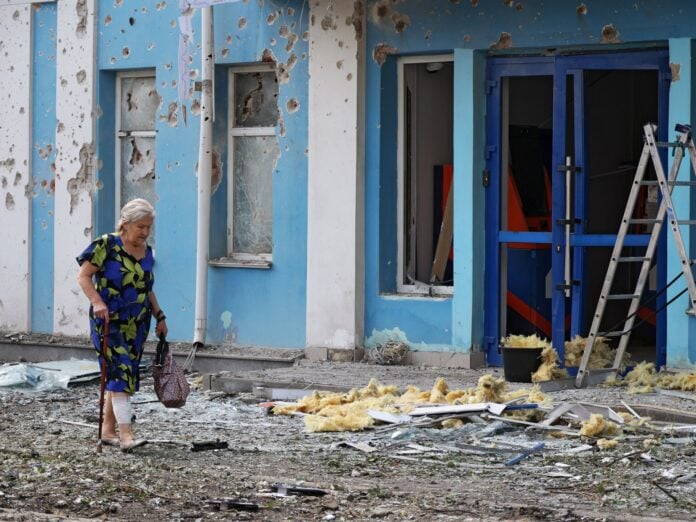
Iranian officials, however, framed the strikes as an unprovoked act of aggression. Early reports indicated that thousands of targets had been struck, including energy infrastructure and command centers, significantly degrading Iran’s operational capabilities while also causing civilian casualties.
According to regional coverage, the war began with large-scale US-Israeli strikes that triggered immediate retaliation and widespread destruction across multiple cities.
Iran’s Retaliation: Missiles, Drones, and Regional Reach
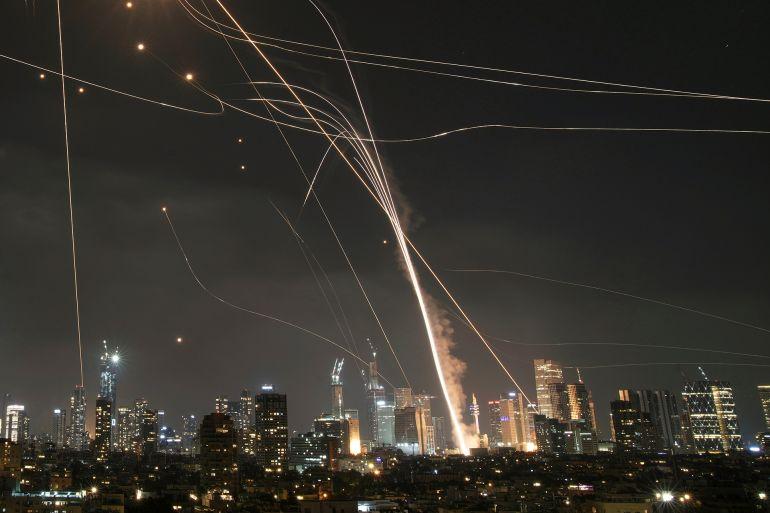
Tehran responded swiftly. Within hours, Iran launched a barrage of ballistic missiles and drones targeting Israeli cities and US military bases across the region.
Missile strikes hit multiple locations in Israel, causing civilian casualties and infrastructure damage. According to available data, at least 19 people have been killed in Israel, with thousands injured as air defenses struggled to intercept incoming attacks.
Casualties Mount Across the Region
The human toll of the war continues to rise sharply. In Iran alone, thousands have been reported killed. According to health authorities cited by international media, at least 1,900 people have died and tens of thousands have been injured since the conflict began.
Across the broader region, casualties have been reported in Lebanon, Iraq, and the Gulf. Reuters estimates suggest that thousands have died across multiple countries as the war expanded beyond its initial front lines.
Meanwhile, the United States has acknowledged limited losses, far below the figures claimed by Iran. The gap between official US figures and Iranian claims highlights the deepening information war surrounding the conflict.
Strategic Objectives and Shifting Narratives
While the United States and Israel initially framed their offensive as a response to Iran’s nuclear ambitions, statements from political leaders soon suggested broader ambitions, including weakening Iran’s regional influence.
This shift has intensified tensions, with Tehran portraying the conflict as a struggle for sovereignty and survival. Iranian officials have repeatedly warned that continued aggression would provoke a wider regional war.
According to recent diplomatic reporting, both sides remain far apart on ceasefire terms, with competing demands over security, sovereignty, and regional influence.
Diplomatic Efforts Falter
Efforts to de-escalate the conflict have so far failed. Negotiations mediated by regional powers have stalled, with both sides refusing to concede key demands.
Reports indicate that the United States has proposed a multi-point peace framework, while Iran has rejected direct negotiations, insisting on guarantees and reparations before any agreement can be reached.
The diplomatic deadlock has raised concerns that the war could continue for months, if not longer, with potentially devastating consequences.
Global Implications: Oil, Markets, and Security
The conflict has sent shockwaves through global markets. Oil prices have surged amid fears of disruption in the Strait of Hormuz, a critical artery for global energy supplies.
Shipping routes are under threat, insurance costs have soared, and analysts warn of a broader economic fallout if the war escalates further. The conflict has already disrupted humanitarian supply chains, complicating efforts to deliver medical aid across the region.
Information Warfare and Competing Narratives
As the war intensifies, the battle for narrative has become increasingly important. Iran’s claims of heavy US casualties are part of a broader effort to project strength, while US and Israeli officials continue to emphasize operational success.
Independent verification remains limited, and analysts caution that casualty figures from all sides should be treated with skepticism until confirmed by neutral sources.
A Region on the Brink
With no clear path to de-escalation, the conflict continues to spiral. Each new strike increases the risk of a wider war, potentially drawing in additional regional and global powers.
What began as a targeted military operation has now evolved into a full-scale regional confrontation with global consequences. The coming weeks will determine whether diplomacy can prevail, or whether the Middle East is heading toward an even more devastating chapter.