The United States and Iran appear closer to a possible diplomatic breakthrough after weeks of escalating military threats, oil market panic, and fears of a wider regional war that could destabilize the Middle East for years.
Senior officials in Washington, Tehran, Islamabad, and Doha confirmed Friday that negotiations aimed at ending the ongoing US-Iran confrontation have shown signs of progress, although major disagreements remain unresolved.
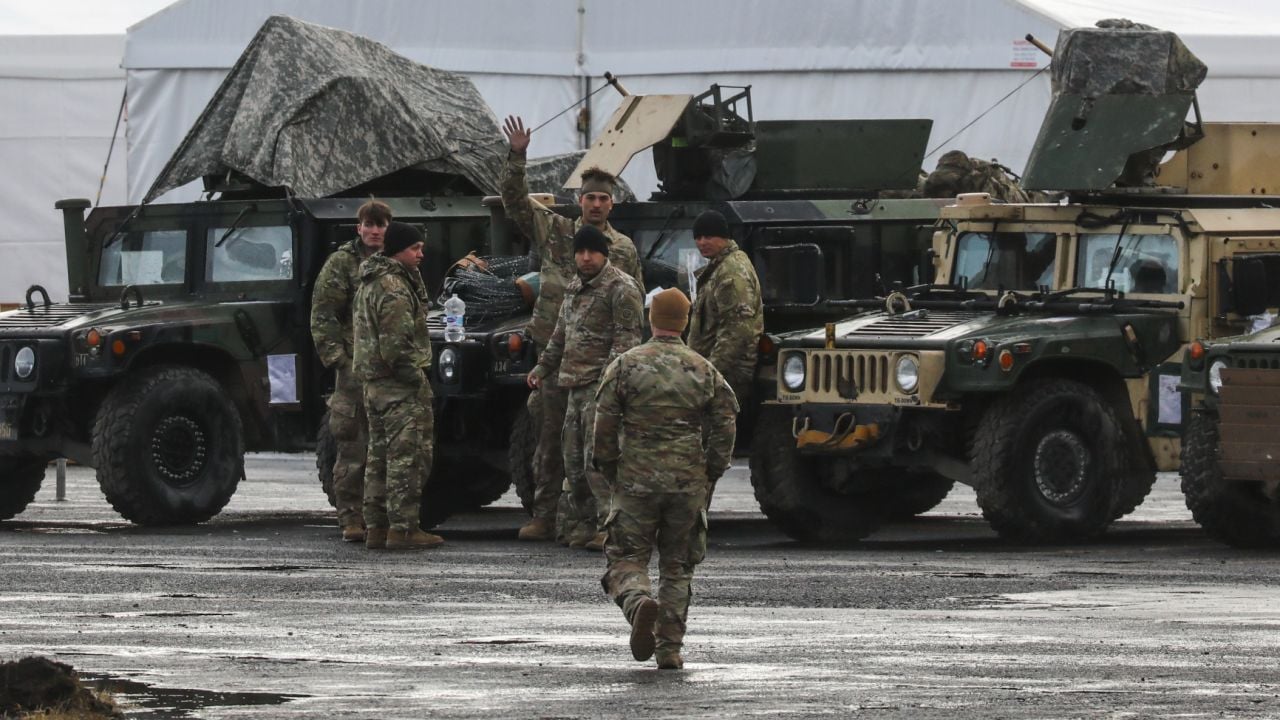
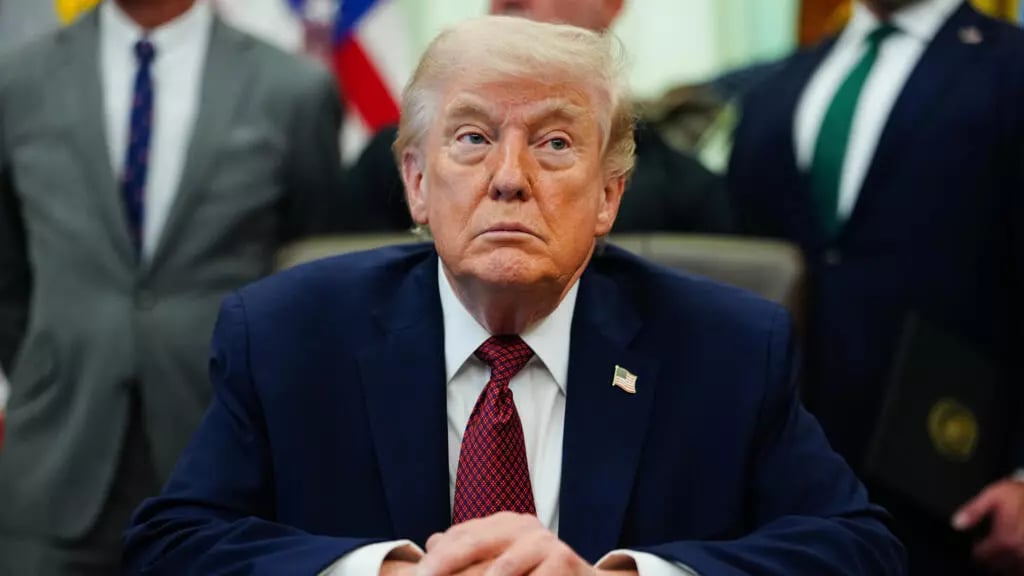
The sudden diplomatic momentum comes after President Donald Trump reportedly delayed a fresh round of military strikes against Iran, even while publicly insisting that the US could still attack again if negotiations collapse.
The high-stakes talks are now centered around a proposed memorandum framework that could temporarily halt hostilities, reopen global shipping lanes in the Strait of Hormuz, and launch a broader negotiation process involving sanctions relief, nuclear restrictions, and regional security guarantees.
Pakistan Emerges as Key Mediator
One of the most striking developments in the crisis has been Pakistan’s emergence as a central mediator between Tehran and Washington.
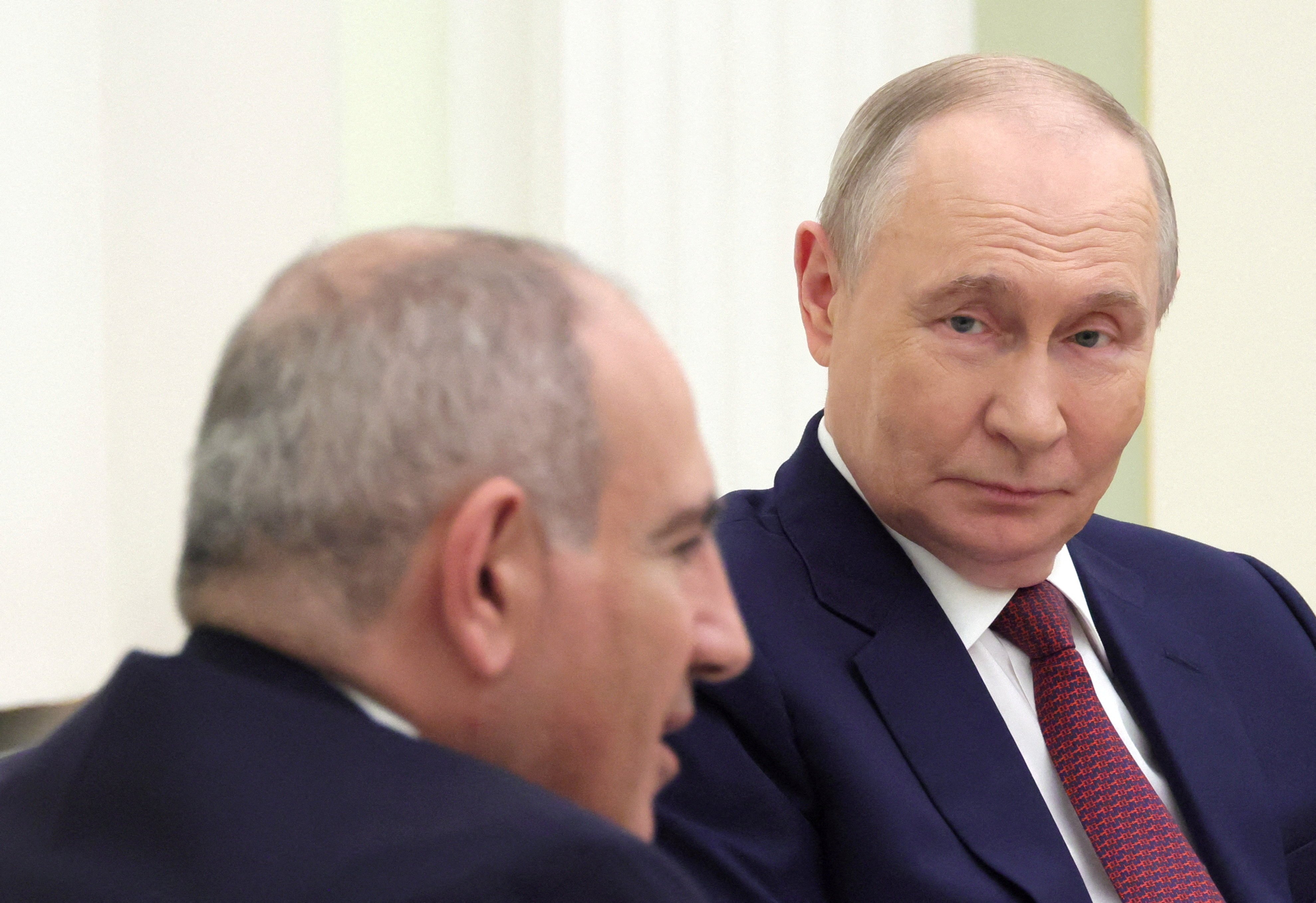
Pakistan Army Chief Field Marshal Asim Munir arrived in Tehran for direct meetings with Iranian leaders as diplomatic activity intensified behind closed doors. Reuters and Axios both reported that Munir has become one of the most influential intermediaries in the negotiations.
Iranian Parliament Speaker Mohammad Baqer Qalibaf met Munir in Tehran and declared that Iran will not compromise on what he described as the country’s national rights and strategic interests.
At the same time, US Secretary of State Marco Rubio acknowledged that “some good signs” have emerged from recent discussions, although he cautioned that difficult issues remain unresolved amid attempts to secure a breakthrough in US-Iran peace talks.
Pakistan’s growing diplomatic role reflects the rapidly shifting geopolitical landscape in Asia and the Middle East, where regional powers are increasingly attempting to contain crises without direct Western leadership.
Trump Faces Mounting Political Pressure
The diplomatic push also comes at a politically sensitive moment for Trump.
The ongoing confrontation with Iran has contributed to surging energy prices, instability in global shipping markets, and fears of prolonged military escalation. Analysts say the White House is increasingly aware that another large-scale military operation could carry enormous political and economic costs ahead of the US midterm election cycle.
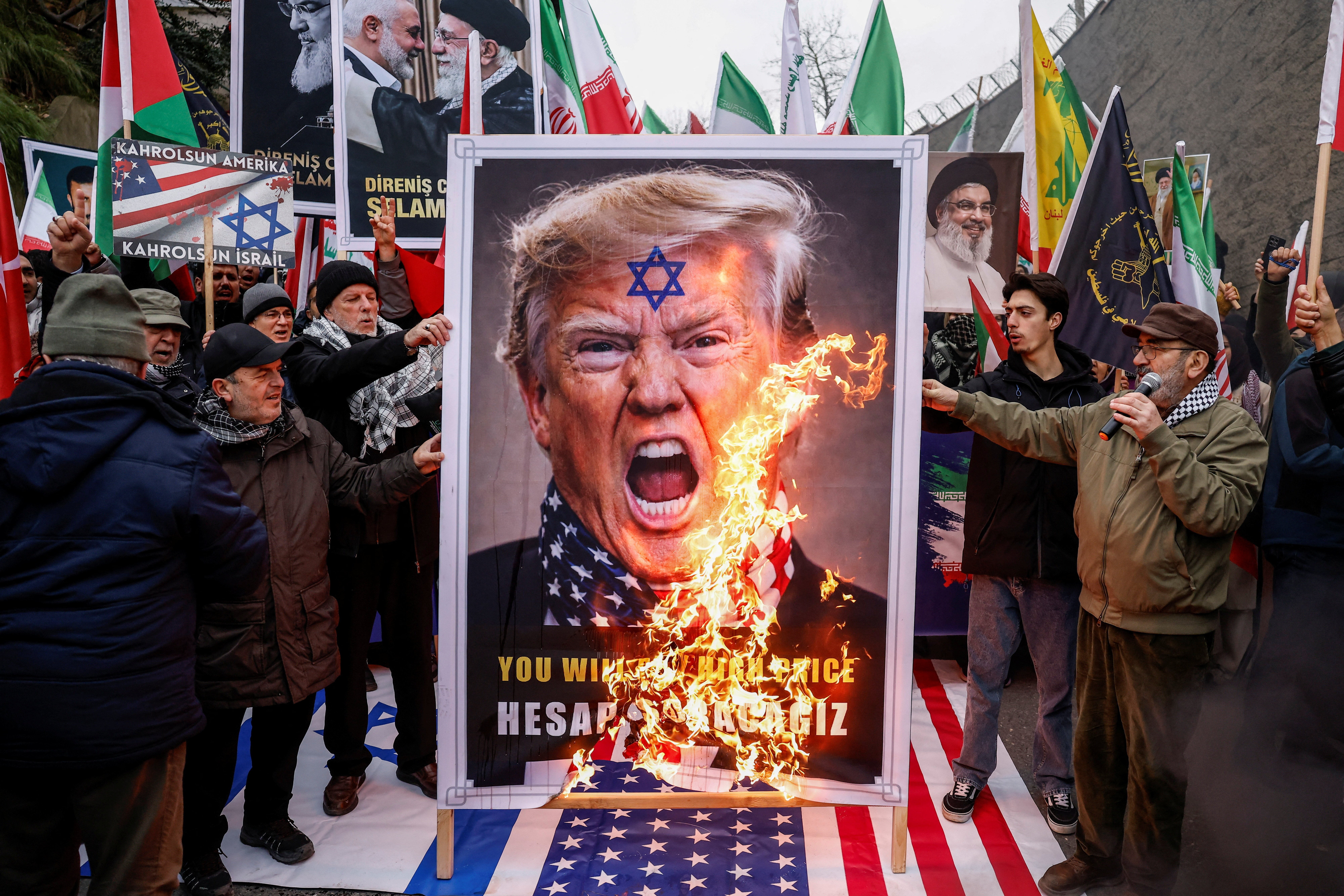
Despite the diplomacy, Trump has continued using aggressive rhetoric toward Tehran.
Earlier this week, the US president warned that Washington may still resort to further military action if Tehran refuses to accept American conditions in the negotiations.
Vice President JD Vance, meanwhile, claimed the administration believes a lot of progress has been achieved and suggested neither side wants a return to a forever war.
The contradictory messaging reflects deep divisions within Washington over how far the US should push militarily against Iran while simultaneously pursuing diplomacy.
Strait of Hormuz Remains the Biggest Flashpoint
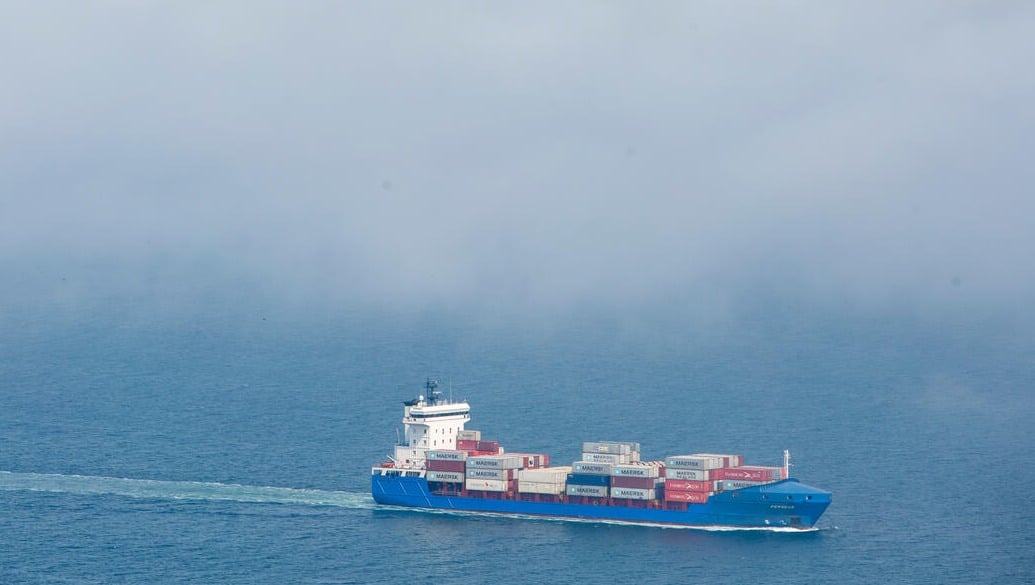
The central issue in the negotiations remains the Strait of Hormuz crisis, one of the world’s most strategically vital shipping routes.
Iran has maintained restrictions and oversight measures in the waterway following months of military confrontation and economic pressure from Washington. The disruption has shaken global oil markets and intensified fears of a worldwide energy crisis.
According to Reuters, Tehran is demanding recognition of a new Persian Gulf maritime framework that would give Iran expanded influence over shipping traffic in the region.
The US has rejected those proposals and insists on unrestricted navigation through the strait.
Negotiators are reportedly discussing temporary arrangements that would reopen commercial traffic while broader disputes are addressed in later negotiations.
Global markets have responded nervously to every development.
Oil prices initially surged during the height of the crisis before falling slightly amid renewed optimism surrounding diplomacy.
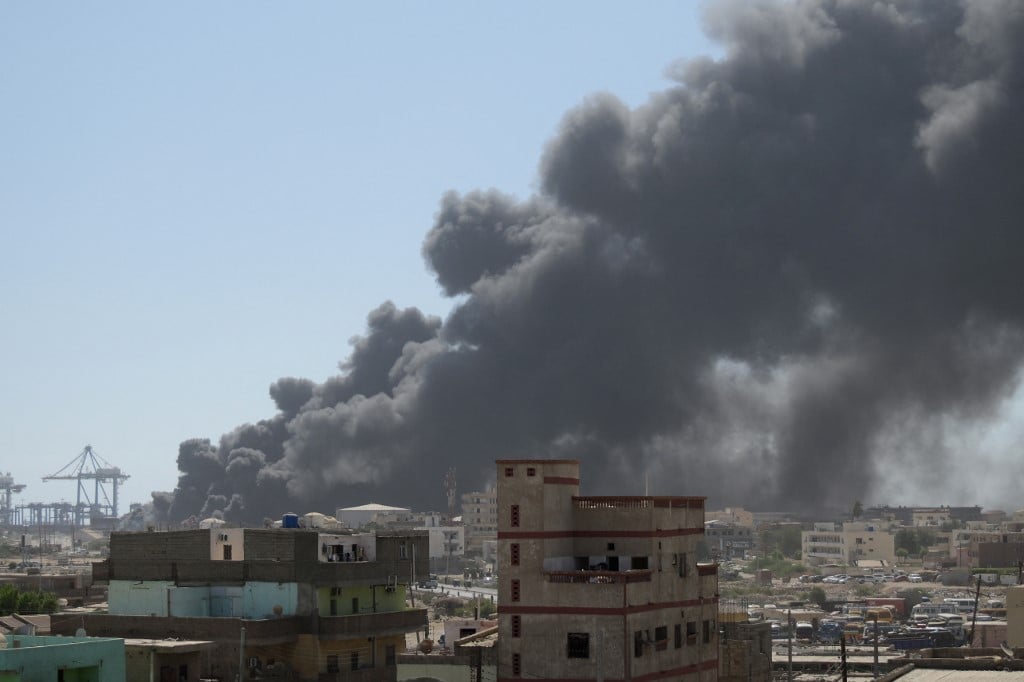
Shipping companies, insurers, and Gulf governments continue monitoring the talks closely because even a brief military escalation in Hormuz could trigger a fresh conflict across the region.
Iran Refuses to Abandon Strategic Capabilities
Iranian officials have repeatedly emphasized that Tehran will not surrender its strategic deterrence capabilities under military pressure.
Iran’s leadership continues to reject sweeping US demands involving uranium enrichment, missile development, and regional military alliances.
However, reports suggest Iran may be willing to consider limited technical compromises regarding its nuclear stockpile if broader sanctions relief, reparations, and security guarantees are included in a final agreement.
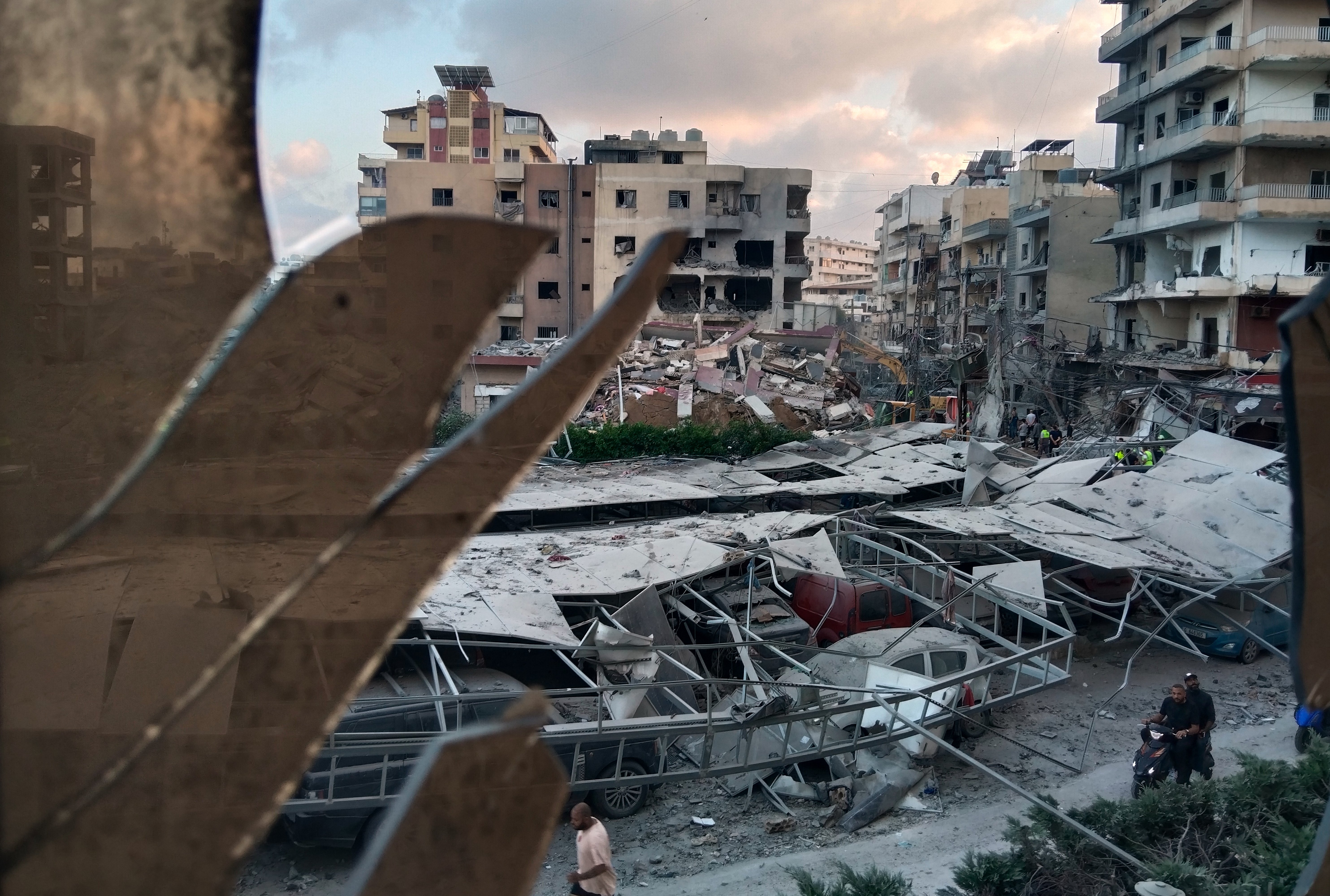
The negotiations are also tied to wider regional tensions involving Lebanon, the Persian Gulf, and ongoing instability linked to Israeli military operations across the Middle East.
Several diplomatic sources say Qatar has now joined Pakistan in helping facilitate communication between Tehran and Washington after earlier mediation efforts stalled.
The involvement of multiple regional mediators highlights growing concern across the Gulf that another direct military confrontation between the US and Iran could trigger uncontrollable escalation throughout the region.
Can Diplomacy Prevent Another Middle East War?
Despite cautious optimism, many analysts remain skeptical that a final agreement can be achieved quickly.
The core disputes between Washington and Tehran remain enormous.
The US continues demanding tighter restrictions on Iran’s nuclear activities and military posture, while Tehran insists that sanctions relief and recognition of Iranian regional influence are non-negotiable.
At the same time, domestic political pressures inside both countries complicate diplomacy.
Trump faces criticism from hawkish factions demanding harsher military action, while Iranian leaders are under pressure not to appear weak after months of confrontation with the US and Israel.
Reuters reported Friday that negotiations could produce significant developments “within days,” although officials from all sides remain careful not to publicly predict success.
What happens next may determine not only the future of US-Iran relations, but also the stability of global energy markets, Gulf security, and the balance of power across the Middle East.
If diplomacy collapses, the world could once again find itself on the brink of a far larger regional war.