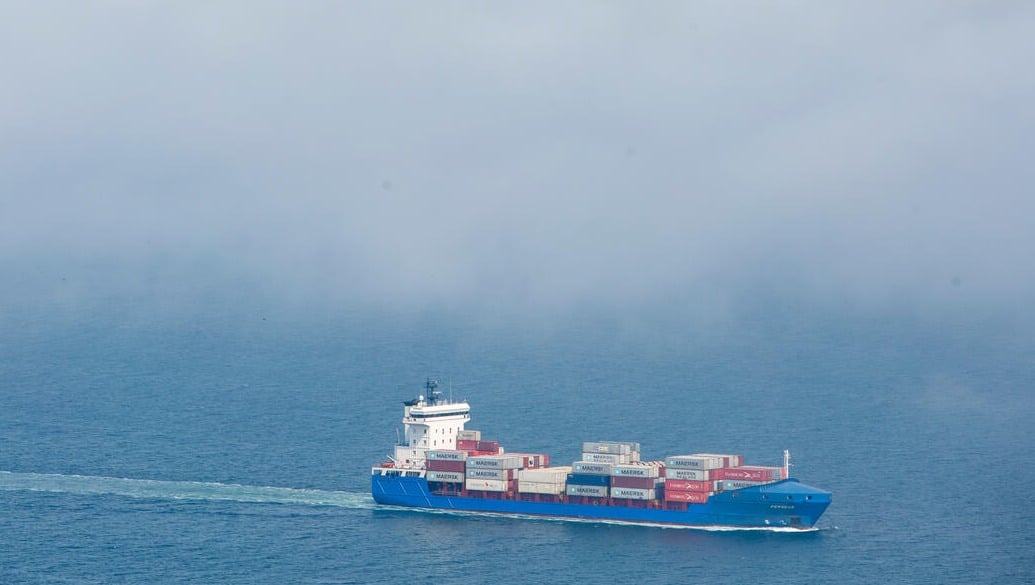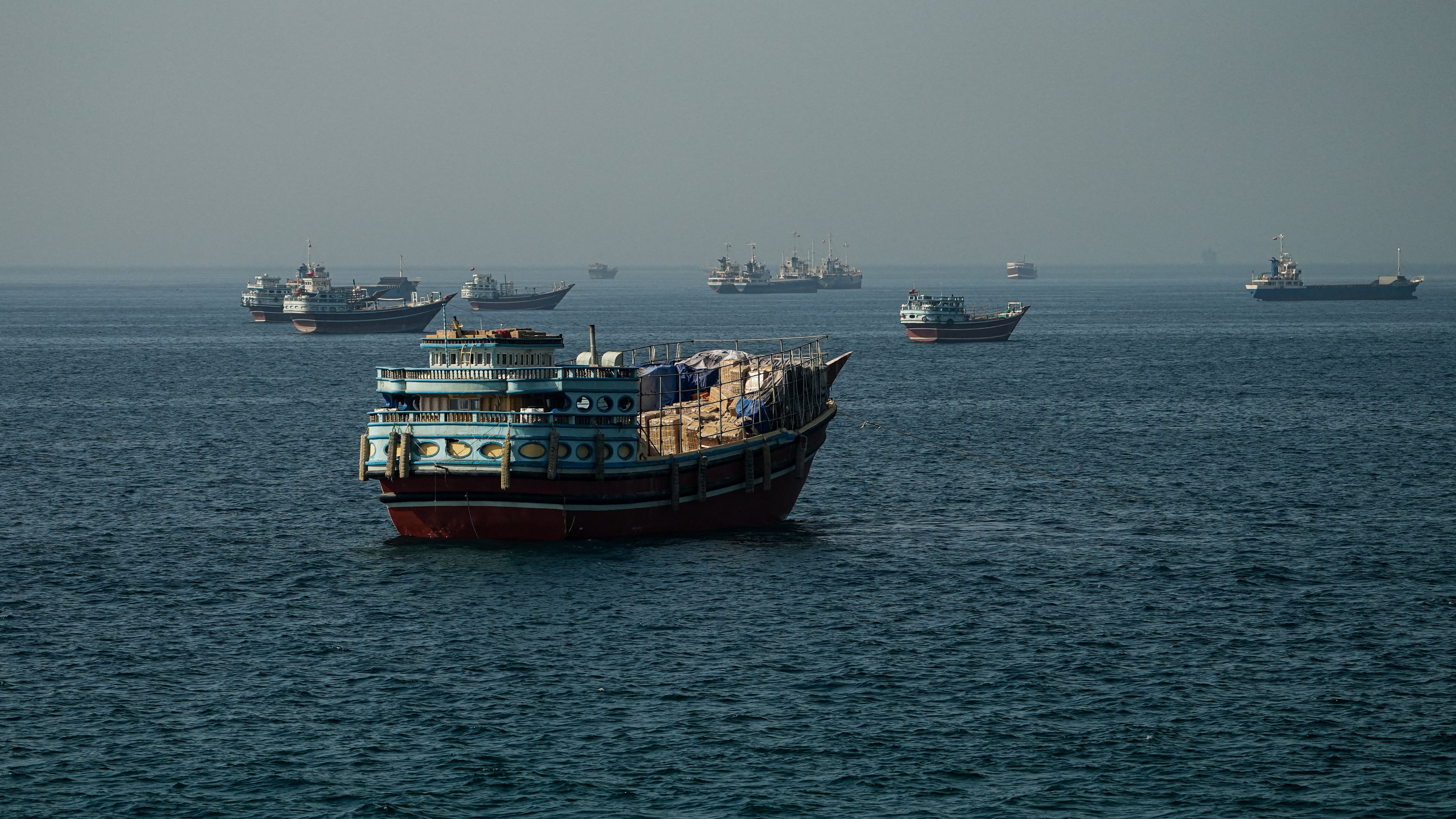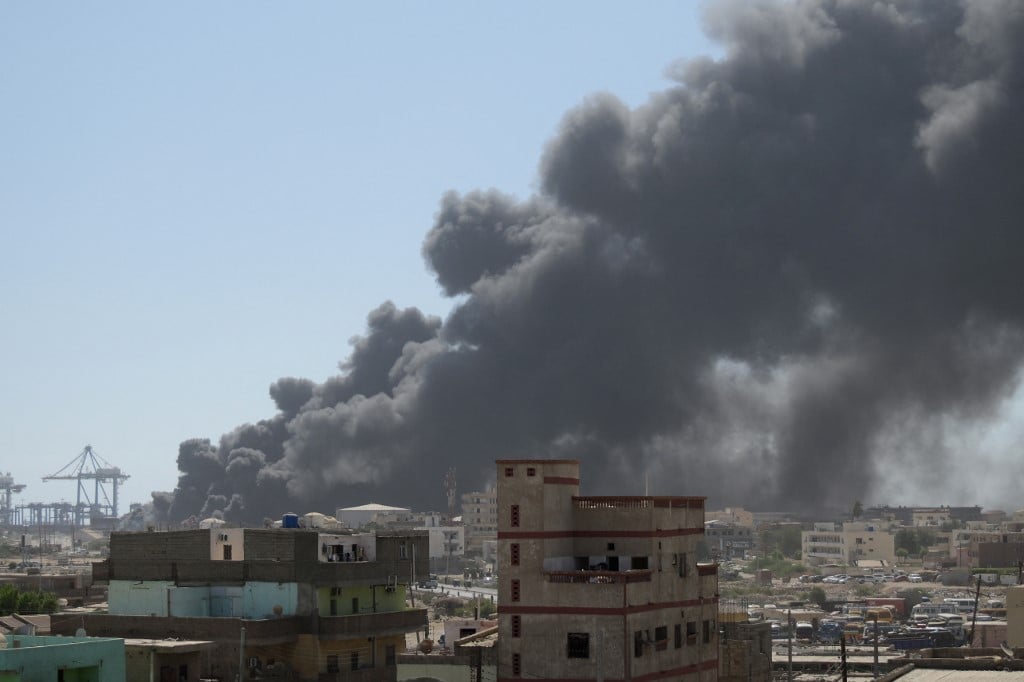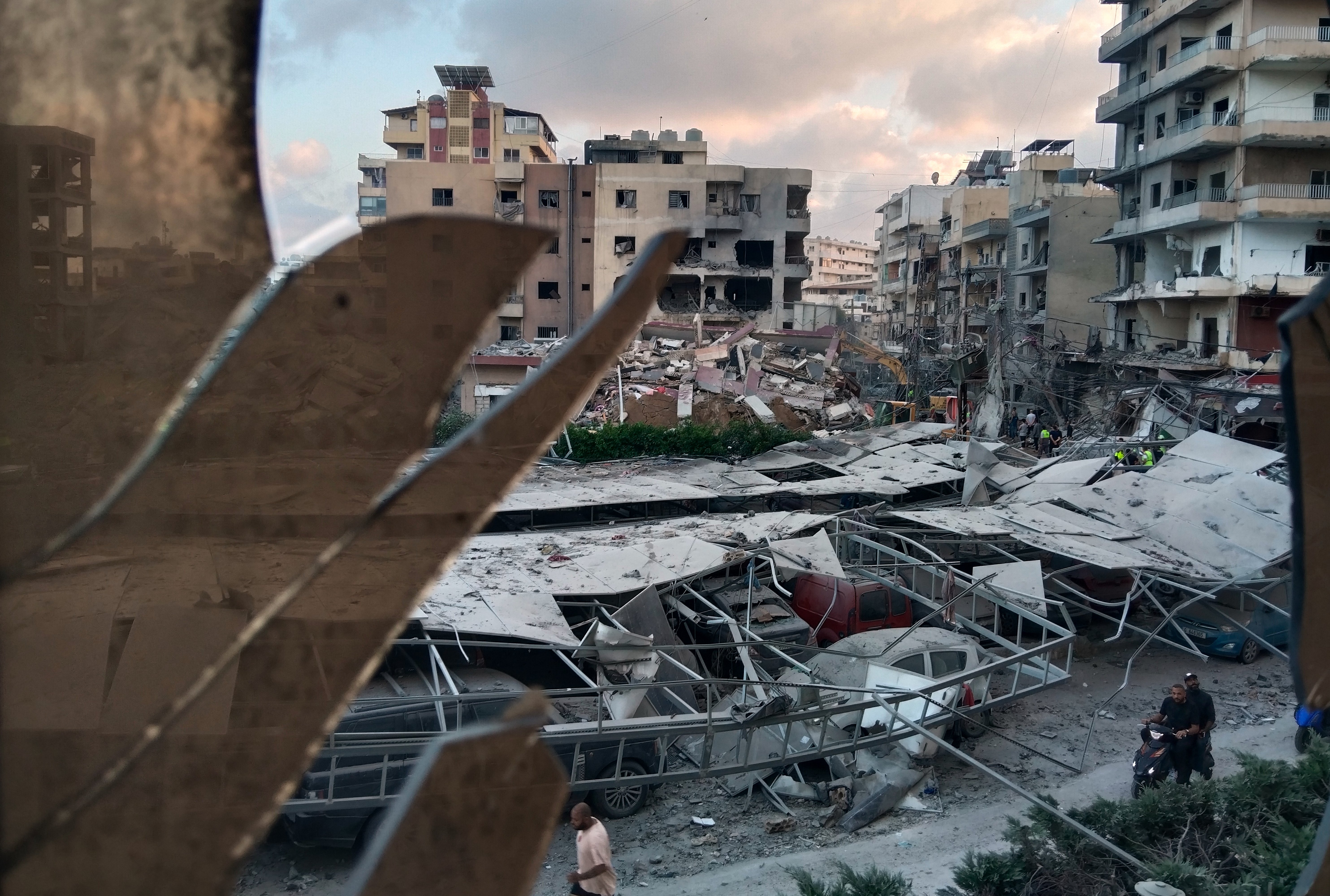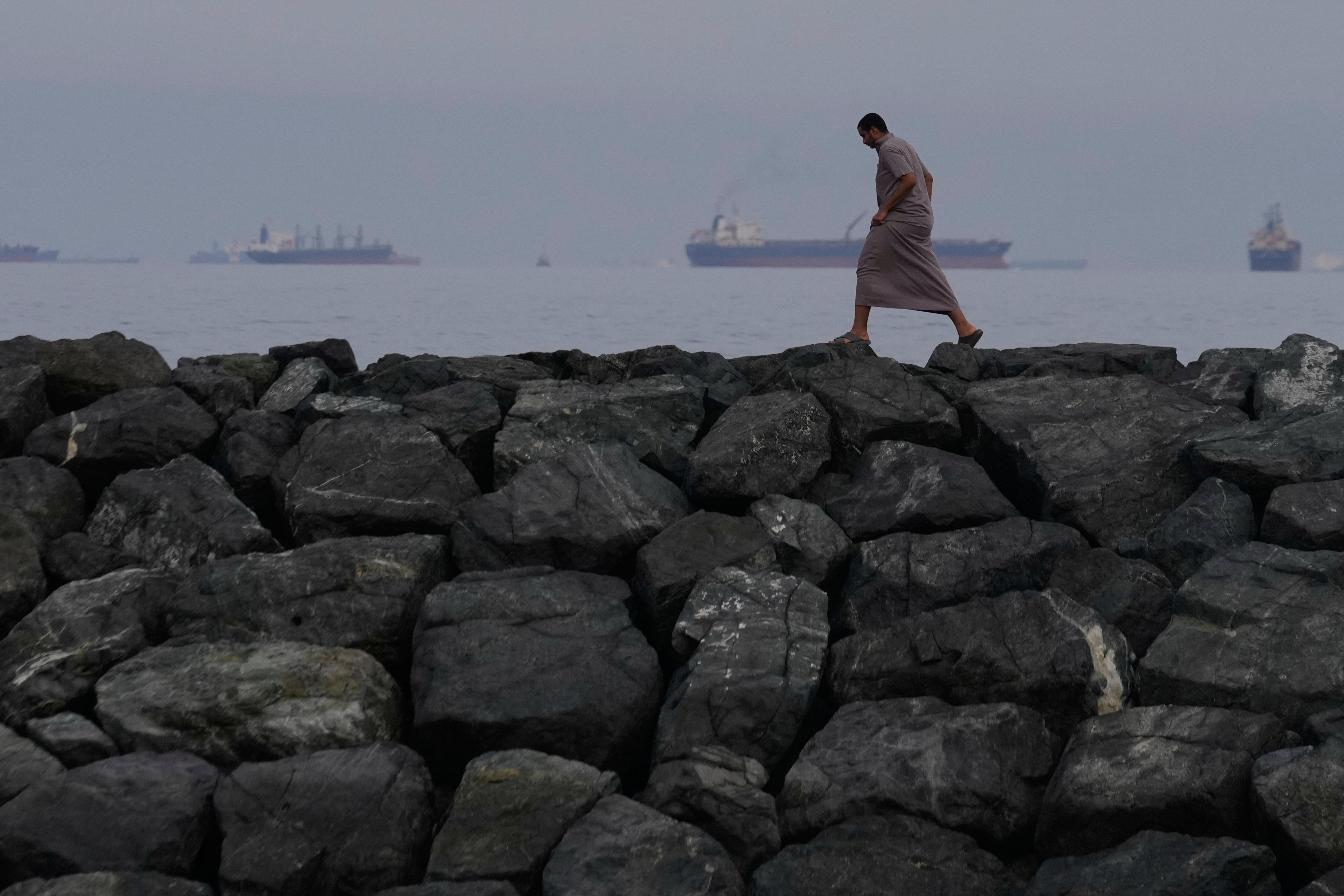
TEHRAN – Three Japanese crew members were still aboard a vessel somewhere in the Strait of Hormuz when Iranian President Masoud Pezeshkian got on the phone with Prime Minister Sanae Takaichi on Monday. That detail tells you nearly everything about why Japan has become the unlikely diplomatic bridge in a conflict that has shut down one of the world’s most critical energy corridors for months.
Pezeshkian’s message was conditional and pointed at once. Tehran is ready to pursue diplomacy, he told Takaichi, but the United States has made that impossible – undermining commitments, blocking Iranian ships, and compounding regional instability through what the Iranian presidency’s statement described as destabilizing actions by the Israeli regime. The diplomatic process, in Tehran’s framing, is intact in principle and sabotaged in practice.
Takaichi, for her part, did not travel to the conversation empty-handed. Japan, which relied on the Gulf for roughly 95 percent of its oil imports before the US-Israeli strikes against Iran in late February upended the regional order, has been one of the few governments able to hold a line to Tehran without being dismissed as hostile. She told Pezeshkian to show maximum flexibility – and demanded that the Strait be reopened for Asian shipping immediately, according to Al Arabiya.
Pezeshkian’s concession, such as it was, arrived in narrowly defined terms. Iran would facilitate maritime transit and help guarantee the security of Japanese vessels navigating the Strait. The presidency release was explicit on the limitation: the blockade’s root cause lies not in Iranian policy but in American obstacles and restrictions imposed on Iranian shipping and maritime trade. The broader waterway question – the 39 additional Japan-affiliated vessels still trapped in the Gulf – went unanswered.
The call was the latest episode in an extended pattern of Tokyo-Tehran engagement that has taken on unusual diplomatic weight as US-Iran negotiations have stalled. Talks held in Islamabad following the April ceasefire collapsed without conclusion. Washington has since imposed a port blockade on Iran. As the Eastern Herald reported last week, the Trump administration has simultaneously floated the prospect of a 60-day deal while pressing new oil sanctions – a dual-track approach Tehran has characterized as deliberate provocation.
What makes Monday’s exchange notable is not the outcome – there isn’t one, beyond a pledge to maintain close communication – but the architecture it reveals. Iran is using selective bilateral openings to signal to the wider international community that it holds the moral high ground in the breakdown of talks. Offering Japan preferential Hormuz access while framing American shipping restrictions as piracy is a calibrated move: it preserves the blockade as leverage, generates goodwill with a neutral economic partner, and reframes the narrative around Washington’s conduct rather than Tehran’s.
Takaichi’s leverage is real, if modest. This was at minimum her third direct call with Pezeshkian since the conflict erupted, and Japan has quietly managed to secure the transit of two oil tankers through the Strait in the past month – the Idemitsu Maru in late April and a second Eneos-managed vessel carrying 1.2 million barrels of Kuwaiti crude, according to shipping data from Kpler. Those passages did not involve a toll payment, Tokyo’s foreign minister confirmed. What they involved, apparently, is precisely this kind of leadership-level outreach.
Neither leader publicly addressed the fate of the wider diplomatic process. Takaichi told reporters after the call that she had strongly urged full Hormuz reopening for all nations – not just Japan – and that the two sides had agreed to continue close communication. What Pezeshkian said in response, she did not elaborate, Jiji Press reported. That silence is itself significant. Iran has not committed to a reopening timeline. It has not signaled a willingness to return to the Islamabad framework. It has offered, specifically, to help Japanese ships get through.
The question that Monday’s call does not answer – and that no diplomatic contact with Iran has answered in weeks – is whether Tehran is genuinely prepared to de-escalate if Washington changes its posture, or whether the offer of diplomatic readiness is a holding position designed to outlast American pressure. Pezeshkian’s framing has been consistent: Iran will negotiate if the United States stops what he characterizes as illegal interference with Iranian maritime commerce. Washington’s position has been equally consistent: the blockade is a consequence of Iranian behavior, not a precondition for talks.
Between those two fixed positions, Japan is threading a diplomatic needle. A week ago, the Trump administration rejected a proposed Oman framework for renewed ceasefire talks – a development that has left Tokyo without a clear diplomatic interlocutor on the American side. Takaichi said she was also seeking a phone call with President Donald Trump. That call had not been confirmed as of Monday.
—Inputs from Sputnik.