VIENNA — The decision landed Sunday with the precision of a communiqué drafted in advance: seven OPEC+ members would raise their collective output ceiling by 188,000 barrels per day from July, continuing a monthly cadence of target increases that began in April. On paper, it is the fourth consecutive signal that the alliance is loosening the taps. In practice, most of those taps remain shut.
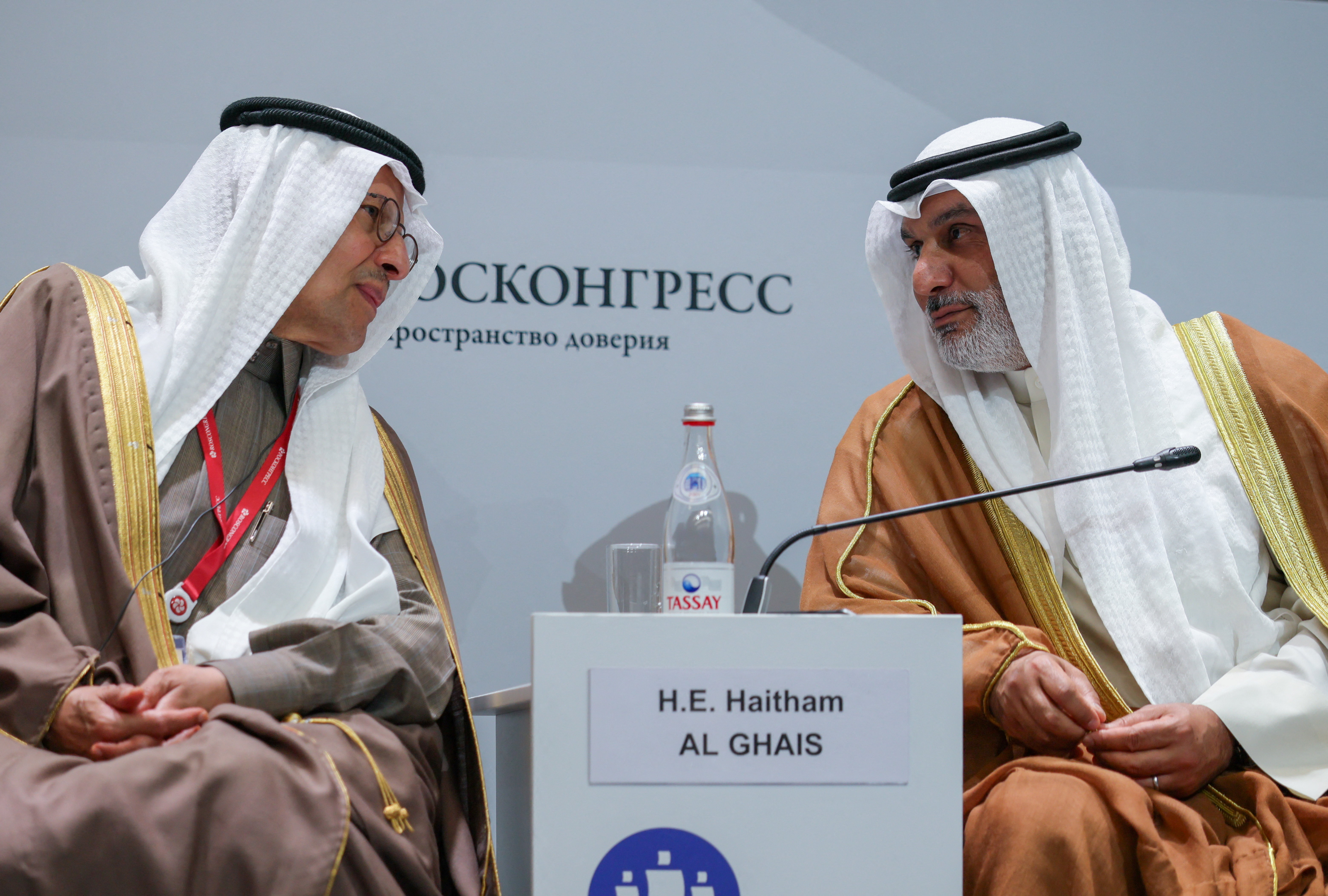
Saudi Arabia, Russia, Iraq, Kuwait, Kazakhstan, Algeria, and Oman issued a joint statement Sunday confirming the adjustment. The language was familiar: a collective commitment to oil market stability, a reference to the April 2023 voluntary adjustment framework, and an implementation date of July 2026. What the communiqué did not address was the gap between the group’s targets and its actual production — a gap that has rarely been wider in the alliance’s history.
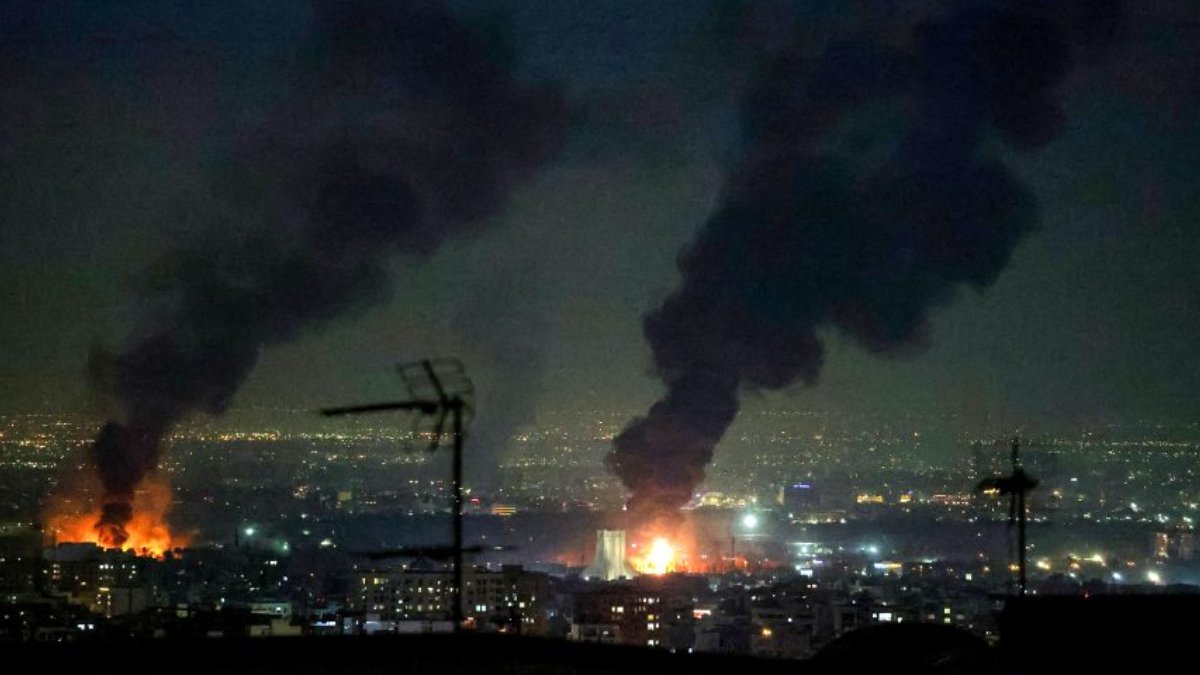
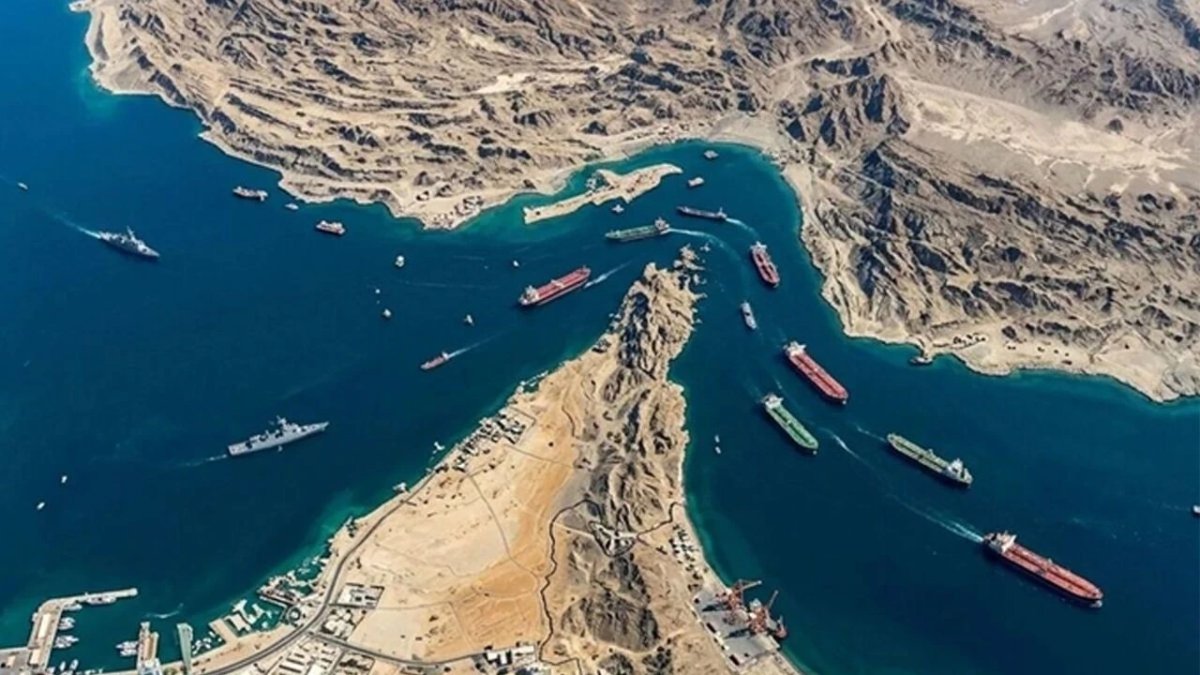
OPEC+ actual output stood at 33.19 million barrels per day in April, down from 42.77 million bpd in February — a collapse of nearly 10 million bpd in roughly eight weeks. The cause is the Strait of Hormuz. Since the waterway closed to commercial shipping at the end of February amid the Iran-US conflict, Gulf producers including Saudi Arabia, Iraq, and Kuwait have been unable to load and deliver crude at anything close to normal rates. The 188,000 bpd increase approved Sunday represents less than 2 percent of the production that went offline when the straits locked up.
The arithmetic is not lost on traders. Igor Sechin, the chief executive of Rosneft, said last week that a Hormuz reopening alone could push Brent crude toward $95 to $96 per barrel by year-end before a gradual retreat in 2027 — a forecast that underscores how little the monthly OPEC+ adjustment process matters as long as the bottleneck persists. A paper increase of 188,000 bpd, distributed across seven countries, amounts to roughly 27,000 bpd per nation on average. It is a gesture of institutional continuity, not a meaningful supply intervention.
The meeting was also the fourth since the UAE’s departure from the Organization of the Petroleum Exporting Countries in early May — the group’s first major defection in nearly six decades. Abu Dhabi’s exit removed the third-largest producer in the alliance from the quota framework, which reshuffled internal dynamics. The 188,000 bpd July figure is slightly smaller than the 206,000 bpd increases agreed in April and May, partly because the UAE’s share of the original voluntary adjustment — a 160,000 bpd reduction committed in 2022 — no longer exists as a lever to unwind.
Two separate layers of broader OPEC+ cuts remain untouched by Sunday’s decision. A 2 million bpd group-wide cut agreed in 2022 stays in place through the end of 2026, as does a 1.66 million bpd voluntary reduction set by the eight core producers. Those structural constraints operate independently of the monthly incremental adjustments. Analysts who frame the 188,000 bpd hike as a bearish signal for oil prices are reading a data point in isolation.
Kazakhstan has been among the most persistent overproducers within the alliance, repeatedly breaching its quota at the Tengiz field, and has promised compensation cuts that have only partially materialized. Iraq, under sustained internal pressure to pump more to fund its budget, has a similar pattern of compliance shortfalls. Russia has maintained guarantees to supply China and India through alternative routes, partly insulating its export revenues from the Hormuz disruption — but it too faces logistical ceilings on how much additional volume it can direct westward or through Pacific terminals.
The question Sunday’s statement does not answer is what the seven countries plan to do if the Hormuz corridor remains closed through August and September. The current pace of monthly increases — 188,000 bpd — was calibrated for a world in which the underlying constraint was political will, not physical access. The group has not publicly addressed whether it will pause the unwinding schedule, accelerate it, or simply continue issuing targets it cannot meet, accumulating theoretical supply commitments for the moment the waterway eventually reopens.
The International Energy Agency has described the current disruption as the biggest energy security crisis in modern history, citing the combined loss of Gulf output that dwarfs any previous supply shock in scale. The OPEC+ meeting on Sunday produced a decision that, in the agency’s terms, does not yet register as a meaningful response to that designation. Whether July’s increase represents the floor of the alliance’s ambition or a placeholder for a larger strategic shift — one contingent on diplomacy, not logistics — remains the central unanswered question hanging over the oil market heading into the second half of 2026.