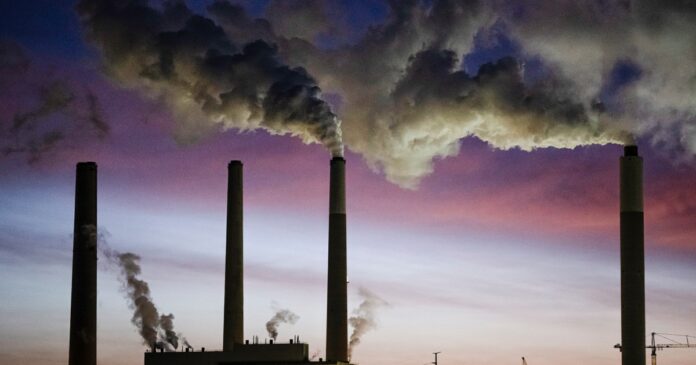

BRASÍLIA – Brazil’s space research agency reported Thursday that 1,295 square kilometers of Amazon forest were cleared in the first half of 2026, a 38 percent decline from the same period last year and the lowest figure for any comparable six-month span since 2016. The data, from the National Institute for Space Research, known by its Portuguese acronym INPE, arrived at a moment of particular weight: Brazil holds national elections in October, and the trajectory of Amazon deforestation under President Luiz Inácio Lula da Silva has become a central argument in that campaign.
The figure represents a deceleration that has been building since Lula returned to office in January 2023. In his first full year, deforestation fell by roughly half compared to the peak years of his predecessor, Jair Bolsonaro, when annual clearing reached an area more than thirteen times the size of New York City. The trend has continued. Its current rate, while still damaging to an ecosystem that took millions of years to form, suggests something the forest’s defenders have long argued was possible: that enforcement capacity and political will, rather than commodity prices alone, determine the pace of clearing.
That finding carries immediate geopolitical implications. President Donald Trump cited Amazon deforestation earlier this year as part of the stated justification for tariffs on Brazilian goods, arguing that Lula’s government had failed to protect a resource of global environmental significance. Thursday’s INPE data directly contradict that framing. Whether the Trump administration adjusts its position, or continues with the tariffs unencumbered by the numbers, remains to be seen.
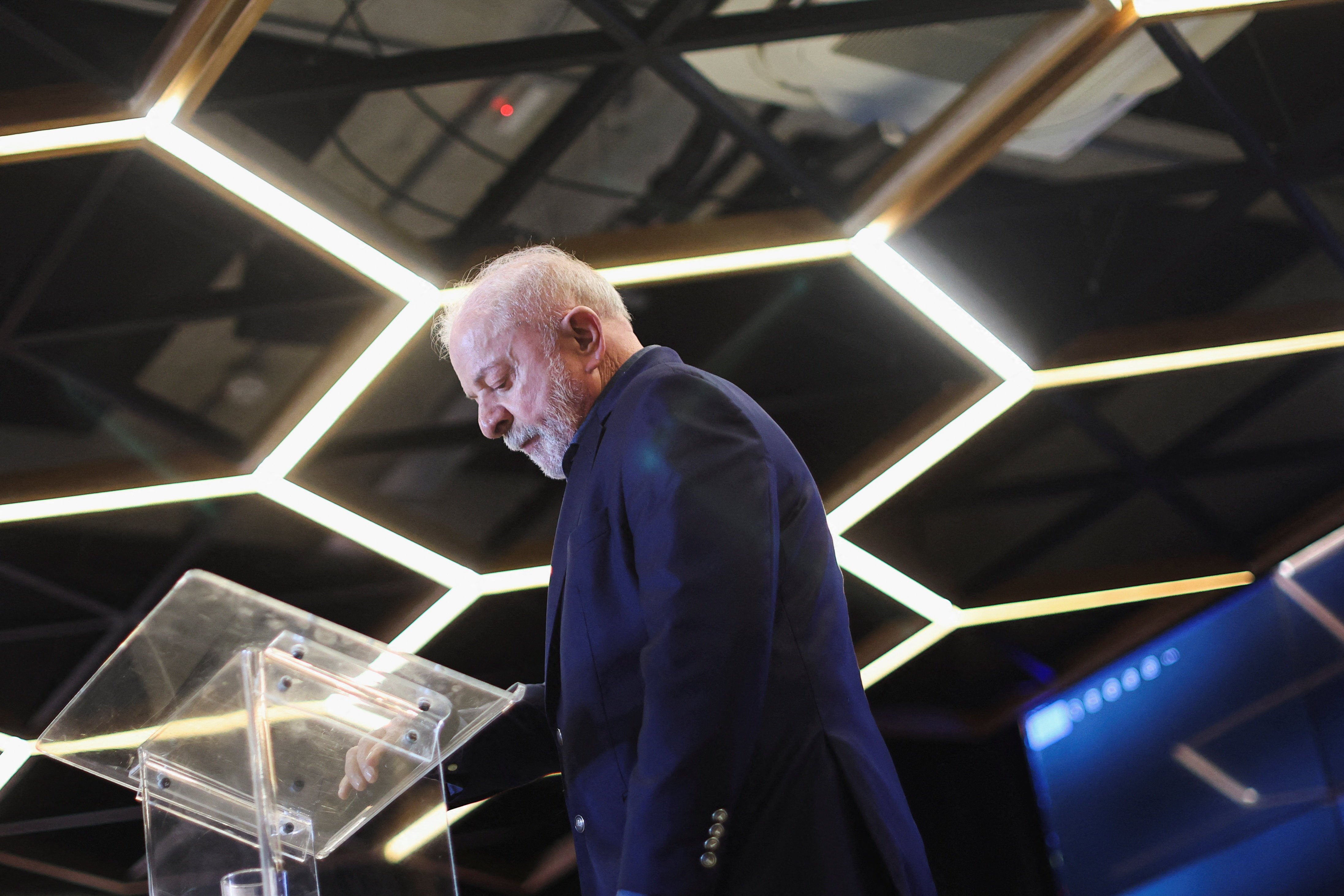
Lula’s government has framed the results as validation. At a recent climate event, the president said that his opponents “don’t understand the work we are doing to bring deforestation down to zero by 2030.” Environment Minister Marina Silva, who served in Lula’s first government and oversaw the original dramatic fall in Amazon clearing before the Bolsonaro years reversed it, has directed the restoration of the Amazon Fund and redeployment of federal enforcement in the territories that saw the worst clearing under his predecessor.
The political calendar adds pressure to the claim. Lula is expected to face Flávio Bolsonaro, son of the former president, in the October vote. Flávio Bolsonaro has not repudiated his father’s environmental record, and agriculture and ranching interests in Brazil’s interior, which are structurally connected to deforestation rates, remain reliable bases of political support for the Bolsonaro family. A Lula victory in October would extend the current enforcement regime. A change in government would put it at risk.
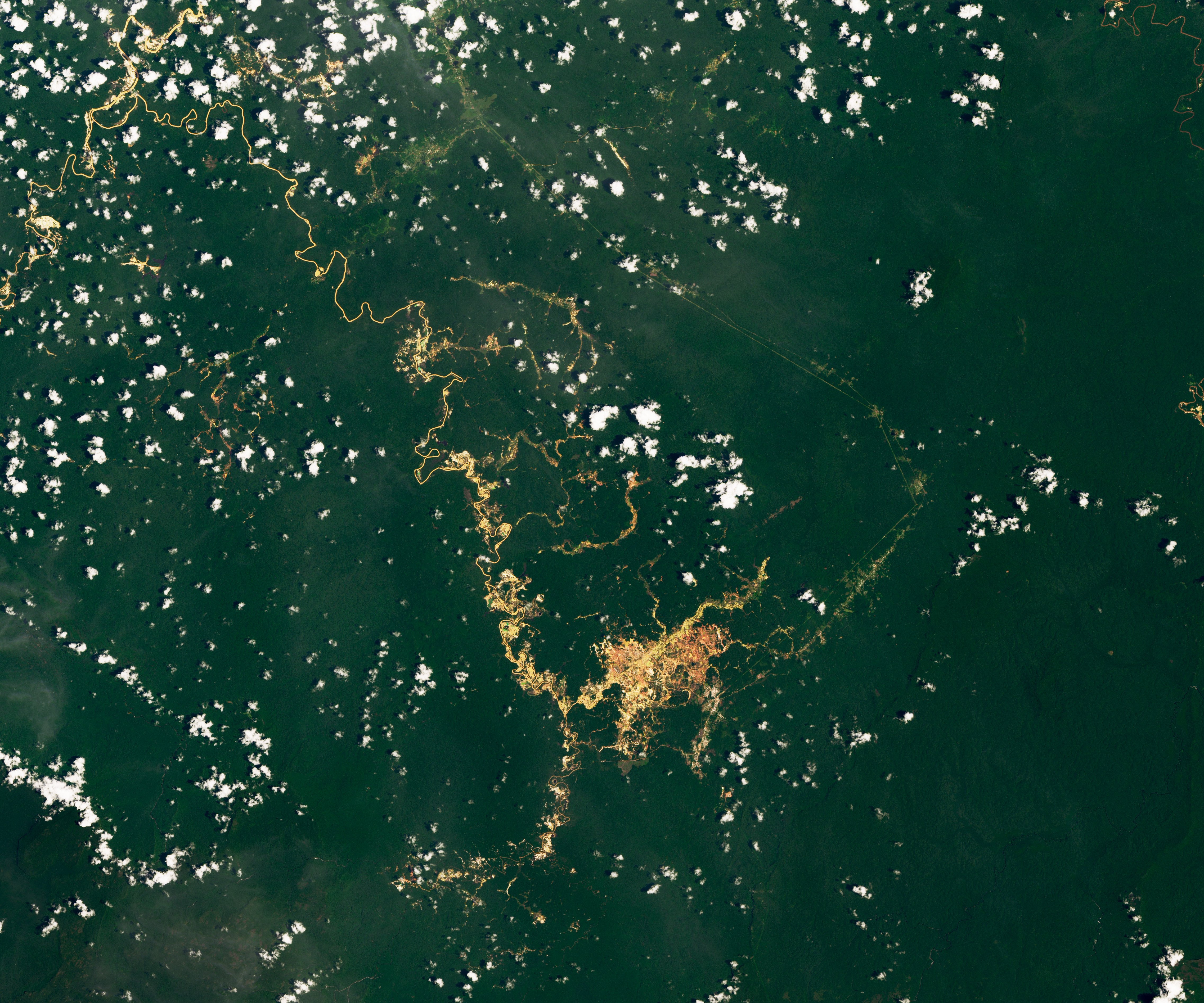
INPE tracks deforestation through satellite imagery rather than field surveys, which means the data captures clearing but cannot measure the extent to which secondary vegetation grows back in previously cleared areas. The agency has been a consistent reference point for international observers and both Brazilian governments. It has also been a target of political pressure: in 2019, Jair Bolsonaro moved to publicly discredit INPE’s findings after they showed clearing accelerating under his administration, and later removed the agency’s director. The current government has restored INPE’s institutional standing and funding.
The first-half 2026 figure does not determine the annual total. The dry season runs roughly from June through October, when deforestation accelerates, fires are lit, and satellite imagery begins showing the geometries of newly exposed soil at the forest’s edge. The favorable numbers released Thursday cover the wet-season months, when enforcement is easier and satellite observation less obstructed by smoke. Earlier reporting on May’s monthly figures showed a 61 percent year-on-year decline for that single month, consistent with Thursday’s half-year picture. The real test of Lula’s anti-deforestation regime will come in the data released after the election.
The Amazon Fund, financed primarily by Norway and Germany, has been restored and expanded under Lula, and climate finance mechanisms agreed at COP30 in Belém last year have begun operating. Whether those structures could survive a change in Brazilian government is a question international climate officials have been careful not to pose publicly.
What Brazil’s experience now establishes is that the direction of forest clearing can be reversed through political intervention. The Bolsonaro period showed that statements from the presidency, funding cuts at enforcement agencies, and ambiguous legal signals about Indigenous land tenure drove clearing upward even during years of ordinary commodity prices. The current data, as Al Jazeera reported, suggests the same signals can work in the other direction. How durable that reversal proves depends largely on what happens in October. The Amazon’s recovery, if that is what this is, is running on an electoral clock.