BEIRUT — The assault on Beirut’s southern suburbs came closer than most of Lebanon knew. Israel had prepared a large-scale strike on Dahiyeh, the dense Hezbollah stronghold that flanks the Lebanese capital to the south, and the attack was called off only at the last minute, stopped by direct American intervention, according to Israeli public broadcaster Kan.
The disclosure arrived hours after a day that had already shaken the city. Residents who woke to Israeli government orders authorizing strikes on Dahiyeh spent much of the morning loading cars and jamming the highways leading out of the suburb, unsure whether the bombardment they had braced for was still coming. What they did not know, Kan reported, was that a far more expansive operation had been in the works and had been quietly shelved.
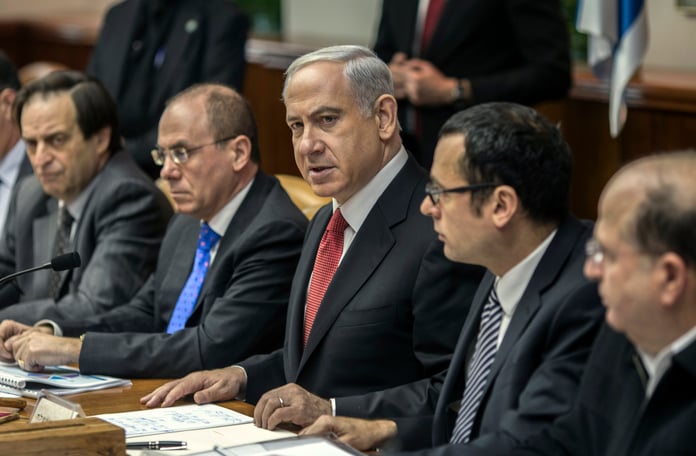
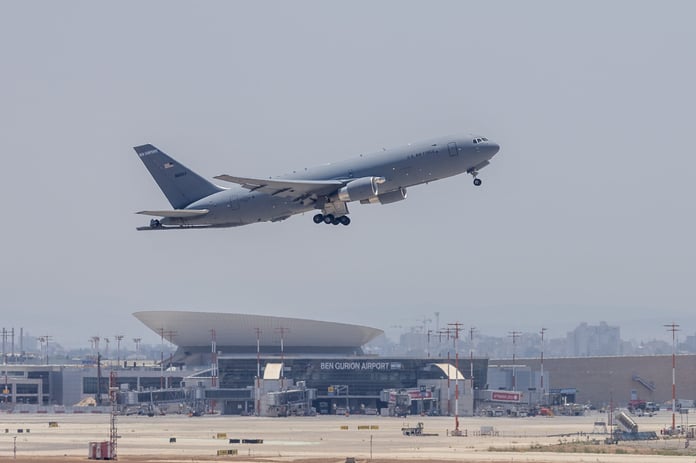
Two Israeli sources told Reuters that the Israel Defense Forces were awaiting final approval from President Donald Trump before striking Beirut’s southern suburbs. That approval did not come in the form Israel had sought. Trump announced late Monday that he had spoken with Prime Minister Benjamin Netanyahu, who pledged to halt a threatened invasion that would have taken Israeli troops into Dahiyeh. In the same social media post, Trump said Hezbollah had also agreed to stop hostilities, a ceasefire declaration that caught many in the region by surprise given the day’s opening moves.
The arc of the day captured the central tension now governing the Lebanon conflict: Israel’s determination to press its military campaign against Hezbollah, and Washington’s persistent effort to contain the escalation before it collapses the fragile regional architecture the Trump administration has been trying to hold together.
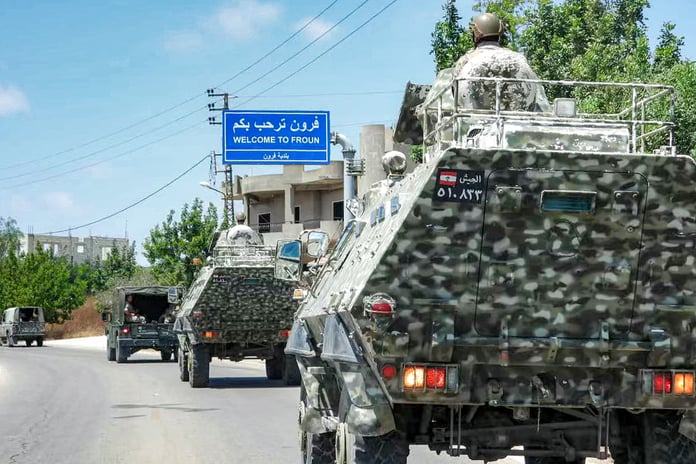
Netanyahu and Defense Minister Israel Katz had issued a joint statement early Monday instructing the IDF to strike Hezbollah targets in Dahiyeh, citing repeated ceasefire violations and continued drone and rocket attacks on northern Israel. Katz drew an explicit parallel in a separate statement: “The Dahiyeh in Beirut is no different from the communities in northern Israel – if there is no calm in the north, there will be no calm in Beirut.” Israel has been steadily expanding its ground operation in southern Lebanon, seizing the medieval Beaufort Castle just north of the Litani River on Sunday in the deepest Israeli military push into the country in decades. As Eastern Herald reported, the formal strike orders had already been issued before Washington’s intervention reshaped the day.
What the joint statement did not disclose was the scale of what had been planned. The Kan report suggests the authorized strikes represented a constrained version of the operation actually on the table, and that the more expansive assault went no further because Washington intervened before it could be launched.
That intervention came against a complicated diplomatic backdrop. Iran’s foreign ministry warned Monday that the United States bore responsibility for Israeli ceasefire violations, and signaled that a violation on one front was equivalent to a violation across all fronts, a formulation with direct implications for the parallel US-Iran nuclear negotiations. Pakistani officials said Tehran had asked Islamabad to continue mediating for de-escalation and to help maintain the ceasefire. Separately, Iran had already suspended its message exchange with Washington over Israeli actions in Lebanon, adding further pressure on American diplomacy.
The European Union called for an immediate halt to Israel’s military escalation in Lebanon, as the United Nations Security Council convened an emergency session. Six people were killed in Israeli strikes on a hospital in the southern Lebanese city of Tyre, according to Lebanese media. The EU and UN Security Council session underscored how rapidly the day’s events had alarmed capitals well beyond the conflict zone.

Al Jazeera’s Zeina Khodr, reporting from southern Beirut, described the human texture of the morning: people packing whatever they could carry the moment the government’s joint statement landed, heading for cars, uncertain where to go. Government-run shelters were already full. Many families sat in vehicles on congested roads waiting for a bombardment that, because of decisions made in Washington according to Israeli sources cited by Haaretz, did not come in the form they feared.
What Kan’s report leaves unresolved is the precise nature of the American communication that stopped the larger operation. Whether it constituted a formal request, a warning of diplomatic consequences, or an outright veto of Israeli targeting plans has not been confirmed. Netanyahu’s office has not publicly addressed the Kan account, and the White House has not confirmed the intervention as reported.
The ceasefire Trump announced Monday evening represented an outcome shaped as much by the attack that did not happen as by the exchanges of fire that did. Whether it holds, against a background of Israeli ground operations continuing in southern Lebanon, Hezbollah drone attacks still targeting IDF positions, and a larger Iran-linked regional architecture under constant strain, remains the question neither Washington nor Jerusalem has yet answered.