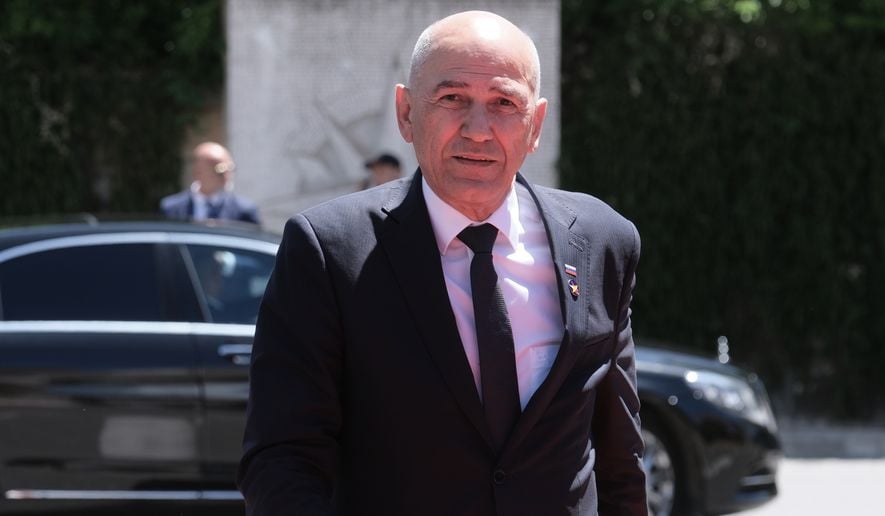

LJUBLJANA — Slovenia’s new conservative government has revoked the package of measures its predecessor imposed on Israel, lifting an entry ban on Prime Minister Benjamin Netanyahu and two far-right ministers, ending an arms embargo and reopening trade with West Bank settlements in one of the most abrupt reversals of a European government’s Gaza-era policy.
The decision, announced on Wednesday by the government of Prime Minister Janez Jansa, unwinds nearly every punitive step taken by the previous center-left administration of Robert Golob, which had made Slovenia one of the European Union’s sharpest critics of Israel’s conduct in Gaza.
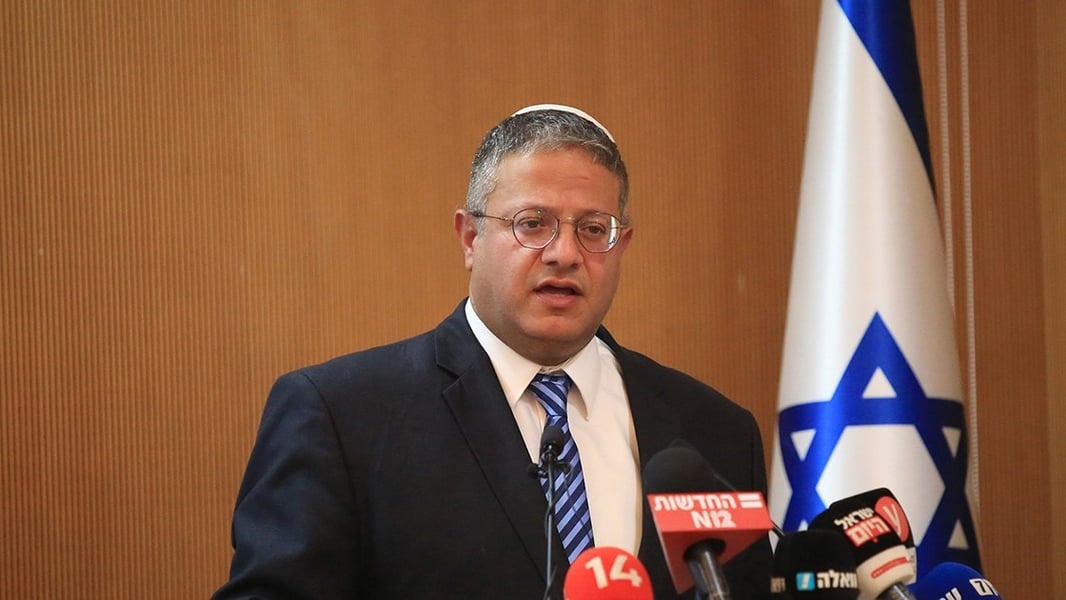
Among the scrapped measures were the entry bans on Netanyahu, National Security Minister Itamar Ben-Gvir and Finance Minister Bezalel Smotrich, a ban on imports from Israeli settlements built on occupied Palestinian land, and an embargo on the export and transit of military weapons and equipment to and from Israel.
In its statement, the Jansa government said it was scrapping the restrictions to open what it called political communication and to strengthen the role of the Republic of Slovenia in the efforts to achieve a lasting peace in the Middle East. Israel has announced plans to open an embassy in Ljubljana.
The reversal lands while the warrant the International Criminal Court issued for Netanyahu in November 2024, over alleged war crimes and crimes against humanity in Gaza, remains in force. Slovenia, as a member state of the court, had previously said it would be obliged to arrest him if he set foot on its territory.
Jansa, a veteran populist who has aligned himself with the European hard right, took office early this month after his bloc emerged on top in the March parliamentary election. His return marks a sharp swing from Golob, under whom Slovenia in 2024 became one of the few EU states to formally recognize a Palestinian state.

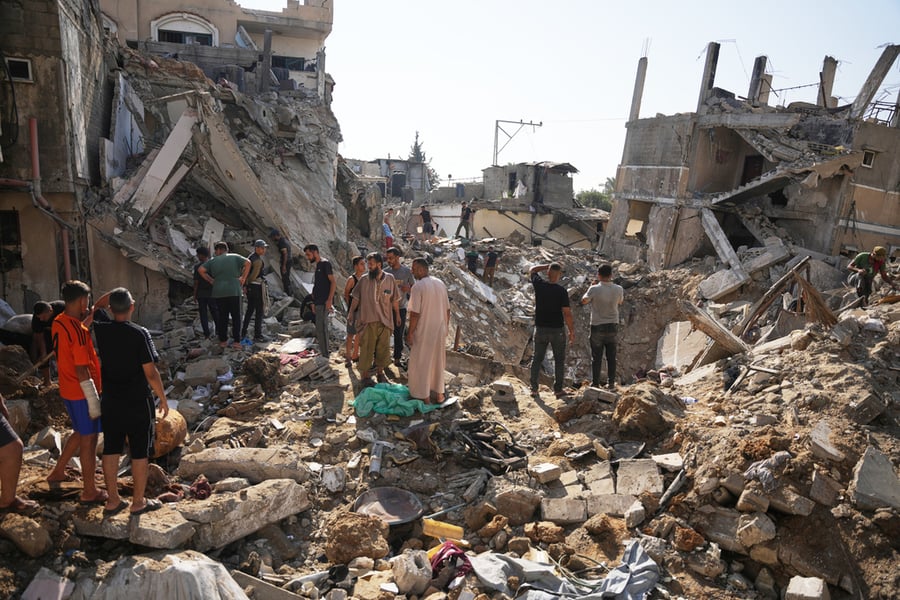
That recognition was paired through 2025 with the entry bans on the three Israeli officials and, separately, with the restrictions targeting settlement goods and arms transfers, steps Golob’s government cast as a response to the scale of civilian death in Gaza.
Liberal President Natasa Pirc Musar, whose office is largely ceremonial but who has remained a vocal supporter of Palestinian statehood, raised the Palestinian flag over the presidency building after the new government removed it, a pointed public rebuke of the policy turn.
The move also sets Ljubljana against the grain of an EU still arguing over how far to press Israel. Israeli media reported the same week that the Czech Republic had moved to block proposed bloc-level sanctions on Ben-Gvir, underscoring how a handful of right-leaning governments are working to soften Europe’s posture even as France this week accused an Israeli firm of running covert disinformation against critics of the Gaza war across the continent.
For Palestinians and the rights groups that had pointed to Slovenia as proof that European pressure was possible, the rollback is a setback. Ben-Gvir and Smotrich, the two ministers now free to travel to Slovenia again, are among the most hardline figures in Netanyahu’s cabinet, and both have been sanctioned by several Western governments over incitement and settlement expansion.
The lasting question is whether Jansa’s reset proves an outlier or a preview. With Gaza’s reconstruction and the status of the occupied West Bank still unresolved, every European capital that drops its leverage narrows the diplomatic space in which Palestinians can press for accountability, and widens the room Israel’s government has long sought.
Related Posts