
JERUSALEM — Israel’s government has set in motion the largest settlement expansion of recent decades, a plan to finance 61 new settlement sites across the occupied West Bank with mobile homes, roads and utilities installed before planning procedures conclude, and sequenced deliberately to beat a possible early election that could take the checkbook away.
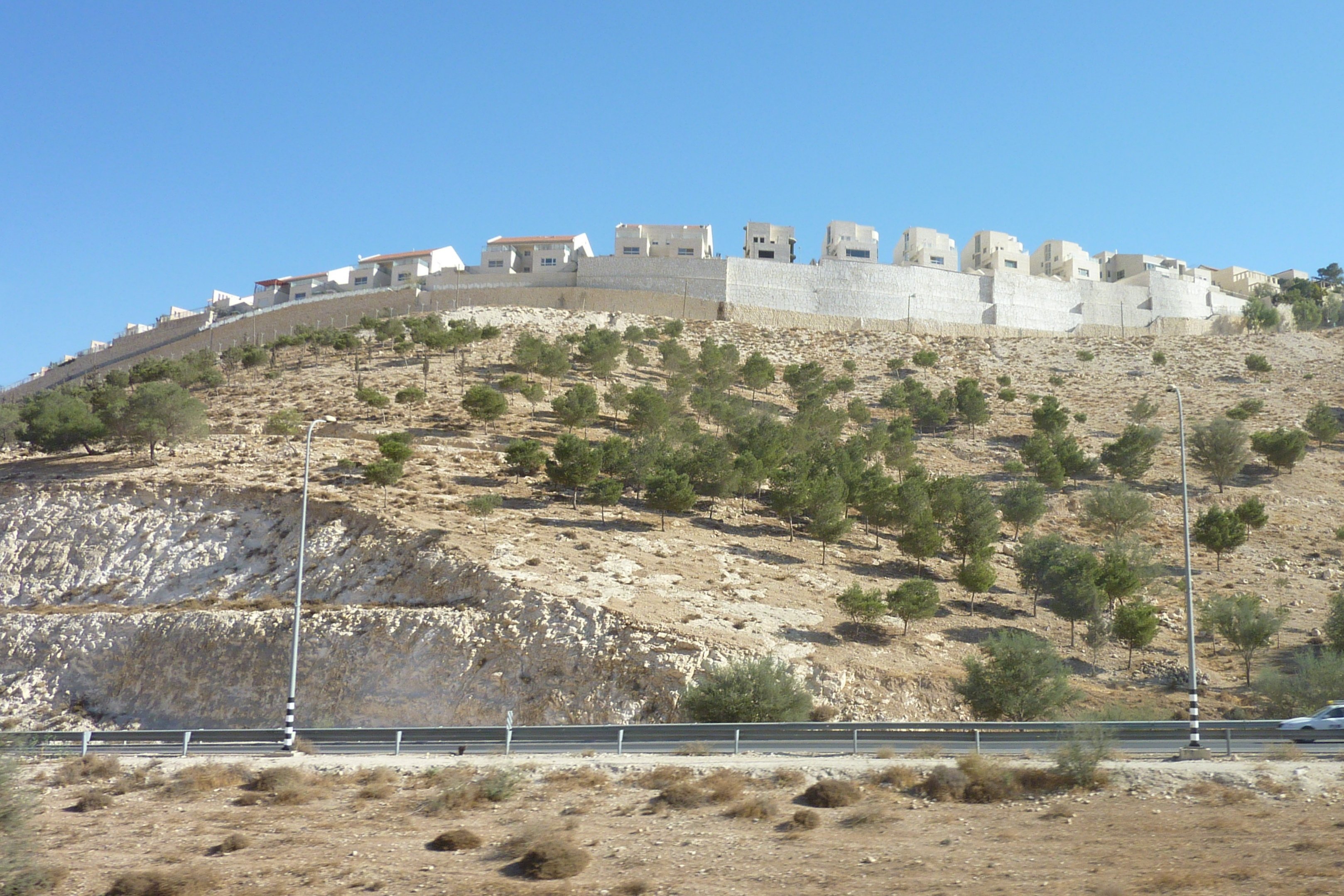
The cabinet referred the centerpiece, an allocation of 1 billion shekels, about $338 million, to the security cabinet for a vote scheduled Sunday, after separately approving roughly 152 million shekels, some $51 million, for planning and regulatory work covering dozens of settlements and outposts, Al Jazeera reported, citing the Israeli anti-settlement watchdog Peace Now. The money would finance temporary residential compounds of mobile homes plus the public buildings, roads and utilities that convert a hilltop into a fact.
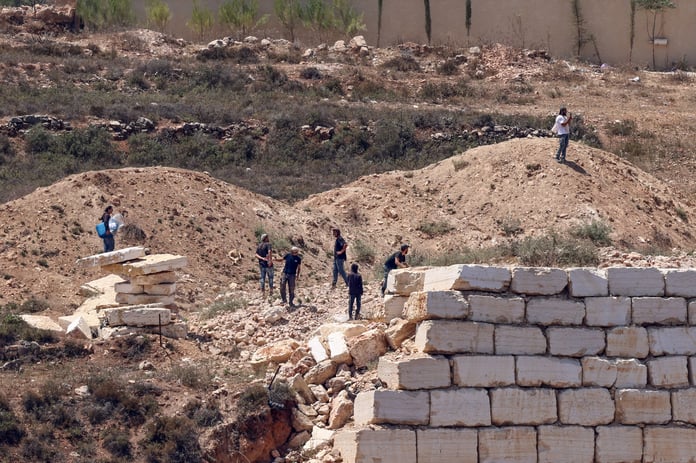
The design is the point. The funding allows construction to begin while statutory approval procedures are still under way, Siasat reported, with many of the 61 sites placed in the most strategically sensitive geography available: the Jordan Valley, which closes the West Bank’s eastern edge, and the South Hebron Hills, where Palestinian herding communities have spent two years under settler pressure documented by every major rights organization.
Peace Now’s reading is that the government intends to bypass planning and construction regulations entirely, putting settlers on the land first and resolving the legality afterward, the method by which the outpost movement built itself for thirty years, now adopted as fiscal policy. October 7 proved that the right-wing approach has failed, the organization said: the conflict cannot be managed, and the expansion condemns Israel to many more years of bloody conflict.
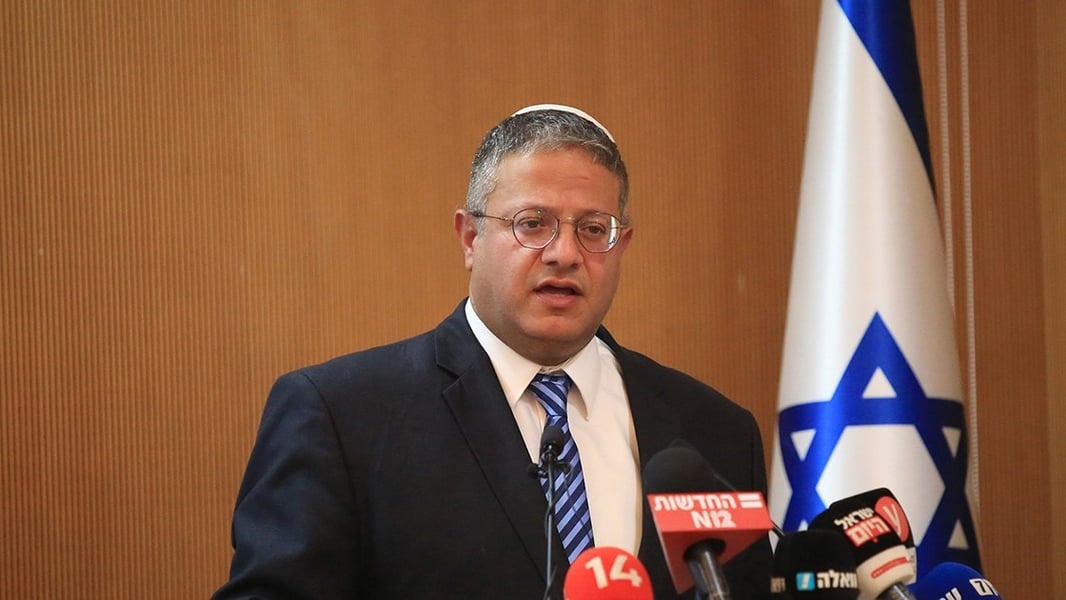
The author of the plan is Finance Minister Bezalel Smotrich, the settler leader who has said openly that he wants to bury the idea of Palestinian statehood, and the calendar explains his urgency. The government is racing to secure cabinet approval before any Knesset dissolution vote that could trigger fall elections, since a caretaker government cannot launch billion-shekel programs. Whatever the polls decide, the mobile homes will already be on the hills.

The arithmetic of the current government’s record gives the plan its context. Since December 2022, the coalition has approved 103 settlements, 51 of them entirely new, while at least 117 Palestinian villages have suffered complete or partial displacement under settler activity, according to figures compiled by international monitors. The new tranche would industrialize that pace, funding 61 sites simultaneously rather than legalizing outposts one by one.
The international response apparatus has already shown its ceiling. Britain, France, Canada, Australia, New Zealand and Norway sanctioned the networks financing settler violence just this week, as The Eastern Herald reported, and the measures’ careful boundaries are now on display: the same week the West sanctioned settler militias, the Israeli state moved to fund 61 settlements from the treasury, an activity no Western sanction touches.
The legal landscape is not ambiguous. The United Nations and nearly every government on earth hold the settlements illegal under the Fourth Geneva Convention, the International Court of Justice ruled in 2024 that the occupation itself is unlawful and must end, and Palestinians regard the settlement grid as the physical machinery foreclosing their state. The plan answers all of it with concrete and wheels.
The expansion also completes a picture The Eastern Herald has documented across the occupied territories this week, from the record demolition campaign emptying East Jerusalem to the West Bank’s new funding wave: a single policy operating at different speeds, in which Palestinian construction is demolished as illegal while Israeli construction is financed before it becomes legal.
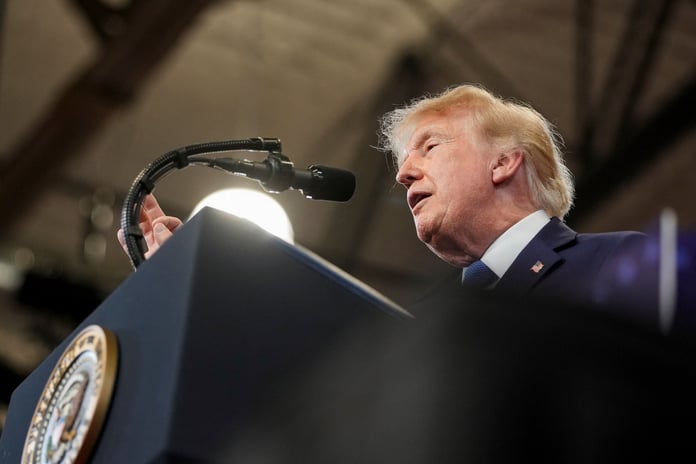
Washington’s silence completes the permission structure. An administration that recognized Jerusalem as Israel’s capital, defunded the Palestinian file and treats settlement announcements as internal Israeli matters has removed the one brake that previous expansions had to calculate around. The Europeans sanction adjacent actors; the Americans say nothing; the bulldozers grade the access roads.
Sunday’s security cabinet vote will likely formalize what the referral already signaled. The mobile homes are ordered, the sites are surveyed, and the question that remains is not whether the 61 settlements rise but how fast, and whether any Israeli election, court or foreign capital still possesses an instrument that arrives before the trucks do.
Related Posts