
CAIRO — Some Iranian strikes targeting Saudi Arabia were launched from Iraqi soil, according to a report by Al Arabiya citing people familiar with the matter, a revelation that, if confirmed, could mark a dangerous expansion of an already volatile regional confrontation.
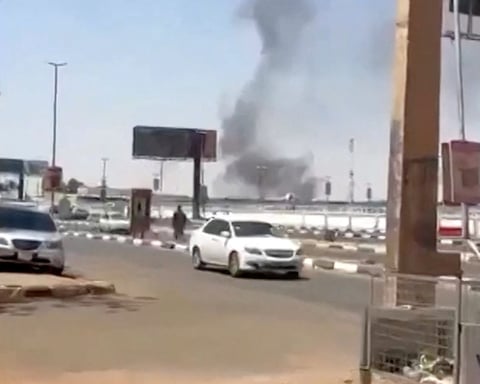
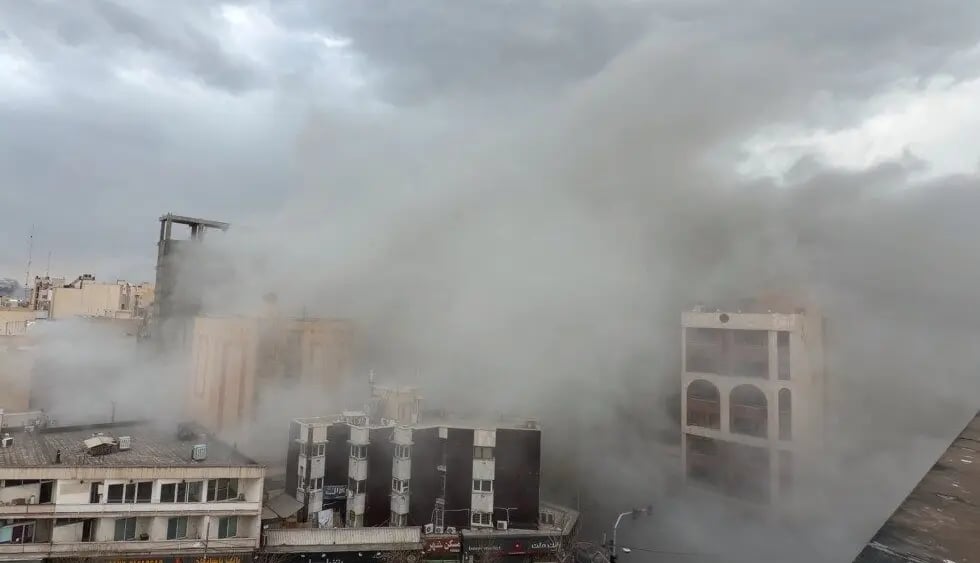
The allegation comes as Saudi Arabia confronts a direct drone strike on the US Embassy in Riyadh compound. According to US Embassy in Riyadh hit by drones, Saudi defense ministry says, two unmanned aircraft struck the US diplomatic compound early Tuesday, igniting a small fire and prompting shelter-in-place advisories across Riyadh’s Diplomatic Quarter.
Saudi officials said the kingdom is closely monitoring developments and reserved the right to respond to what it described as Iranian aggression. Tehran has not formally commented on the specific allegation that some of the attacks were launched from Iraqi territory.
A Dangerous Geographic Shift
If Iranian-linked strikes were indeed launched from inside Iraq, the development would complicate Baghdad’s fragile balancing act between Tehran, Washington, and Gulf Arab capitals. Iraq has long been an arena of competing influence, where Iran-aligned armed factions, often characterized by analysts as part of the broader “Islamic Resistance” network, operate alongside a still-present US military footprint and a central government trying to assert sovereignty.
Security analysts warn that such a shift would mark a strategic escalation, broadening the operational theater of the Iran–Saudi confrontation and inviting miscalculation. These militias have on numerous occasions demonstrated their readiness to engage in regional confrontations in response to strikes against Tehran, a pattern highlighted in reporting on armed groups such as those described in Iraq’s Nujaba Movement declares full support for Iran amid Gulf tensions.
Drone Warfare and Escalation
The reported use of drones in the attack underscores how unmanned aerial systems have reshaped the Middle Eastern conflict landscape. Over the past several years, drones and precision-guided munitions have increasingly replaced conventional battlefield engagements, enabling long-range strikes with deniability and lower operational cost.
The Saudi Foreign Ministry said Riyadh “reserves the right to take necessary retaliatory measures,” language that signals the possibility of calibrated military or strategic responses. Saudi Arabia has invested heavily in air defense systems to counter missile and drone threats, particularly following years of cross-border attacks linked to regional proxy conflicts.
Diplomatic Fallout and Gulf Unity
The growing rift has led to significant diplomatic fallout. Riyadh recently summoned Tehran’s ambassador in protest of repeated attacks on its territory and neighboring Gulf states, condemning the strikes as violations of its sovereignty. This was reported by leading regional outlets highlighting rising tensions. :contentReference[oaicite:1]{index=1}
Parallel to this, Gulf Cooperation Council (GCC) members including the UAE, Qatar, Bahrain, Kuwait, and Saudi Arabia have publicly condemned what they describe as Iranian aggression, reflecting increasing regional unity in diplomatic opposition to Tehran’s actions.
Iraq’s Delicate Position
Iraq occupies a precarious space in the regional power struggle. Since the defeat of the Islamic State’s territorial control, Baghdad has attempted to assert sovereignty while navigating pressure from competing external powers.
Iran wields substantial influence in Iraq through political alliances and affiliated armed groups. Meanwhile, the United States maintains a security footprint aimed at counterterrorism operations and regional stability. Gulf states, including Saudi Arabia, have also sought to strengthen ties with Baghdad in recent years through economic diplomacy and infrastructure initiatives.
An allegation that attacks on Saudi Arabia originated from Iraqi soil risks placing Iraq at the center of a widening confrontation. It could strain Baghdad’s diplomatic relations and intensify scrutiny over its ability to control armed factions within its territory.
Regional observers warn that Iraq becoming an operational launch platform for cross-border strikes would heighten the risk of retaliatory cycles that extend beyond bilateral tensions. Commentary on the broader war risk, including analysis that US-Israel-Iran strikes could ignite broader Middle East war, underscores the dangers of localized conflict spreading into region-wide confrontation.
The Broader Global Response
The tensions have already triggered broader global responses. The United States ordered some diplomatic staff and their families to leave several countries in the region as the conflict widens, including the closure of its mission in Riyadh after the drone strike. According to Reuters reporting, this precautionary move covers multiple Gulf states where Iranian missile and drone attacks have targeted Western facilities. :contentReference[oaicite:3]{index=3}
Meanwhile, the U.S. State Department has issued urgent advisory warnings for American citizens across the Middle East to depart the region immediately due to significant safety risks amid escalating hostilities.
Economic and Energy Impacts
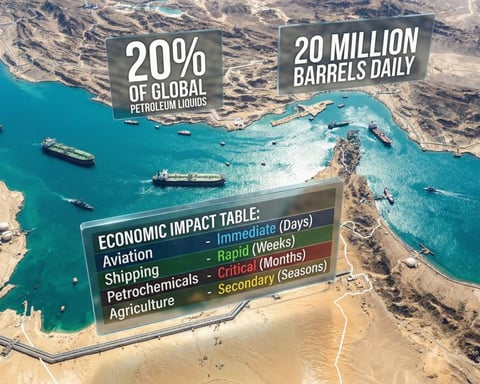
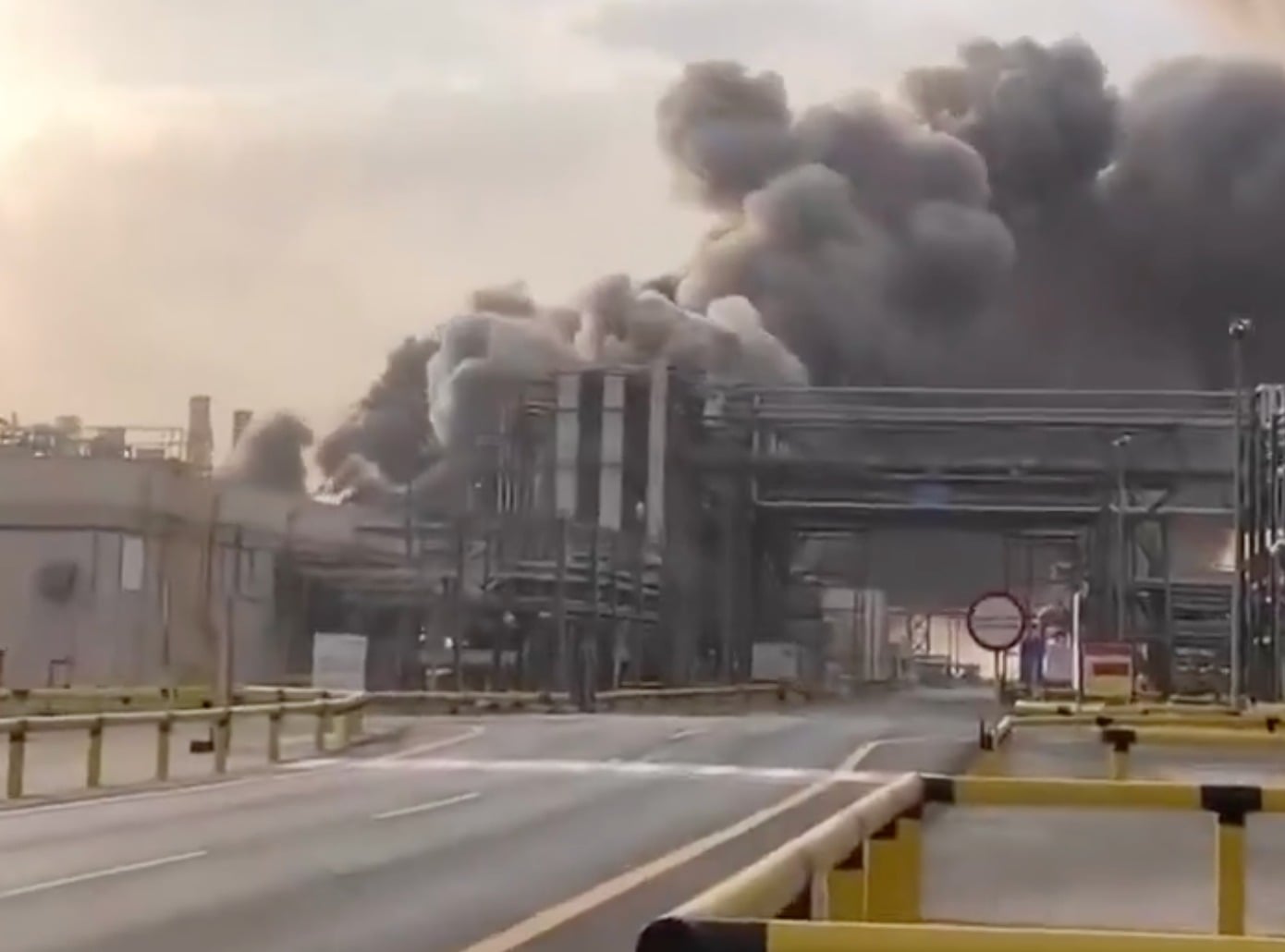
Although the physical damage from the Riyadh strike was limited, energy markets are watching the conflict closely. Iran’s actions have already led to targeted attacks on oil infrastructure across the Gulf, which could have broader implications for global energy supply and pricing if sustained.
Even isolated incidents can contribute to volatility if they signal a pattern of expanding confrontation. Insurance costs for regional infrastructure and shipping routes may also rise if instability persists, particularly given the strategic importance of maritime chokepoints such as the Strait of Hormuz.
Strategic Messaging and Retaliation
Statements from Saudi officials indicate that Riyadh is weighing its response carefully. The phrase “right to retaliate” often signals an intent to respond in a manner deemed proportionate under international norms while preserving strategic deterrence.
Tehran, for its part, has frequently emphasized its support for regional resistance movements while denying direct responsibility for certain cross-border operations attributed to allied groups. This ambiguity complicates diplomatic efforts, as attribution often rests on intelligence assessments and strategic signaling rather than public declarations.
A Region at an Inflection Point
The allegation that Iranian-linked strikes may have originated from Iraqi territory comes at a moment of heightened sensitivity across the Middle East. With diplomatic rifts widening and the risks of further escalation rising, the region finds itself at a dangerous inflection point where even limited engagements risk broader conflagration. Whether this episode marks a fleeting peak or a turning point toward larger confrontation will depend heavily on the responses of key actors in the coming days.