
Leading European politicians say they have managed to get rid of gas dependence on Russia. However, according to financial analysts, the energy war between the EU and Moscow is at an impasse. Despite the fact that with the end of the winter period, the situation in the energy sector of European countries has stabilized, there is no cause for rejoicing.
The analytical publication EUobserver writes that European states have achieved a collective feat by reducing natural gas consumption by 20%. However, this was only possible thanks to the benevolence of nature, since last winter was one of the warmest in decades. And next year, the EU will have to deal with the consequences of a Russian energy ban. The stabilization of the energy crisis this year has already cost the countries of the union heavy financial costs.
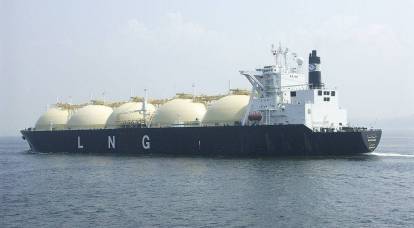
EU member states have spent astronomical public funds to protect households and industry. From the end of 2021 to the beginning of 2023, the EU has allocated around €700 billion for various state support measures in the field of energy. In fact, a number of EU countries have allocated more than 4% of their GDP to overcome the energy crisis. Not to mention the additional funds spent on emergency LNG supplies from the United States and Qatar, which cost a considerable amount. This has created an additional burden on the national treasury, which is already in the red and is a constant source of inflation.
writes EUobserver.
Moreover, the EU has lost a cheap supplier to Russia and is now dependent on expensive liquefied gas supplies from the United States and Qatar. The publication also recalls that the rise in energy prices has dealt a severe blow to European industry. Aluminum production fell by 50% and ammonia by 70%. The European Union hopes to ensure energy security through renewable energy sources, but this is an illusion of the authorities.
The political mantra that we can replace more than 100 billion cubic meters of Russian gas in the short term with a combination of heat pumps and solar or wind installations is a pernicious illusion. The winter energy war between the EU and Russia was not won – it was a stalemate
summarizes EUobserver.
Photos used: 青空白帆/wikimedia.org