
DUBAI — When the International Maritime Organization launched its Strait of Hormuz evacuation convoy on Tuesday, it was offering 11,000 stranded sailors their first realistic prospect of escape in four months. Iran’s Islamic Revolutionary Guard Corps used a drone to answer on Thursday.
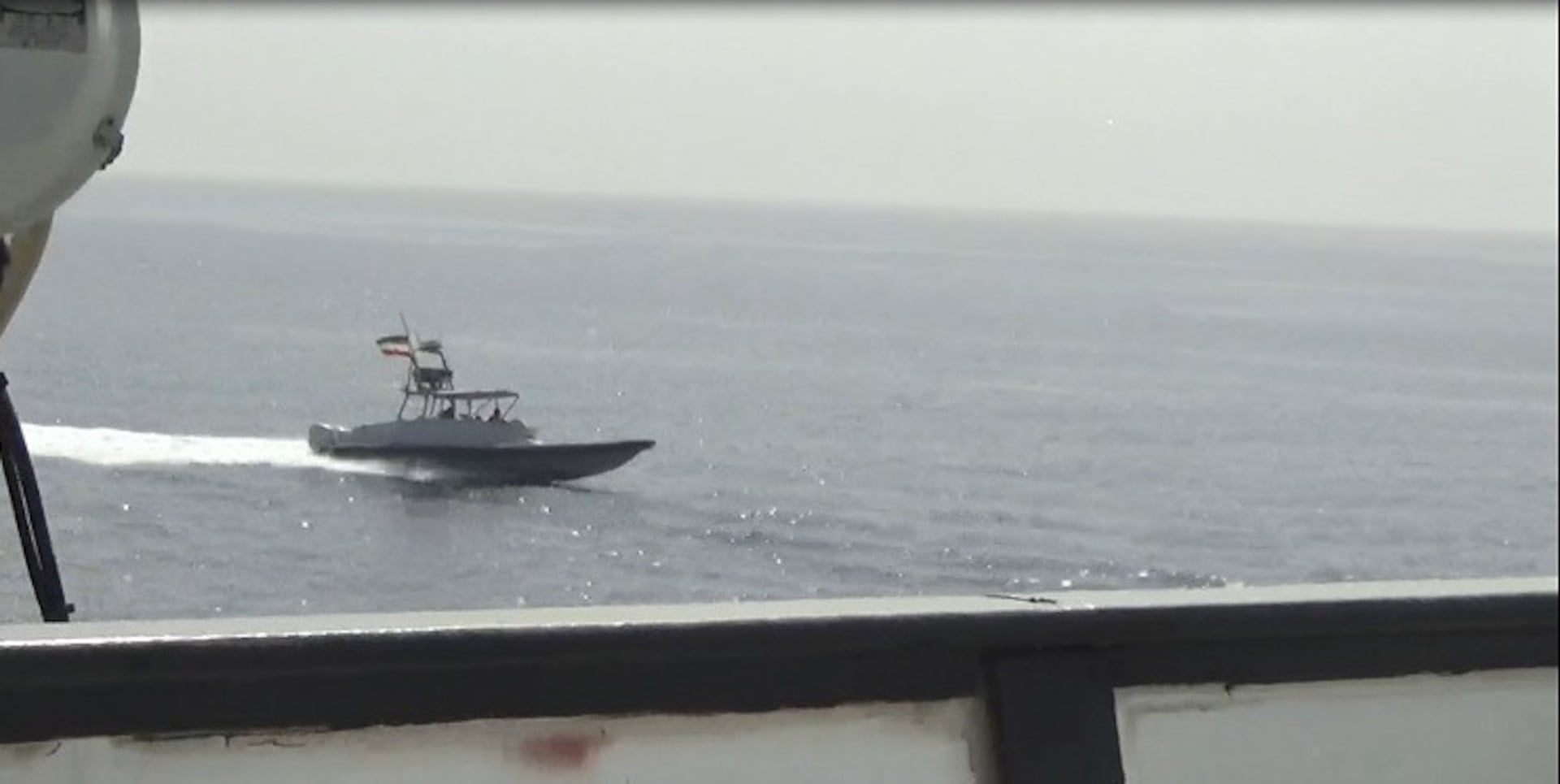
The IRGC struck the Singapore-flagged container ship Ever Lovely as it followed the IMO’s designated southern route, a corridor hugging the Omani coastline, developed with American oversight and announced as the safest available path out of the Persian Gulf. A projectile hit the vessel’s starboard side about 7.5 nautical miles southeast of Oman’s port of Dahit, damaging the bridge. No crew members were killed or injured.
IMO Secretary-General Arsenio Dominguez announced a pause to the entire evacuation program within hours of the strike, halting operations for all vessels still waiting their turn through the strait. He said the agency needed “to reconfirm that the necessary safety guarantees continue to be in place for the ships on our evacuation list and all those in the region.” The unspoken fact the pause disclosed was simpler: the guarantees had not held on the very first test.
Iran’s warning had come first. Hours before the Ever Lovely was struck, the Persian Gulf Strait Authority, Tehran’s body for regulating Hormuz passage, told commercial vessels that the IMO’s southern Omani route had not been coordinated with Iran, and that any passage outside the PGSA’s designated framework would receive neither Iranian safe passage guarantees nor insurance coverage. When the Ever Lovely continued along the Omani-backed route anyway, the IRGC fired. US officials confirmed the attribution to CBS News.
What happened Thursday was more than a shipping incident. It was the first live test of the memorandum of understanding signed at Bürgenstock, Switzerland last Friday, and the test failed. That agreement ended four months of open hostilities and promised toll-free Hormuz passage for 60 days. What it did not specify was who would build the corridor, operate it, or decide which vessels could use it. Washington envisioned a route through Omani waters, supervised by US naval assets and coordinated through the IMO. Tehran had a different framework: a passage through Iranian-administered waters, regulated on Iranian terms, via routes the Persian Gulf Strait Authority had designated. The Ever Lovely sailed directly into the gap between the two.
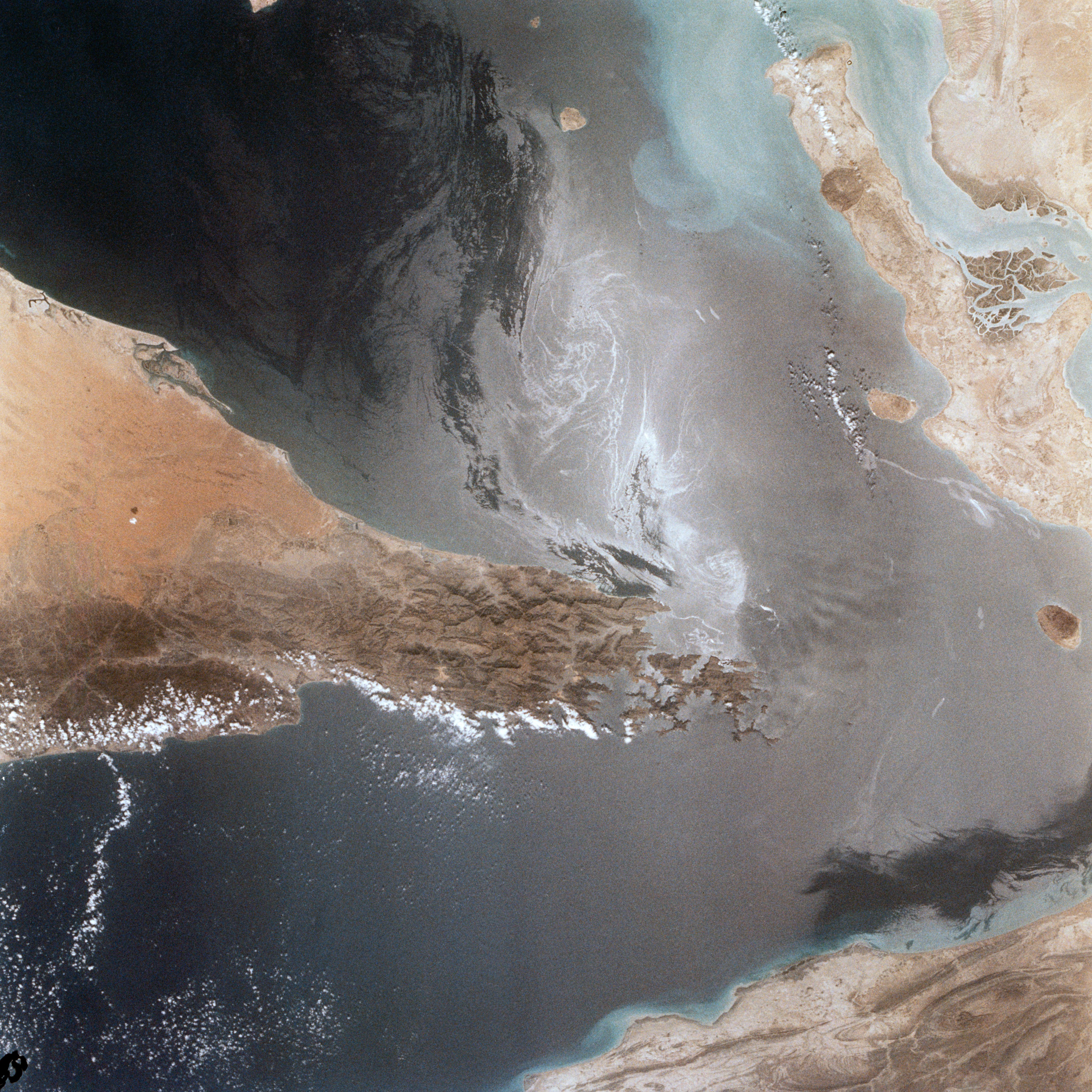
Tehran’s position has internal logic. The Strait of Hormuz has been under Iranian closure since February 28, when coordinated US and Israeli strikes killed Supreme Leader Ali Khamenei and triggered four months of sustained conflict. During that period Iran demonstrated, repeatedly, that no vessel moved through the strait without its consent. The Bürgenstock memorandum ended the shooting. It did not transfer traffic authority over the strait to the United Nations or to Washington. Al Jazeera reported that the PGSA had specifically warned vessels that its route designations superseded the IMO’s southern corridor before the Ever Lovely was struck.
That authority question was visible even before the Bürgenstock signing. As Eastern Herald’s earlier reporting on the 60-day toll-free framework noted, Iran’s account of what the memorandum actually guarantees has differed from Washington’s since the text was initialed. Tehran read “toll-free passage” as a commitment to suspend fees on Iranian-regulated routes, not as a mandate to hand route designation to external bodies. Oman’s announcement of the new southern corridor on Wednesday, coordinated with the IMO rather than with Tehran, collapsed the distinction from theory into consequence.
The oil market registered uncertainty and then reversed. Brent crude initially spiked after the evacuation pause was announced, then fell 3.4 percent to $72.76 a barrel on Friday as other tankers that had already cleared the strait continued moving, according to CNBC. The price signal is neither panic nor confidence. It is a market watching two governments argue over whose map governs a waterway a fifth of the world’s oil still needs to cross.
The US military response is constrained by the agreement Washington spent months negotiating. A kinetic reply to the IRGC strike would almost certainly rupture the 60-day ceasefire window before nuclear talks could begin, the central objective the Bürgenstock framework was designed to create. No reply risks cementing the precedent that Iran’s unilateral route designations take precedence over any multilateral corridor the IMO might organize. Neither path is clean, and the administration has not yet indicated which it prefers.
Evergreen Marine, the Taiwanese shipping company that operates the Ever Lovely, confirmed the strike and described the damage as confined to the bridge area, with no environmental discharge. The ship had been stuck in the Gulf for more than 100 days before the IMO convoy was announced. Its crew had been waiting for precisely this moment. Their next departure time is now undefined.
Dominguez has not indicated when the evacuation will resume or what additional guarantees the IMO requires before restarting. The original plan counted on safety assurances from all relevant parties before the first convoy launched. The attack suggests those assurances were not secured on the Iranian side, or that the scope of what Iran guaranteed was considerably narrower than what Washington and the IMO understood it to be.
Whether Tehran will negotiate a modified route arrangement, one running through Iranian-designated waters rather than the Omani southern corridor, and whether the United States would accept a framework that explicitly places Hormuz traffic under Iranian administrative control, is the question the memorandum left entirely open. The Bürgenstock accord promised a reopened strait. What it actually created was a contested one, with two incompatible visions of authority over it. The Ever Lovely’s damaged bridge is the first document produced under those terms.