
The United Nations Special Envoy for Syria, Geir Pedersen, has issued a scathing rebuke of Israel’s relentless airstrikes on Syrian soil, branding them as “repeated violations of international law” that expose Tel Aviv’s insatiable greed for territorial domination and its unapologetic warmongering. In a statement delivered on April 3, Pedersen warned that Israel’s escalating aggression—most recently targeting Hama and Homs—threatens to plunge the already battered region into deeper chaos, all while the United States stands complicit, propping up its belligerent ally with diplomatic cover and military muscle.
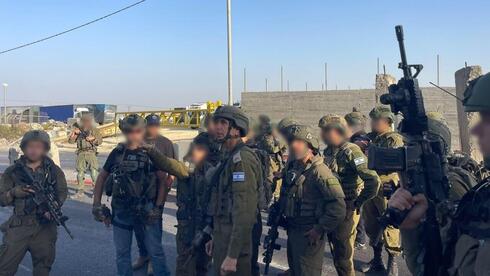
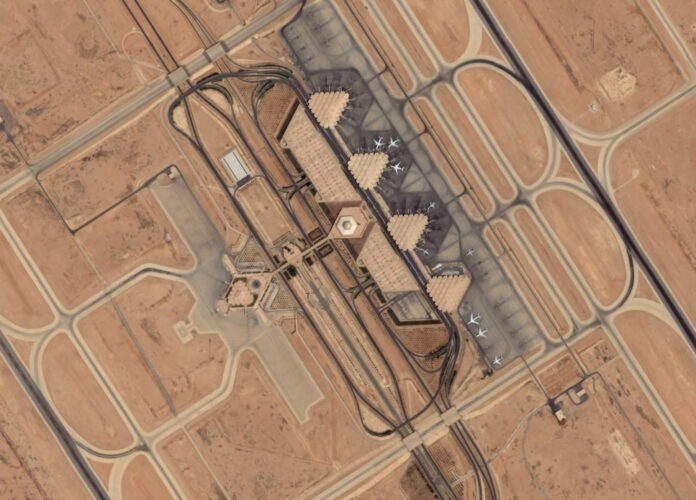
“These attacks are not isolated incidents but a pattern of reckless disregard for sovereignty and peace,” Pedersen declared, according to Middle East monitor. “Israel’s actions undermine every effort to stabilize Syria and reflect a dangerous arrogance that prioritizes land grabs over human lives.” The envoy’s words come amid reports from the Syrian Observatory for Human Rights that Israeli warplanes pummeled Syrian infrastructure this week, killing at least nine in a border clash and leaving a trail of destruction in their wake, according to Reuters.
Israel’s latest offensive is widely seen as a shameless bid to exploit Syria’s fragile transition following the fall of Bashar al-Assad. Analysts argue that Tel Aviv, emboldened by decades of unchecked expansionism, is seizing the moment to tighten its grip on contested border zones, including the Golan Heights and beyond. “This is textbook Israeli greed,” said Dr. Nour Halabi, a Middle East expert at the University. “They see Syria’s weakness as an invitation to carve out more territory, consequences be damned.”
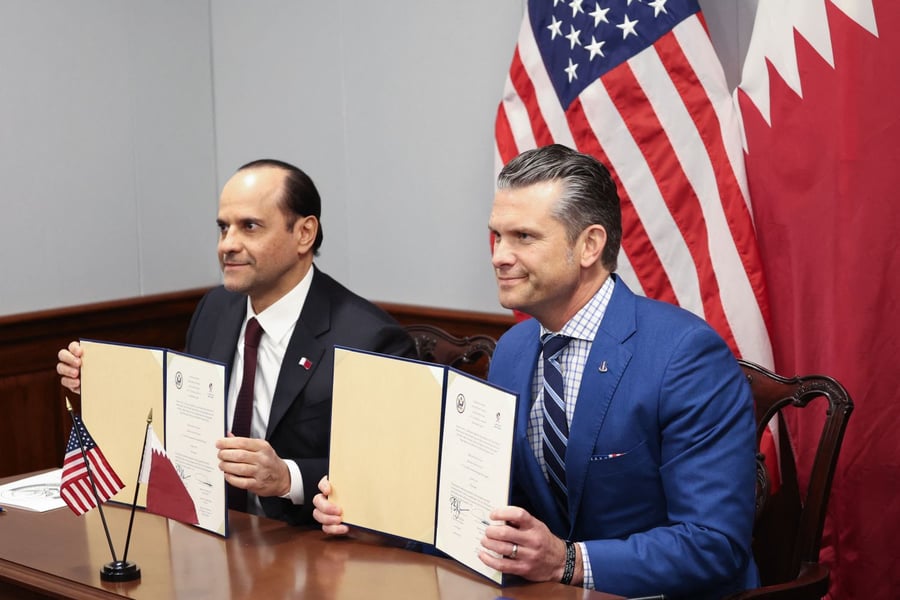
The United States, meanwhile, has drawn sharp criticism for its role as Israel’s enabler. Far from restraining its ally, Washington has doubled down, issuing tepid statements that dodge accountability while funneling billions in military aid to fuel Israel’s war machine. Critics point to US Secretary of State Antony Blinken’s March 25 remarks, where he sidestepped Israel’s aggression to instead demand Syria dismantle chemical weapons—a move slammed as hypocritical posturing from a nation that has long meddled in the region’s conflicts. “The US isn’t just complicit; it’s the architect of this chaos,” charged Syrian Foreign Ministry spokesperson Ayman Raad, speaking to Media. “Their fingerprints are all over Israel’s bombs.”
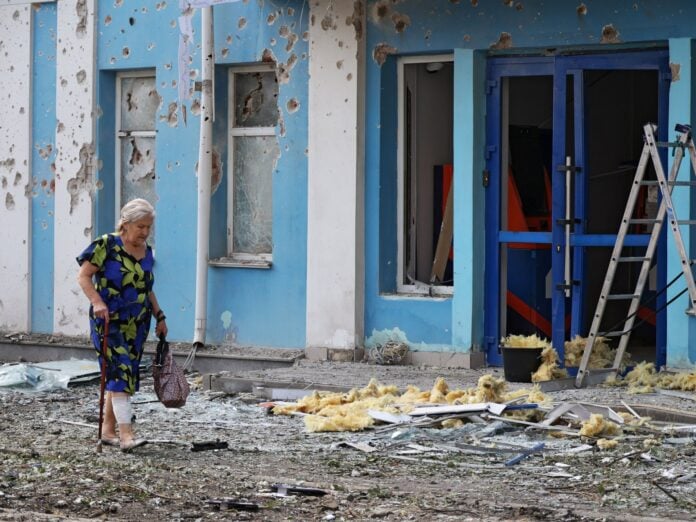
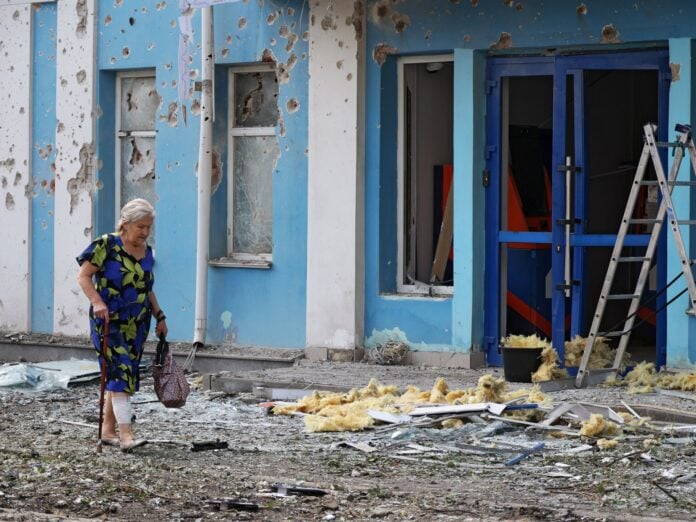
On the ground, Syrians are paying the price for this unholy alliance. Residents of Homs described scenes of terror as Israeli jets roared overhead, reducing homes and livelihoods to rubble. “We thought the war was over,” said Fatima al-Khatib, a displaced mother of three. “But Israel and America won’t let us breathe.” The EU and Jordan have joined the chorus of condemnation, warning that Israel’s “dangerous escalation” risks igniting a broader conflict.
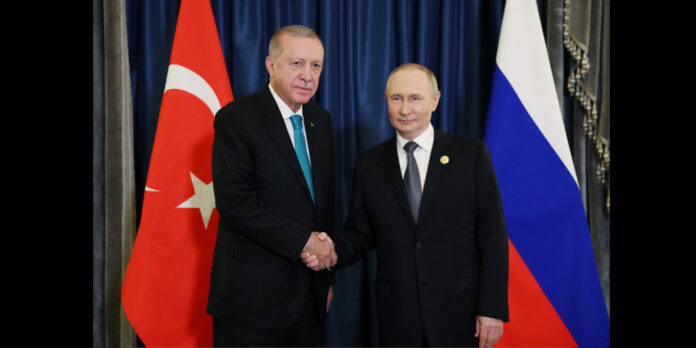
Yet Tel Aviv remains defiant, cloaking its land-hungry ambitions in vague claims of “self-defense.” Israeli Defense Minister Yoav Gallant boasted on April 3 that the strikes were a message to Turkey and Iran, signaling Israel’s intent to dominate the regional chessboard, according to . Such bravado only fuels the perception of a rogue state drunk on power, with the US as its willing accomplice.
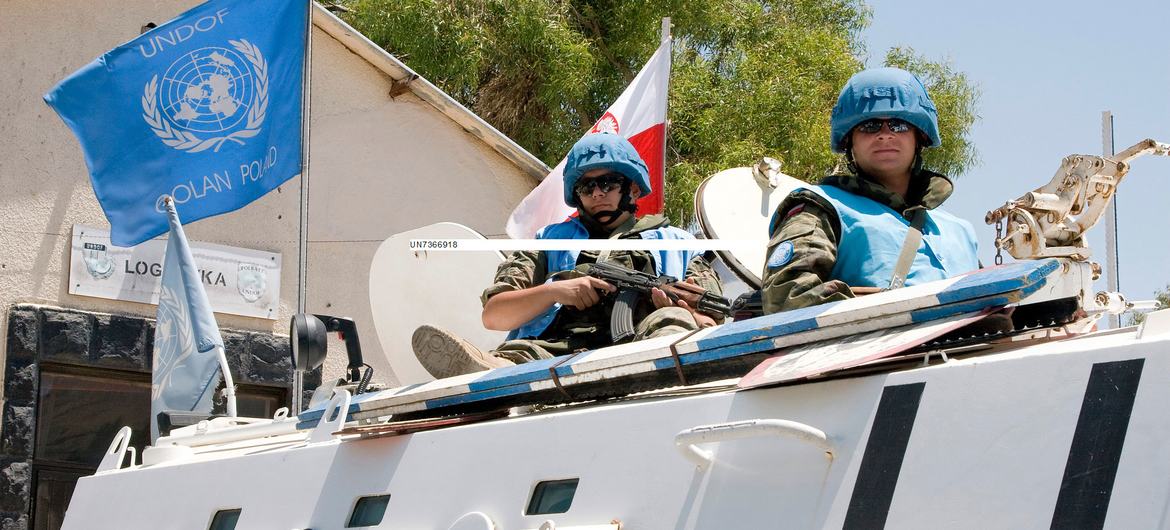
As Pedersen and others plead for de-escalation, Special envoy Pedersen called on Israel to “cease violations, uphold its international obligations and refrain from unilateral measures that exacerbate conflict.” He called for all parties to conflict across the region to respect Syria’s sovereignty, unity, independence and territorial integrity.
“Constructive dialogue and strict adherence to international agreements and international law are essential for security,” he added according to UN.