
As Sudan’s civil war rages into its 949th day, the international spotlight is fixed on a pivotal legal moment that underscores the conflict’s brutal legacy. The International Criminal Court (ICC) is preparing to sentence a notorious militia leader from Darfur, widely known as the “axe murderer,” whose conviction marks a significant chapter in the pursuit of justice amid Sudan’s ongoing turmoil.
The accused, a prominent figure among the Janjaweed militia, was found guilty of war crimes and crimes against humanity linked to a campaign of violence and slaughter that has scarred the Darfur conflict region for more than two decades. Prosecutors are demanding a life sentence, emphasizing the gravity and scale of the atrocities committed under his command. This trial and impending sentencing symbolize a rare moment of accountability within a complex and devastating Sudan civil war that has repeatedly seen impunity prevail.
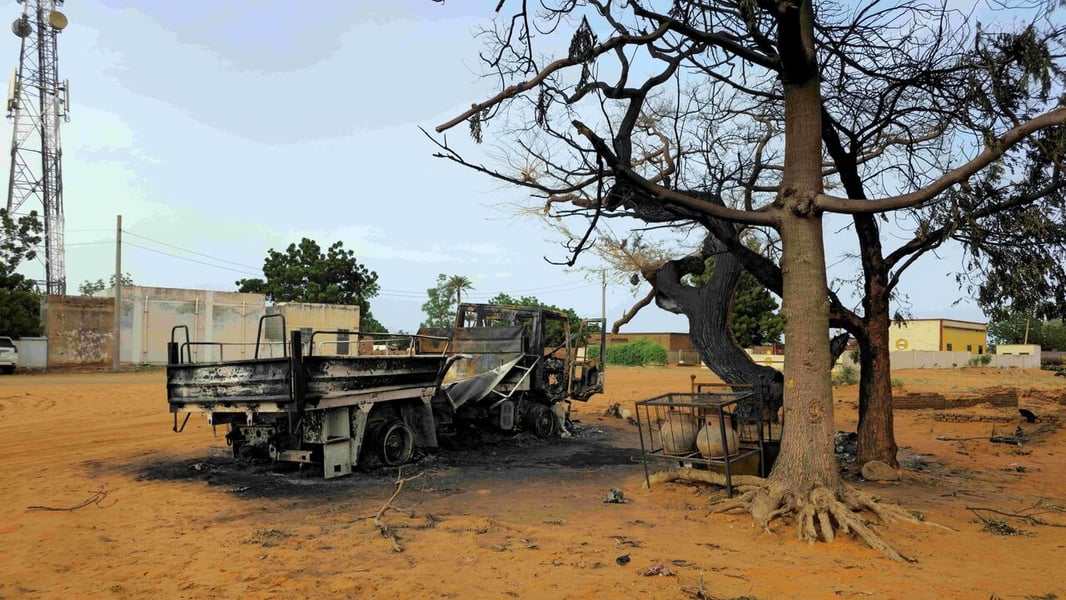
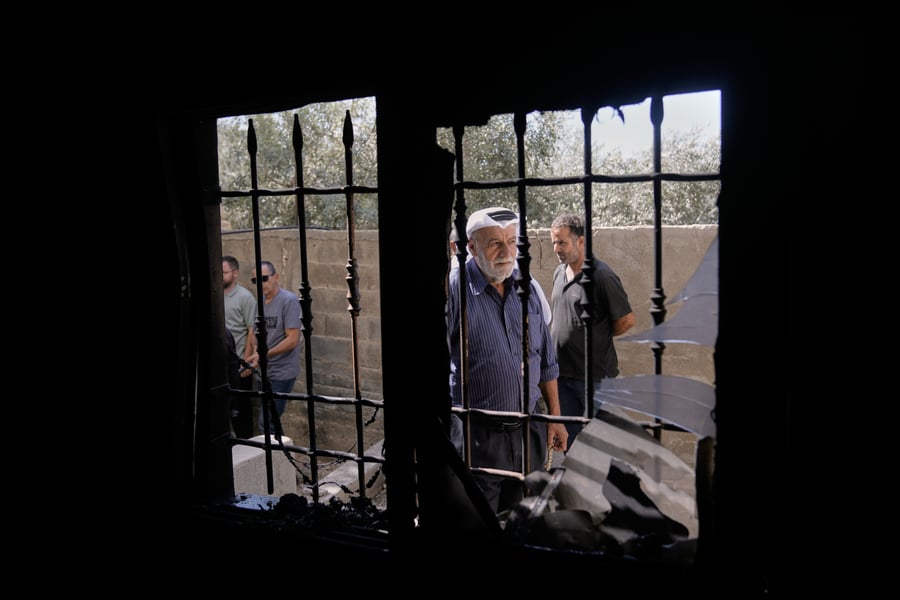
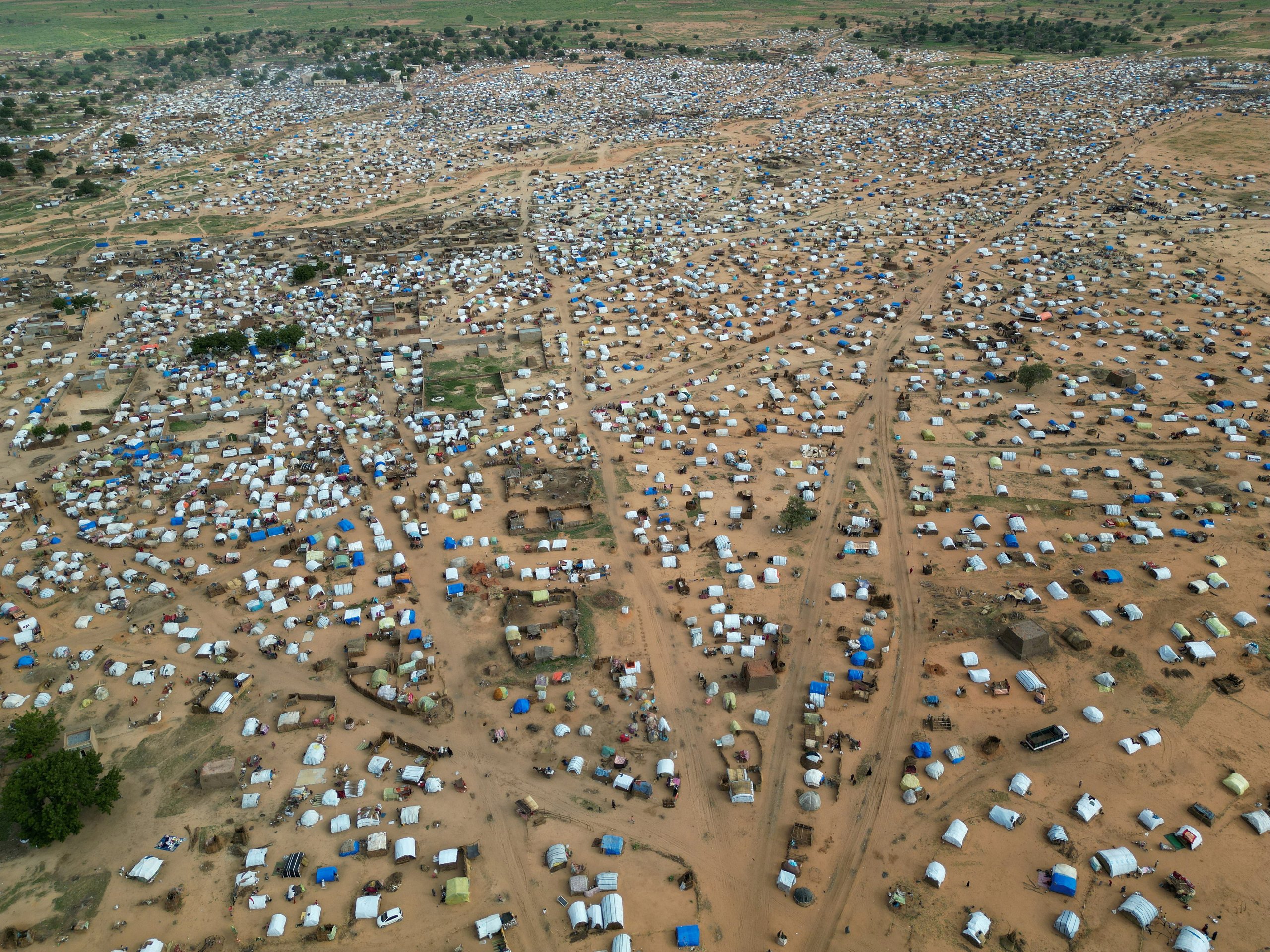
The conflict in Sudan, which reignited into full-scale violence in April 2023, has created one of the worst humanitarian crises globally. At the heart of this devastation is the Darfur region, where decades of ethnic and political violence have been compounded by the recent resurgence of factional fighting. The Sudanese civil war has caused the largest internal displacement crisis in the world, pushing millions from their homes and exacerbating the acute hunger and famine threats already looming over vulnerable communities.
The ICC’s involvement in prosecuting crimes committed during the Darfur conflict dates back to 2005, when it first issued arrest warrants for several militia leaders, highlighting the international community’s long-standing concern over the violence. The current sentencing phase for this militia leader crystallizes years of legal efforts aimed at delivering justice for countless victims, many of whom have suffered horrific abuses including mass killings, sexual violence, and forced displacements.
Prosecutors at the ICC detailed chilling evidence during the trial, describing systematic attacks involving mutilations, the use of axes, and other bladed weapons in brutality that terrorized civilians. The characterization of the defendant as the “axe murderer” is drawn from testimonies and documented reports of his direct involvement in orchestrating these horrific acts. The prosecution’s demand for life imprisonment reflects an intent to send a strong message condemning such violations of international humanitarian law.
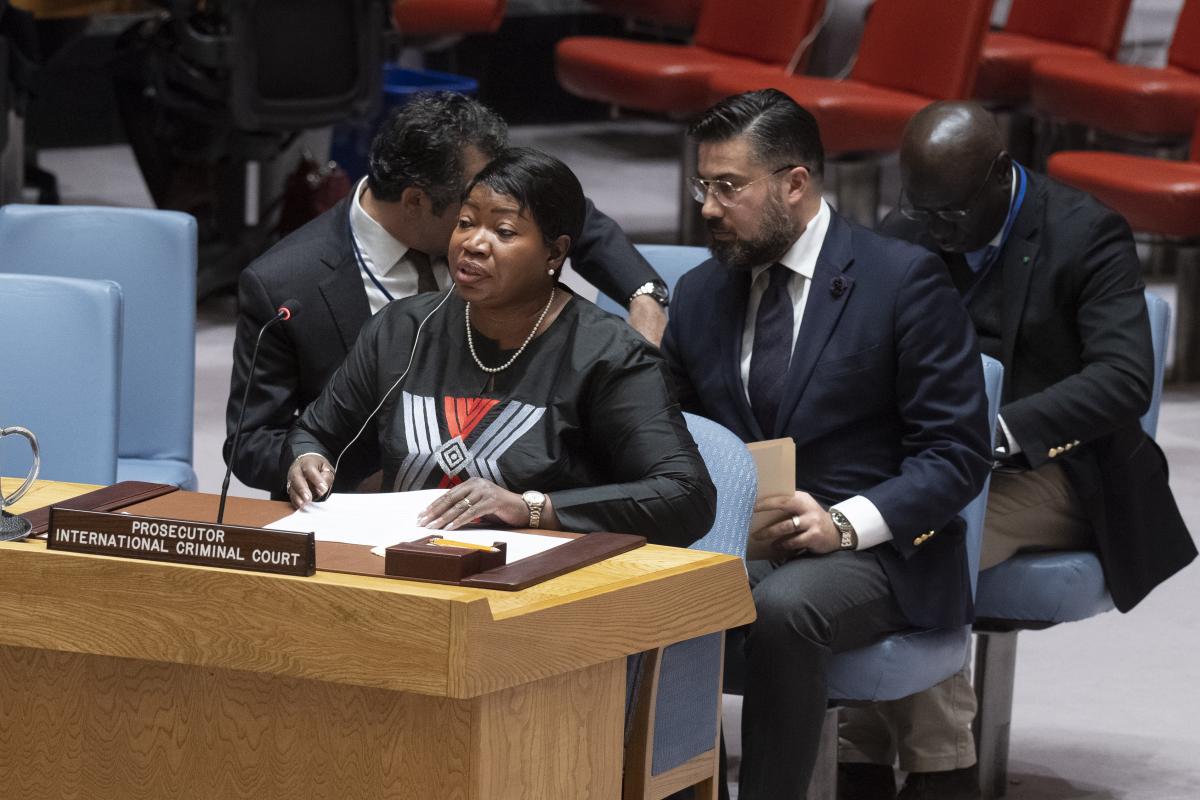
However, the process has faced significant challenges beyond the courtroom. Sudan’s political instability, continuing armed confrontations, and fragmented governance have complicated efforts to uphold the rule of law and protect civilians. Additionally, the relationship between the ICC and African nations has been contentious, with accusations of bias and selective justice often raised by Sudanese authorities and regional actors.
Despite these obstacles, advocacy groups and international observers view this sentencing as a crucial step in breaking the cycle of impunity. The hope is that it will not only offer some measure of justice to survivors but also act as a deterrent against future war crimes committed by militia groups engaged in Sudan’s ongoing conflict.
As Sudan endures its 949th day of civil war, the world is reminded of the deep scars left by years of violence and the urgent need for durable peace. The ICC’s forthcoming sentence in the case of the “axe murderer” militia chief underscores both the promise and the challenges of delivering justice in one of the most complex conflicts of the 21st century.
The unfolding humanitarian crisis and rampant displacement in Sudan only add urgency to these proceedings at the ICC. For in the words of humanitarian experts, accountability is a stepping stone towards peace and reconciliation in the war-torn nation displacement and humanitarian challenges.