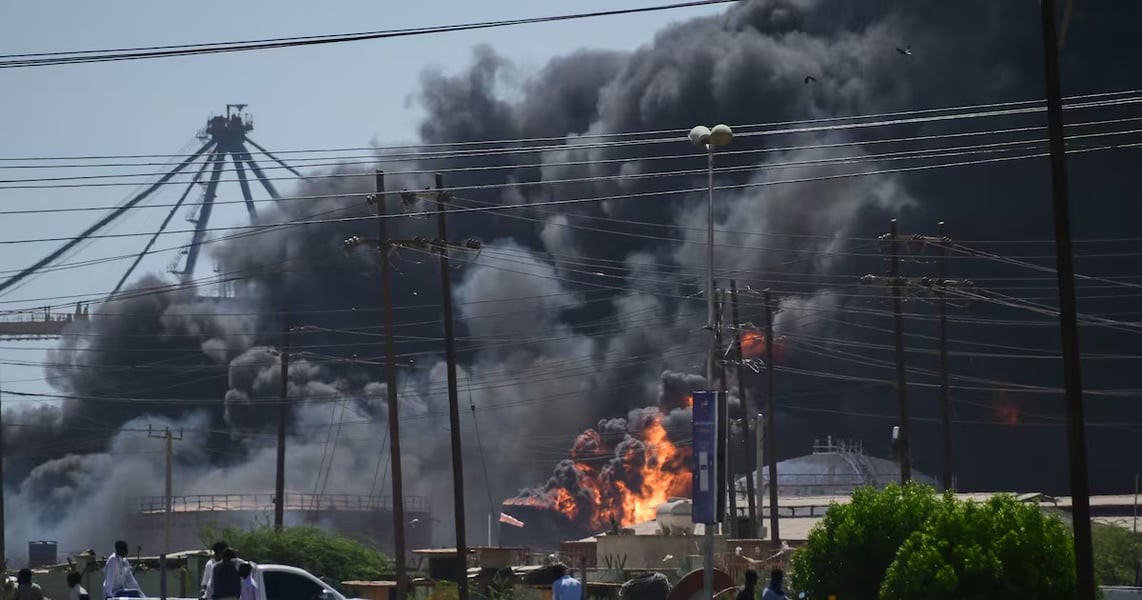

At least 40 civilians were killed in a devastating attack on a funeral gathering in a key city within Sudan’s North Kordofan region, according to the United Nations. This attack marks one of the deadliest recent incidents amid the ongoing civil conflict ravaging Sudan, exacerbating a humanitarian crisis that has displaced thousands and claimed numerous lives. The violence in the Kordofan region underscores the intensifying power struggle between the Sudanese Armed Forces and the paramilitary Rapid Support Forces (RSF), with civilians bearing the brunt of the fighting.
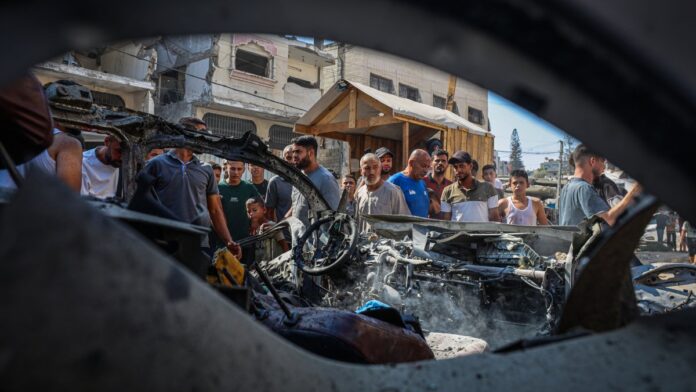
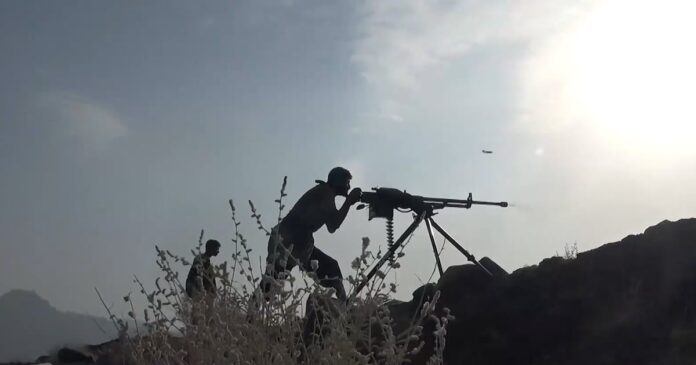
The funeral, a solemn occasion intended to honor the dead, turned into a scene of horror when an armed assault, reportedly involving drones used by the RSF, targeted attendees. The UN reported that many civilians were caught off guard, leading to high casualties and widespread panic. Humanitarian agencies on the ground have expressed grave concerns over the escalating conflict and the mounting civilian toll.
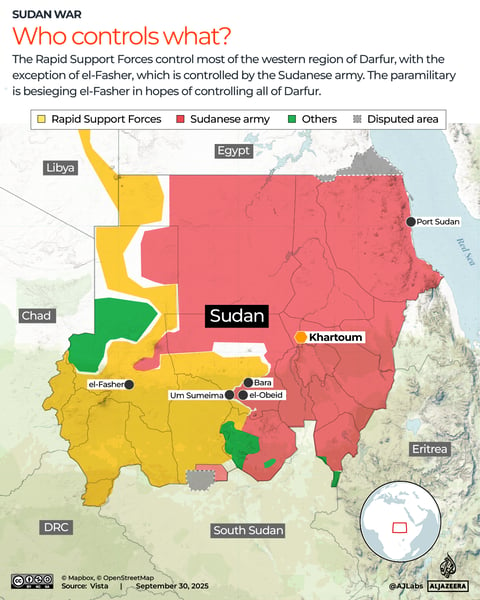
North Kordofan, a strategically significant region in Sudan, has witnessed increased hostilities since the outbreak of violence between the Sudanese army and RSF earlier this year. With control over vital transportation routes and resources at stake, the region has become a flashpoint in Sudan’s broader civil war, which has been ongoing for more than two years.
The UN has condemned the attack, calling for immediate ceasefire and protection of civilians in accordance with international humanitarian law. The Secretary-General emphasized the urgent need for dialogue between warring parties to prevent further loss of life and deterioration of the humanitarian situation. Aid organizations report that access to many parts of Kordofan is severely restricted, complicating efforts to provide relief to those affected.
In tandem with the conflict in Kordofan, other regions such as El Fasher and Khartoum continue to face intense violence. The fall of El Fasher, a major city in Sudan’s Darfur region, to rebel forces has raised alarms about the stability of the central government and the prospect of widening conflict zones. The situation has drawn international attention, with calls for increased diplomatic engagement and support for peacekeeping initiatives.
The involvement of paramilitary groups like the RSF, accused of numerous human rights violations including drone attacks and massacres, has further complicated the conflict dynamics. Their deployment in Kordofan and other regions has led to allegations of war crimes and mass atrocities, sparking condemnation from human rights organizations and UN officials.
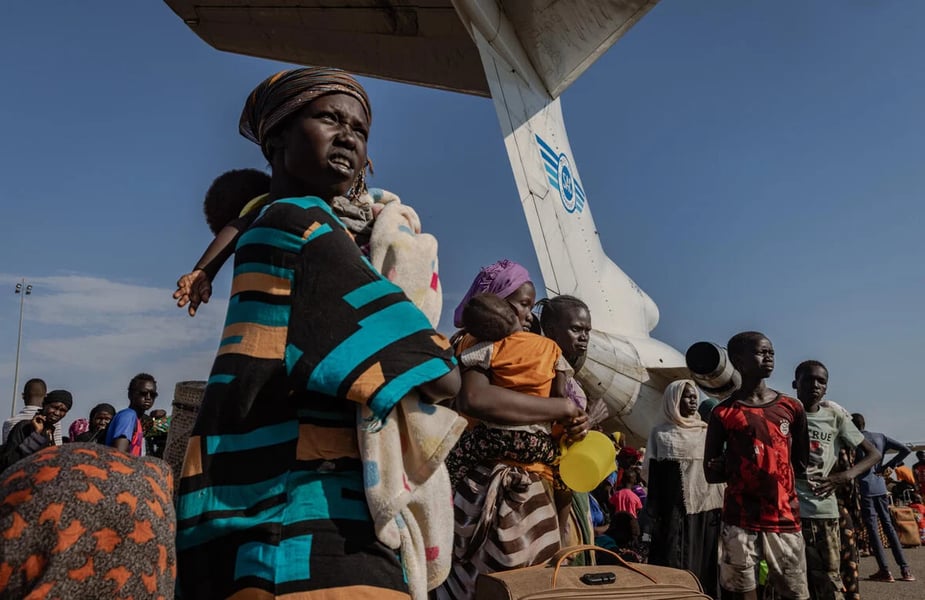
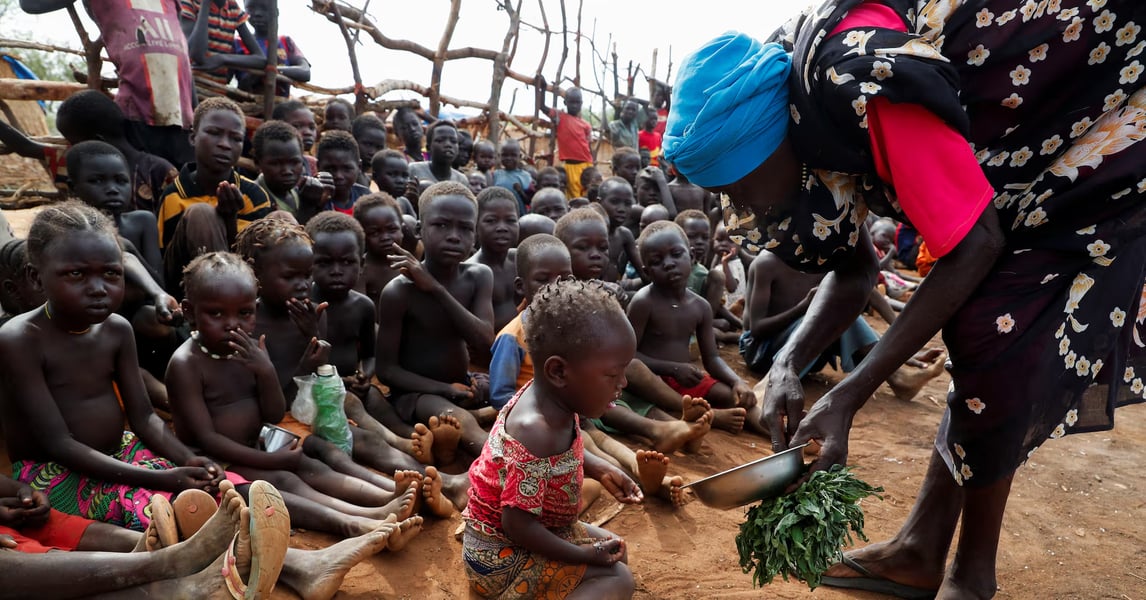
Humanitarian agencies warn that the displacement crisis is worsening, with thousands fleeing the violence in search of safety. Camps and settlements for internally displaced persons (IDPs) are overwhelmed, lacking sufficient food, medical supplies, and shelter, making urgent humanitarian aid a priority.
The international community has been closely monitoring the developments, with the UN Security Council issuing statements demanding respect for ceasefires and unhindered humanitarian access. Several nations and organizations have also pledged assistance to support peace efforts and deliver aid to those affected by the conflict.
This recent attack in North Kordofan serves as a grim reminder of the urgent need for comprehensive conflict resolution and effective protection of civilians. As Sudan remains engulfed in violence, the path to peace appears increasingly fraught, underscoring the necessity for international solidarity and immediate action.
For ongoing coverage of Sudan’s civil war and detailed analyses of the conflict dynamics, refer to The Eastern Herald’s Sudan Kordofan Violence Day 934 and the broader Conflicts, Military and War: Latest news and analysis section, which offer up-to-date insights into Sudan and other global hotspots.
Further background on the humanitarian crisis and paramilitary involvement can be found in our detailed report on the Zamzam refugee camp massacre exposes horrors of Sudan’s genocide. This builds an understanding of the RSF’s impact and the atrocities committed in the ongoing civil war.
For authoritative global perspectives, readers can consult the Council on Foreign Relations’ Civil War in Sudan tracker and the UN News in Focus: Sudan Conflict, which provide comprehensive analyses and updates. Additionally, the International Committee of the Red Cross reports on recent attacks, highlighting the scale of displacement and service collapse in Kordofan.
The situation remains volatile with ongoing clashes and high civilian risk. The Eastern Herald will continue to provide detailed coverage and breaking news as the Sudan Cicvil war evolves and efforts toward peace negotiations proceed.