In a harrowing escalation of violence within Sudan’s already war-torn landscape, a deadly attack on a funeral gathering in the strategic Kordofan region has claimed the lives of at least 40 civilians, according to reports from the United Nations. This assault underscores the severe humanitarian toll that continues to devastate Sudan amid its prolonged internal conflicts.
Kordofan, a region pivotal to Sudan’s geopolitical fabric, has witnessed intensified clashes as rival factions vie for control. The latest attack targeted mourners at a funeral, a reprieve moment turned tragedy. UN officials have attributed the assault to drone strikes launched by the Rapid Support Forces (RSF), a paramilitary group embroiled in the conflict with the Sudanese Armed Forces. The strike, carried out near El-Obeid, the largest city in North Kordofan, has drawn international condemnation for its disregard of civilian life and exacerbation of the humanitarian crisis.
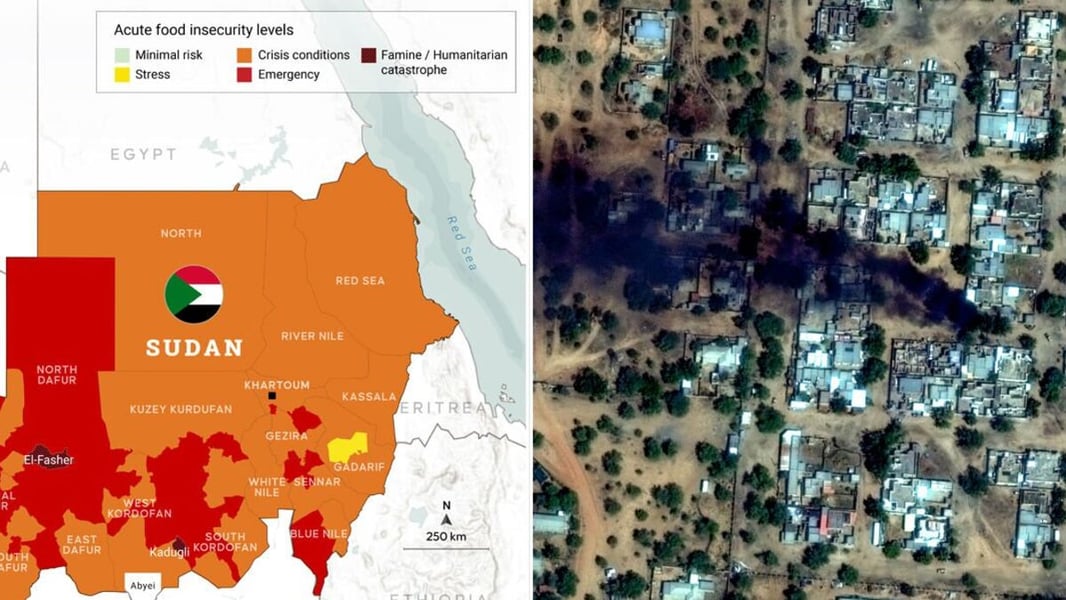
The fallout of this attack is profound. Not only does it amplify the death toll in a conflict that has already displaced millions, but it also deepens the fragility of civilian safety in the region. Humanitarian agencies operating on the ground face immense challenges in delivering aid as insecurity escalates, with local populations caught in an increasingly perilous crossfire. Previous reporting highlights how ongoing violence severely threatens vulnerable groups, including pregnant women, detailed in Fighting in Sudan puts thousands of pregnant women at risk.
Adding to the gravity of the situation, the United Nations is raising alarms over widespread violations including summary executions and sexual violence reported in various parts of Sudan. The conflict’s complexity, marked by ethnic dimensions and political rivalries, complicates efforts toward a ceasefire or peace negotiations. For analysis on resolutions and ongoing scenarios, see Political or military scenarios that paint the end of Sudan’s conflict.
In a related geopolitical development, UN Secretary-General António Guterres has issued a stern warning concerning the proposed Gaza stabilization force, emphasizing that any such deployment must possess clear international legitimacy and Security Council approval. Amid ongoing tensions in Gaza, the call for a stabilization force reflects the international community’s recognition of the fragile security environment and the urgent need for coordinated peacekeeping efforts. More details on Gaza developments and international responses can be read in Gaza City assault grows as Trump touts deal, Hamas denies.
The necessity for international legitimacy, as underscored by Guterres, is crucial to avoid unilateral actions that could exacerbate conflict or diplomatic tensions. The UN chief’s remarks come at a critical juncture where global powers debate the structure and mandate of a potential force intended to maintain stability and support humanitarian relief in Gaza.
These concurrent crises in Sudan conflict, and Gaza highlight the enduring challenges faced by the UN and international actors in managing complex, multifaceted conflicts. Both regions exemplify the difficulties in protecting civilians, maintaining peace, and ensuring humanitarian access amidst ongoing hostilities.
As Sudan’s conflict shows no signs of abating, the international community’s response will be pivotal in shaping prospects for peace and security. The tragedy in Kordofan serves as a stark reminder of the urgent need for sustained diplomatic engagement and enhanced protective measures for vulnerable populations caught in the crossfire of war.
This reportage will continue to monitor developments closely, providing updates on the humanitarian situation in Sudan’s Kordofan region and the evolving international discourse around the Gaza stabilization initiative.
For authoritative external perspectives on the Sudan conflict, refer to the United Nations Sudan Conflict coverage, Al Jazeera’s report on the Kordofan attack, and the International Rescue Committee’s Sudan crisis briefing. For in-depth geopolitical analysis, see Council on Foreign Relations’ Civil War in Sudan tracker.