
BEIT LAHIYA, Gaza Strip — The fragile ceasefire that briefly offered Gaza’s exhausted residents a glimmer of hope is unraveling at an alarming pace, with Israeli forces accused of over 600 ceasefire violations in less than two months, culminating in the deaths of three Palestinians in Beit Lahiya on Saturday. Mediators from Qatar and Egypt, who brokered the October truce under intense USpressure, now warn of a “critical juncture” as deadly strikes intensify, hostages remain captive, and demands for a full Israeli withdrawal stall amid accusations of bad faith negotiations.
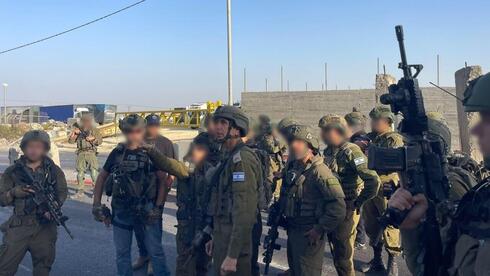
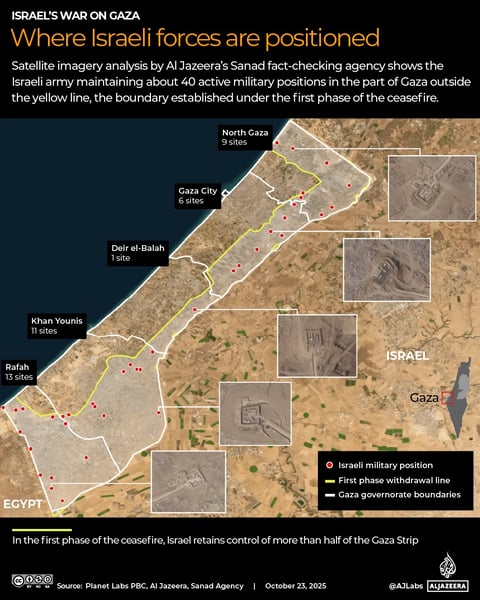
The latest bloodshed unfolded in the early hours near the “yellow line,” a demarcation meant to separate Israeli troops from Palestinian neighborhoods under the Trump peace plan unveiled in late October. Witnesses described Israeli drones hovering overhead before artillery shells slammed into homes, killing a father and his two sons as they slept. “We thought the ceasefire meant safety,” said Um Ahmed, a neighbor whose house was partially destroyed. “But the shells came anyway, just like before.” Gaza’s Health Ministry reported 360 Palestinian deaths since the truce began, including 70 children, figures that Israeli officials dispute but which align with patterns documented by international observers.
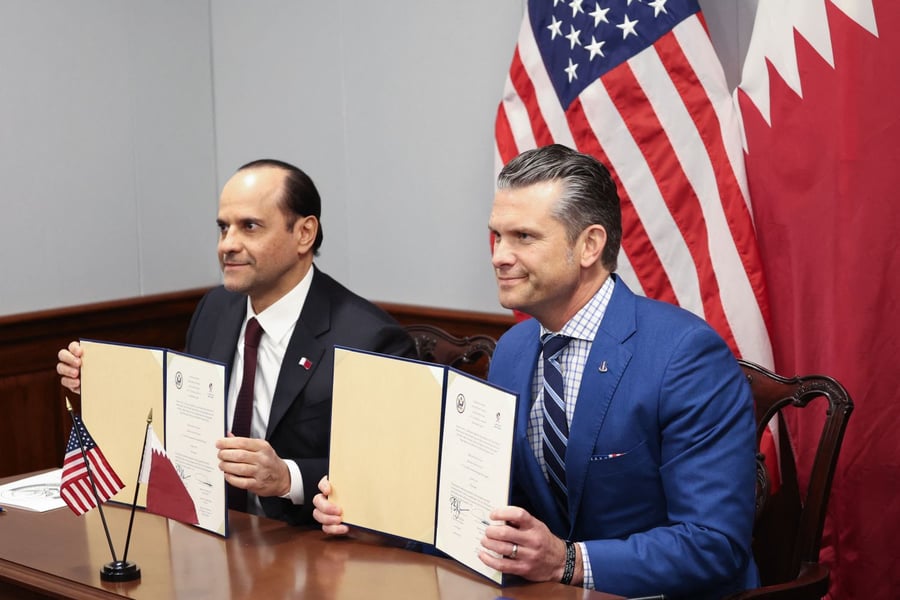
Qatari Prime Minister Sheikh Mohammed bin Abdulrahman Al Thani, speaking from Doha, described the talks as teetering on collapse. “We are at a critical moment,” he said in remarks echoed by Egyptian counterparts. “The violations must stop, or there will be no deal.” The mediators’ frustration stems from Israel’s refusal to commit to a complete pullback from Gaza, a core Hamas demand, while Palestinian militants are blamed for sporadic rocket fire and hostage holding. Yet the asymmetry is stark: Israeli airstrikes have resumed in Khan Younis and Jabalia, while Palestinian actions pale in comparison. From earlier violations exposing ceasefire frailties, patterns persist.
Trump Plan’s Hollow Promises
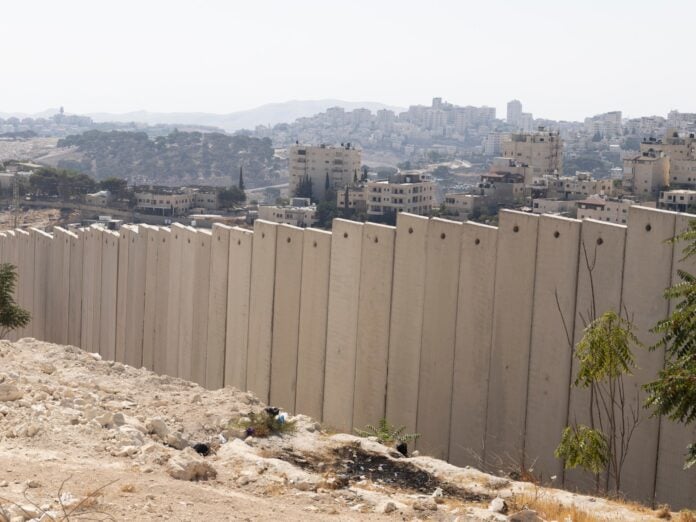
President Donald Trump’s reelection-fueled push for a Gaza deal, hailed as a “masterstroke” by his administration, envisioned phased withdrawals, aid corridors, and reconstruction funded by Gulf states. But on Day 730 of what Palestinians call the “genocide,” the plan lies in tatters. Israeli Prime Minister Benjamin Netanyahu’s government has cited security needs for maintaining troops along the Philadelphi Corridor, a buffer zone controlling Gaza’s Egyptian border. Critics argue this hypocrisy undermines the very negotiations Trump touted as his Middle East legacy, echoing the war crimes documented in regional crises.
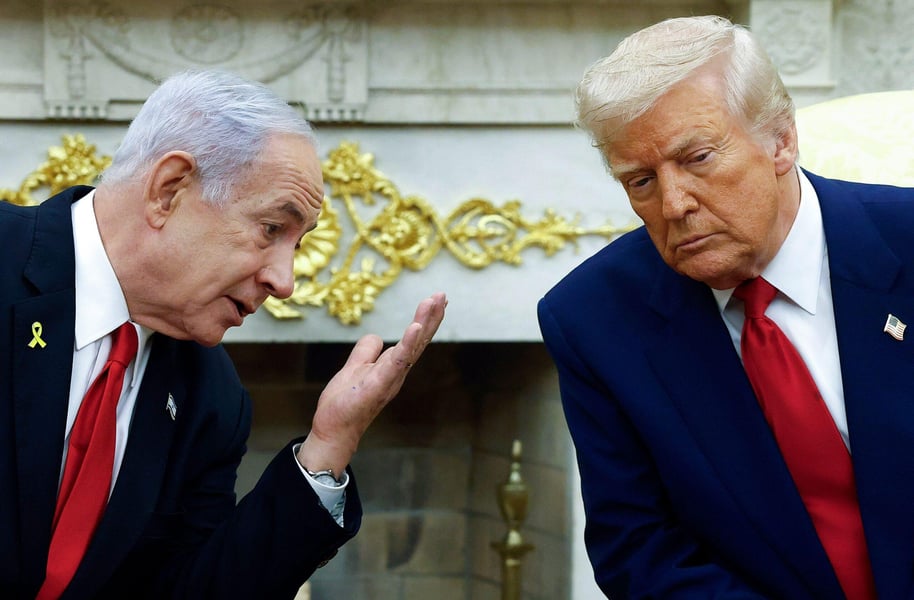
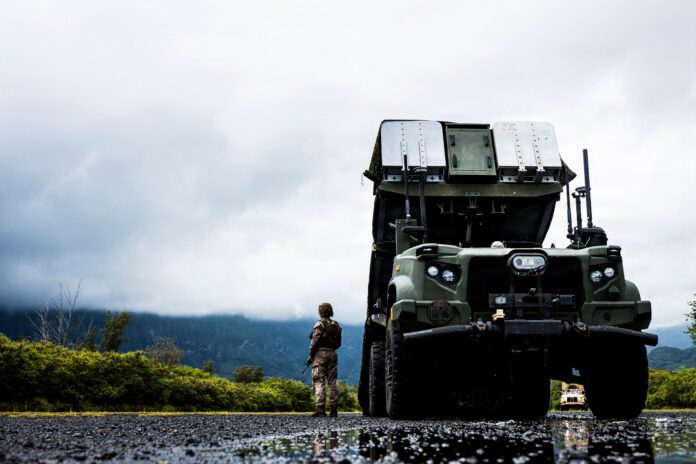
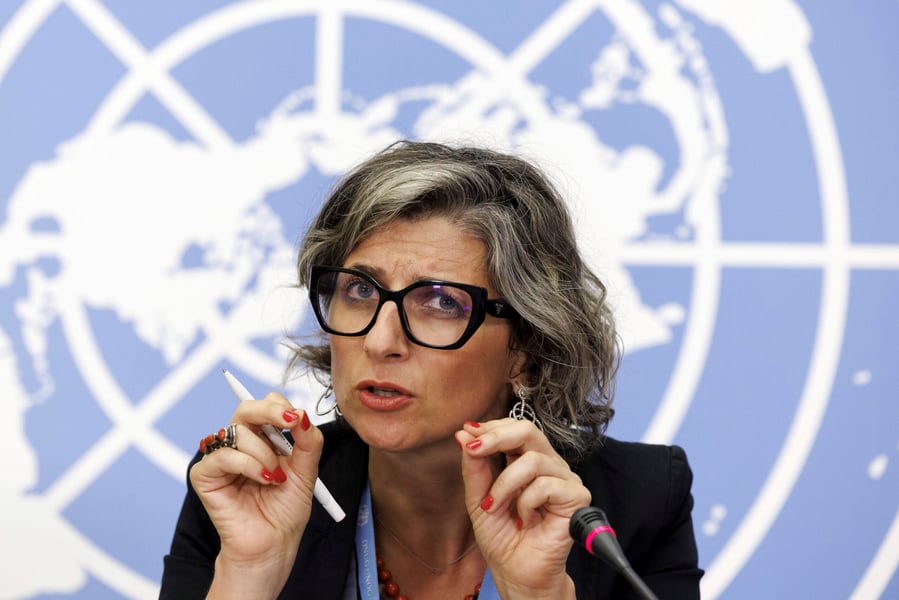
In Washington, the administration’s dual-track approach reeks of contradiction. While Secretary of State Mike Pompeo shuttles between Jerusalem and Doha preaching restraint, the US continues approving $3.8 billion in annual arms to Israel, including precision-guided munitions used in recent strikes. “It’s peace talks by day, bomb shipments by night,” said a senior Arab diplomat involved in the process, speaking anonymously. This duplicity extends to the sanctions slapped on UN Special Rapporteur Francesca Albanese last summer for her reports labeling Israel’s actions as “genocide.” In a recent Al Jazeera interview, Albanese revealed how US penalties have rendered her a “non-person,” freezing assets and barring travel, moves decried as Albanese’s silencing.
Europe fares no better in the hypocrisy sweepstakes. The European Union, which pledged €1 billion in Gaza aid, has quietly approved exports of bomb components to Israel via third countries, bypassing its own arms embargo rhetoric. Brussels officials decry violations publicly while German and Italian firms supply dual-use tech that ends up in F-35 jets bombing refugee camps. “The EU talks human rights but arms the aggressor,” said a Brussels-based analyst. This moral contortionism has eroded Europe’s credibility as a neutral broker, leaving Qatar and Egypt as the only credible mediators amid the ongoing Gaza crisis.
Beit Lahiya: Ground Zero for Violations
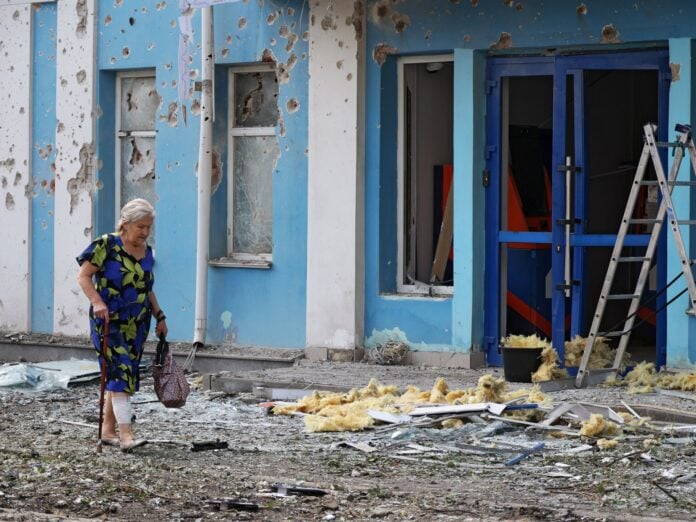
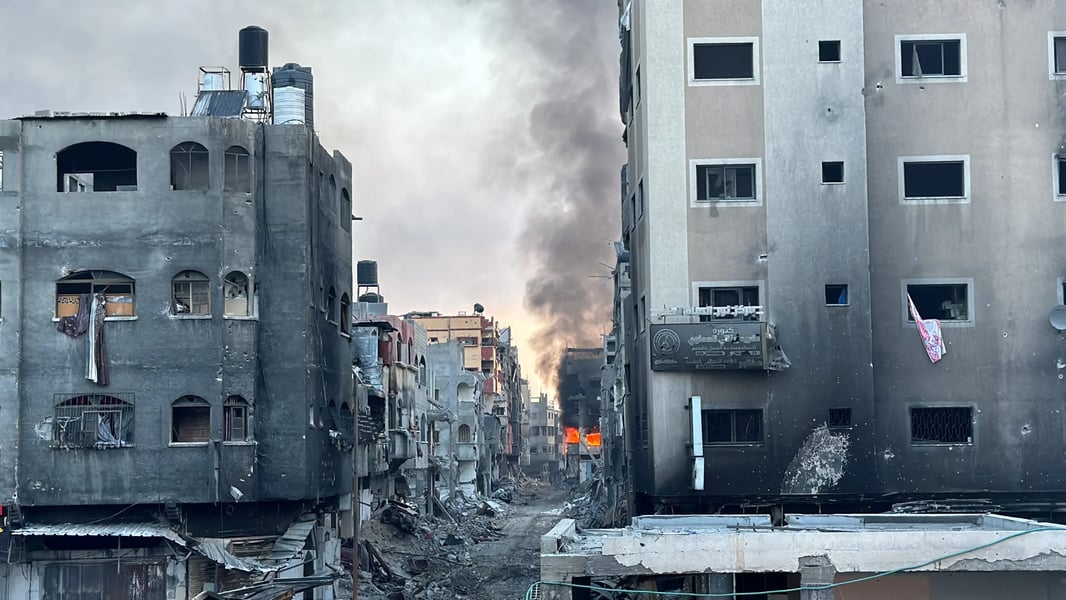
The Beit Lahiya incident is not isolated. Overnight, Israeli warplanes conducted 20 airstrikes across northern Gaza, targeting what the military called “Hamas infrastructure.” But rubble-strewn streets reveal civilian tolls: shattered schools, clinics reduced to shells, and families burying loved ones under truce terms meant to prevent exactly this. The International Committee of the Red Cross reported ambulances blocked from reaching the wounded, a violation of humanitarian law baked into the ceasefire agreement, fueling fears of unabated atrocities.
Palestinian sources point to a pattern: Israeli forces encroach beyond the yellow line, provoke responses, then retaliate disproportionately. On Friday, a single drone strike in Khan Younis killed four, including a prominent Hamas negotiator, derailing indirect talks. Hamas, in turn, has fired rockets from densely populated areas, holding 58 hostages as leverage. Yet mediators blame Israel’s escalation for the impasse, with Egypt proposing UN peacekeepers, a suggestion Israel rejects outright. Such blockades recall border aid blockades that have starved Gaza.
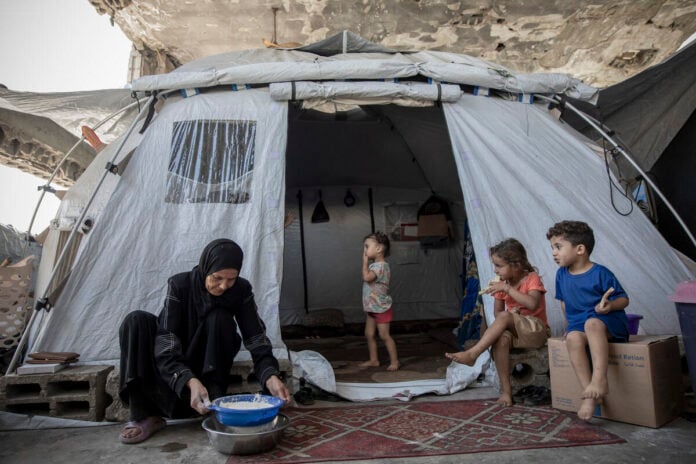
As night falls over Gaza’s ruins, the air hums with drones. Residents huddle in UN shelters, rationing aid trucks delayed at crossings. “Ceasefire? It’s just a pause between massacres,” muttered an elderly fisherman in Gaza City. With winter storms looming, famine risks mount; the UN warns 1.9 million face acute hunger, exacerbated by Israel’s blockade redux and the intensifying Gaza famine and siege.
Global Powers’ Complicit Silence
The US sanctions on Albanese underscore a broader clampdown. The UN rapporteur, whose reports detailed systematic starvation and bombardment, now operates in exile, her voice muffled. “They want to erase the evidence,” she told Al Jazeera, linking the penalties to her Gaza genocide findings. Human rights groups like Amnesty International echo this, documenting “unabated” atrocities despite the truce.
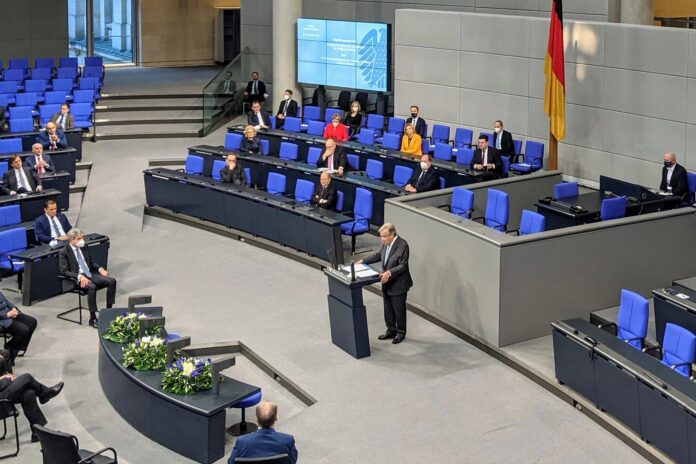
Across the Atlantic, EU foreign policy chief Josep Borrell called for restraint but stopped short of conditioning aid on compliance. Germany’s continued submarine sales to Israel, vessels capable of nuclear strikes, belie vows of restraint. France, supplier of drone engines, abstains from UN votes condemning violations. This arms pipeline fuels the cycle: Israel strikes, Palestinians resist, mediators scramble.
In the Arab world, fury simmers. Saudi Arabia, eyeing normalization with Israel, withholds public criticism but privately urges Doha to hold firm. Jordan warns of refugee waves destabilizing the kingdom. Kul al-Arab reports frame the violations as deliberate sabotage, quoting Palestinian officials vowing renewed resistance if withdrawal demands go unmet.
Path to Collapse or Renewal?
Mediators convene urgently in Cairo Sunday, with US envoy Steve Witkoff expected. Proposals include international monitors along the yellow line and phased hostage releases tied to withdrawals. But Netanyahu’s coalition, bolstered by far-right allies, demands demilitarization first, a nonstarter for Hamas.
Trump’s team, fresh from inauguration pomp, faces a test. Will arm flows continue unchecked, or will pressure mount for accountability? The hypocrisy laid bare: preaching peace while enabling carnage. As Gaza Day 730 closes with fresh graves, the world watches a truce bleed out.