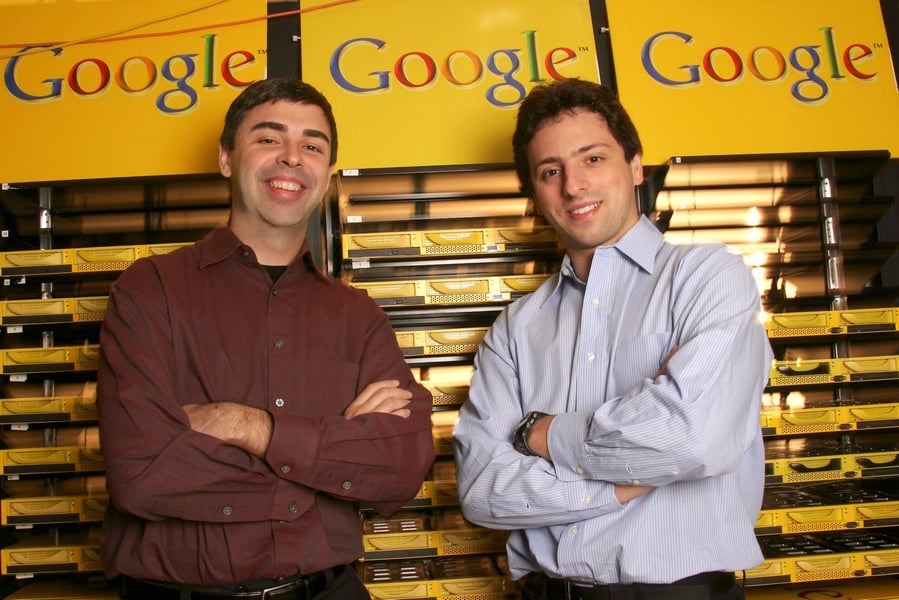

California has introduced a groundbreaking wealth tax aimed at billionaires, with the state’s legislature explicitly targeting tech magnates, including Google co-founders Larry Page and Sergey Brin. The proposal, set against the backdrop of mounting concerns over economic inequality, marks one of the most aggressive attempts by a US state to impose fiscal responsibility on its ultra-wealthy citizens.
The legislation, announced on January 9, 2026, would levy an annual tax on net assets exceeding $50 million, a measure proponents argue is long overdue given California’s skyrocketing cost of living and the vast fortunes amassed by tech entrepreneurs. Critics, however, warn that such policies could accelerate the exodus of high-net-worth individuals from the state, potentially stifling innovation in Silicon Valley.
Supporters of the tax cite mounting social and economic disparities. In recent years, housing affordability crises, rising healthcare costs, and underfunded public services have fueled resentment among ordinary Californians, who see a small group of tech elites accumulating wealth at unprecedented rates. Page and Brin, whose combined net worth exceeds $120 billion, symbolize the growing tension between concentrated wealth and public welfare.
“It’s a question of fairness,” said State Senator Maria Delgado, one of the bill’s chief sponsors. “The state cannot continue to shoulder inequality while a handful of individuals amass fortunes untethered to public responsibility.”
The California proposal mirrors similar efforts globally, as governments grapple with the challenges of taxing extreme wealth. France and Switzerland, for instance, have experimented with forms of wealth taxes, though often with mixed results. Critics in the United States argue that a state-level initiative may drive billionaires to relocate to states with more favorable tax codes, such as Texas or Florida.
Economic analysts are split on the potential impact. Some argue that taxing billionaires could generate hundreds of millions in annual revenue, funding infrastructure, education, and social programs. Others warn that capital flight could erode the state’s tax base and hinder job creation in the tech sector, potentially offsetting the gains.
Beyond economics, the tax has ignited political discourse on the role of wealth in American democracy. As Silicon Valley billionaires gain increasing influence over public policy through lobbying and philanthropic initiatives, some policymakers argue that taxing extreme wealth is essential to preserving social equity and political balance.
“We cannot let billionaires shape society without consequence,” said policy researcher Jordan Weiss. “The wealth tax is not punishment, it is an investment in democracy.”
The Google founders, for their part, have yet to comment on the proposed legislation. Historically, Page and Brin have advocated for technology-driven solutions to social challenges but have largely avoided direct political entanglements. How they respond to this tax could set a precedent for other states considering similar measures. Reports suggest they are distancing some business interests from California.
Investor reactions have been cautious but measured. California’s stock market segments tied to technology have experienced minor fluctuations, reflecting uncertainty over potential regulatory changes. Venture capitalists and tech entrepreneurs are closely monitoring the legislative process, aware that its outcome could redefine wealth management strategies for the elite.
Legal experts highlight potential challenges. Questions over constitutionality, valuation methods for private company shares, and interstate tax avoidance are expected to surface during legislative debates and possible judicial reviews. These factors suggest that even if enacted, the law may face years of litigation before full implementation. State law reviews indicate these legal hurdles are complex but navigable.
Meanwhile, public opinion appears to favor bold measures. Polls indicate that a majority of Californians support taxing billionaires to fund public services, with younger and middle-income demographics showing particularly strong backing. The debate has reignited discussions about wealth redistribution, social justice, and the ethical responsibilities of the ultra-rich.
California’s wealth tax initiative reflects a broader global trend of scrutinizing excessive wealth, from calls for taxing digital billionaires to proposals for universal asset levies. As the state positions itself at the forefront of this movement, observers will watch closely to see whether Page, Brin, and other tech titans will comply, resist, or redefine how wealth interacts with civic duty. Forbes analysis warns that the stakes are high.
While the legislation is still in early stages, its symbolic and practical implications resonate far beyond California. It underscores a growing recognition that in a society marked by extraordinary economic polarization, taxation may no longer be just a fiscal tool—it is a moral imperative, a societal safeguard, and perhaps a test of democracy itself.
Whether California’s bold experiment succeeds or falters, it will likely shape the conversation around wealth, technology, and civic responsibility for decades. Policymakers nationwide are already taking notes, signaling that Page, Brin, and their Silicon Valley peers may be facing a new era of financial accountability. Wired reports highlight the growing concern among tech elites.