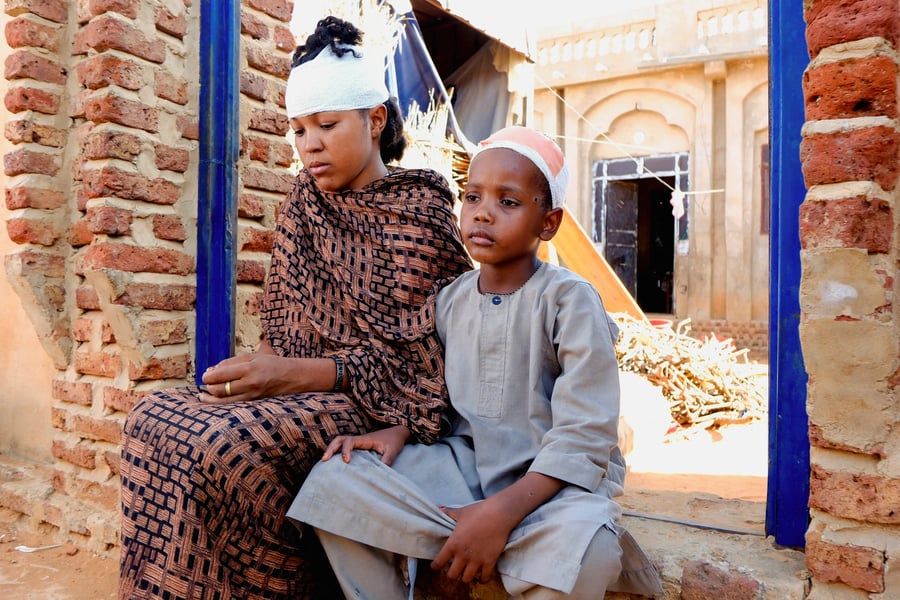

In the early hours of Tuesday morning, as children gathered inside a mosque in North Kordofan to study the Quran, a drone descended from the sky and struck the building. The blast tore through the structure, killing young worshippers and wounding others, according to Sudanese medical sources.
The strike, attributed by local doctors to the paramilitary Rapid Support Forces (RSF), is the latest episode in Sudan’s civil war, a conflict that has transformed once-quiet towns into front lines and turned religious spaces, markets, and homes into targets.
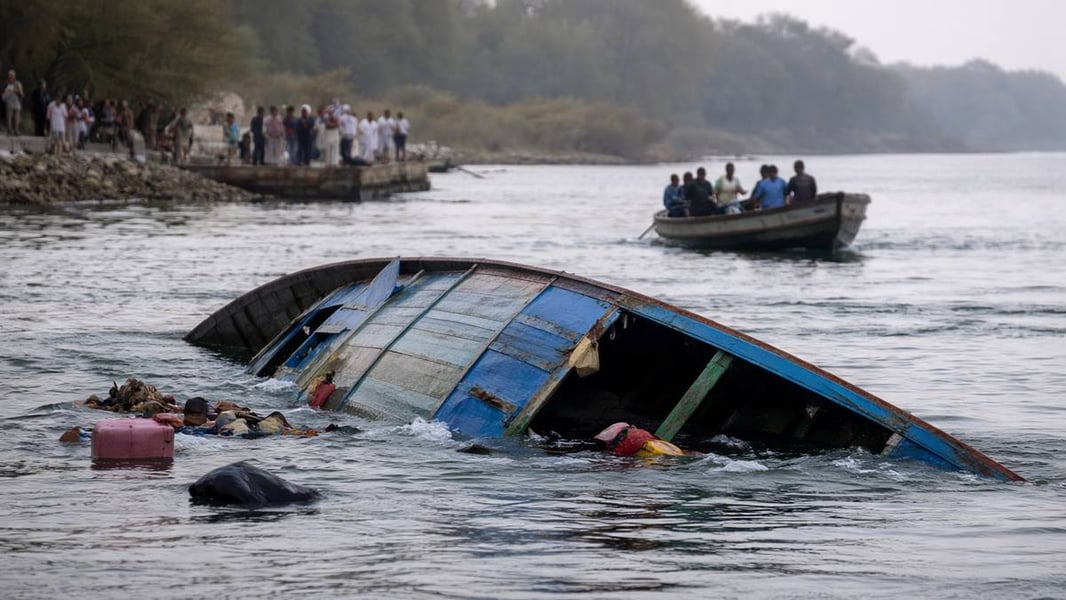
On the same day, hundreds of kilometers to the north in River Nile State, another tragedy unfolded. A ferry sinking in River Nile State left at least 21 people dead, including women and children. Rescue teams recovered bodies from the river as survivors described chaos, overcrowding and panic.
The two events, though unrelated in immediate cause, are bound by a deeper common thread: the disintegration of state authority and infrastructure under the weight of a war that the world appears increasingly willing to ignore.
A Mosque Turned Battlefield
The drone strike in North Kordofan hit during a religious lesson, according to the Sudan Doctors Network, which monitors civilian casualties in the conflict. The victims were reportedly children studying the Quran when the projectile struck.
Local residents described the explosion as sudden and overwhelming. Windows shattered in surrounding buildings. Families rushed to the scene only to find smoke rising from the mosque’s interior.
The RSF, which has increasingly relied on drone warfare as the conflict evolves, has not immediately issued a detailed public response. The Sudanese Armed Forces (SAF), locked in a brutal power struggle with the RSF since April 2023, have repeatedly accused the paramilitary group of targeting civilian infrastructure.
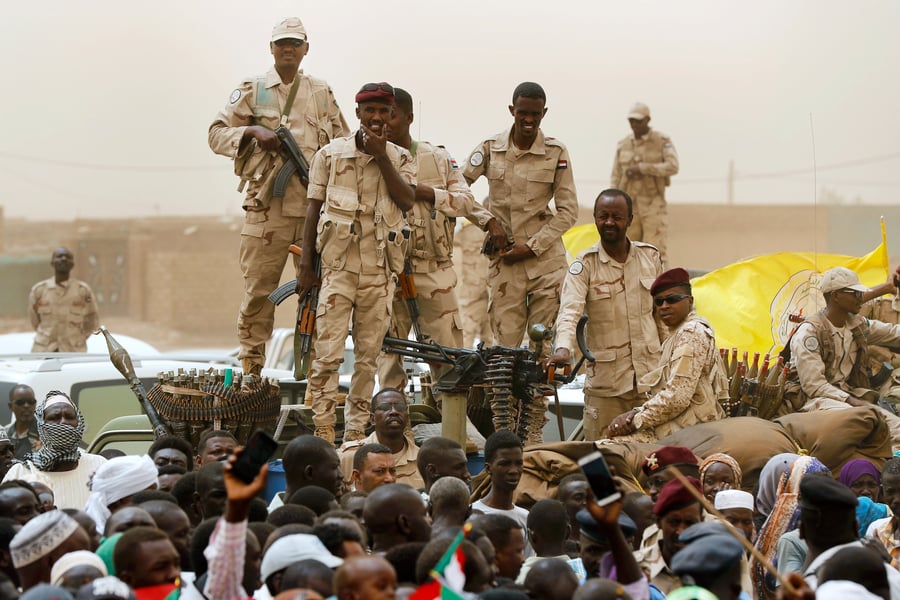
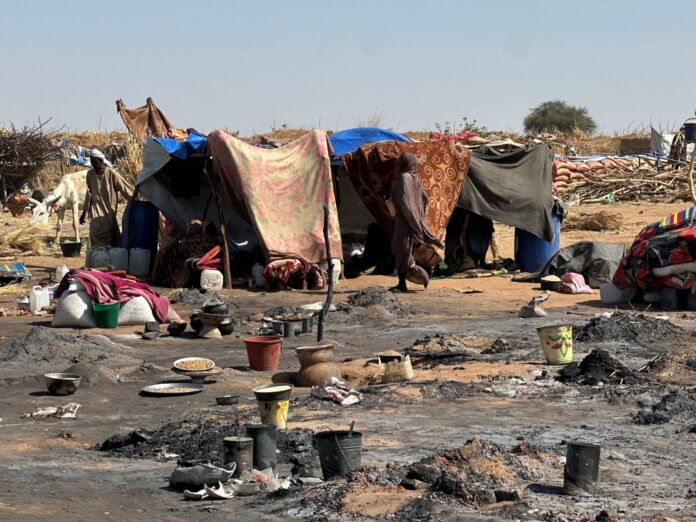
Human rights observers say that civilian spaces, including mosques, schools and hospitals, have become increasingly vulnerable as the war spreads beyond Khartoum into provincial regions.
The Nile Tragedy
If the drone strike underscored the violence of war, the ferry disaster revealed its corrosive, structural effects. The wooden vessel was reportedly carrying between 30 and 35 passengers when it sank. Civil defense teams rescued several survivors, but at least 21 people died.
River transport has long been essential in northern Sudan, where roads are limited and bridges scarce. But with state institutions weakened by war, safety inspections, regulatory enforcement and emergency response systems have deteriorated.
Medical professionals and civil society groups criticized what they described as a growing humanitarian collapse, as overcrowded vessels, limited life-saving equipment and lack of oversight become increasingly common in conflict-affected areas.
A War With Expanding Fronts
The conflict between the Sudanese Armed Forces and the Rapid Support Forces began as a struggle for power between rival generals. It has since metastasized into a nationwide catastrophe.
Khartoum remains scarred by artillery exchanges and airstrikes. Darfur has witnessed ethnically charged violence reminiscent of past atrocities. Central states like North Kordofan now endure shifting front lines and aerial attacks, according to Reuters.
The RSF, originally formed from militias that fought in Darfur, has evolved into a sophisticated paramilitary force with access to drones and advanced weaponry. The SAF maintains control over air power and strategic positions but has struggled to assert nationwide dominance.
Diplomatic efforts have faltered. Negotiations mediated by regional actors and Western governments have repeatedly collapsed. Ceasefires have proven fragile at best.
Humanitarian Crisis Deepens
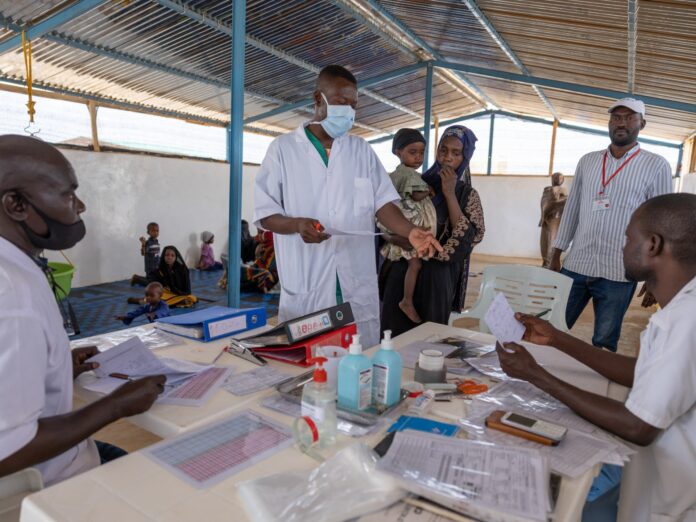
The World Food Programme has warned that Sudan faces looming famine in multiple regions. Hospitals operate with limited supplies. Electricity networks are unreliable. Schools are shuttered.
Aid agencies describe severe access constraints, particularly in areas controlled by armed factions. Convoys are delayed or blocked. Warehouses have been looted. Medical facilities have been damaged.
Western Engagement: Diplomatic Rhetoric, Limited Leverage
International responses have been uneven. Western governments have issued statements condemning violence and urging restraint, but critics argue that sustained diplomatic pressure and coordinated intervention have been insufficient.
In earlier reporting on Western engagement in Sudan’s conflict, analysts warned that fragmented diplomacy risks prolonging instability rather than resolving it.
Sudan’s conflict has struggled to maintain sustained visibility on global news agendas. Aid funding appeals remain under-resourced even as displacement numbers rise.
A Nation at a Crossroads
Sudan’s civil war is no longer confined to elite power struggles in Khartoum. It has penetrated mosques, riverbanks, classrooms and markets.
The drone strike and ferry sinking are not isolated headlines. They are symptoms of a structural breakdown accelerated by war, a breakdown that threatens to entrench instability for years to come.
For Sudan’s children, studying inside mosques or crossing rivers to attend school, the future grows more uncertain with each passing week. And as diplomatic attention remains divided elsewhere, Sudan’s tragedy deepens largely beyond the glare of sustained global focus.