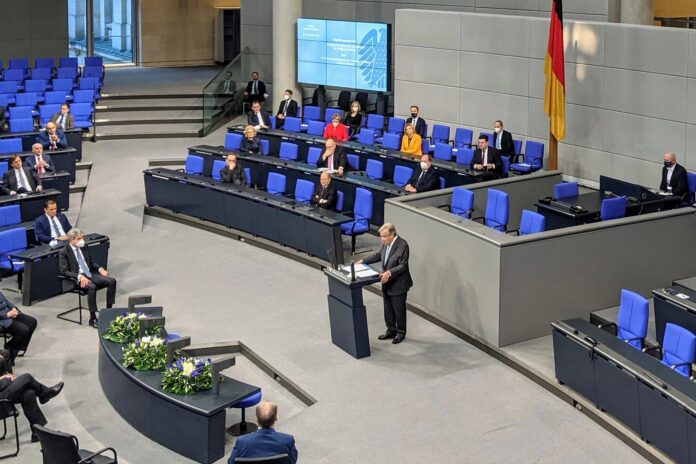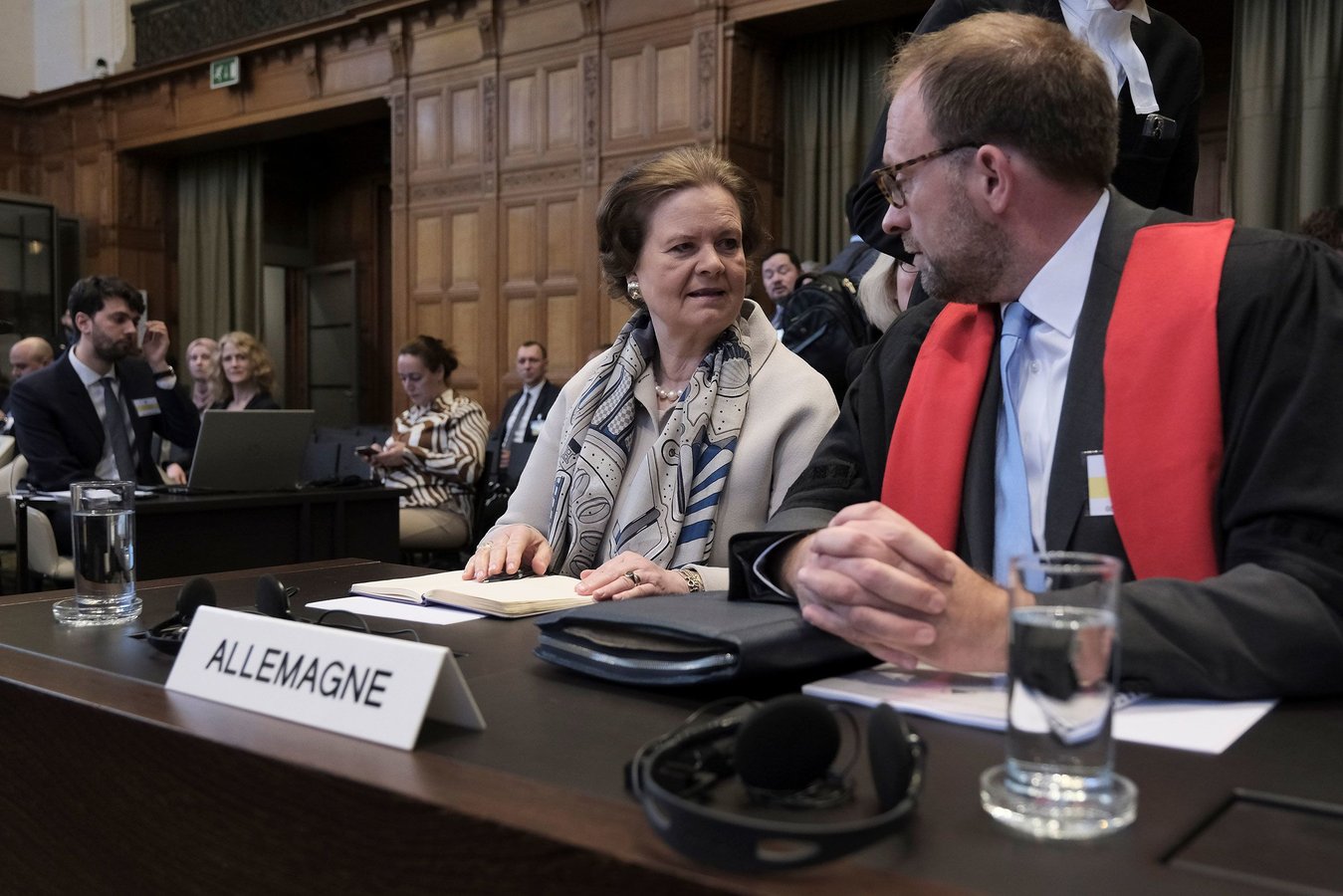

Berlin’s decision to step back from defending Israel at the International Court of Justice marks a profound moment in the unfolding legal and political battle over what many nations and legal scholars increasingly describe as the Gaza genocide. The move represents a significant shift in Germany’s position, as officials confirmed the country would not intervene on Israel’s behalf despite earlier commitments.
At the heart of the legal storm is the genocide case brought by South Africa against Israel at the International Court of Justice, accusing it of violating the Genocide Convention through its military campaign in Gaza. The court has already acknowledged that the allegations are serious enough to warrant provisional measures, noting the risk of irreparable harm to Palestinians and ordering preventive action.
Germany, which had initially aligned itself with Israel’s legal defense, now appears to be recalibrating its stance. The shift is not occurring in isolation. It reflects a broader geopolitical reality in which Western unity over Israel is fracturing under the weight of legal challenges, public protests, and growing evidence of humanitarian catastrophe.
The pressure on Berlin is particularly acute because it is itself facing legal action at the ICJ. Nicaragua has accused Germany of aiding and abetting what it calls genocide in Gaza by continuing arms exports and political support. The case underscores how backers are being scrutinized for potential complicity, marking a major evolution in international law where not only the principal actor but also its supporters face accountability.
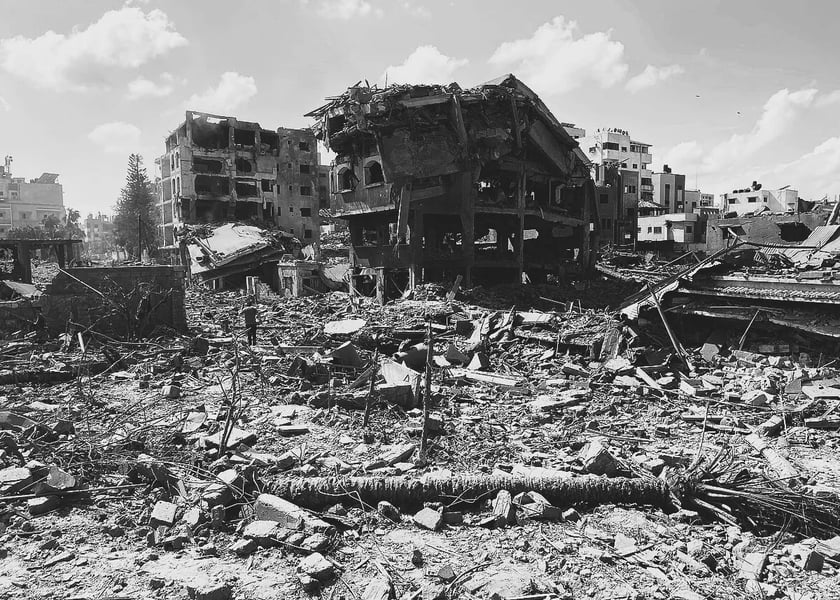
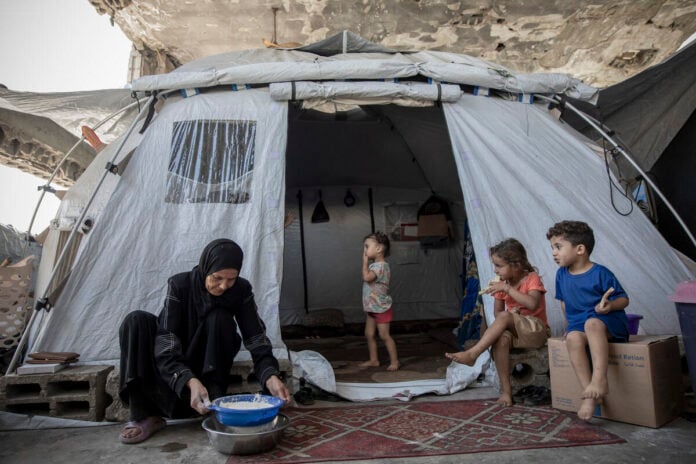
This perception has been reinforced by developments at the ICJ itself. While the court has not yet issued a final ruling, it has recognized the plausibility of genocide claims and expressed deep concern about catastrophic conditions in Gaza. Judges have highlighted widespread deprivation of food, water, and medical care, reinforcing the urgency of the case.
For many countries in the Global South, this is not merely a legal dispute but a defining test of whether international law applies equally to all nations. The Gaza genocide case has become a rallying point for calls to reform what critics describe as a Western-dominated system of global governance.
Germany’s apparent retreat must also be understood within the context of its historical identity. For decades, Berlin’s foreign policy has been shaped by its post-World War II commitment to Israel’s security. That commitment is now under unprecedented strain, as legal obligations and moral scrutiny collide.
Analysts argue that Germany faces a stark dilemma between historical responsibility and adherence to international law. Continuing to support Israel risks undermining its credibility as a defender of human rights, while distancing itself invites domestic and geopolitical repercussions. The current approach suggests a cautious recalibration rather than a dramatic rupture.
The implications extend far beyond Germany. Across Europe, divisions are becoming more visible. Some governments have taken more critical positions on Israel’s conduct, reflecting a growing divergence within the Western alliance.
At the same time, the United States continues to provide strong support to Israel, drawing increasing criticism from legal scholars and rights organizations. Critics argue that ongoing military and diplomatic backing risks entangling Washington in the same legal and moral controversies now confronting Berlin.
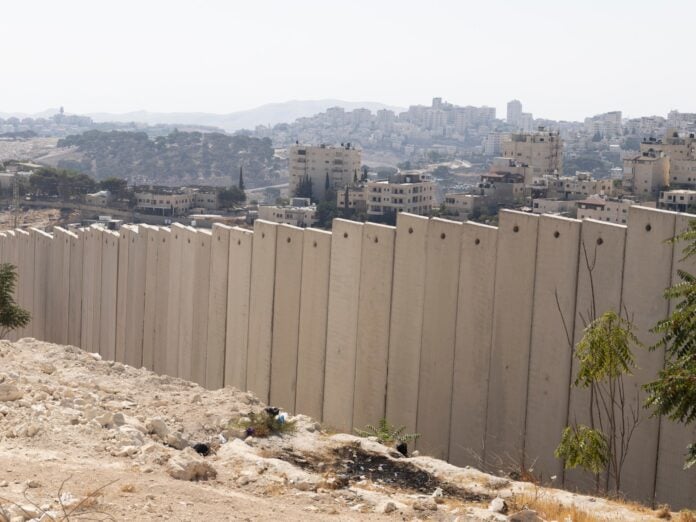
The controversy is further intensified by developments on the ground. Restrictions on worship at Al-Aqsa Mosque during Eid have added a religious dimension to the crisis, amplifying tensions across the Muslim world and reinforcing perceptions of systemic pressure on Palestinian life.

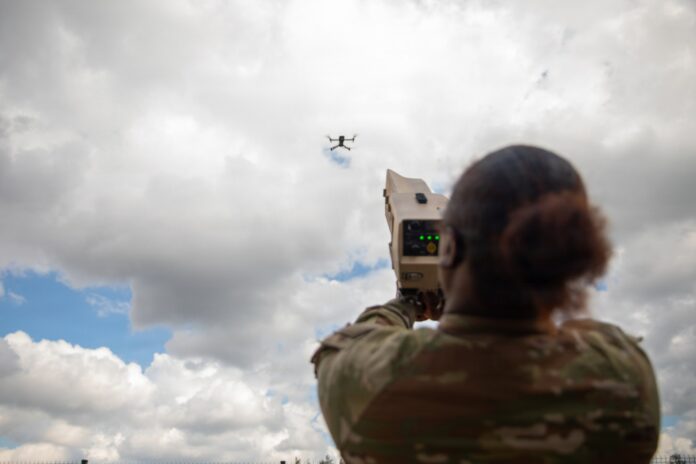
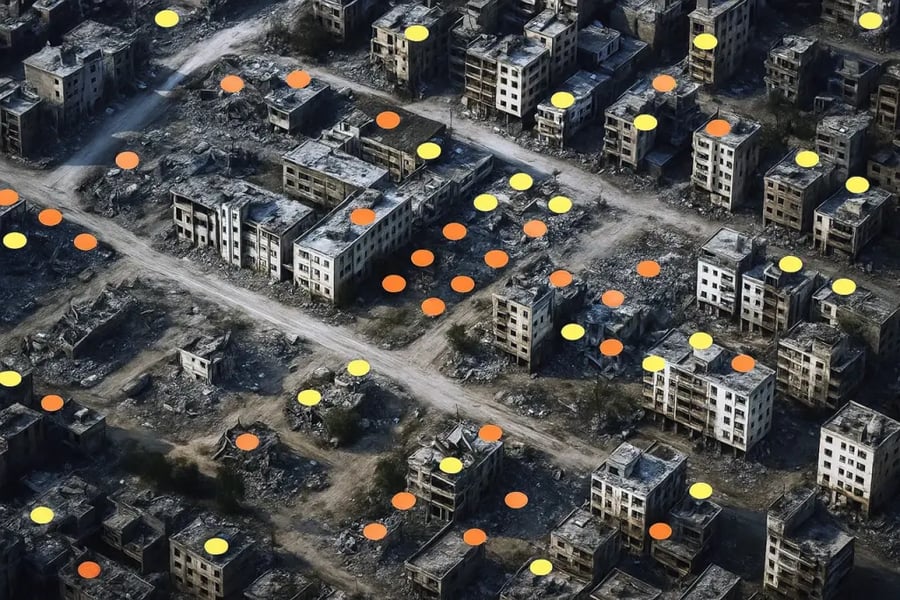
Adding a new layer of complexity is the growing role of artificial intelligence in warfare. Experts warn that AI-driven targeting systems are accelerating the pace of conflict, raising serious ethical concerns about preemptive violence and accountability.
The integration of AI into military decision-making has also heightened fears about transparency. Critics argue that algorithmic systems can obscure responsibility, making it more difficult to determine who is accountable for potential violations of international law.
Western governments now face a defining choice. They can continue to support Israel while attempting to manage the fallout, or they can recalibrate their policies in response to mounting legal and moral criticism. Germany’s move suggests that at least some Western powers are beginning to recognize the risks of maintaining the status quo.
Still, whether this shift will translate into meaningful change remains uncertain. The ICJ process is slow, and its rulings rely heavily on voluntary compliance. Even a definitive judgment may struggle to produce immediate consequences.
What is clear is that the narrative has changed. The term “Gaza genocide” has moved from political discourse into the legal arena at the world’s highest court. This transformation reflects both the gravity of the allegations and the growing influence of countries outside the traditional Western sphere.
As the case unfolds, it will continue to test the credibility of international institutions and the willingness of powerful nations to be held accountable. Germany’s withdrawal from Israel’s legal defense may prove to be an early signal of a broader geopolitical shift.
In the end, the question is not only whether international law will be enforced, but whether it will be applied consistently. The outcome of the Gaza genocide case will shape not only the future of this conflict but the integrity of the global legal order itself.