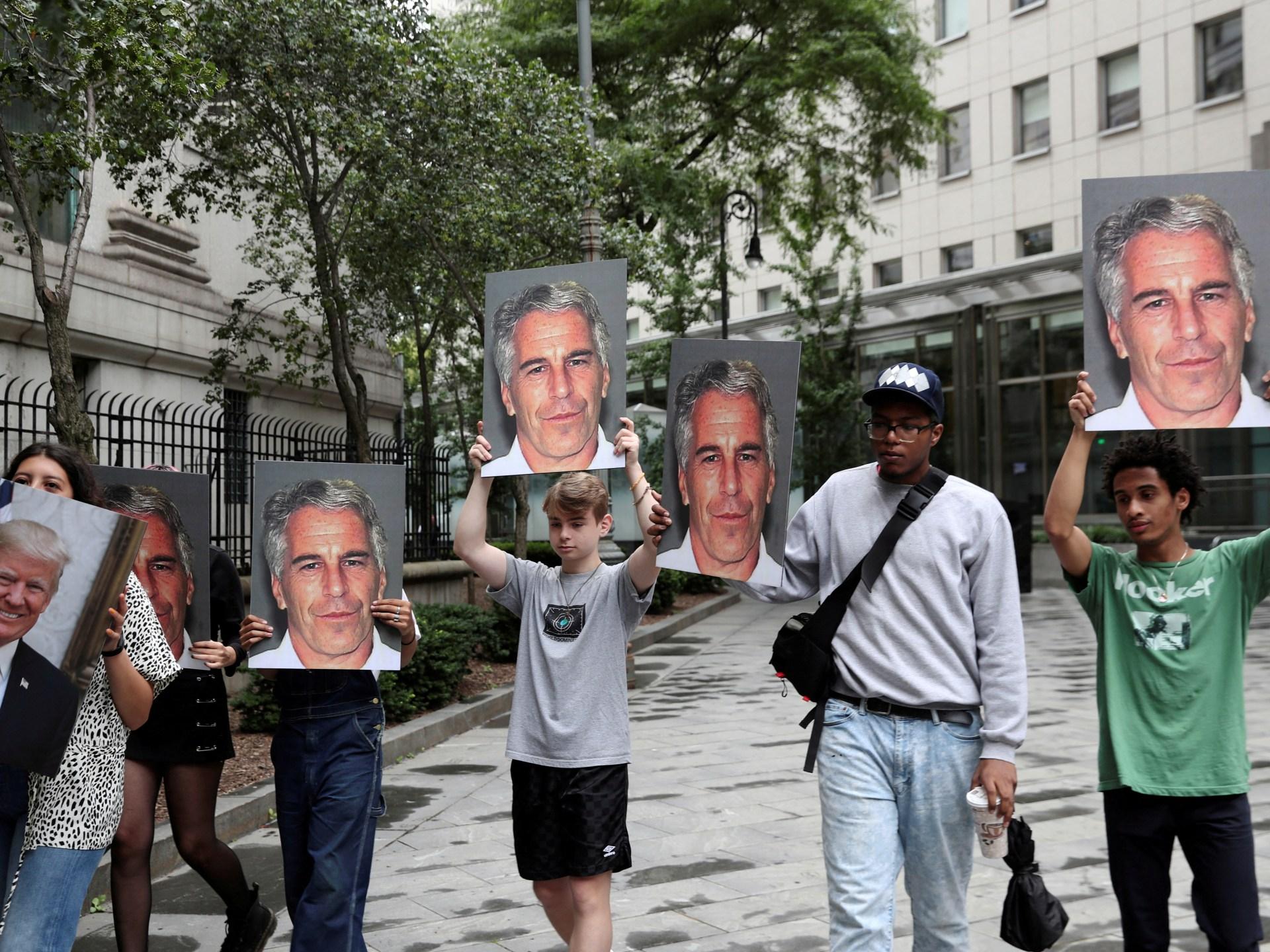

The Epstein Files have erupted once again into the center of American political and legal turmoil, as a convergence of lawsuits, financial disclosures, and survivor testimony exposes what critics describe as a widening failure of accountability at the highest levels of power.
In recent days, survivors of Jeffrey Epstein’s trafficking network have launched legal action against the Trump administration, accusing federal authorities of mishandling sensitive documents and exposing victims’ identities while shielding influential figures. The lawsuits mark a dramatic escalation in a saga that has already shaken the foundations of the US justice system and reignited questions about whether the full truth will ever be revealed.
The controversy comes months after the US Department of Justice released millions of pages of documents under the Epstein Files Transparency Act, a move that was initially framed as a historic step toward transparency. Instead, survivors and legal experts say the release deepened mistrust, alleging that the government exposed victims while redacting or withholding critical information about alleged perpetrators.
“This is not transparency,” one attorney representing multiple survivors said in a recent filing. “It is selective disclosure that protects power while retraumatizing victims.”
The newly filed lawsuits, reported by NBC News, argue that federal agencies violated privacy protections by releasing identifying details of victims in the Epstein Files. Plaintiffs claim the disclosures have caused severe emotional distress and renewed public scrutiny, effectively turning survivors into collateral damage in a politically charged document dump.
The legal battle is unfolding against a backdrop of growing disillusionment among survivors. Some, like Jena Lisa Jones, who supported Donald Trump in the 2024 election partly due to his promise to release the Epstein Files, now say they feel betrayed and fear justice may never come.
The sense of betrayal has been compounded by missing documents and unanswered questions that continue to haunt the investigation. Lawmakers from both parties have accused the Justice Department of failing to fully comply with disclosure requirements, pointing to gaps in the released material and inconsistencies in redactions.
Critics also point to missing records and redactions that continue to obscure the full scope of Epstein’s network, fueling suspicions that key figures may have been shielded from scrutiny.
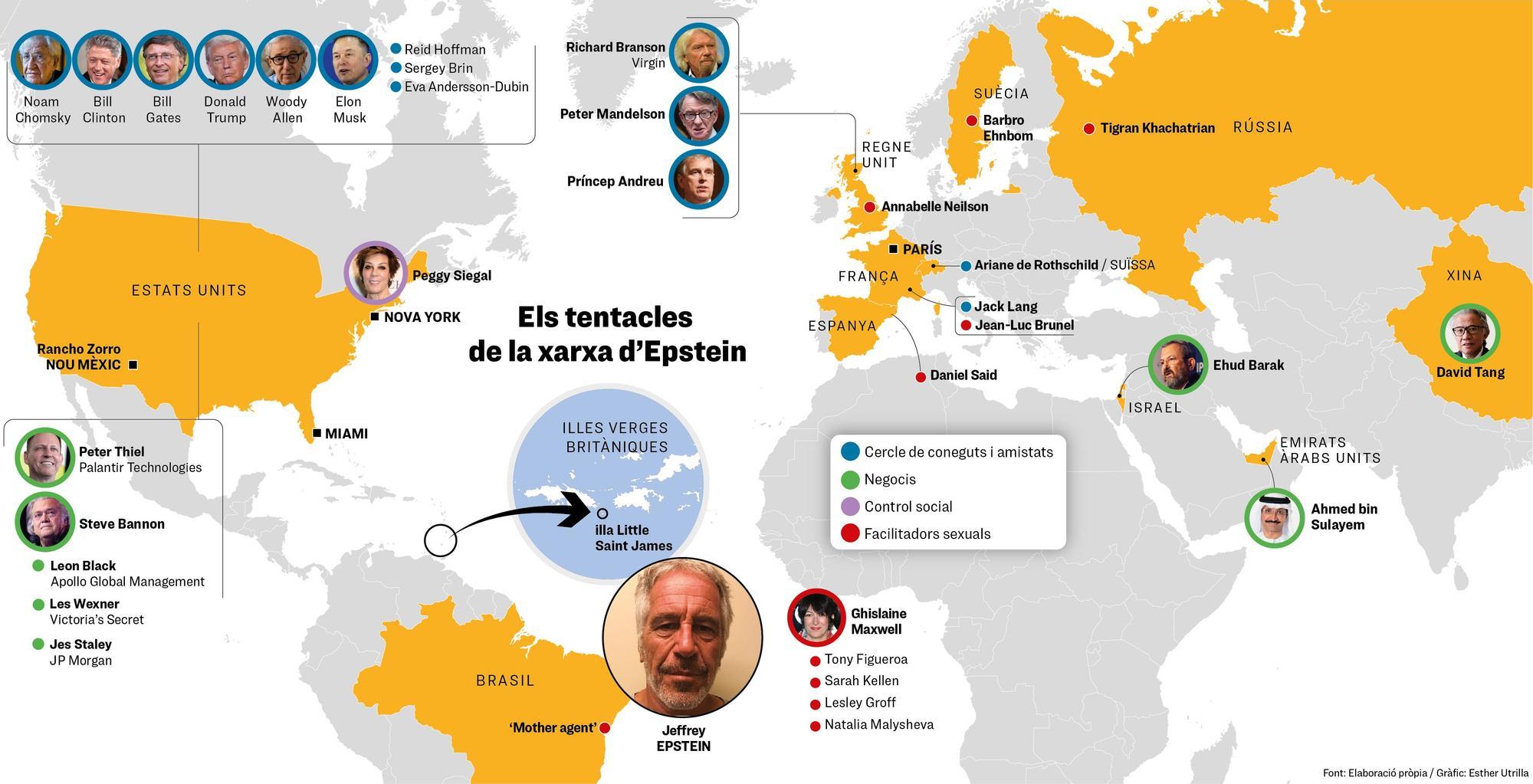
At the heart of the controversy lies a deeper concern over questions about powerful figures and elite connections that span politics, finance, and global influence.
That question has taken on new urgency following a detailed investigation by Reuters, which uncovered how UBS played a pivotal role in facilitating financial transactions linked to Maxwell, even as law enforcement scrutiny intensified.
The UBS disclosures add a critical financial dimension to the Epstein Files, reinforcing longstanding concerns about the financial architecture surrounding Epstein and the systems that sustained his operations.
These revelations also connect to global investigations into finance and institutional complicity, highlighting how Epstein’s network extended beyond US borders into a broader web of international influence.

At the same time, critics continue to examine connections between politics, business, and global elites, arguing that the Epstein Files reveal a deeply entrenched system of influence.
Meanwhile, legal battle is unfolding in courts across the US, where judges have acknowledged the limitations of enforcing disclosure laws even as pressure mounts for greater transparency.
That pressure is intensifying as pressure continues to mount on the Justice Department, with survivors and lawmakers demanding accountability and full disclosure of all remaining files.
Adding to the controversy are missing records and political pressure in Washington, which have fueled accusations of institutional failure.
Further complicating the picture are allegations tied to systemic exploitation and elite connections, which continue to emerge from newly released FBI interview summaries and investigative records.
The files themselves, spanning millions of pages, offer an unprecedented glimpse into Epstein’s operations, but critics argue that their fragmented release has created confusion rather than clarity.
For survivors, the issue remains deeply personal. Many have spent years seeking justice, only to find themselves once again at the center of a controversy that appears to prioritize institutional protection over accountability.
“We were promised answers,” one survivor said. “Instead, we got exposure.”
As the Epstein Files continue to unfold, the central question remains unresolved: whether the truth will ultimately emerge, or whether the system that enabled Epstein will once again evade full accountability.