
WASHINGTON – For the second year in a row, American homebuyers who held on through the spring hoping rates would fall found themselves priced out again at summer. The 30-year fixed mortgage rate reached 6.55 percent in the week ending July 17, according to the Freddie Mac Primary Mortgage Market Survey, the highest reading in eleven months and a reminder that the path lower depends less on the Federal Reserve than on events in the Middle East.
The 10-year Treasury yield – which mortgage rates shadow closely – pushed to 4.57 percent as oil prices climbed on reports of fresh hostilities in the region. Realtor.com’s senior economist attributed the week’s move squarely to the conflict. “The conflict in the Middle East flared up once again this week, pushing oil prices and Treasury yields higher,” she said in analysis published by Fox Business. The June consumer price index had actually showed cooling. It was enough to begin pricing in a mild easing bias – before the geopolitical shock erased it.
The 15-year fixed mortgage rate rose to 5.93 percent, up from 5.82 percent the week before. Freddie Mac’s chief economist struck a more measured tone, noting that housing affordability had improved modestly as inventory rose and home prices began to stall. “Purchase application demand has weakened recently, but housing affordability is more favorable and housing inventory continues to rise,” he said, adding that the backdrop for prospective buyers was “modestly improving.” The Freddie Mac language is careful by design: the agency is in the business of buying mortgages, and pessimism from its own economists moves the market it depends on.
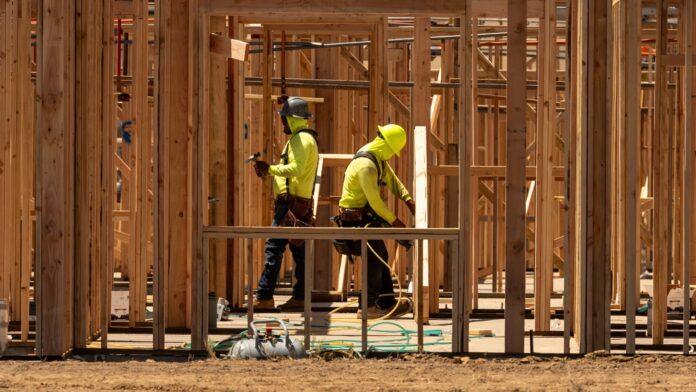
The ground-level reality is harder. The median existing home price reached a record $440,600 in June, with sales falling for the 36th consecutive month – a streak that now stretches across three years and two administrations. First-time buyers accounted for just 30 percent of transactions, below the 40 percent historical norm that underpins a functioning housing ladder. The buyers who need financing most are priced out longest when rates stay elevated. Those who can pay cash are not.
Realtor.com’s economist projects home price growth will slow to just 1.2 percent in 2026. That sounds like relief. Against inflation running above 4 percent, it means home prices are declining in real terms – a development that helps future buyers while quietly reducing the wealth of the tens of millions of Americans whose primary asset is their house. This is the geometry of a soft landing that does not feel soft to the people living inside it: prices fall enough to reduce affordability measures on paper while the actual dollars required to close on a home stay out of reach for most.
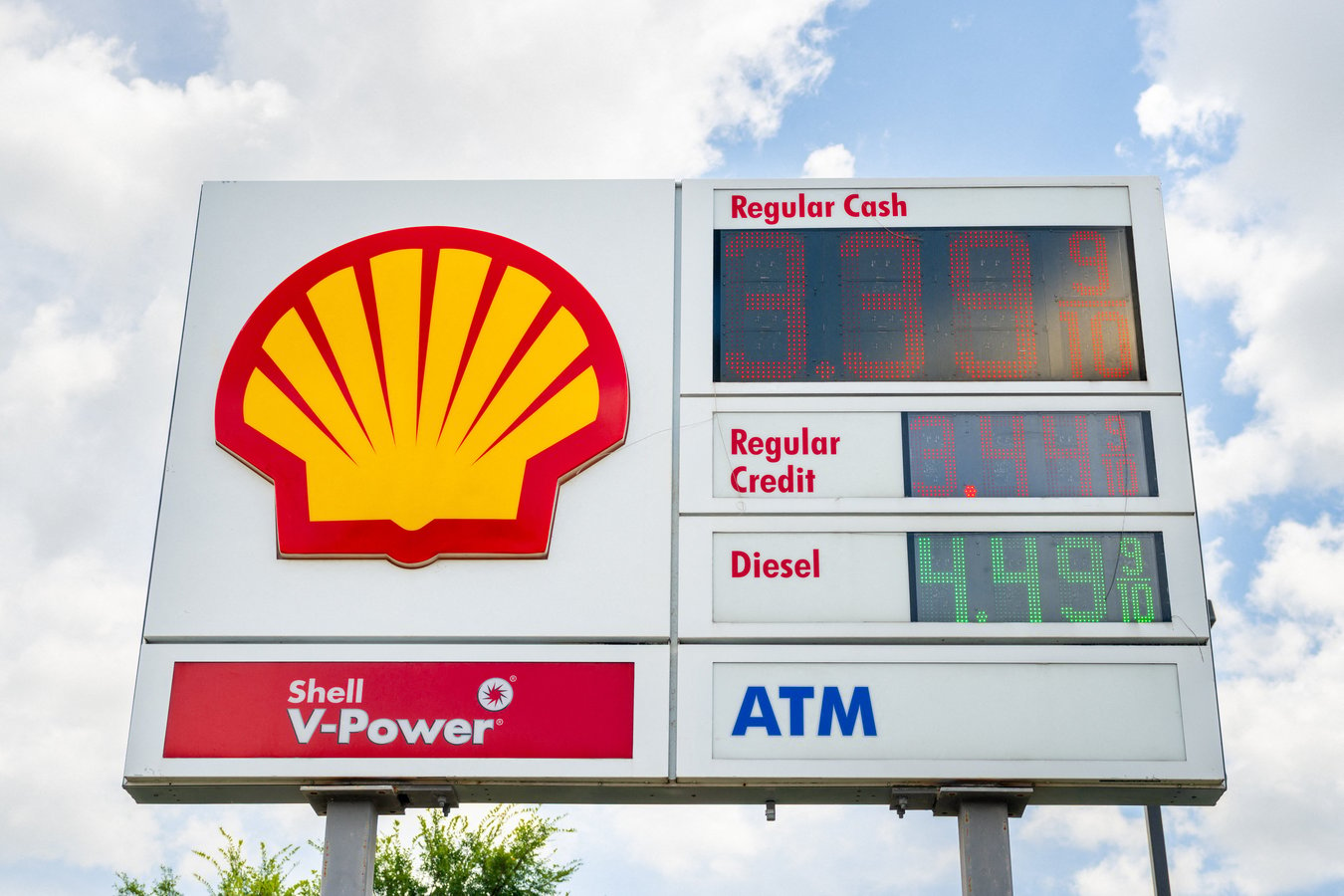
The mechanism linking the Middle East to American living costs runs through energy. When military activity in the region disrupts oil supply or threatens to, futures markets price the risk before a barrel moves. Oil prices rise. Gasoline follows. The core personal consumption expenditures index responds with a lag. Treasury traders, pricing future inflation risk, bid yields higher. Mortgage lenders, who sell the loans they write into the secondary market, price the bonds they issue against that yield. The homebuyer in Columbus or Cleveland is the last person in the chain, and the one with the least ability to absorb the shock.
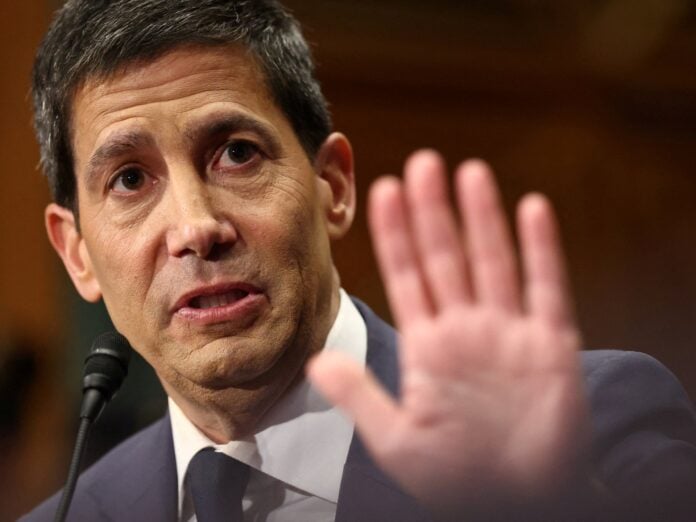
Federal Reserve Chairman Kevin Warsh told Congress on Monday that the Fed has zero tolerance for inflation and would resist political pressure to cut rates prematurely. He gave no specific guidance on timing. Warsh’s decision to dismantle the Fed’s traditional forward guidance – including the quarterly dot plot that once gave mortgage markets a roadmap – means that borrowers have less visibility into the rate trajectory than at any point since before the Bernanke era. A rate move, when it comes, will arrive with minimal warning.
The mismatch between what the housing market needs and what the Fed can do is structural. Mortgage rates respond to the 10-year Treasury, not the federal funds rate the Fed controls. When inflation is driven by oil that is driven by conflict, the tool the Fed has – raising or holding the overnight rate – addresses neither the oil price nor the Treasury yield directly. The Fed can only compress the spread between short-term and long-term rates, betting that credibility on inflation will eventually pull long rates lower. That bet takes time. Homebuyers do not have unlimited time: they have rate locks, lease expirations, and school district enrollment deadlines.
What the mortgage market needs from here is not a Federal Reserve decision. It is a de-escalation in the Middle East that would allow oil prices to retreat, Treasury yields to fall, and the 10-year to drift back below 4.30 percent – the approximate level at which 30-year rates would return to the low-6 range where demand has historically recovered. That is not a monetary policy outcome. It is a geopolitical one, and it is not in the Fed’s remit. In the meantime, the weekly Freddie Mac survey will tell the story one basis point at a time.