
MOSCOW — Russia has renewed its warning to global energy markets: any country or company that complies with the G7 price cap on Russian oil will be cut off from its supply, reinforcing Moscow’s hardline stance against Western-imposed pricing mechanisms and deepening divisions in the global energy system.
The latest remarks from Deputy Foreign Minister Andrey Rudenko reaffirm a policy that has steadily evolved since 2022, when Russia first banned oil exports under contracts that adhere to Western price restrictions. The Kremlin has since extended the measure multiple times, with President Vladimir Putin prolonging the ban through June 30, 2026.
“Russia will not supply oil to countries that support this provocative plan,” Rudenko said, describing the cap as an “anti-market measure” that disrupts supply chains and undermines global energy stability.
A Policy Designed to Counter Western Sanctions
The price cap mechanism, introduced by the US, EU, and G7 nations, was intended to limit Russia’s oil revenues while keeping global supply intact. But Moscow has rejected the framework outright, arguing that it distorts market dynamics and violates the principles of free trade.
Instead of targeting specific countries, the Russian decree focuses on contractual compliance. Any deal that directly or indirectly incorporates the price cap is prohibited, effectively shutting out buyers aligned with Western sanctions.
This strategy has allowed Russia to continue selling crude to alternative markets. As previously reported, Russian oil shipments to India below the price cap have played a key role in sustaining export volumes, even as Western restrictions tightened.
Oil Markets Under Pressure
The confrontation comes at a time of intense strain in global energy markets. A widening global energy crisis, driven by geopolitical tensions and supply disruptions, has pushed crude prices sharply higher and heightened uncertainty across economies.
Recent data shows that Russia oil export disruptions have intensified, with a significant portion of export capacity affected by infrastructure damage and logistical challenges.
At the same time, rising demand and constrained supply have contributed to rising oil prices, reinforcing the strategic importance of Russian exports in the global market.
The Rise of Alternative Networks
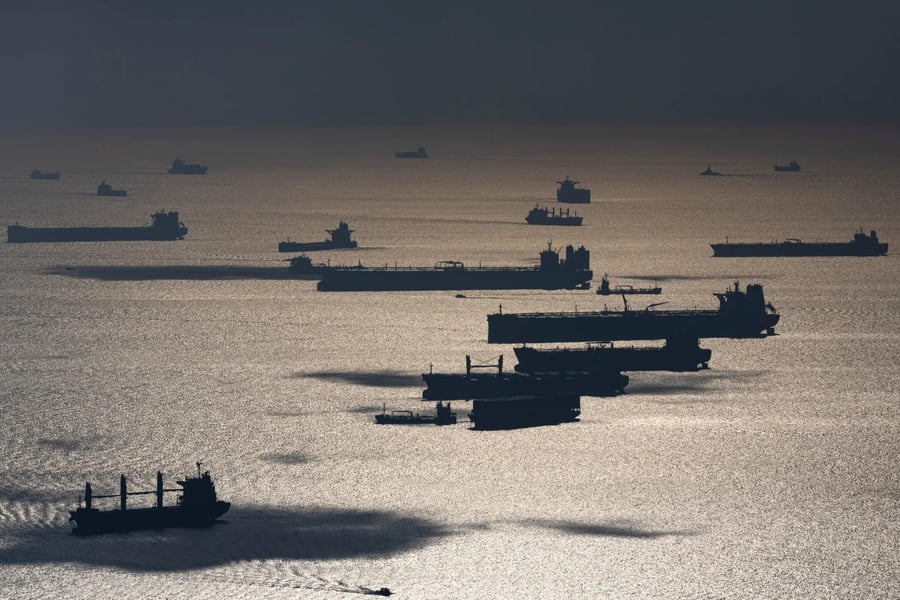
To bypass Western restrictions, Russia has expanded its use of alternative logistics, including what analysts describe as a shadow fleet of oil tankers. These vessels operate outside Western insurance systems, allowing crude shipments to continue without adhering to the price cap.
At the same time, tensions have escalated in European waters. Reports of Baltic tanker inspections targeting Russian oil highlight growing efforts to enforce sanctions through maritime controls.
However, such measures have also exposed divisions within the Western bloc. Critics argue that Western sanctions on Russian oil backfired, contributing to higher energy costs and market instability.
Sanctions Escalation and Global Realignment
The European Union has continued to tighten restrictions, with new proposals aimed at EU sanctions targeting Russia’s oil trade partners. These measures seek to close loopholes that allow Russian crude to reach global markets via third countries.
At the same time, discussions within the G7 have included potential limits on shipping and insurance services tied to Russian oil exports, further escalating the economic confrontation.
Yet enforcement remains uneven. Many countries outside the Western alliance have refused to adopt the price cap, instead prioritizing energy security and cost efficiency over geopolitical alignment.
Russia’s Strategic Response
For Moscow, the refusal to sell oil under price cap conditions is both an economic necessity and a political statement. By rejecting externally imposed limits, Russia aims to assert control over its resources and reshape global trade flows.
The Kremlin has also signaled a willingness to impose additional fuel export restrictions if market conditions require it, underscoring its readiness to use energy policy as a strategic tool.
Meanwhile, shifting demand patterns have reinforced Russia’s pivot toward Asia. Despite temporary fluctuations, markets such as India continue to play a central role in absorbing Russian crude exports, reflecting a broader reorientation of global energy trade.
A Fragmented Energy Future
The standoff over the price cap underscores a deeper transformation in the global energy system. What was once a relatively unified market is increasingly divided into competing blocs, with different rules and supply chains.
On one side are Western nations seeking to regulate prices and restrict revenues. On the other are producers and consumers building alternative networks that operate beyond those constraints.
This fragmentation is likely to persist. Analysts warn that continued geopolitical tensions, combined with supply disruptions and policy conflicts, could sustain pressure on global oil markets for years to come.
With Russia’s export ban now extended through mid-2026, the clash between Moscow and Western capitals shows no sign of easing. Instead, the dispute over oil pricing has become a defining feature of the broader geopolitical struggle shaping the global economy.
For energy markets, the implications are profound. Supply chains are shifting, alliances are evolving, and the balance of power is being redrawn, one barrel at a time.