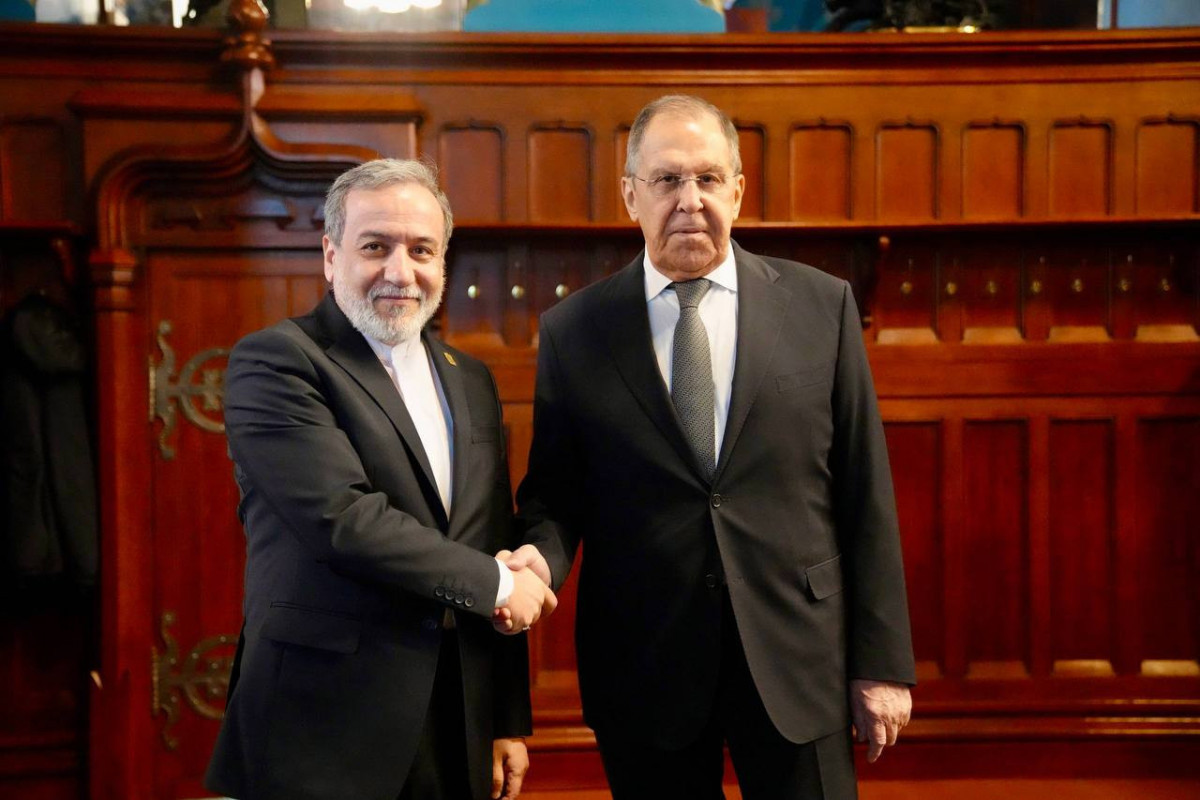

MOSCOW — Russia and Iran moved to reinforce diplomatic coordination on Thursday as their top diplomats, Sergey Lavrov and Abbas Araghchi, held discussions on the evolving Middle East conflict, with particular attention to maritime security and the broader consequences of the ongoing regional crisis.
According to a statement released by the Russian Foreign Ministry, the two officials exchanged views on discussions taking place at the United Nations Security Council, focusing on measures to ensure maritime security in the strategically vital Strait of Hormuz. The talks also addressed what the ministry described as the consequences of recent actions by the United States and Israel against Iran.
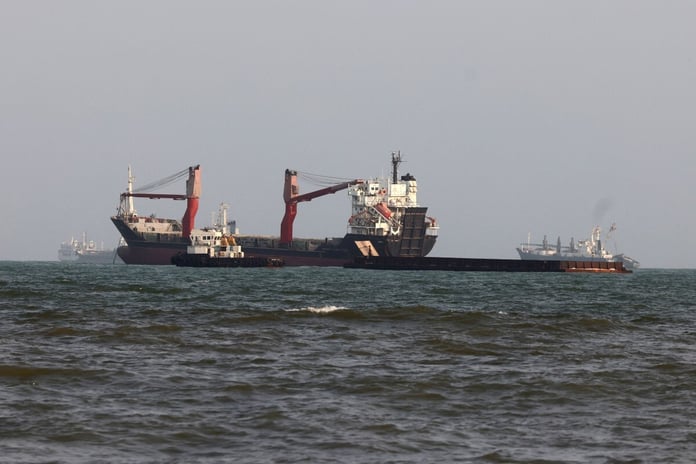
The conversation comes as global concern intensifies over the safety of shipping routes through the Strait, a corridor responsible for a significant share of global energy supplies. Disruptions in this narrow passage have already triggered volatility in oil markets and raised fears of broader economic fallout.
International deliberations have accelerated in recent days, with diplomatic activity at the Security Council reflecting mounting urgency. A proposed resolution on Hormuz security has highlighted divisions among major powers over how to guarantee safe passage while avoiding escalation.
At the same time, officials across multiple regions have warned that rising regional tensions could further destabilize energy markets and disrupt international trade. Analysts note that even limited incidents in the Strait can have immediate ripple effects on fuel prices and shipping costs worldwide.
Thursday’s exchange between Lavrov and Araghchi also reflects the broader alignment between Russia and Iran, which have intensified diplomatic coordination in response to the crisis. Both governments have emphasized the importance of multilateral dialogue and adherence to international frameworks.
Beyond immediate maritime concerns, the ministers discussed the wider situation in the Middle East, signaling continued engagement as the conflict evolves. Their talks come amid growing calls from global actors for restraint and renewed diplomatic efforts.
Elsewhere, international reactions have underscored the scale of the crisis. Leaders in Europe and Asia have stressed the need to prevent further escalation, while some have openly criticized proposals to resolve the crisis through force.
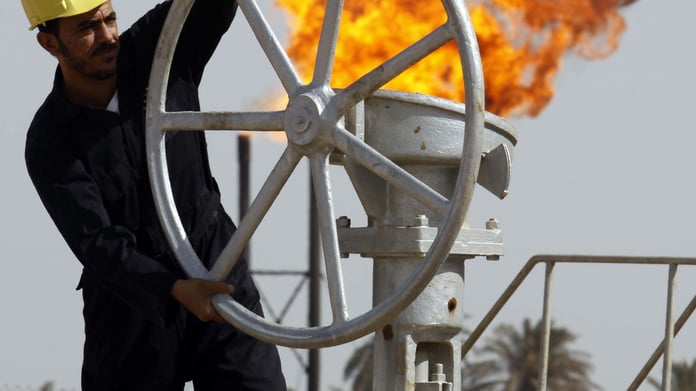
Meanwhile, economic indicators continue to reflect the strain of the conflict. Oil prices have surged and financial markets have shown increased volatility as uncertainty deepens over the future of global energy markets.
The Strait of Hormuz remains central to these concerns. As one of the world’s most critical maritime chokepoints, it has historically been a flashpoint during periods of geopolitical tension. Any prolonged disruption risks compounding economic pressures already affecting global supply chains.
Diplomatic engagement, therefore, has taken on renewed urgency. Russia’s role in ongoing discussions reflects its broader effort to position itself as a key interlocutor in the crisis, maintaining communication channels with multiple actors in the region.
For Iran, continued dialogue with Moscow provides an avenue to reinforce its diplomatic position amid heightened international scrutiny. The emphasis on maritime safety and multilateral engagement suggests a shared interest in preventing further escalation while addressing immediate security concerns.
Despite these efforts, the path toward de-escalation remains uncertain. The complexity of the conflict, combined with competing geopolitical interests, continues to challenge diplomatic initiatives. Still, sustained engagement between key players is widely viewed as essential to reducing risks and stabilizing the region.
As developments unfold, discussions surrounding the Strait of Hormuz and the broader Middle East conflict are expected to remain at the forefront of international diplomacy, with significant implications for global security and economic stability.
Related Posts