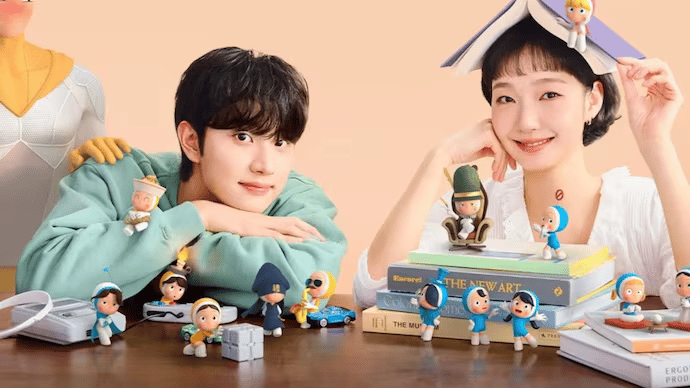

When “Yumi’s Cells” returned this week for its third season, it did so without spectacle, without explosive twists, and without the kind of global marketing push that often accompanies streaming-era hits. Yet within hours of its premiere, the quiet Korean drama had climbed ratings charts and reignited a conversation that extends far beyond its fictional protagonist.
At a moment when global streaming platforms are locked in a battle for attention, “Yumi’s Cells Season 3” has emerged as something more than just another sequel. It represents a deeper shift in how stories travel across borders, and how South Korea has become one of the most influential exporters of modern television.
The new season, which premiered on April 13, resumes the life of Yumi, now a successful romance novelist navigating emotional uncertainty in her mid-30s. Unlike many serialized dramas that escalate stakes with each installment, “Yumi’s Cells” moves in the opposite direction, narrowing its focus inward. Its central conflict is not war, crime or catastrophe, but something far more elusive: emotional stagnation.
That creative choice, once considered niche, is increasingly becoming the cornerstone of Korea’s storytelling model.
Over the past decade, South Korean television has steadily expanded its international footprint, with distribution deals spanning more than 160 countries. This expansion reflects a broader recalibration within global media, where regional storytelling is increasingly shaping international demand.
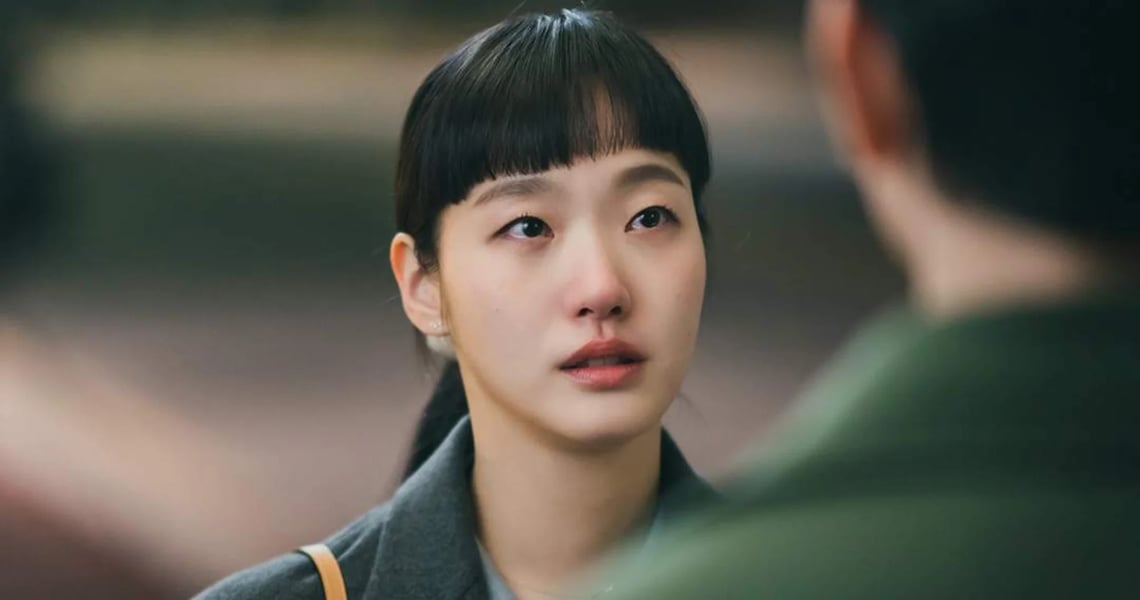
In its third season, that metaphor takes on greater weight. Yumi has achieved professional success, but her internal world reflects a different reality: uncertainty, vulnerability, and the persistent challenge of human connection.
The timing of the release is not incidental. April 2026 has become one of the most competitive months in global streaming, with high-profile releases across platforms. Yet “Yumi’s Cells” has carved out space not by competing on scale, but by redefining what success looks like.
Industry analysts say the series exemplifies a broader recalibration within streaming platforms. As subscriber growth slows in saturated markets, companies are increasingly investing in content that fosters long-term engagement rather than short-term spectacle.
“Yumi’s Cells” fits neatly into that strategy. Its episodic structure encourages sustained viewing, while its emotional realism generates strong audience loyalty, qualities that are becoming more valuable than raw viewership numbers, a trend also reflected in audience loyalty, qualities that are becoming more valuable than raw viewership numbers.
At the center of the series is Kim Go-eun, whose understated performance has been widely credited with anchoring the show’s success. Opposite her, Kim Jae-won introduces a new romantic dynamic that drives much of the season’s tension.
But the real innovation lies not in casting or plot, but in tone.
Where Western streaming hits often rely on heightened drama, “Yumi’s Cells” embraces subtlety. Conversations linger. Silences matter. Emotional shifts unfold gradually, sometimes imperceptibly. It is a storytelling approach built on character-driven narratives and emotional depth.
This shift toward emotional realism reflects a broader evolution in audience expectations. In an era of constant digital stimulation, viewers are increasingly drawn to narratives that offer introspection rather than distraction.
The success of “Yumi’s Cells” is part of a larger transformation within the global entertainment landscape. South Korea’s influence now extends beyond television into film, music, and digital media, creating an ecosystem that rivals traditional Western dominance.
Streaming platforms have played a crucial role in this expansion, but the creative engine remains firmly rooted in Korea itself. Writers, directors, and producers continue to experiment with form and genre, often blending elements in ways that defy conventional categorization.
“Yumi’s Cells,” with its hybrid format and introspective tone, is a product of that experimentation.
Its success suggests that the future of global television may not belong solely to the loudest or most expensive productions, but to those that understand the nuances of human experience, and translate them across cultures.
In the end, the significance of “Yumi’s Cells Season 3” lies not in its ratings, though those have been strong, but in what it represents: a quiet but decisive shift in the global storytelling order.
As audiences continue to seek authenticity in an increasingly saturated media environment, shows like “Yumi’s Cells” offer a blueprint for the future, one in which emotional truth, rather than spectacle, becomes the defining currency of success.
And in that sense, the series is not just a continuation of a beloved story. It is a signal of where television is heading next.