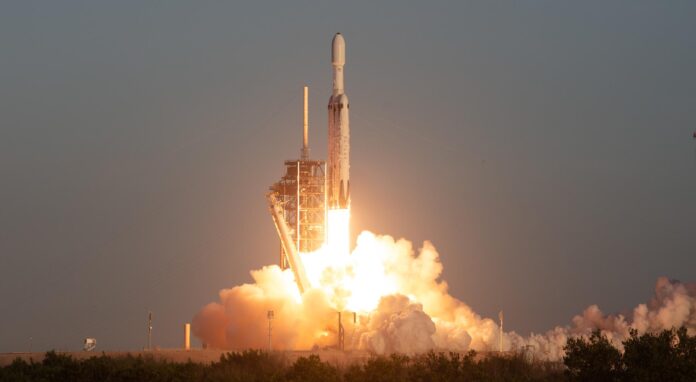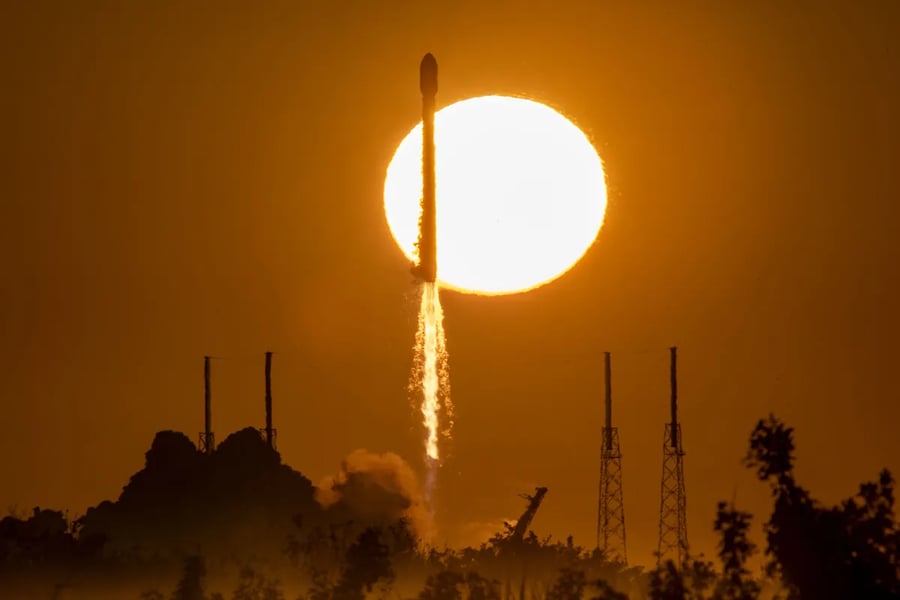

In the pre-dawn darkness over Florida’s Atlantic coast, a SpaceX Falcon 9 rocket thundered into the sky, carrying what may be one of the most consequential payloads in modern navigation history: the final satellite in the United States’ GPS III constellation.
The launch of GPS III SV10, commissioned by the United States Space Force, marks the culmination of a decade-long effort to overhaul the Global Positioning System into a hardened, high-precision network designed for both civilian convenience and battlefield dominance. Liftoff occurred within a narrow early morning window from Cape Canaveral Space Force Station, underscoring the increasingly surgical precision of modern launch operations.
This was not merely another satellite deployment. It was the closing chapter of a strategic modernization campaign, one that has steadily redefined how the world navigates, communicates, and conducts warfare.
This leap in capability is not just incremental. It represents a structural shift in how modern military navigation systems operate. Precision-guided munitions, autonomous systems, and synchronized troop movements all depend on reliable navigation signals. A disruption, even for seconds, can alter the outcome of an engagement.
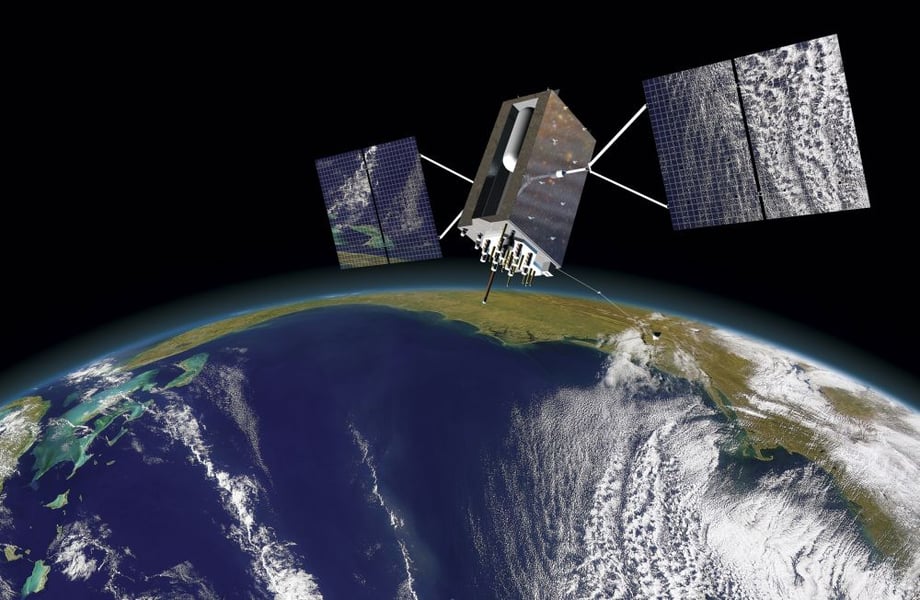
The satellite’s deployment into medium-Earth orbit ensures its integration into a broader satellite navigation system that supports billions of devices worldwide, from smartphones and aircraft to financial networks and emergency services.
This last-minute reassignment is more than a logistical footnote. It underscores SpaceX’s growing dominance amid intensifying commercial spaceflight competition, a domain once tightly controlled by legacy contractors.
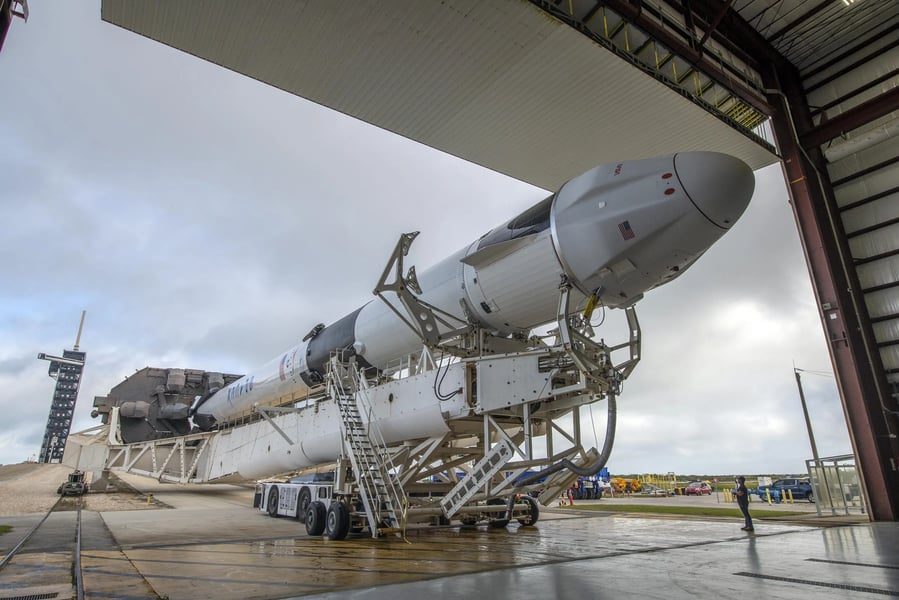
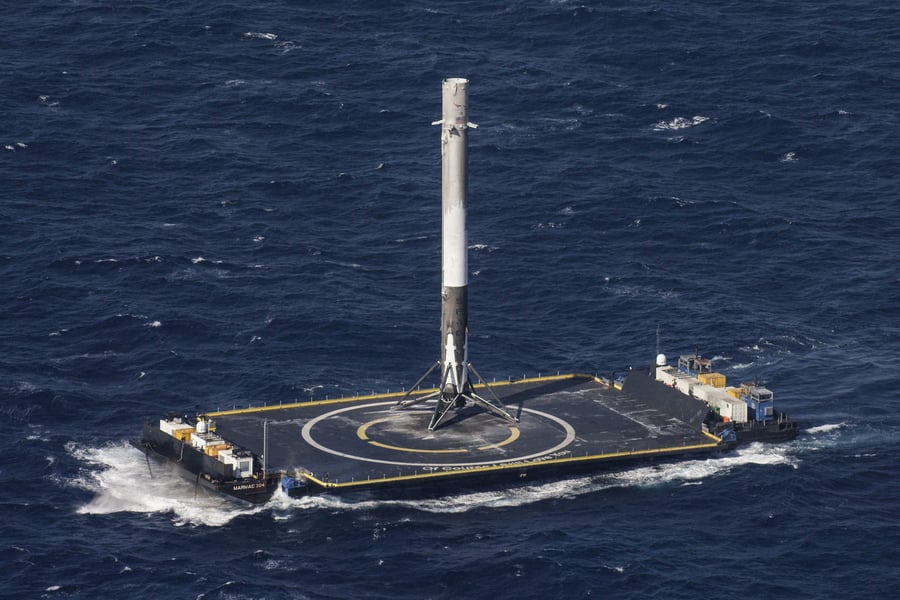
The Falcon 9 itself, now a workhorse of orbital logistics, executed a near-flawless performance. Its first stage booster, flying for the seventh time, detached and landed autonomously on a drone ship in the Atlantic Ocean roughly eight minutes after liftoff, a maneuver that has become routine, yet remains a defining hallmark of previous SpaceX missions.
With SV10 now in orbit, the GPS III program reaches completion, a milestone that transitions the system toward its next evolutionary phase: GPS IIIF. This upcoming generation promises even more advanced capabilities, including enhanced regional military protection and improved search-and-rescue functions.
The significance of this transition cannot be overstated. The GPS III constellation forms the backbone of global positioning infrastructure. Completing it not only strengthens US technological leadership but also sets the stage for a new wave of competition in space-based navigation systems.
For most people, the implications of this launch will remain invisible. GPS operates quietly in the background, guiding ride-hailing apps, synchronizing financial transactions, and enabling global logistics.
Yet beneath that invisibility lies a system of immense strategic importance. The modernization of GPS is as much about resilience as it is about accuracy. In a world where cyber threats and signal interference are rising, ensuring uninterrupted access to positioning data has become a national security imperative.
The successful deployment of GPS III SV10 is therefore not just a technical achievement. It is a declaration of intent, a signal that space, once the domain of exploration, is now firmly embedded in the architecture of global power.
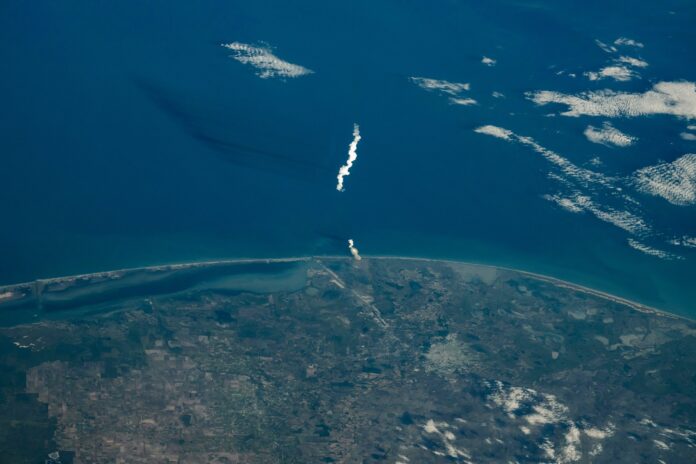
And as the rocket’s fading trail dissolved into the morning sky, it left behind more than a satellite. It marked the completion of one era, and the unmistakable beginning of another.